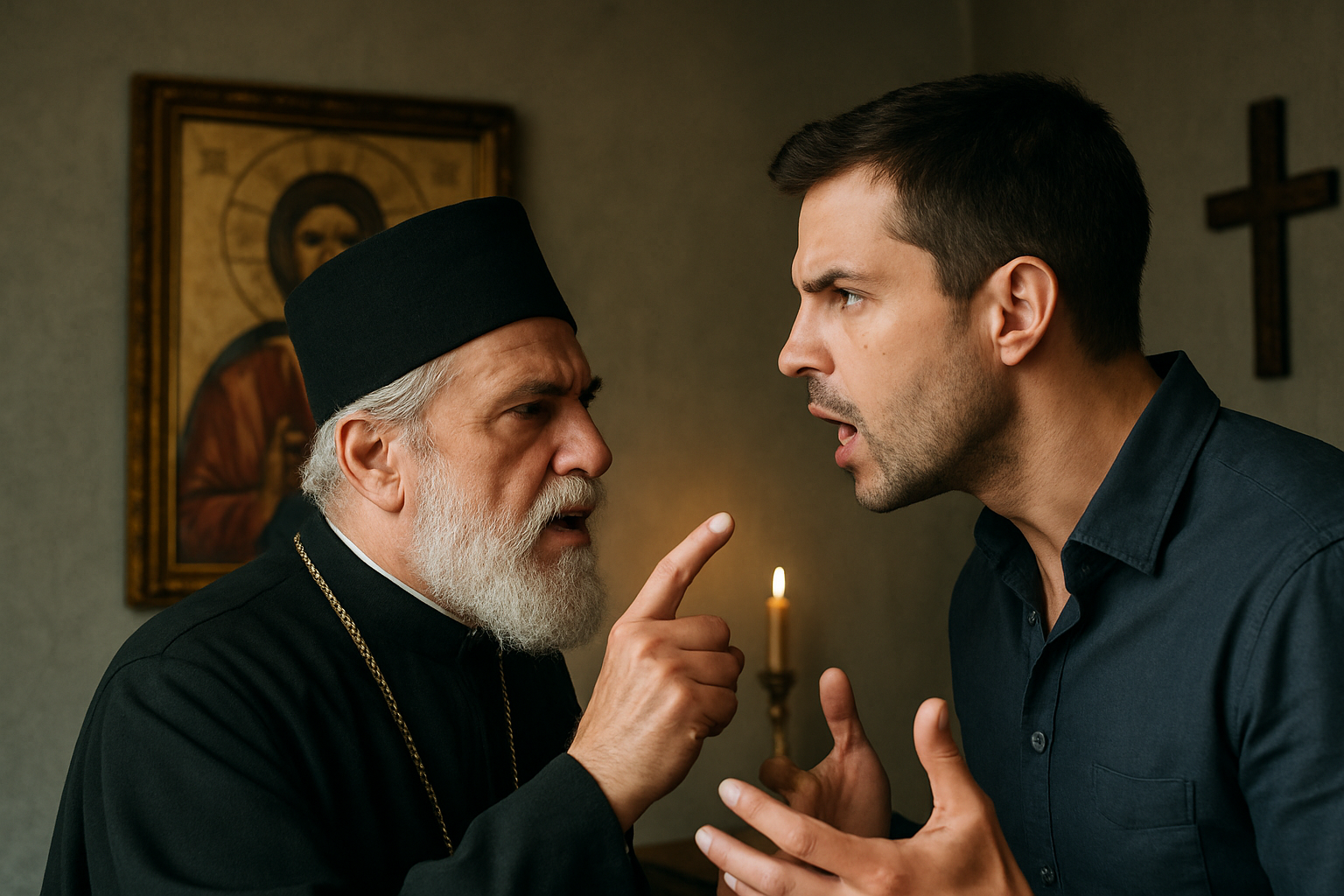
Faith, as a profound aspect of human existence, has been a source of comfort, community, and conflict throughout history. In the contemporary epoch, a fascinating dichotomy emerges between traditional adherence and modern interpretations. This clash, while rooted in age-old practices, thrives in the dynamic environment of modern society. In examining both sides, we gain insights into the evolving nature of belief and spirituality.
The Foundations of Traditional Faith
Traditional faith systems hold significant authority and continuity across generations. Anchored in time-honored beliefs and practices, these systems often serve as bedrock institutions within cultures globally. Such faith manifests through rituals, ceremonies, and doctrines that provide individuals with a grounded sense of identity and purpose.
- Preservation of Legacy: Traditional faith emphasizes the unbroken transmission of customs and teachings from one generation to the next. The stability and predictability offered through orthodoxy have been pivotal to communities seeking refuge in a world of constant change.
- Collective Identity: The shared experiences and narratives found within these traditional frameworks foster a strong sense of belonging and unity among adherents.
- Scriptural Authority: For many, the sacred texts offer divine guidance and dictate the course of ethical and moral life. As it is often asserted: “It is written in the Holy Book,” which signifies the deep-seated reverence for scripture.
However, modernity’s rapid advancement has sparked a reconsideration of these ancient tenets.
Modern Faith and the Spirit of Innovation
Modern faith is characterized by an openness to reinterpret and re-envision traditional beliefs through a contemporary lens. This is propagated by increased globalization, scientific advancements, and the rise of individualism.
- Individual Spirituality: A growing number of people embrace a personal, rather than institutional, approach to spirituality. As noted in a recent survey by the Pew Research Center, “The proportion of Americans who identify as ‘spiritual but not religious’ has surged, signaling a shift from organized religion to personal spirituality.” (Source: Pew Research Center).
- Scientific Inquiry: Many modern practitioners seek to harmonize scientific understanding with spiritual belief. They often view the universe’s intricate workings as a testament to greater consciousness rather than a contradiction of faith.
- Interfaith Dialogues: The rise of interfaith movements exemplifies the modern approach to religious belief. These conversations emphasize universal values such as compassion, equality, and love, extending respect and understanding across diverse religious traditions.
This convergence of faith and inquiry heralds a new era of innovation while posing challenges to established norms.
The Intersection and Its Implications
The clash between traditional and modern faith is not merely academic—it is evident in societal, political, and cultural domains worldwide.
The Social Dynamics
At a societal level, tension often arises in communities divided by generational views. Older groups may resist what they see as the erosion of core values, while younger generations may argue for the relevance and adaptation of faith to contemporary issues.
“The test of a first-rate intelligence is the ability to hold two opposed ideas in mind at the same time and still retain the ability to function,” as F. Scott Fitzgerald poignantly notes. This sentiment captures the challenge faced by many in reconciling these divergent worlds. (Source: Quote Investigator)
Political and Cultural Repercussions
In many parts of the world, the friction between traditionalists and modern innovators influences political landscapes, policy-making, and cultural expressions. Legal systems in various countries grapple with issues of religious freedom, secularism, and how to accommodate evolving spiritual views within a traditional framework.
- Governance and Policy: Countries like India and Turkey exemplify the struggle to balance secular governance with religious conservatism, leading to vibrant public debates and sometimes contentious political environments.
- Cultural Expressions: Literature, film, and art often challenge traditional religious paradigms, sparking conversations and, at times, controversy.
Bridging the Divide
While conflict dominates much of the discourse, the potential for synergy and synthesis between traditional and modern beliefs is both feasible and promising.
Emerging practices, such as integral spirituality, seek to harmonize conventional religious practices with new age spirituality. They propose an encompassing vision that acknowledges the wisdom of ancient traditions while embracing the insights of modernity.
- Educational Initiatives: Programs promoting religious literacy and interfaith education contribute to breaking down misconceptions and fostering mutual respect.
- Community Leadership: Faith leaders who advocate for dialogue and inclusivity often play pivotal roles in nurturing environments where diverse spiritual beliefs can coexist and collaborate.
- Technology and Connectivity: The digital age has democratized access to religious texts and ideas, enabling individuals to explore various beliefs and practices, thus broadening their spiritual horizon.
The interaction between the traditional and the modern is not a zero-sum game. Instead, it reflects the vibrancy and diversity of human belief systems. By embracing our differences and seeking common ground, we transcend merely surviving these shifts and begin to thrive through the enrichment such diversity offers.
Ultimately, both traditional and modern faith framework strives for knowledge, meaning, and understanding—timeless quests of human beings. As we move forward, our ability to navigate these waters with compassion and openness may well define the spiritual landscape of the future.
This article serves as a reflection on the current state of faith, where the lines between old and new are continually redrawn, offering not just conflict, but tremendous opportunity for growth and understanding in the tapestry of human spirituality.