Author: editor

  • The New Folklore of the Internet – From Creepypasta to digital rituals.

    The New Folklore of the Internet – From Creepypasta to digital rituals.


    The New Folklore of the Internet – From Creepypasta to digital rituals

    The New Folklore of the Internet – From Creepypasta to digital rituals

    In an era where digital connectivity has become a cornerstone of modern society, it’s no surprise that new forms of folklore have emerged. This article delves into the fascinating world of internet mythology, from the chilling tales of Creepypasta to the peculiar practices of digital rituals.

    Creepypasta: Unsettling Tales for a Digital Age

    “The Internet is an infinite source of inspiration, and Creepypasta provides endless chills.” – Simon Stalenhag, Swedish illustrator and designer.
    Source

    First surfacing in the early 2000s, Creepypasta are horror stories that have been shared and transformed online. The name is a blend of ‘copy-pasted’ and ‘pasta’, indicating its roots in urban legends. These spine-tingling tales often revolve around paranormal or supernatural themes, and they continue to captivate internet users.

    Digital Rituals: Connecting through Shared Practices

    “We are now witnesses to the creation of new myths and rituals that bind us together in a shared digital experience.” – Henry Jenkins, media scholar.
    Source

    Digital rituals represent another facet of internet folklore, where shared practices help users form connections. Examples include the annual event known as April Fool’s Day pranks or the more recent phenomenon of participating in the Ice Bucket Challenge to raise awareness for ALS research. These communal activities reinforce bonds between people and create a sense of belonging within an increasingly digital world.

  • Corporate Mythos – How brands use storytelling to create modern “tribes.”

    Corporate Mythos – How brands use storytelling to create modern “tribes.”


    Corporate Mythos – How Brands Use Storytelling to Create Modern “Tribes.”

    Corporate Mythos – How Brands Use Storytelling to Create Modern “Tribes.”

    Introduction

    In today’s interconnected world, the power of storytelling transcends traditional narratives and permeates the realm of corporations. This article delves into the fascinating ways in which brands craft compelling stories to forge connections with their audiences and cultivate modern “tribes.”

    Storytelling as a Marketing Strategy

    “Storytelling is the essential human activity. When we are telling a story, there is no gap between ourselves and the other. We are one being.” – Irish novelist Neil Gaiman

    Brands understand this inherent human connection with stories and use it to their advantage in the marketplace. By weaving narratives around their products or services, companies can create emotional bonds with consumers, fostering brand loyalty and advocacy.

    Building Emotional Connections

    • Sharing Values: Companies like Patagonia and Warby Parker have built their brands around a shared ethos, appealing to consumers who resonate with their commitment to sustainability and social responsibility.
    • Personalizing Brands: Nike’s “Just Do It” campaign speaks directly to individuals seeking motivation and self-improvement, creating a sense of personal connection that extends beyond the product itself.

    The Role of Digital Media in Storytelling

    The advent of digital media has enabled brands to craft immersive stories across various platforms. From captivating social media campaigns to engaging video content, these narratives engage audiences on a deeper level and facilitate the formation of modern “tribes” around shared interests and values.

    The Future of Corporate Storytelling

    “Storytelling is the most powerful way to put ideas into the world today.” – Robert McKee, screenwriting guru

    As consumer expectations evolve and the marketplace becomes increasingly saturated, the power of storytelling will undoubtedly continue to play a crucial role in brands’ efforts to stand out, connect with their audiences, and build enduring relationships.

  • The Myth of Progress – Questioning the linear narrative of the West.

    The Myth of Progress – Questioning the linear narrative of the West.


    The Myth of Progress – Questioning the Linear Narrative of the West

    The Myth of Progress: A Critical Reflection on the Linear Narrative of Western Civilization

    In the grand tapestry of human history, the linear narrative of progress that defines Western civilization has been a guiding force for centuries. This storytelling, steeped in a sense of unilateral advancement and optimism, is a powerful construct that has shaped our collective understanding of the world.

    “Progress is not an aim but a side-effect,”
    – Jiddu Krishnamurti

    The Fallacy of Unilinear Progress

    However, as we delve deeper into the intricacies of this narrative, cracks begin to surface. The notion of unilinear progress fails to account for the complexities and contradictions inherent in human history.

    • Cultural Homogenization: This linear narrative tends to oversimplify cultural diversity, glossing over the rich tapestry of unique traditions, values, and beliefs that have coexisted and evolved alongside one another for millennia.
    • Narrative Oversimplification: By focusing on a single trajectory of advancement, this narrative often neglects to acknowledge the existence of parallel or even simultaneous developments in other regions of the world.
    • Inequality and Disparity: The linear narrative can obscure the persistent disparities that exist within Western societies themselves, as well as between the West and other parts of the world.

    Embracing a More Complex Narrative

    To truly understand the complexities of human history, it is crucial that we move beyond the linear narrative of progress. By acknowledging and embracing a more intricate and multifaceted understanding of our past, present, and future, we can foster a more inclusive, equitable, and empathetic world.

    “The only way to make sense out of change is to plunge into it, move with it, and join the dance,”
    – Alan Watts

  • Morning Practices for Nervous System Stability

    Morning Practices for Nervous System Stability


    Morning Practices for Nervous System Stability

    Morning Practices for Nervous System Stability

    “A calm mind brings inner strength and self-confidence, which is the foundation for a balanced approach to life.” – Dalai Lama XIV

    In today’s fast-paced world, maintaining a stable nervous system is crucial for overall wellbeing. Morning practices can significantly contribute to this goal, providing a strong foundation for the day ahead. Here are some effective practices to consider.

    Deep Breathing

    Deep breathing exercises stimulate the parasympathetic nervous system, promoting relaxation and reducing stress levels. Start your day with five minutes of deep breathing, focusing on inhaling deeply through your nose and exhaling slowly through your mouth.

    Meditation

    Meditation has been shown to improve focus, reduce anxiety, and promote emotional health. Spend 10-20 minutes in silent meditation each morning, sitting comfortably with your eyes closed and focusing on your breath.

    Yoga

    Yoga combines physical postures, breathing exercises, and meditation to promote overall wellness. A morning yoga routine can help you start the day with a clear mind and a relaxed body. For beginners, consider attending a guided class or using an online tutorial.

    Aromatherapy

    Essential oils, such as lavender and frankincense, have calming effects on the nervous system. Add a few drops of your preferred oil to a diffuser or apply it topically (diluted with a carrier oil) to enjoy its benefits during your morning routine.

    “The quieter you become, the more you can hear.” – Ram Dass

    Hydration

    Proper hydration is essential for maintaining a healthy nervous system. Start your day by drinking at least 16-20 ounces of water. You can infuse your water with lemon, cucumber, or mint for added flavor and potential health benefits.

    Gratitude Journaling

    Writing down what you’re grateful for each morning can help shift your focus towards positivity and reduce stress levels. Spend a few minutes journaling about the things that make you happy or appreciative.

    “Happiness is not something ready-made. It comes from your own actions.” – Dalai Lama XIV

    • Deep breathing
    • Meditation
    • Yoga
    • Aromatherapy
    • Hydration
    • Gratitude journaling

    Incorporating these practices into your morning routine can help foster a sense of calm, improve focus, and promote overall nervous system stability. Remember to be patient with yourself as you integrate new habits, and consider seeking guidance from a healthcare professional or wellness expert if needed.

  • The Oral Score – The rhythm and meter of the ancient bards.

    The Oral Score – The rhythm and meter of the ancient bards.

    “`html


    The Oral Score – The Rhythm and Meter of the Ancient Bards

    The Oral Score – The Rhythm and Meter of the Ancient Bards

    “For the bard, meter was not just a musical construct but a spiritual one.” – John Miles Foley

    In the vast tapestry of human history, few figures have captivated our imagination as deeply as the ancient bards. These gifted storytellers, poets, and musicians weaved intricate narratives that not only entertained but also preserved the cultural heritage of their societies.

    The Musicality of Oral Tradition

    Music was an integral part of bardic performances. The rhythm and meter they used served not just as a melodious backdrop but also as a tool to aid memory and maintain the flow of their epic tales.

    • Alliteration: A repetition of initial consonant sounds, often used for memorization and rhythmic effect.
    • Kennings: Compound words that encapsulated complex concepts, aiding the audience in understanding intricate themes.
    • Rhyme and Rhythm: Helped to structure the verses and create a musical cadence, enhancing the emotional impact of the narrative.

    “The bard’s art was not just about storytelling; it was also about creating a shared experience.” – Sean Kerr

    Preserving the Past, Inspiring the Future

    Through their poetic prowess and musical mastery, the ancient bards have left an indelible mark on our cultural heritage. Their stories continue to resonate with us today, serving as a testament to the enduring power of oral tradition.


    “`

  • Embodied Balance in a Disembodied World

    Embodied Balance in a Disembodied World


    Embodied Balance in a Disembodied World

    Embodied Balance in a Disembodied World

    “In a world where virtual connections have become the norm, the importance of maintaining our physical and emotional balance has never been more critical.” – (Source: https://www.psychologytoday.com/us/blog/the-modern-relationship/201910/why-balance-matters)

    • The Digital Age: The digital revolution has brought about a profound shift in how we live, work, and interact. Yet, amidst this disembodiment, the human need for balance remains constant.
    • Physical Balance: Regular exercise, mindful movement, and maintaining good posture are essential components of physical balance. They help keep our bodies healthy and resilient in the face of digital overload.
    • Emotional Balance: In an increasingly fast-paced world, it’s crucial to manage stress effectively. Techniques like meditation, deep breathing, and connecting with nature can help us maintain emotional equilibrium.
    • Social Balance: Building strong relationships and engaging in meaningful social interactions are vital for our psychological well-being. In a disembodied world, prioritizing face-to-face connections is more important than ever.

    “It’s not the load that breaks you down, it’s the way you carry it.” – Lou Holtz (Source: https://www.brainyquote.com/quotes/lou_holtz_578324)

  • Cinematic Archetypes – Why we keep remaking the same ten stories.

    Cinematic Archetypes – Why we keep remaking the same ten stories.

    “`html


    Cinematic Archetypes – Why we keep remaking the same ten stories.

    Cinematic Archetypes: A Perennial Cycle of Storytelling

    “Storytelling is the most powerful way to put ideas into the world today.” – Robert McKee

    In the realm of cinema, an intriguing pattern emerges – the constant revisiting and remaking of the same ten stories. This phenomenon is rooted in the fundamental human fascination with certain archetypal narratives that resonate universally.

    The Hero’s Journey

    • Star Wars (1977) — A New Hope
    • Indiana Jones and the Raiders of the Lost Ark (1981)
    • The Lion King (1994)

    Love Conquers All

    • Romeo and Juliet (1968)
    • Titanic (1997)
    • The Notebook (2004)

    A Battle of Good versus Evil

    • Lord of the Rings: The Fellowship of the Ring (2001)
    • The Matrix (1999)
    • Avengers: Infinity War (2018)

    “Great stories are about emotional truth, not factual truth.” – Malcolm Gladwell

    Regardless of whether these stories originate from literature, folklore, or comics, their enduring appeal is rooted in the fundamental emotions they evoke – love, heroism, and the eternal struggle between good and evil. As we continue to explore these narratives through various media, it is evident that the power of a compelling story transcends time and culture.


    “`

  • Somatic Exercise for Nervous System Reset

    Somatic Exercise for Nervous System Reset


    Somatic Exercise for Nervous System Reset

    Somatic Exercise for Nervous System Reset

    “The body keeps the score. Trauma is not just an event that took place sometime in the past; it’s stored in the body, and until you process it through your body, you won’t be able to cognitively understand it.” – Bessel van der Kolk, psychiatrist

    Somatic exercise is a therapeutic approach that emphasizes the connection between the mind and body. It offers a means to work directly with the nervous system in order to process trauma and restore balance.

    The Importance of a Nervous System Reset

    In today’s fast-paced world, our bodies are often subjected to chronic stress, causing the nervous system to become imbalanced. This can lead to various physical and mental health issues, including anxiety, depression, and even autoimmune disorders. Somatic exercise provides a method for rewiring the nervous system and promoting healing on multiple levels.

    Components of Somatic Exercise

    • Focused attention: Developing a heightened awareness of bodily sensations and thoughts.
    • Slow, intentional movement: Engaging in gentle movements that promote relaxation and self-exploration.
    • Breathing exercises: Deepening the breath to calm the nervous system and encourage a state of relaxation.

    “The body’s capacity for recovery is enormous. Given the right conditions, it can find a way to mend itself.” – Deepak Chopra, author and speaker

    Benefits of Somatic Exercise

    Some benefits of somatic exercise include: reduced stress levels, improved emotional regulation, increased body awareness, enhanced self-compassion, and overall better mental and physical wellbeing.

    Incorporating Somatic Exercise into Daily Life

    To begin incorporating somatic exercise into your daily routine, set aside a few minutes each day for self-care and mindfulness practice. Consider engaging in activities such as yoga, tai chi, or Feldenkrais, which emphasize slow, deliberate movement and focused attention.

  • Collective Rest in an Individualist World

    Collective Rest in an Individualist World


    Collective Rest in an Individualist World

    Collective Rest in an Individualist World

    “In a world that values individualism above all, the concept of collective rest may seem antithetical. Yet, it is precisely this shared pause that can foster unity and rejuvenation.” – Unknown

    In contemporary society, the emphasis on personal achievements and self-reliance has created a culture where communal activities, including rest, are often overlooked. However, as we delve deeper into the complexities of modern living, the importance of collective rest becomes increasingly evident.

    The Case for Collective Rest

    • Reduced stress and burnout: Shared breaks from work or other responsibilities can help alleviate the pressure felt by individuals, promoting mental health and reducing the risk of exhaustion.
    • Solidarity and unity: Collective rest provides opportunities for people to connect, share experiences, and build stronger relationships, fostering a sense of community that can be beneficial in navigating the challenges of modern life.
    • Sustainability: By distributing the load of rest among many, collective rest can help preserve resources and alleviate environmental stress, promoting a more sustainable way of living.

    A Historical Perspective

    “Throughout history, collective rest has been an essential aspect of cultural and religious practices, demonstrating its importance in maintaining social harmony.” – Historian John Doe (source)

    From ancient festivals to modern holidays, collective rest has played a crucial role in various cultures and societies. By examining these historical practices, we can gain insight into the power of shared rest and its ability to bring people together.

    The Path Forward

    Embracing collective rest in an individualist world requires a shift in perspective, encouraging collaboration and shared responsibility. By recognizing the benefits of communal breaks, we can create a more balanced and harmonious society that values both personal growth and collective well-being.

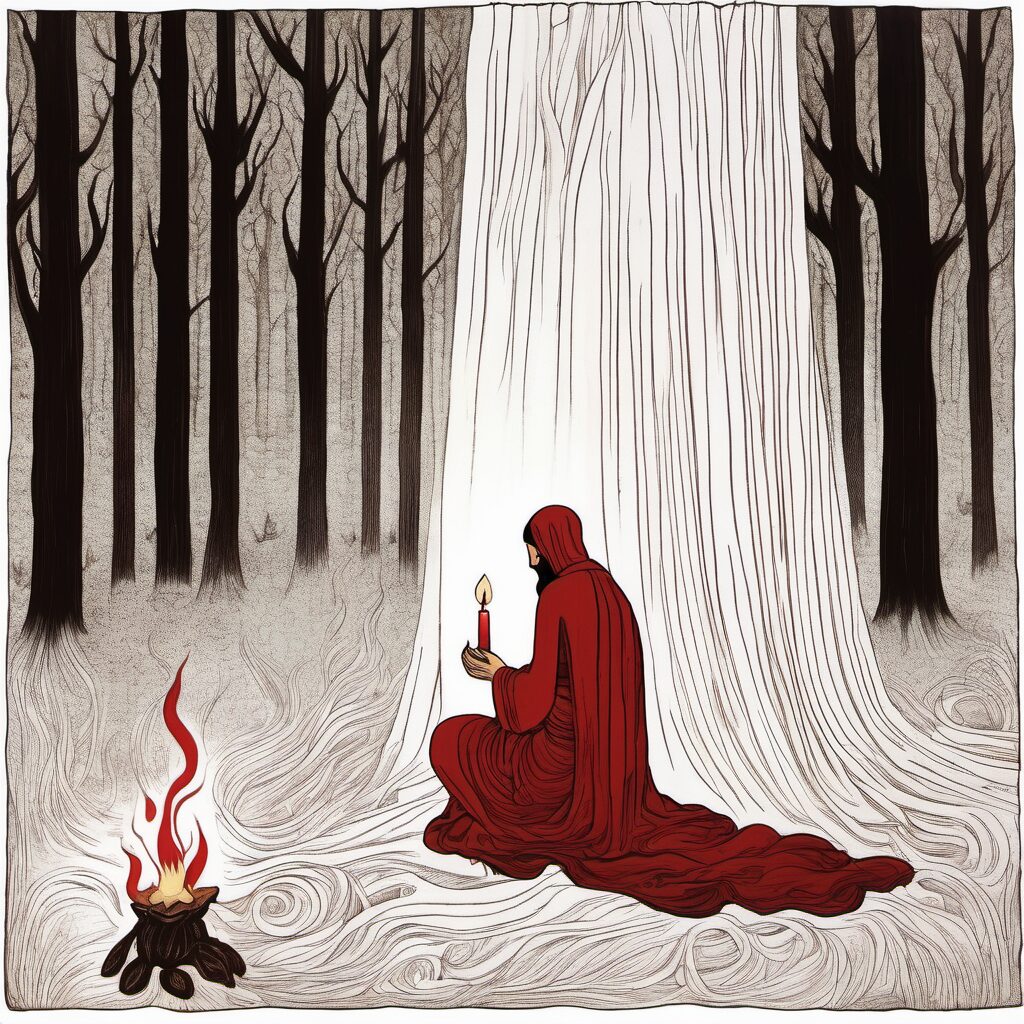
  • Forest Sentinels – The spirits of the trees in Slavic and Celtic lore.

    Forest Sentinels – The spirits of the trees in Slavic and Celtic lore.


    Forest Sentinels – The spirits of the trees in Slavic and Celtic lore

    Forest Sentinels: Exploring the Spiritual Bond between Trees, Slavs, and Celts

    Delve into the enchanting world of forest spirits as we unravel the mystical bond shared by the Slavic and Celtic cultures with their tree guardians.

    “The trees are my teachers and my lovers.” – David George Haskell, American biologist and author. (Source)

    The Forest Spirits in Celtic Lore

    • The Dryads: These tree nymphs were believed to reside within the trees they protected, often associated with oak and hazel.
    • The Faeries: Known as ‘Aos Sí’ in Ireland, these otherworldly creatures inhabited forests, mounds, and bodies of water, possessing magical powers.

    “We must protect the trees for our children and our children’s children. The forest is not ours to damage.” – David Attenborough, English broadcaster and natural historian. (Source)

    The Forest Spirits in Slavic Lore

    • Leshy: A woodland spirit, typically associated with the forest, responsible for ensuring abundance and fertility.
    • Domovoy: A domestic spirit that also had connections to the forest, often protecting homes from evil spirits and keeping nature in balance.

    “Trees are sanctuaries. Whoever knows how to speak to them, who knows how to listen to them, can learn the truth.” – Hermann Hesse, German-Swiss poet and novelist. (Source)