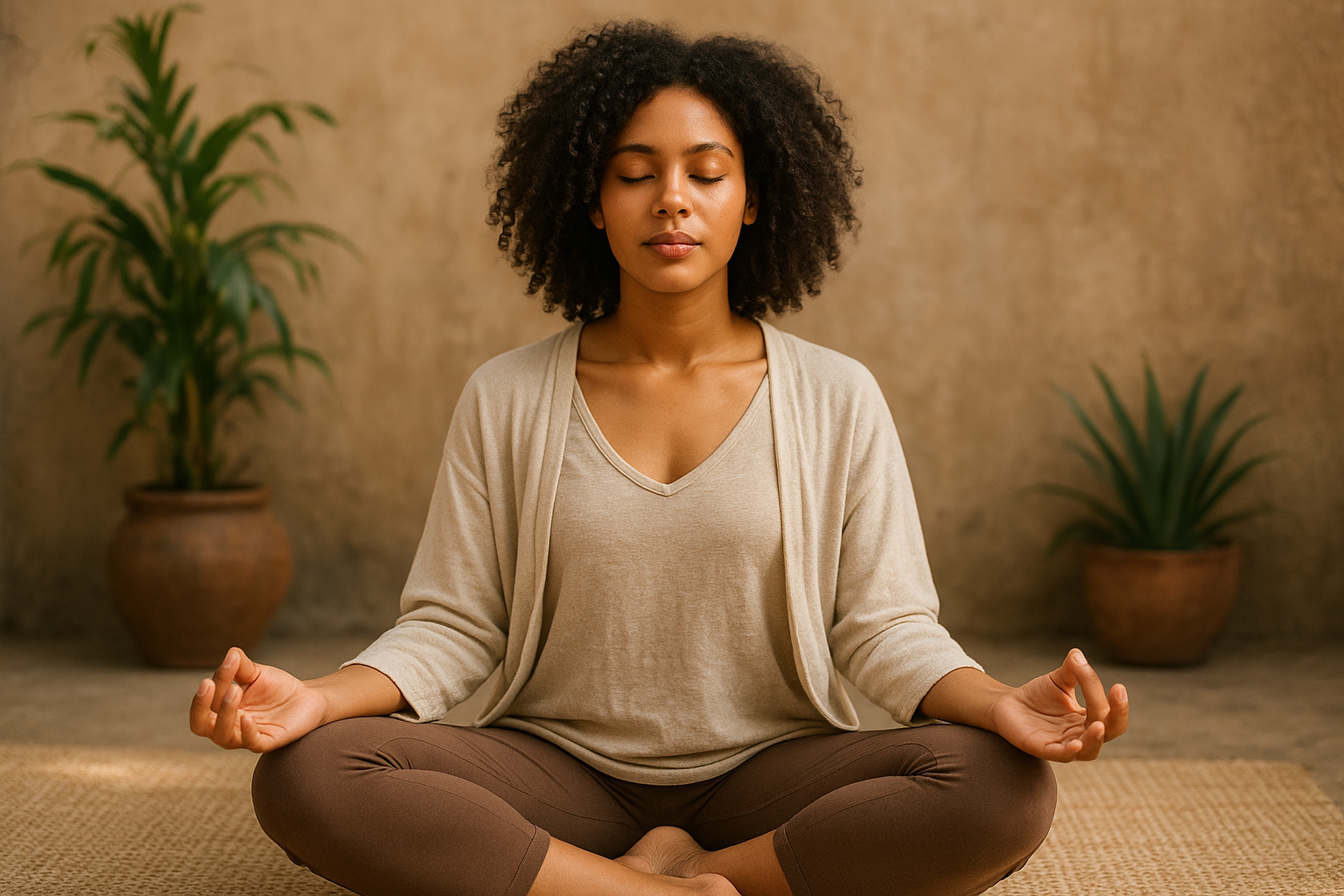
In an era where the rigidity of traditional religious practices often seems at odds with the fluidity of modern life, a shift is occurring. People worldwide are seeking spiritual fulfillment outside the boundaries of established religions. This evolution in spiritual practice invites individuals to create an individual connection with the divine, nourishing their souls in ways that align with their personal beliefs and lifestyles.
The Decline of Traditional Religion
The decline of traditional religions, especially in Western societies, has been significant over the past few decades. According to a 2021 survey by Pew Research Center, the number of people identifying as religiously unaffiliated has increased dramatically, making up nearly 30% of the U.S. population.
“The unaffiliated are growing, not only in the United States but all over the world,” notes Pew Research.
This shift is not necessarily indicative of a move away from spirituality; rather, it suggests a search for a more personal and meaningful connection with one’s sense of the sacred.
Emergence of Modern Spiritual Practices
As traditional religious engagement wanes, diverse spiritual practices have emerged, often drawing on ancient philosophies while adapting to contemporary contexts. These practices emphasize personal experience and inner transformation over dogma and institutional adherence.
- Meditation and Mindfulness: Rooted in ancient traditions such as Buddhism and Hinduism, meditation has found a new home in the West. Practitioners use it to cultivate mindfulness, reduce stress, and build a deeper sense of empathy and awareness.
- Yoga: Originally a spiritual practice in the Indian subcontinent, yoga has evolved in the West primarily as a form of physical exercise. However, for many, it remains a deeply spiritual practice that promotes harmony between mind, body, and spirit.
- Nature-based Spirituality: A re-engagement with nature offers spiritual fulfillment to many. Be it through eco-spirituality, Druidry, or simply spending time in nature, people find solace and connection with the divine in the natural world.
- Energy Healing and Reiki: Practices focused on the human energy field, such as Reiki, have gained popularity. They are seen as pathways for balancing energy and achieving spiritual and emotional health.
These practices are often combined, allowing individuals to craft a personalized spiritual path that speaks to their soul and lifestyle.
Technology and Spirituality
The digital age has also contributed to the evolution of modern spirituality. Technology enables access to spiritual teachings and communities like never before. Apps dedicated to meditation, yoga practice, and even astrology garner millions of monthly users.
Furthermore, online communities provide a platform for individuals to connect with like-minded individuals across the globe. As The New York Times observes, these digital spaces have become crucial for those seeking support and guidance outside traditional religious settings.
“Platforms like Headspace and Insight Timer make spiritual practices accessible and customizable, appealing to a generation seeking mindfulness and calm amidst modern chaos,” The New York Times reports.
The Individual’s Spiritual Journey
While organized religion often provides a well-defined spiritual path, the growing preference for personalized spirituality allows for exploration and self-discovery. This individualistic approach enables people to engage with spiritual texts, rituals, and practices in a way that feels authentic and resonant with their personal lives.
Indeed, Psychology Today suggests that such personal exploration can lead to a “rich and fulfilling spiritual life,” encouraging individuals to seek truths and wisdom across wisdom traditions and philosophical teachings.
Despite the risks of cultural appropriation and commodification—challenges well-documented by scholars—modern spiritual seekers advocate for respectful and informed engagement with diverse spiritual practices.
Conclusion
Spirituality beyond the canon represents a significant evolution in how we understand and engage with the divine. It empowers individuals to find meaning and connection in a multifaceted world, emphasizing a deeply personal journey and the search for one’s own truth.
As society continues to evolve, so too will these modern spiritual practices, reflecting the dynamic and ever-changing landscape of human belief and experience. In this search beyond the canon, new traditions may emerge, blending the wisdom of the ages with the insights of modernity, continually renewing the soul of spirituality itself.