Tag: practices

  • Morning Practices for Nervous System Stability

    Morning Practices for Nervous System Stability


    Morning Practices for Nervous System Stability

    Morning Practices for Nervous System Stability

    “A calm mind brings inner strength and self-confidence, which is the foundation for a balanced approach to life.” – Dalai Lama XIV

    In today’s fast-paced world, maintaining a stable nervous system is crucial for overall wellbeing. Morning practices can significantly contribute to this goal, providing a strong foundation for the day ahead. Here are some effective practices to consider.

    Deep Breathing

    Deep breathing exercises stimulate the parasympathetic nervous system, promoting relaxation and reducing stress levels. Start your day with five minutes of deep breathing, focusing on inhaling deeply through your nose and exhaling slowly through your mouth.

    Meditation

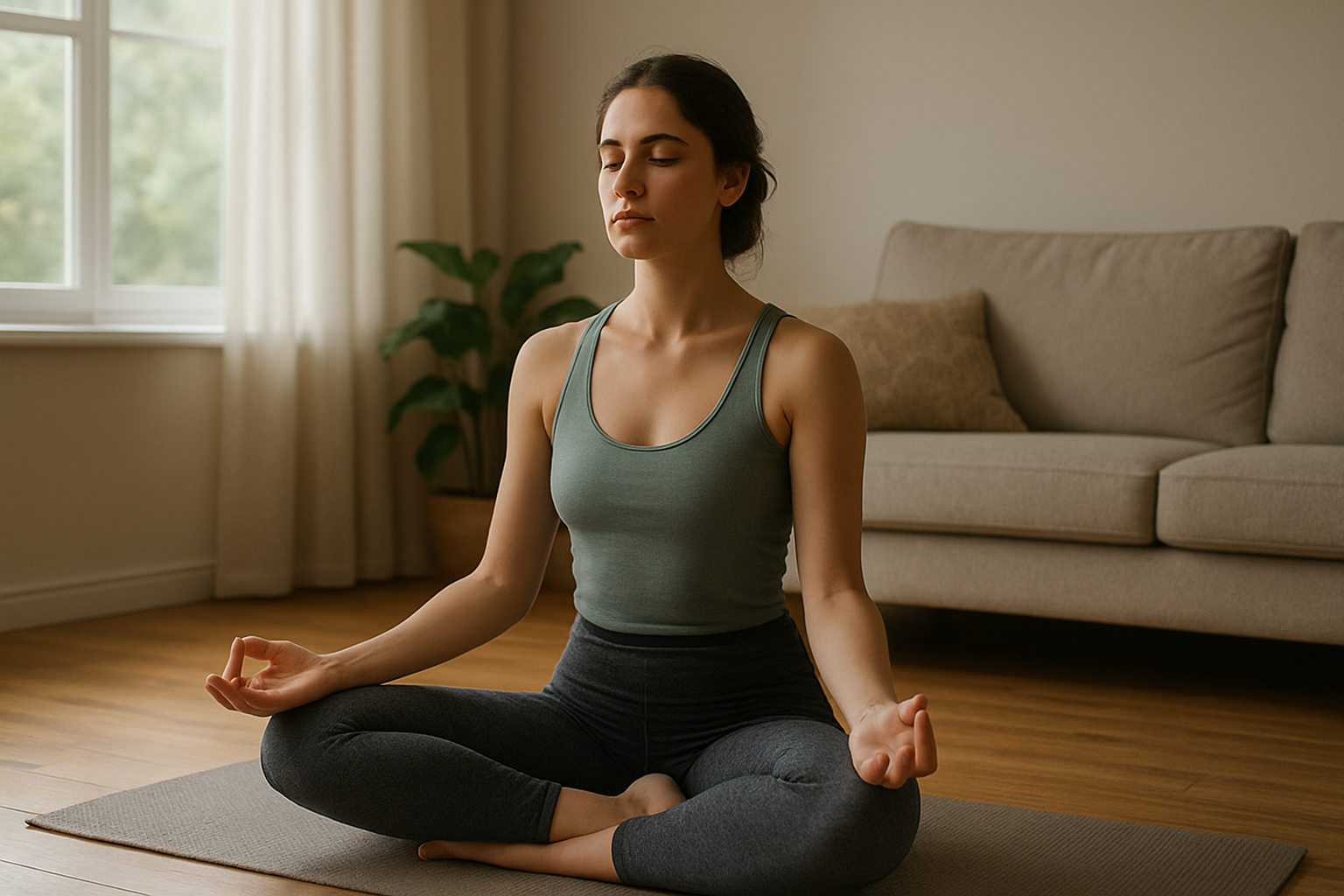
    Meditation has been shown to improve focus, reduce anxiety, and promote emotional health. Spend 10-20 minutes in silent meditation each morning, sitting comfortably with your eyes closed and focusing on your breath.

    Yoga

    Yoga combines physical postures, breathing exercises, and meditation to promote overall wellness. A morning yoga routine can help you start the day with a clear mind and a relaxed body. For beginners, consider attending a guided class or using an online tutorial.

    Aromatherapy

    Essential oils, such as lavender and frankincense, have calming effects on the nervous system. Add a few drops of your preferred oil to a diffuser or apply it topically (diluted with a carrier oil) to enjoy its benefits during your morning routine.

    “The quieter you become, the more you can hear.” – Ram Dass

    Hydration

    Proper hydration is essential for maintaining a healthy nervous system. Start your day by drinking at least 16-20 ounces of water. You can infuse your water with lemon, cucumber, or mint for added flavor and potential health benefits.

    Gratitude Journaling

    Writing down what you’re grateful for each morning can help shift your focus towards positivity and reduce stress levels. Spend a few minutes journaling about the things that make you happy or appreciative.

    “Happiness is not something ready-made. It comes from your own actions.” – Dalai Lama XIV

    • Deep breathing
    • Meditation
    • Yoga
    • Aromatherapy
    • Hydration
    • Gratitude journaling

    Incorporating these practices into your morning routine can help foster a sense of calm, improve focus, and promote overall nervous system stability. Remember to be patient with yourself as you integrate new habits, and consider seeking guidance from a healthcare professional or wellness expert if needed.


  • Simple Practices for Overstimulated Minds

    Simple Practices for Overstimulated Minds


    Simple Practices for Overstimulated Minds

    Simple Practices for Overstimulated Minds

    In today’s fast-paced world, it’s common to experience mental overload. However, there are simple practices that can help calm and rejuvenate an overstimulated mind.

    “The more heated and agitated the mind is, the more difficult it is to find the still, small voice of truth within.” – Eckhart Tolle

    Mindfulness Meditation

    Mindfulness meditation is a practice where you focus on your breath and observe your thoughts without judgment. It helps reduce stress, improve focus, and increase self-awareness.

    “Meditation is not a way of making your mind clear. We already have a clear mind. It’s a matter of knowing it.” – Jiddu Krishnamurti

    Yoga and Physical Activity

    Regular exercise, especially practices like yoga that focus on breathing and body awareness, can help reduce stress and promote mental clarity.

    Nature Walks

    Spending time in nature can help reduce stress, boost mood, and improve cognitive function.

    “Look deep into nature, and then you will understand everything better.” – Albert Einstein

  • Building Psychohygiene Into Ordinary Life

    Building Psychohygiene Into Ordinary Life


    Building Psychohygiene Into Ordinary Life

    Building Psychohygiene Into Ordinary Life

    “The art of being wise is the art of knowing what to overlook.” – William James.

    In the realm of psychology, psychohygiene refers to self-care practices that promote mental health and wellbeing. As we navigate through our daily lives, incorporating psychohygiene principles can significantly improve our overall quality of life.

    The Importance of Psychohygiene

    • Stress Management: Techniques such as deep breathing, meditation, and yoga help manage stress levels, promoting mental clarity and emotional balance.
    • Positive Thinking: Maintaining a positive attitude can boost resilience and optimism, fostering better relationships and increased productivity.
    • Social Connections: Building and maintaining strong social relationships contributes to feelings of belonging and emotional support.

    Psychohygiene Practices for Everyday Life

    • Time Management: Prioritizing tasks, setting realistic goals, and taking breaks can reduce feelings of overwhelm.
    • Physical Activity: Regular exercise not only improves physical health but also boosts mood and self-esteem.
    • Healthy Eating: A balanced diet rich in nutrients can support brain function, reduce anxiety, and enhance overall wellbeing.

    “We are all a little weird. And life is a little weird. And when we find someone whose weirdness is compatible with ours, we join up with them and fall in mutual weirdness and call it love.” – Dr. Seuss.

  • Teaching Children Psychohygiene Before They Break

    Teaching Children Psychohygiene Before They Break


    Teaching Children Psychohygiene Before They Break

    Teaching Children Psychohygiene Before They Break

    “Mental health issues are on the rise in children and adolescents, making it crucial to prioritize psychohygiene education.”
    – Dr. Jane M. Healy, Educational Psychologist
    Source: Psychology Today

    Understanding Psychohygiene

    Psychohygiene, a term coined by Swiss psychiatrist Carl Gustav Jung in 1928, refers to practices and habits that promote good mental health. It emphasizes self-care for the mind as essential to overall wellbeing.

    The Importance of Teaching Psychohygiene to Children

    • Prevention: By teaching children psychohygiene, we aim to prevent mental health issues from developing in the first place.
    • Resilience: Encouraging good mental health habits helps children build resilience and cope with the challenges of growing up.
    • Improved Academic Performance: Mental wellbeing has a direct impact on academic success, making psychohygiene education essential for students.

    “We must teach our children to cultivate their inner lives, as much as we teach them to read and write.”
    – E. Merrill Root, Psychologist
    Source: VeryWell Family

    Practicing Psychohygiene with Children

    Some practices to teach children include mindfulness exercises, positive self-talk, adequate sleep, regular exercise, and open communication about emotions. It’s essential to adapt these practices to the child’s age and developmental stage for optimal effectiveness.

  • The Power of Perspective: Re-examining the Frame of Tradition

    The Power of Perspective: Re-examining the Frame of Tradition

    Tradition is a cornerstone of culture and identity, offering a comforting familiarity and a sense of continuity across generations. It serves as an anchor in the sea of rapid societal changes. However, as society evolves, it becomes crucial to re-examine these traditions through a modern lens to ensure they continue to serve the greater good.

    Re-evaluating traditions is not about dismissing the past but rather enhancing our understanding of its relevance in today’s world. As the philosopher Friedrich Nietzsche once opined, “The snake which cannot cast its skin has to die. As well the minds which are prevented from changing their opinions; they cease to be mind.” This idea encourages us to shed outdated practices while embracing the valuable core that traditions uphold.

    The Importance of Adaptation

    Adaptation is vital in ensuring that traditions serve the present and future in meaningful ways. Consider the evolution of family values. While the traditional family structure is undergoing changes, the essence of family—support, love, and unity—remains constant. This shift is reflected in modern media, such as the 2017 animated film Coco, which celebrates the Mexican tradition of Dia de los Muertos. The film highlights family bonds while engaging with contemporary themes about self-identity and personal aspiration.

    Cultural Perspectives and Growth

    Viewing traditions through different cultural perspectives can provide the clarity needed for growth and transformation. A compelling example is the recent rise of interest in indigenous practices and perspectives, as seen in the works of author Robin Wall Kimmerer. In her book Braiding Sweetgrass, Kimmerer integrates indigenous wisdom with scientific knowledge, promoting a harmonious relationship with the environment.

    “We are all bound by a covenant of reciprocity: plant breath for animal breath, winter and summer, predator and prey, grass and fire, night and day, living and dying.”

    Conclusion

    Re-examining tradition does not imply resistance to cultural heritage but, rather, an evolution of understanding. It is about ensuring cultural practices grow with the society they shape. By doing so, we maintain a dynamic relationship with our traditions, acknowledging both where we come from and where we’re heading.

    In summary, tradition, when re-evaluated with an open perspective, can be a powerful force that upholds the values we cherish while encouraging progress. It is through this balance of reverence and innovation that we can continue to find value and purpose in the traditions of our ancestors.

  • The Quest for Kinship: Community and Connection in Modern Spirituality

    The Quest for Kinship: Community and Connection in Modern Spirituality

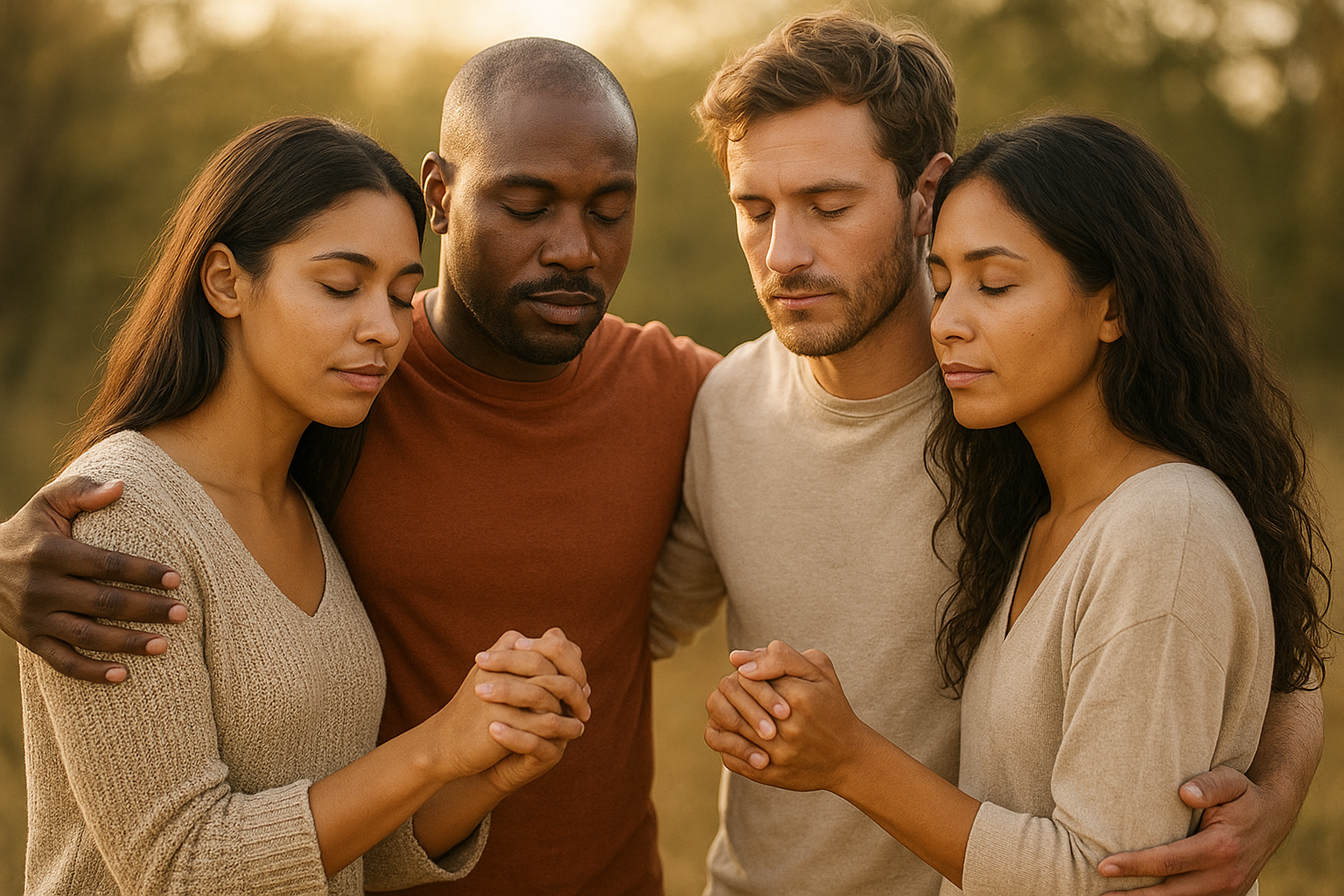
    In an age defined by digital interactions and individualism, the quest for kinship through community and connection in modern spirituality is thriving. From the rise of online spiritual communities to the resurgence of ancient practices, individuals are seeking solace and meaning through shared spiritual journeys. This exploration of community not only enhances personal growth but also fosters a sense of belonging and interconnectedness in a fragmented world.

    The Digital Congregation

    The digital revolution has notably transformed how people experience spirituality. Social media platforms and online forums have become gathering spaces for spiritual seekers around the globe. These virtual communities allow individuals to explore a multitude of spiritual practices, ranging from mindfulness meditation to Pagan rituals, without geographic constraints.

    “For many, these online communities provide a sanctuary to express beliefs, share experiences, and feel part of something larger than themselves,” notes Kathryn Lofton, a scholar of religious studies.

    Online spirituality groups offer the flexibility of connecting on one’s own terms. Whether through guided meditations on YouTube or live-streamed church services on Facebook, individuals can choose their level of engagement—from passive consumption to active participation.

    Revival of Ancient Practices

    Despite (or perhaps because of) the digital fervor, many are also turning back to ancient spiritual practices to seek meaningful connections. Practices like yoga, tai chi, and Indigenous ceremonies are witnessing a resurgence as people look to cultivate mindfulness and harmony with the earth.

    • Yoga and Meditation: Once primarily found in Eastern traditions, yoga and meditation have permeated Western frameworks as methods to manage stress and cultivate inner peace. These practices are not just individual exercises but are increasingly seen as communal activities that create bonds through shared physical and mental discipline.
    • Indigenous Practices: Reclaimed by Native communities and embraced by others, Indigenous rituals often emphasize community and interconnectedness with nature, promoting a holistic sense of belonging.
    • Pagan and Neopagan Rituals: The celebration of sabbats, or seasonal festivals, offers opportunities for community gatherings where participants engage in shared rituals that honor the cycles of nature and human life.

    “People are seeking authenticity and connection, and these practices offer both a sense of longstanding tradition and a communal way to engage with the mysteries of life,” says Anthony Howard, in an article on modern spirituality for The Guardian.

    The Role of Spiritual Leaders

    Spiritual leaders, both traditional and contemporary, play pivotal roles in fostering community and connection. Whether religious figures, yoga instructors, or online spiritual mentors, these leaders guide individuals through spiritual practices and help forge a collective identity among adherents.

    Spiritual leaders also act as connectors, facilitating relationships within their communities. They create safe spaces for individuals to share personal stories, seek guidance, and collaborate on service projects or community events, all of which reinforce communal ties.

    Challenges and Opportunities

    Despite the many benefits of spiritual communities, they also face challenges. The increasingly commodified nature of spirituality, where teachings and practices are often sold as products, can sometimes hinder genuine connections. The line between community and market often blurs, leading some to question the authenticity of certain spiritual experiences.

    Moreover, the global pandemic shifted many traditional spiritual gatherings online, making it difficult for some to form deep, lasting bonds without face-to-face interaction initially. However, this shift has also offered an opportunity to reach and include those who might have previously felt isolated or unwelcome in traditional settings.

    Building Lasting Connections

    Lasting connections in spiritual communities are fostered through shared values and collective purpose. Whether engaging in community service or coming together to celebrate spiritual milestones, these actions form the glue that binds members together. By participating in these shared experiences, individuals reinforce their community’s core principles and strengthen interpersonal bonds.

    In conclusion, the quest for kinship within modern spirituality is a multifaceted journey shaped by digital innovation, traditional revival, and the enduring human desire for connection. As individuals navigate their spiritual paths, the communities they form, both virtual and physical, are vital touchstones for shared growth and understanding.

    Whether seeking community to deepen personal beliefs or simply to find belonging in a constantly shifting world, modern spirituality offers myriad opportunities for meaningful connections. In a world where loneliness and isolation are ever-present threats, spiritual communities offer a beacon of hope and unity—illuminating the path to true kinship.

  • The Mystical Mix: Syncretism in Modern Spiritual Paths

    The Mystical Mix: Syncretism in Modern Spiritual Paths

    In today’s world, belief systems are increasingly fluid, with individuals curating their spiritual practices from diverse traditions. This phenomenon, known as syncretism, involves blending elements from various religious and spiritual backgrounds to create a cohesive personal belief system. Modern spiritual seekers often find value in drawing from multiple traditions, resulting in rich, inclusive spiritual experiences.

    Understanding Syncretism

    Historically, syncretism refers to the melding of different religious and philosophical beliefs. It is not a new concept. In the ancient world, syncretism was common in societies such as Ancient Rome and Greece, where gods and religious practices were often amalgamated from conquered cultures. Today, however, syncretism reflects a more intentional and individualized approach to spirituality.

    Why Syncretism Now?

    Several factors contribute to the rise of syncretism in contemporary spirituality:

    • Globalization: The ease of travel and communication has exposed more people to diverse cultures and belief systems.
    • Access to Information: The Internet and media provide abundant resources about different spiritual traditions, enabling individuals to explore and adopt elements that resonate with them.
    • Desire for Personal Meaning: Many people find traditional religious institutions restrictive and seek a spirituality that aligns with their personal values and experiences.

    Common Syncretic Practices

    Modern syncretism takes many forms, encompassing various beliefs and rituals. Here are a few ways people engage in syncretic spiritual practices:

    • Mixing Rituals and Symbols: Individuals might use symbols like the cross, lotus, or mandala in their spiritual practice, regardless of the symbol’s original religious context.
    • Exploring Meditation and Mindfulness: Borrowing practices from Buddhism or Hinduism, many integrate meditation techniques into a framework of other religious beliefs.
    • Adopting Holistic Healing Practices: Practices such as Reiki or Ayurveda, originating from distinct cultural backgrounds, are often woven into a syncretic approach to health and spirituality.
    • Celebrating Diverse Festivals: People may choose to celebrate and honor various holy days, such as Christmas alongside Diwali, fostering a universal appreciation for spirituality.

    Benefits of a Syncretic Spiritual Path

    The rich tapestry of syncretism offers several benefits:

    • Richness of Experience: Drawing from a diverse set of traditions enriches spiritual practice, providing a wide array of tools and perspectives.
    • Increased Empathy and Understanding: Engaging with multiple spiritual viewpoints fosters respect and appreciation for different cultures and beliefs.
    • Personalization of Belief: Syncretism allows individuals to tailor their spiritual practices, creating a deeply personal and meaningful experience.

    Challenges and Criticisms

    While syncretism offers numerous advantages, it is not without its challenges:

    • Cultural Appropriation: Critics argue that syncretism can lead to the superficial adoption of cultural symbols and practices without understanding their full significance, thereby disrespecting their origins.
    • Lack of Depth: Some believe that blending too many beliefs can result in a diluted version that might lack the depth and commitment of adhering to a single tradition.
    • Community Belongingness: Without a structured religious community, syncretists may struggle to find a sense of belonging and support.

    “In mixing religious traditions, the question arises of how deeply one can engage without losing a core of fervent belief. This is the balancing act of modern spiritual seekers.” – The Atlantic

    A Balancing Act

    Engaging in syncretism requires balance, respect, and intentionality. Striking this balance allows individuals to indulge in the richness syncretism offers while maintaining respect and depth. It involves informed exploration, deep respect for original contexts, and the mindful blending of chosen elements.

    Ultimately, the mystical mix of syncretism in modern spiritual paths reflects a world that increasingly values diversity, inclusivity, and personal agency in spiritual journeys. As seekers navigate this landscape, they contribute to a dynamic and evolving narrative of what spirituality can look like in the 21st century.

  • Finding the Center: Movement Practices for Modern Souls

    Finding the Center: Movement Practices for Modern Souls

    In our fast-paced world, finding balance and harmony can often seem like a distant goal. The constant barrage of information, responsibilities, and expectations can leave us feeling unanchored. Fortunately, movement practices provide a way to reconnect with our inner core and rediscover our center. This article explores various movement practices that can help modern souls find grounding and tranquility.

    The Importance of Movement

    Movement is not just about exercise; it’s about tuning into our bodies and minds. According to the American Psychological Association, physical movement helps improve mental health by reducing anxiety, depression, and negative mood while improving self-esteem and cognitive function. Read more here.

    “Movement is a medicine for creating change in a person’s physical, emotional, and mental states.” – Carol Welch

    • Physical Benefits: Movement improves cardiovascular health, strengthens muscles, and enhances flexibility.
    • Mental Benefits: Regular movement releases endorphins, which can reduce stress and create a sense of well-being.
    • Emotional Benefits: Engaging in movement allows for emotional expression and release, leading to improved mood.

    Exploring Movement Practices

    Let’s delve into a few movement practices that are gaining popularity for their holistic benefits. These practices not only improve physical health but also enhance mental clarity and emotional stability.

    Yoga: Union of Mind and Body

    Yoga has been practiced for thousands of years and is renowned for its ability to unite mind and body. The Yoga Journal describes yoga as a comprehensive discipline that combines breathing techniques, postures, and meditation.

    • Hatha Yoga: Focuses on physical postures for alignment and balance.
    • Vinyasa Yoga: Involves dynamic breathing and flowing movements to create internal heat.
    • Yin Yoga: Targets connective tissues and promotes flexibility through long-held poses.

    Yoga is praised for its calming effect on the nervous system and its ability to cultivate mindfulness, aiding modern souls in achieving inner peace.

    Tai Chi: The Flowing Balance

    Tai Chi is often referred to as “meditation in motion.” This ancient Chinese practice involves gentle, flowing movements and deep breathing techniques. According to the Mayo Clinic, Tai Chi is effective in reducing stress, improving balance, and enhancing overall well-being.

    “The supreme accomplishment is to blur the line between work and play.” – Arnold J. Toynbee

    Tai Chi encourages the coordination of mind and body, allowing practitioners to remain centered, even amidst life’s chaos.

    Dance: Expressive Liberation

    Dance is more than a form of art; it is a liberating practice that allows individuals to express their emotions and energies creatively. Whether it’s ballet, contemporary, salsa, or hip-hop, dance offers a channel for emotional release and self-discovery.

    • Improvised Movement: Encourages creativity and self-expression.
    • Structured Dance: Provides discipline and focus through choreographed routines.

    Studies indicate that dance can significantly improve mental health by reducing stress and fostering a sense of community. Dance classes provide an opportunity to connect with others, reducing feelings of isolation prevalent in modern life.

    Integrating Movement into Daily Life

    Incorporating movement into daily life doesn’t need to be complicated. Here are practical tips to seamlessly integrate these practices into your routine:

    • Start Small: Begin with short sessions, like 10 minutes of yoga or a quick Tai Chi routine.
    • Set a Schedule: Dedicate specific times for movement to create consistency.
    • Focus on Mindfulness: Pay attention to how your body feels during movement, deepening the mind-body connection.
    • Find Community: Join a local class or online group for support and motivation.

    By gradually incorporating these practices into your lifestyle, you’ll find improved balance not only physically but mentally and emotionally.

    Conclusion: Nurturing the Modern Soul

    Movement practices offer a profound way to nurture the modern soul, offering a path back to our center amidst the chaos of daily life. As we engage in yoga, Tai Chi, dance, and other activities, we not only improve our health but also foster resilience, inner peace, and self-awareness.

    Finding your center through movement isn’t about perfection; it’s about being present in the moment and listening to what your body and soul need. As Rumi eloquently puts it, “The wound is the place where the Light enters you.” By moving mindfully, we allow ourselves to heal and transform, finding balance in a world that often feels off-kilter.

    Start your journey today. Explore these practices and let them guide you to a more centered and fulfilled life.

  • Beyond Belief: Non-Dogmatic Approaches to Modern Spirituality

    Beyond Belief: Non-Dogmatic Approaches to Modern Spirituality

    In an era characterized by rapid technological advancement and an ever-expanding horizon of knowledge, traditional modes of religiosity often feel insufficient. Many people today are seeking spiritual fulfillment without the confines of dogmatic beliefs, turning instead to individualized practices that resonate on a deeper, more personal level.

    The Shift Towards Spiritual Independence

    As globalization brings the world’s diverse spiritual traditions closer together, individuals are increasingly inspired to explore paths beyond conventional religious frameworks. This is evident in the growing numbers of people identifying as “spiritual but not religious” (SBNR). A 2017 study by the Pew Research Center highlights this trend, noting that 27% of American adults identified themselves as SBNR, almost doubling from 19% in 2012.

    “The need to believe in something greater than oneself… is one of the deepest yearnings of the human soul,” suggests James Hollis, Jungian psychotherapist and author.

    Core Principles of Non-Dogmatic Spirituality

    Moving beyond traditional beliefs doesn’t imply a rejection of all spiritual ideas but rather an embracing of core, universal principles that align with personal beliefs:

    • Empiricism and Personal Experience: Emphasis is placed on personal spiritual experiences rather than inherited doctrines. Individuals trust their own experiences and intuition as guiding forces.
    • Interconnectedness: Acknowledgment of the interconnected nature of all life often features prominently, influenced by both Eastern philosophies and Western ecological awareness.
    • Mindfulness and Presence: Practices such as meditation, yoga, and mindfulness are favored for their grounding effects, promoting a state of presence that fosters deeper insight.
    • Compassion and Ethics: These are universal anchors, providing moral guidance beyond dogmatic tenets.

    Paths to Personal Spiritual Expression

    The non-dogmatic approach to spirituality paves the way for a myriad of practices that serve the unique preferences of the individual:

    • Mindful Meditation: Popularized by figures like Jon Kabat-Zinn, mindfulness and meditation offer a non-religious route to spiritual exploration, focusing on the cultivation of awareness.
    • Yoga and Physical Expression: This ancient practice has been embraced worldwide as a spiritual discipline that harmonizes body and mind, often transcending its religious roots to become a secular wellbeing tool.
    • Creative Arts: Many find spirituality through creative outlets, harnessing the transcendence inherent in artistic expression—from music and painting to dance and theater.
    • Nature-Based Practices: Engaging with nature as a practice is a common form of modern spirituality, allowing one to attune to the rhythmic cycles and beauty of the earth.
    • Philosophical Inquiry: Engaging with philosophy cultivates a space for questioning, leading to profound insights that enhance one’s understanding of existence and spirituality.

    Challenges and Criticisms

    While non-dogmatic spirituality offers flexibility and inclusivity, it comes with its own set of challenges and criticisms:

    • Lack of Structure: The absence of a coherent framework can be overwhelming for some, leading to superficial practices without depth or consistency.
    • Consumerism in Spirituality: The commercialization of spiritual practices—termed “spiritual bypassing”—can detract from the authenticity of the spiritual quest, as noted by John Welwood, a clinical psychologist.
    • Isolation and Community: Traditional religions often offer a sense of community that non-dogmatic spirituality might lack, potentially leaving individuals isolated.

    Integrating Non-Dogmatic Practices into Daily Life

    Despite these challenges, many have successfully integrated non-dogmatic spiritual practices into their daily lives:

    “Spirituality exists in my daily life through mindfulness practices. I start each day with intention and reflection,” writes Elizabeth Gilbert, bestselling author of Eat, Pray, Love.

    • Daily Routines: Simple rituals such as journaling, setting intentions, or practicing gratitude can cultivate a sustained spiritual awareness.
    • Meditative Practices: Incorporating brief meditative pauses in a busy day helps ground and center oneself amid chaos.
    • Community Engagement: Participating in group activities such as book clubs, meditation groups, or even volunteering can reinforce spiritual connections without a religious framework.

    The Road Ahead

    The future of spirituality is increasingly fluid, with non-dogmatic practices leading the way towards a more inclusive and personalized approach. Technology further enhances these explorations, with apps and online communities providing resources and fellowship across distances.

    In conclusion, today’s spiritual seekers are redefining the boundaries of what it means to be spiritual. By engaging with practices that honor personal intuition and universal truths, they forge connections both to themselves and the wider world. The search for meaning, in its myriad forms, continues—and in this search, the reimagined spiritual paths emerge as hopeful beacons in a rapidly changing society.

  • The Algorithmic Altar: Spirituality in the Digital Age

    The Algorithmic Altar: Spirituality in the Digital Age

    In an era marked by rapid technological advancement, where algorithms govern much of our daily lives, the quest for spirituality seems, at first glance, paradoxical. However, a deeper examination reveals a profound intersection between the ancient pursuit of meaning and the digital tools of the modern age. This confluence is reshaping how individuals engage with spirituality in a world often viewed through the lens of technology.

    The Rise of Digital Spirituality

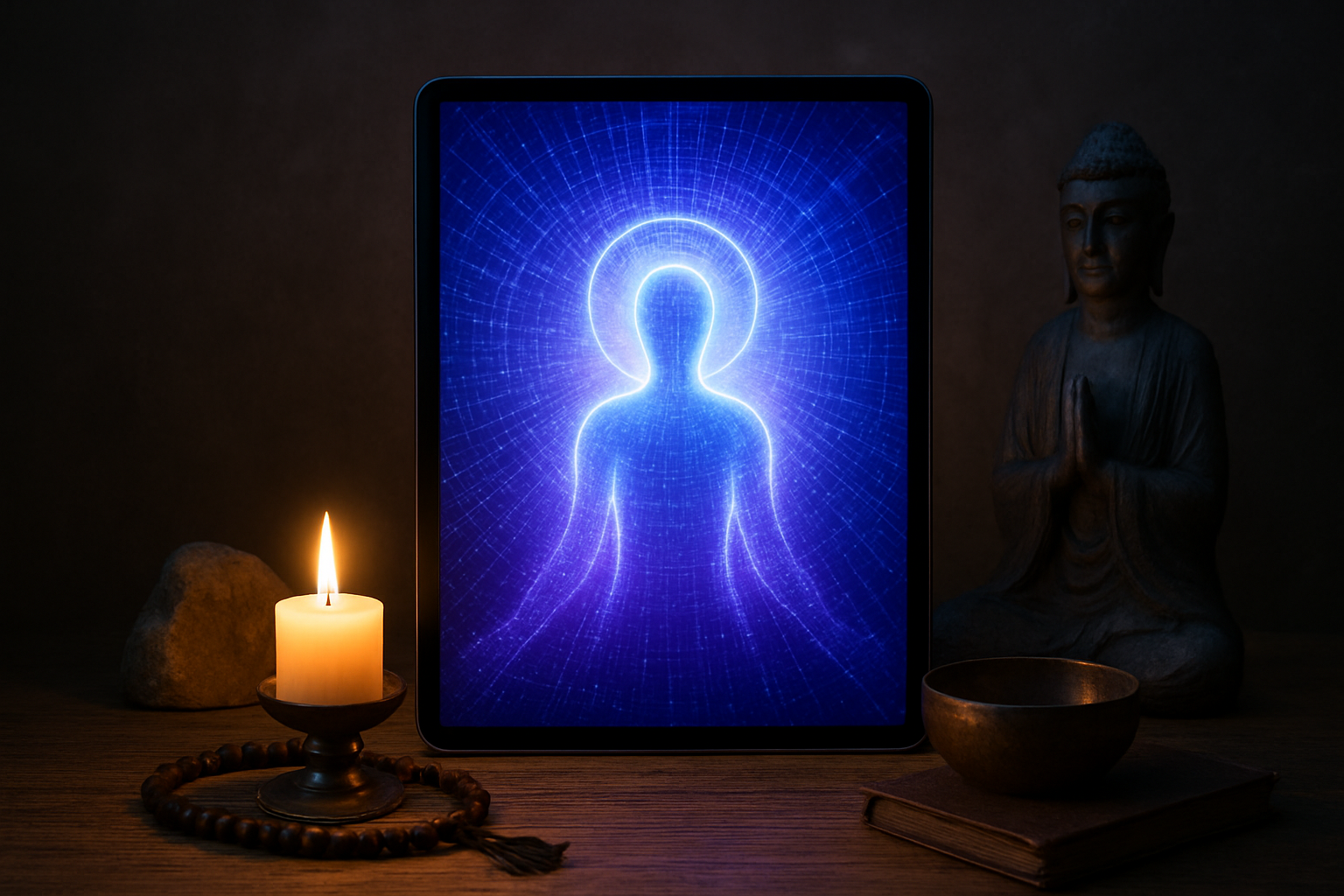
    With billions of people globally accessing the Internet, spiritual experiences are increasingly being sought out online. Meditation apps, digital religious communities, and virtual reality experiences offer new pathways to ancient practices.

    • Meditation Apps: Platforms such as Headspace and Calm guide users through personalized meditation sessions designed to reduce stress and enhance mindfulness.
    • Online Communities: Social media groups and forums serve as digital congregations, where individuals discuss beliefs, share practices, and support each other’s spiritual journeys.
    • Virtual Reality: Innovative use of VR technology allows practitioners to experience immersive environments, such as virtual temples and nature settings, which can enhance meditation and reflection.

    As David Gelles, a journalist covering mindfulness, notes,

    “Meditation in the age of smartphones is a testament to how seamlessly tradition and technology have woven themselves together.”

    This synergy between the old and the new underscores an evolving spirituality that embraces digital tools without losing connection to its roots.

    Challenges of Digital Spirituality

    Despite its growing popularity, digital spirituality faces significant challenges. Critics argue that digitizing spiritual practices risks losing the depth of experience traditionally cultivated in physical spaces and interpersonal connections.

    Sherry Turkle, a professor at MIT and author of “Reclaiming Conversation: The Power of Talk in a Digital Age,” highlights this concern:

    “The richness of our real-world interactions is irreplaceable, yet in their absence, digital interfaces offer a semblance of connection.”

    This perspective calls for a careful balance between leveraging technology and nurturing authentic, human-centered engagements.

    Advantages and Innovations

    The advantages of incorporating technology into spiritual practices are manifold. Accessibility is a key benefit, as digital platforms break down geographical and physical barriers, allowing spiritual seekers from diverse backgrounds to connect and learn. Additionally, data-driven insights offer personalized approaches to spirituality, helping individuals identify what practices resonate most with them through feedback and analytics.

    Organizations and startups are innovating at this intersection. For instance, Insight Timer combines community features with an extensive library of free meditations. Unlike traditional models, these platforms empower users with flexibility and choice, catering to diverse spiritual needs and preferences.

    The Future of Spirituality in a Digital World

    The intertwining of technology and spirituality is likely to deepen as digital tools continue to evolve. Emerging technologies such as artificial intelligence (AI) hold the potential to further enhance spiritual exploration by tailoring experiences to an individual’s unique needs and preferences.

    Religious institutions are also beginning to embrace digital transformation. During the COVID-19 pandemic, virtual services became commonplace, demonstrating the Church’s ability to adapt to changing circumstances. Moving forward, these hybrid models may become standard practice, offering both digital and physical means to participate in spiritual communities.

    Moreover, the digital age encourages a pluralistic approach to spirituality, where individuals are exposed to diverse religious and philosophical traditions, fostering a more inclusive global dialogue. As Benedictine monk and author David Steindl-Rast posits,

    “In the end, it is not religious affiliation or membership that matters, but encountering that is — no words.” This open, exploratory spirit is likely to characterize the future of spirituality amidst digital innovation.

    Conclusion

    The blend of spirituality and technology presents an opportunity to reinterpret age-old practices for modern contexts. While challenges persist, the potential for deeper, more widely accessible spiritual experiences is vast. The key lies in maintaining a mindful balance: utilizing technology to enhance, rather than replace, the human elements that remain integral to true spiritual understanding.

    As we navigate this merging of domains, the gravitational pull of spirituality promises to remain a vital force, one that guides our search for meaning amidst the pulsating algorithms of digital life.