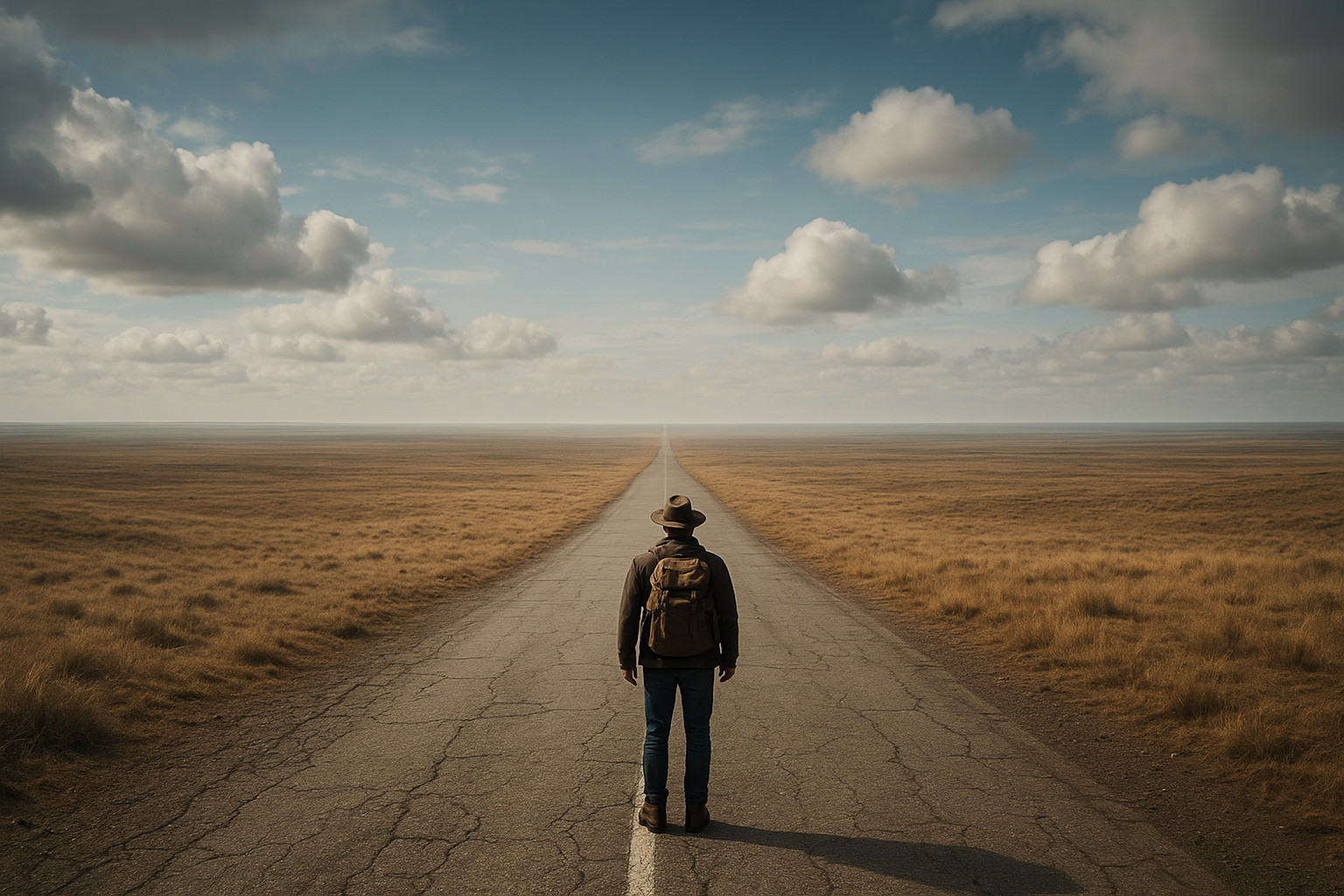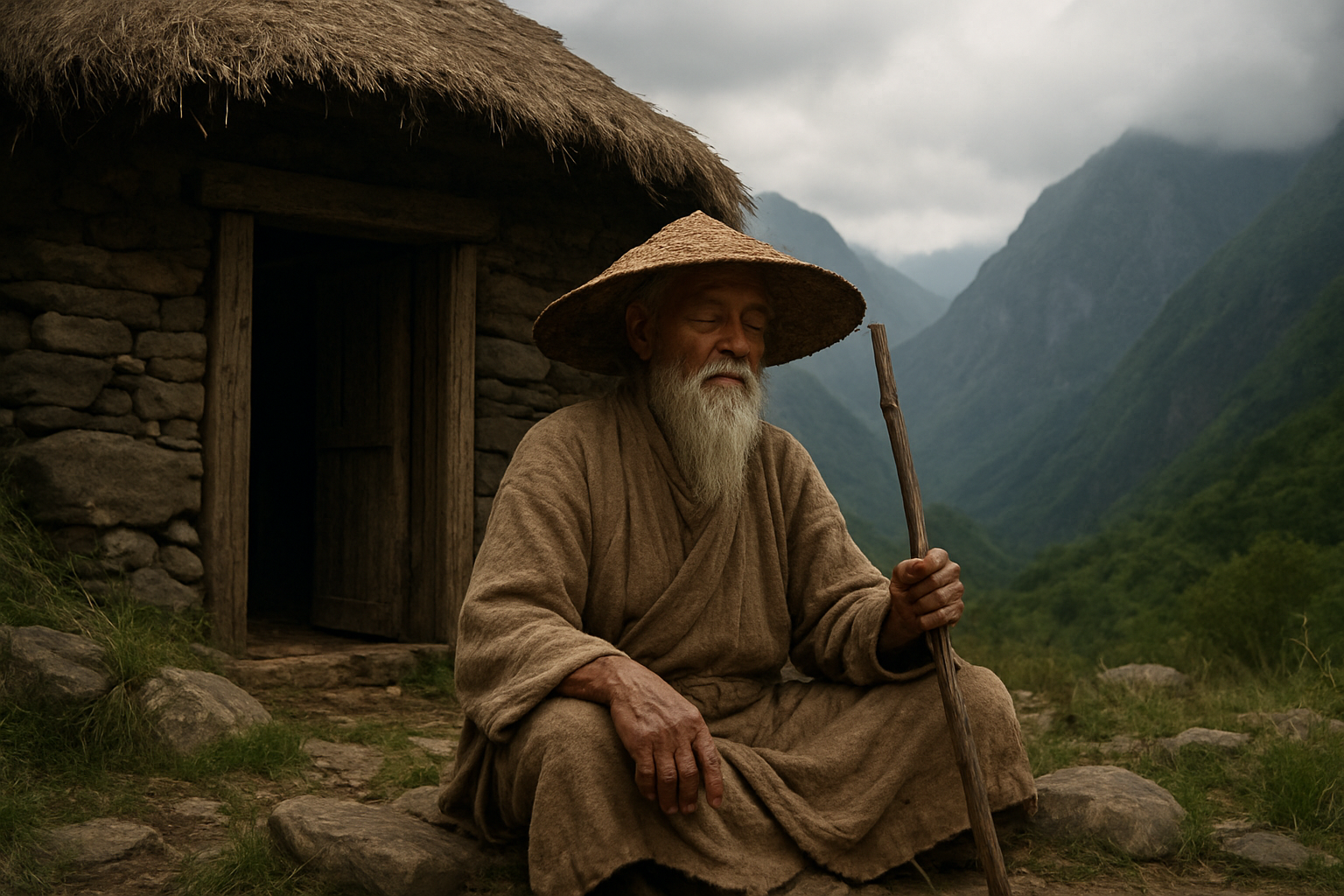
Tag: often

  • The Way Before Words – Exploring the Primordial Dao in Silence

    The Way Before Words – Exploring the Primordial Dao in Silence

    The Dao, often translated as “the Way,” is a concept that invites seekers into a dimension of stillness and undefined beginnings. Originating from ancient Chinese philosophy, the Dao is not bound by language, yet it is experienced in the profound silence that precedes words. This article explores the primordial Dao and its relationship with silence, offering insights into how this ancient concept can guide modern spiritual practice.

    Understanding the Dao

    The Dao De Jing, attributed to the sage Laozi, is one of the most revered texts on Daoism. It opens with a profound statement:

    “The Dao that can be told is not the eternal Dao; The name that can be named is not the eternal name.”

    This passage introduces us to the concept of the Dao as something that eludes linguistic capture. It suggests that true understanding of the Dao transcends the limitations of words and enters a realm of experiential insight.

    The Role of Silence in Daoism

    Silence in Daoism is not merely the absence of sound but a profound presence that allows the Dao to reveal itself. As one embraces silence, they move beyond mental chatter, entering a space where the Dao can be felt directly. Zhuangzi, another great Daoist philosopher, emphasizes the importance of aligning with the natural order through silence:

    “To a mind that is still the whole universe surrenders.”

    This alignment is not about controlling or manipulating the environment but rather understanding and harmonizing with it silently. In silence, practitioners can observe the ebb and flow of life without attachment, thus gaining profound wisdom.

    Benefits of Embracing Silence

    • Enhanced Clarity: Without the distractions of constant input, silence provides a space for clarity and focus. It enables individuals to process thoughts more thoroughly.
    • Deeper Connection: In silence, there is an opportunity to connect deeper with oneself and the surrounding world. This connection often reveals insights that are difficult to attain amidst noise.
    • Internal Peace: Silence is a refuge where peace can be cultivated. By retreating into quietude, the mind settles, reducing stress and anxiety.

    Practices for Experiencing the Primordial Dao in Silence

    To explore the primordial Dao, one doesn’t need elaborate rituals but rather a commitment to stillness and presence. Here are a few practices that can help tune into the authentic silence where the Dao dwells:

    • Meditation: Engaging in silent meditation helps to quiet the mind and create space for the Dao to emerge. Techniques such as mindful breathing or focusing on a particular point can be helpful.
    • Nature Walks: Walking in nature without speaking allows one to attune to the natural world, listening and observing without the interference of words.
    • Silent Retreats: Participating in a silent retreat provides a prolonged period to explore silence deeply. These retreats often help practitioners understand the nuances of their inner landscapes.

    Challenges and Misunderstandings

    Embracing silence isn’t without its challenges. In a world saturated with noise and information, the absence of sound can initially feel uncomfortable. It’s vital to understand that silence isn’t lonely but a space of communion with the self and the universe. Yasunari Kawabata eloquently captures this in his work:

    “In silence there is eloquence. Stop weaving and see how the pattern improves.”

    Another common misunderstanding is the belief that silence is a rigid absence of action. In reality, it is as dynamic as the Dao itself, offering insights through its stillness.

    Integrating Silence into Daily Life

    For many, the thought of integrating silence into a busy lifestyle may seem daunting. Yet, small, consistent practices can make a significant difference:

    • Morning Silence: Begin each day with a few minutes of silence to set a peaceful tone for the day.
    • Digital Detox: Allocate time away from devices and embrace electronic silence to find mental clarity.
    • Mindful Listening: In conversations, practice listening more and speaking less, allowing space for genuine dialogue to arise.

    Conclusion

    The exploration of the primordial Dao in silence is an invitation to step beyond the constraints of language and connect with an ancient wisdom that is both pervasive and elusive. Through silence, practitioners develop a deeper understanding of themselves and the universe, discovering that the Dao’s way often begins where words end.

    The journey of silence is not a destination but a continuous, ever-unfolding practice, transforming the way one perceives and interacts with the world.

  • The Nomad’s Koan

    The Nomad’s Koan

    The Nomad’s Koan: Understanding the Essence of a Wandering Life

    In a world that often values stability and permanence, the concept of a nomadic lifestyle can appear alien or even anachronistic. However, the endless wanderings of nomads hold a wisdom encapsulated in what could be termed “The Nomad’s Koan”—a philosophical puzzle that challenges the norms of settled life.

    “The journey itself is my home.” – Matsuo Basho

    Much like a traditional koan, a paradoxical anecdote or riddle often used in Zen Buddhism to demonstrate the inadequacy of logical reasoning, the nomadic way of life questions the conventional pursuit of rootedness and material accumulation. It invites us to reflect on the meaning of home and identity in a deeply interconnected world.

    Characteristics of the Nomadic Lifestyle

    • Fluidity and Movement: Nomads live by embracing change as the only constant, finding comfort not in places, but in movement itself.
    • Minimalism: Without the burden of excessive possessions, nomads often advocate for a minimalist lifestyle, focusing on the essentials that can be carried or easily transported.
    • Community and Connection: Moving from place to place fosters deeper connections with diverse cultures and people, enriching the nomad’s understanding of humanity.

    The Philosophical Underpinnings

    At its core, the nomadic lifestyle turns the traditional relationship between space and identity on its head. While settled societies often define identity through a connection to a particular place, nomads find identity through experiences and interactions across various locales. This cultural adaptability is captured well by Ralph Waldo Emerson, who said,

    “Do not go where the path may lead, go instead where there is no path and leave a trail.”

    Modern Relevance and Reflection

    In today’s world, where digital technologies allow remote work and global communication, the nomadic lifestyle is seeing a resurgence. Digital nomads represent a modern iteration, combining technology with the ancient tradition of wandering. According to National Geographic, “With the world’s borders being more porous than ever before, the rise of the nomad lifestyle signifies a desire for a richer, more expansive existence beyond the walls of an office or the confines of a single city.”

    Embracing the nomadic koan challenges us to consider the transient yet deeply fulfilling nature of what it means to be human. In embracing the journey, in being at home in many places, nomads encapsulate a profound truth: life is less about the destination and more about the tapestry of experiences along the way.

  • The Ecology of Karma

    The Ecology of Karma

    The concept of karma, often summarized as “what goes around, comes around,” is deeply rooted in various religious and philosophical traditions. Yet, beyond the spiritual sphere, karma’s principle resonates with the ecological frameworks of our planet—where actions have consequences that affect larger systems.

    The Web of Interconnection

    At its core, karma embodies the notion of interconnectedness, much like the ecological systems that sustain life on Earth. As environmentalist John Muir eloquently noted:

    “When we try to pick out anything by itself, we find it hitched to everything else in the Universe.”

    This sentiment mirrors the idea that no action is isolated; every deed can ripple across the web of life. In an ecological sense, a disruption in one part of an ecosystem can lead to unforeseen consequences elsewhere.

    Cause and Effect in Nature

    Consider the introduction of non-native species into an environment. Such an act often leads to significant changes in the ecosystem’s balance, highlighting the karmic cycle of cause and effect. The introduction of the cane toad in Australia serves as a poignant example. According to a study published in the journal Conservation Biology, the presence of this invasive species has dramatically impacted native wildlife, showcasing the ecological karma of human intervention.

    Sustainability: A Karmic Responsibility

    As humans, our actions are intricately linked to the well-being of the planet. The drive towards sustainability reflects an acknowledgment of our karmic responsibilities. By choosing renewable resources, reducing waste, and conserving biodiversity, we strive to create positive feedback loops within the Earth’s ecosystems.

    The paradox of karma in ecology is that while individual actions can contribute to degradation, they can equally foster regeneration. The rise of environmental movements and the increasing popularity of sustainable practices exemplify humanity’s capacity to rectify and transform. As environmental philosopher Aldo Leopold observed:

    “The land ethic simply enlarges the boundaries of the community to include soils, waters, plants, and animals, or collectively: the land.”

    Conclusion

    Understanding the ecology of karma encourages a holistic perspective on how our actions affect the world. Just as the natural world operates on principles of balance and reciprocity, so too does the moral universe. By aligning our actions with these principles, we contribute to a living legacy that honors the interdependence of all things.

    In fostering an ecological mindset of karma, we recognize that we are stewards of the Earth, empowered to nurture and sustain the intricate web of life for future generations.

  • Chi and the River

    Chi and the River

    Chi and the River: Exploring Spirituality and Connection Through Water

    The concept of Chi, also known as Qi, has been a fundamental part of Eastern philosophy and traditional medicine for centuries. Often described as the life force or vital energy that flows through all living things, Chi is integral to practices such as Tai Chi, Feng Shui, and various forms of Chinese medicine. In recent years, Western audiences have become increasingly fascinated by this concept, exploring its implications in various aspects of life, including the natural world. One of the most captivating analogies is seeing Chi mirrored in the flowing dynamics of a river.

    “Chi is the circulating life energy that in Chinese philosophy is thought to be inherent in all things. In traditional Chinese culture, it’s believed that disruptions to your Chi can result in illness and imbalance.” – Encyclopedia Britannica

    The River as a Metaphor for Chi

    Rivers are often used symbolically in literature and art to represent the flow of time, life’s journey, and the constant change inherent in our existence. In the study of Chi, these flowing waters serve as a poignant metaphor for how energy courses through our bodies and the universe at large:

    • Flow and Movement: Just as a river flows continuously, unhindered, so should the Chi within us. Any blockage in this flow can lead to disruptions, much like a dam causing a buildup of pressure in a river.
    • Interconnectedness: All rivers eventually reach an ocean, highlighting the interconnectedness of different parts of a larger system. This is akin to Chi, which connects us to the environment, others, and the cosmos.
    • Adaptability: A river adapts to its path, curving around obstacles, which symbolizes resilience and flexibility – key aspects when cultivating a balanced Chi.
    • Purification: The flow of a river often symbolizes purification, as the moving water cleanses itself and its banks. Similarly, practices that enhance Chi often include elements of cleansing and detoxification.

    Practices to Synchronize with River Chi

    Incorporating the essence of river-inspired Chi into daily life can be both a spiritual and physical journey. Here are a few practices commonly recommended:

    • Meditation by Water: Sitting by a stream or river and meditating can help synchronize one’s own energy with the natural flow of the water, promoting peace and mental clarity.
    • Tai Chi and Qigong: These exercises are designed to enhance Chi flow through slow, deliberate movements, often performed in natural settings to harmonize with the environment.
    • Breathing Techniques: Focused breathing exercises draw inspiration from the rhythmic flow of water, facilitating a seamless flow of energy within.
    • Visualization: Envisioning oneself as a river can mentally unblock emotional or physical obstacles, allowing energy to move freely.

    The Cultural Significance of Rivers

    In addition to its spiritual parallels, rivers have played critical roles in the development of civilizations around the world. Many great ancient cultures, such as those along the Nile, Tigris-Euphrates, and the Yellow River, flourished because of the resources and transportation benefits provided by these waterways.

    Each river, with its unique characteristics, tells a story. The Yangtze River, for example, is often referred to as the cradle of Chinese civilization and has long been integral to trade, agriculture, and cultural development in the region. Its representation in local folklore and art further underscores its cultural and spiritual significance.

    “The Yangtze River is not only a major waterway, but it is also an important thread in the historical and cultural narrative of China, linking towns through its banks and connecting communities over millennia.” – National Geographic

    Reflections on Chi and Nature

    Understanding Chi through the lens of natural elements like rivers provides a holistic perspective on the connection between humans and the environment. It emphasizes the importance of maintaining balance and harmony, drawing parallels between natural processes and human life.

    Practitioners of various disciplines affirm that by appreciating and emulating the flow of a river, individuals can enhance their own vitality and connectivity with the world around them. As we continue to explore the concept of Chi, it becomes clear that rivers offer profound insight into how we can live in balance and harmony with ourselves and our environment.

    For more information about Chi and its applications in daily life, check out resources such as The Qigong Institute.

  • The Silence Between Destinations

    The Silence Between Destinations

    As travelers in a bustling world brimming with noise and haste, we often overlook the profound significance of silence in our journeys. While the destinations often captivate our imaginations with promises of adventure, culture, and novelty, the silence between destinations offers its own kind of magic. This silence is not merely the absence of sound; it is a vital pause that breathes life into our experiences, a quiet intermission that connects the dots in our travel narratives.

    The Essence of Silence

    Silence is often misunderstood. It is not a void or simply the lack of noise. Instead, it is a space for reflection, contemplation, and connection to the self. According to a study by Psychology Today, silence can foster creativity and deep thought, allowing our minds to process experiences in a profound way. It is in these moments of stillness that we can truly hear the whispers of our own musings and insights.

    “Silence is a source of great strength.” — Lao Tzu

    The Journey as a Reflection

    Travel often involves transitions from one place to another—be it a plane, a train, or a long drive through open landscapes. These movements are the silent corridors of travel, offering a unique opportunity to indulge in contemplation. When we detach from the cacophony of designated tourist spots, we start to appreciate the transitions themselves as a journey—an inward pilgrimage. In these shared silences on the road, one can reflect on previous experiences, anticipate future ones, and live entirely in the present.

    Experiencing Silence in Nature

    Nature, in its untouched form, teaches us the true value of silence. The rustling of leaves, the gentle lapping of waves, the distant chirp of crickets—these sounds, although subtle, form a symphony of silence that can be incredibly restorative. The National Geographic highlights how the profound silence found in nature can be both healing and invigorating, reminding travelers that much of the world remains to be experienced beyond the chaos of human hubbub.

    “To the mind that is still, the whole universe surrenders.” — Lao Tzu

    Silence as a Cultural Experience

    Beyond the natural world, silence is deeply embedded in many cultural practices and rituals. In places like the serene temples of Kyoto or the tranquil gardens of an English countryside manor, silence is an integral part of the experience. When we embrace silence, we can appreciate the cultural nuances that cannot be conveyed through words. Participating in a Japanese tea ceremony or attending a Quaker meeting underscores the power of shared silence—allowing travelers to become one with the culture on a deeper level.

    • Temples and Sacred Spaces: These are not just about the spiritual; they are about a culture’s unspoken narratives.
    • Gardens and Nature Reserves: Often designed with the intent to be spaces of calm and quiet reflection, allowing visitors to connect with themselves.

    The Modern Traveler’s Noise

    In today’s digital age, the constant influx of information and noise can often be overwhelming. Our devices, while serving as invaluable travel tools, can also tether us to a continuous drone of notifications and distractions. Learning to embrace silence involves disconnecting from these digital noises, even if temporarily. In doing so, we allow for the synthesis of experiences without the constant interference of external stimuli.

    Embracing the Silence Between

    How, then, can we embrace this silence effectively? Here are a few steps:

    • Mindful Traveling: Engage completely in the journey. Listen to the quiet. Notice the space between the sounds.
    • Unplug: Designate specific times when technology is set aside. Allow your mind to wander without interruptions.
    • Observe: Take note of your surroundings, the subtle changes in the environment as you move from one destination to the next.
    • Journal: Use these quiet times to jot down thoughts, memories, and reflections, turning the silence into an eloquent narrative.

    Conclusion

    The silence between destinations is not a mere pause in travel, but a canvas on which we paint our experiences and thoughts. As Pythagoras aptly noted, “Silence is better than unmeaning words.” It is within this silence that we often find the most meaning, the most profound insights, and the deepest connections to ourselves and the world. Embrace the silence, for within it lies the true essence of travel.

    Ultimately, the destinations may enrich us with their history, culture, and beauty, but it is in the silence of the journey that we often find our truest selves.

  • The Tree as Guru

    The Tree as Guru

    The Tree as Guru: Nature’s Silent Teacher

    In a world that races towards technological advancement at an unprecedented pace, the soul can often feel neglected. Amid the noise, there exists a universal guide that has been inadvertently overlooked: the tree. For centuries, the tree has served as a profound symbol and teacher, silently imparting wisdom to those willing to listen.

    The Tree: A Universal Symbol

    Trees have always held a venerable position in human history and culture. Across various religions and philosophies, trees symbolize knowledge, growth, and resilience. Consider the Bodhi Tree under which Siddhartha Gautama, the future Buddha, attained enlightenment. It is a powerful emblem of awakening and spiritual nourishment.

    In Norse mythology, Yggdrasil is the cosmic tree that connects the nine worlds, portraying the interconnectivity of the universe. Similarly, the ancient Celts revered trees as sacred beings, crucial to both their daily lives and spiritual practices.

    Lessons in Patience and Persistence

    Trees are paragons of patience and persistence. In their steady growth over decades, sometimes centuries, they teach the value of long-term vision and resilience. As the author Ralph Waldo Emerson once said, “Adopt the pace of nature: her secret is patience.”

    A sapling may take many years before it reaches maturity, often enduring harsh weather, disease, and human disturbance. Yet, despite adversities, it continues reaching upwards towards the light. This resilience invites us to ponder our own struggles and the patience required to overcome them.

    The Cycle of Renewal

    One of the most inspiring teachings of trees is their ability to adapt and renew. The cycle of shedding leaves each autumn and budding anew in spring exemplifies transformation and resilience. This annual cycle reflects the natural process of letting go and renewal, crucial for personal growth.

    As the poet Rainer Maria Rilke beautifully noted, “If we surrendered to earth’s intelligence, we could rise up rooted, like trees.”

    This eloquent line prompts us to trust and embrace the seasons of our own lives, knowing that with each ending, a new beginning awaits.

    The Wisdom of Community

    Trees also teach us about the richness of community. Below the surface, trees communicate via a complex network of roots and fungal mycelium, often referred to as the Wood Wide Web. This network allows trees to share nutrients, aid one another, and even warn of potential dangers.

    According to a New York Times article, this interconnectedness highlights the inherent communal nature of trees, reminding us of the strength found in supporting and relying on each other.

    Environmental Guardianship

    Besides their metaphorical teachings, trees play a crucial role in sustaining life. They provide oxygen, sequester carbon, and regulate the climate, underscoring the essential balance of giving and receiving inherent in all natural systems. Trees serve as a vital reminder of our responsibility to protect the environment, echoing the urgent need for sustainable living practices.

    Spiritual Reflection

    Lastly, trees invite us to engage in spiritual reflection. Standing in the midst of a forest, one can feel a profound sense of peace and interconnectedness. This serenity offers an opportunity for introspection, allowing individuals to find clarity away from the chaos of daily life. John Muir, a renowned naturalist, once professed, “In every walk with nature one receives far more than he seeks.”

    “When one tugs at a single thing in nature, he finds it attached to the rest of the world,” wrote Muir, emphasizing the spiritual and physical unity of nature.

    Conclusion

    Whether considered as metaphorical teachers or critical components of ecological systems, trees stand as stoic mentors in the modern age. By observing their patience, adaptability, and communal support, we can unearth timeless wisdom that deeply resonates with both our inner and outer worlds.

    Embracing trees as gurus compels us to live more intentionally, harmoniously, and sustainably. As you walk past a tree today, pause, reflect, and perhaps consider the silent teachings it has to offer.

  • Eco-Karma: Actions That Heal the Earth

    Eco-Karma: Actions That Heal the Earth

    Eco-Karma: Actions That Heal the Earth

    Eco-Karma: Actions That Heal the Earth

    In an age where environmental conservation is no longer a choice but a necessity, individuals are seeking out ways to offset their carbon footprint and restore balance to our planet. This movement, often termed as Eco-Karma, emphasizes the power of collective action in healing the Earth through sustainable practices.

    The Power of Individual Actions

    While the challenges of climate change can seem daunting, change often begins with a single step. Here are some practical actions individuals can take:

    • Reduce, Reuse, Recycle: This age-old mantra is still relevant. By minimizing waste and opting to recycle, we significantly reduce our carbon emissions and conserve natural resources.
    • Support Renewable Energy: Switching to renewable energy sources like solar or wind can have profound impacts on reducing carbon footprints. According to the International Energy Agency, renewable energy is the fastest-growing energy source globally.
    • Plant Trees: Trees absorb carbon dioxide and release oxygen, acting as natural air purifiers. Initiatives such as the National Forest Foundation aim to plant millions of trees every year.
    • Conscious Consumerism: Supporting eco-friendly brands that prioritize sustainability can drive industries towards greener practices.

    Community and Global Initiatives

    While individual efforts are crucial, community and global collaborations amplify the impact:

    • Community Clean-ups: Organizing or participating in local clean-ups helps maintain local ecosystems and fosters a sense of community.
    • Advocacy and Education: Educating others and advocating for policy changes encourages broader societal shifts. Initiatives like the 350.org campaign aim to reduce carbon emissions by advocating for significant political action.
    • Support Indigenous Practices: Indigenous communities often have sustainable environmental practices that have been honed over centuries. Supporting and learning from them can offer valuable insights and strategies for preserving the natural world.

    “True change requires a united effort of both small-scale individual actions and large-scale policy changes. It’s the synergy between these efforts that can create lasting impact.” – Nature, 2019

    By participating in Eco-Karma, we not only contribute to environmental healing but also set a precedent for future generations. As each action ripples outward, it transforms the environmental landscape, ultimately healing our Earth one step at a time.

  • Walking the Invisible Path

    Walking the Invisible Path

    In the vast realms of fantasy literature and myth, the concept of an invisible path has captured the imaginations of storytellers and audiences alike. This ethereal journey is often more about inner discovery and growth than the physical progression of steps. Just as much a metaphorical journey as a physical one, the invisible path represents a profound quest for truth, enlightenment, and purpose.

    “It is not in the stars to hold our destiny but in ourselves,” William Shakespeare once remarked, highlighting the intrinsic voyage of the self, a central theme to the invisible path.

    The Allure of the Invisible Path

    The idea of traversing an unseen route is appealing because it implies a venture into the unknown, promising a transformation of one’s perspective or sense of self. It offers a narrative ripe with mystery and the potential for discovering hidden truths. This concept is seen across many cultures and literary traditions, often symbolizing the transition from ignorance to enlightenment.

    • Mythological Roots: Many cultures include tales of hidden paths. In Japanese mythology, the Kami or spirits live unseen among humans, often approached through paths known only to the wise.
    • Literary Exploration: Authors like C.S. Lewis in his Chronicles of Narnia series, explore these paths to great effect. The wardrobe in The Lion, the Witch and the Wardrobe serves as an invisible portal to another world.
    • Philosophical Undertones: Such paths are frequently used as symbols for philosophical introspection and spiritual teachings, as seen in works like Hermann Hesse’s Siddhartha.

    Symbolism in the Unseen

    The invisible path is rich with symbolism, often acting as a metaphor for events or stages of life that are not immediately apparent but have a profound effect on our being. Such paths teach us that real change often occurs internally before it is manifested externally, a concept echoed in many spiritual teachings.

    “Not all those who wander are lost,” J.R.R. Tolkien famously wrote in The Lord of the Rings, implying that even paths that aren’t clearly visible lead to discovery and meaning.

    Historical Perspectives

    History is filled with stories of individuals and cultures who have embarked on journeys both physical and spiritual through invisible paths. These journeys often require them to seek knowledge beyond what is seen, to venture into realms of understanding not easily accessible.

    • Spiritual Pilgrimages: Many ancient traditions have paths that are both literal journeys and moral guidelines, such as the routes to sacred sites in pilgrimages.
    • Vision Quests: Native American tribes practice vision quests, where young individuals embark on a solitary journey to seek guidance and knowledge, often traversing unseen spiritual paths.
    • The Alchemist’s Journey: In Paulo Coelho’s The Alchemist, the protagonist Santiago follows a path defined by dreams and omens, illustrating the invisible journey toward one’s ‘Personal Legend’.

    The Invisible Path in Modern Context

    In today’s world, the concept of the invisible path may seem anachronistic, but it remains relevant, especially in personal development and self-discovery. Modern life offers countless invisible paths of its own, often in the form of choices that lead to unexpected growth and opportunities.

    • Career Paths: In the professional world, individuals often find themselves on careers paths that are not linear but invisibly winding, leading to innovations and breakthroughs.
    • Personal Growth: The journey of personal growth is deeply intertwined with the invisible path, as individuals often seek growth and betterment in ways that are not immediately visible to others.
    • Spiritual Growth: Many people engage in meditation and mindfulness practices to navigate their own invisible paths toward spiritual awakening.

    Conclusion

    The allure of the invisible path lies in its universality and deep roots in human culture and consciousness. It symbolizes both the journey and the mystery of life itself. As we move through the myriad experiences that define our existence, the invisible paths we choose determine the tapestry of our lives, guiding us toward unknown possibilities and inner transformations.

    In embracing the path that cannot be seen or easily understood, we embrace the potential within ourselves to change, to grow, and ultimately to find our place in the world. The invisible path is not just a route—it’s a life’s journey, full of wonder and discovery.

  • Sacred Geographies

    Sacred Geographies

    Sacred Geographies: Mapping the Spiritual Terrain

    Throughout history, humans have imbued certain places with profound spiritual significance. These sacred geographies are often seen as bridges between the earthly and the divine, holding cultural, spiritual, and sometimes even political importance. But what defines a sacred geography, and why do these places hold such sway over human consciousness?

    Defining Sacred Geographies

    Sacred geographies are locations that communities regard as holy or spiritually significant. These can include natural formations, such as mountains, rivers, and forests, as well as man-made structures like temples, shrines, and altars. The sacredness of these sites often stems from religious beliefs, historical events, or the presence of natural beauty that inspires awe and reverence.

    • Mount Kailash: Situated in Tibet, Mount Kailash is considered sacred in Hinduism, Buddhism, Jainism, and Bon. It is believed to be the abode of Lord Shiva, and pilgrims undertake arduous journeys to circumambulate the mountain.
    • Uluru: In the heart of Australia, Uluru is a massive sandstone monolith sacred to the Anangu people. Known for its stunning natural beauty, it is a place of deep spiritual significance and is associated with numerous creation stories.
    • Vatican City: As the epicenter of the Roman Catholic Church, Vatican City is a spiritual hub for millions of Catholics worldwide. It’s home to St. Peter’s Basilica, the Sistine Chapel, and the Pope.

    The Role of Sacred Geographies

    Sacred geographies serve various roles in society, from fostering spiritual growth and community cohesion to providing a sense of identity and continuity. As Joseph Campbell once said, “Your sacred space is where you can find yourself over and over again.” [Source]

    For indigenous communities, these sacred sites are often integral to their cultural heritage and spiritual practices. They are places where ancestors are honored, and traditional knowledge is passed down through generations. In many cases, the protection of these sites is crucial for the preservation of cultural identity.

    Challenges and Conservation

    Despite their importance, sacred geographies face numerous challenges, including environmental degradation, tourism pressures, and geopolitical conflicts. Preserving these sites requires a delicate balance between accessibility and conservation. Efforts are often made to involve local communities in conservation initiatives to ensure that these sacred places remain protected for future generations.

    “The world is full of places that possess an energy and atmosphere that demands our respect and reverence.” – John O’Donohue

    In conclusion, sacred geographies are more than just physical locations; they are integral to the human experience, offering a space for reflection, connection, and transcendence. By respecting and preserving these spaces, we honor the intricate tapestry of beliefs and traditions that shape our world.