Tag: often

  • The Lie of Pure Objectivity – Why myth never pretended to be neutral

    The Lie of Pure Objectivity – Why myth never pretended to be neutral

    In the modern world, where data reigns supreme, the idea of pure objectivity is often considered the holy grail of understanding. Whether in science, journalism, or everyday decision-making, objectivity is hailed as the path to truth. Yet, this pursuit of pure objectivity is a myth itself, for objectivity does not exist in a vacuum; it is laced with subjectivity and bias, often disguised as neutrality.

    The Origins of Objectivity

    Objectivity, as we understand it today, emerged in the 19th century alongside the development of professional journalism and scientific inquiry. According to Wikipedia, journalistic objectivity is founded upon the principles of fairness, neutrality, and the absence of bias. However, many argue that true objectivity is unattainable because all information is inevitably filtered through personal, cultural, and historical lenses.

    Renowned media scholar Jay Rosen highlights this point, stating:

    “Objectivity is a trust mechanism erected by journalists to align with the anxious expectations of an audience that wants to know if the game is clean.”

    This quote emphasizes how objectivity is often more about appeasing the audience than genuinely presenting unbiased information.

    The Myth of Neutrality

    Myths have existed throughout history, serving as vehicles of cultural expression. They never claimed objectivity; instead, they are imbued with the values, beliefs, and experiences of the cultures that created them. As scholar Northrop Frye wrote, myths provide a narrative structure to the human experience, often blending fact with fiction to convey deeper truths.

    The divine tales of ancient Greeks, the epic poems of Norse sagas, and the intricate stories of Indigenous cultures are all examples of myths that embrace subjectivity to express cultural truths. These narratives acknowledge their biases and perspectives, offering wisdom rather than factual accuracy.

    The Infiltration of Bias

    • Confirmation Bias: Individuals tend to favor information that confirms their pre-existing beliefs. In media and science, this bias can skew the objectivity, as researchers and journalists may subconsciously select information that corroborates their views.
    • Cultural Bias: Every culture interprets the world through its unique framework of beliefs and practices. What is deemed objective in one culture may not hold the same status in another.
    • Linguistic Bias: The language used to convey information can subtly influence audience perception, even when attempts to remain neutral are made. The words chosen to describe an event or phenomenon can carry connotations that impact objectivity.

    Embracing Subjectivity for Greater Truth

    Instead of striving for an impossible ideal, embracing subjectivity may lead to a richer understanding of the world. Acknowledging biases can enhance transparency and foster a more critical evaluation of information. Scholars like Thomas Nagel argue that diverse perspectives contribute to a fuller picture, stating:

    “The pursuit of objectivity is both impossible and undesirable, for it is through the subjective that we access and appreciate the objective world.”

    In journalism, for example, recognizing the subjectivity of storytelling can allow for more nuanced reporting. Advocacy journalism, which openly acknowledges its biases, often provides deeper insights into complex social issues, challenging the status quo and sparking dialogue.

    The Path Forward

    As we advance further into the age of information, the lie of pure objectivity becomes clearer. Like myths of old, our narratives today are intertwined with subjectivity. By valuing transparency and acknowledging our biases, we can move beyond the confines of supposed neutrality and achieve a more comprehensive understanding of the world.

    Thus, the myth of objectivity transforms into an opportunity to embrace multicultural, multifaceted perspectives. This approach not only enriches our intellectual landscape but also fosters empathy and tolerance, connecting us across the diverse tapestry of human experience.

  • The Silent Conversation: The Relationship Between Viewer and Art

    The Silent Conversation: The Relationship Between Viewer and Art

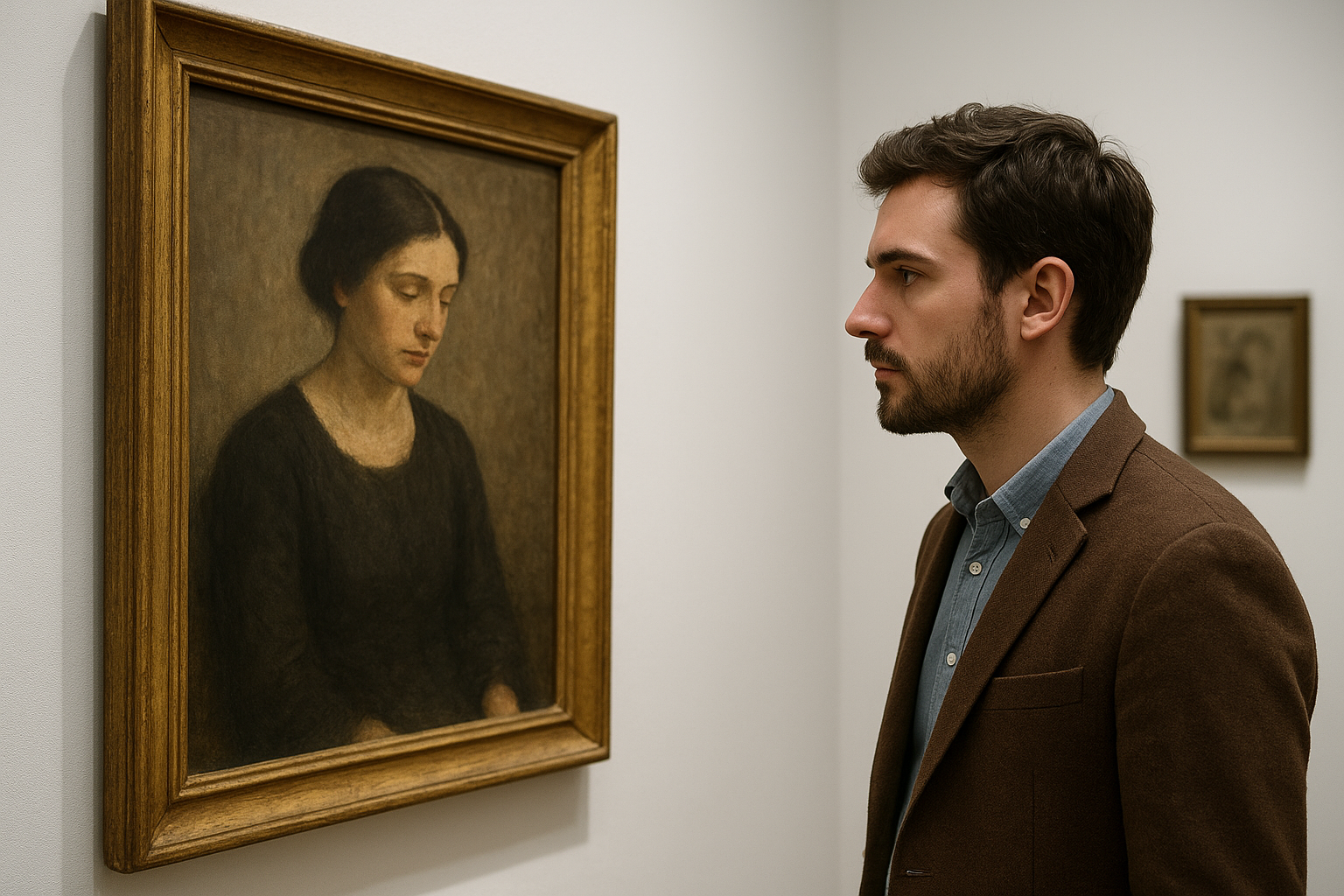
    The enduring connection between viewer and art is a silent conversation, a dialogue without words that transcends time and space. This relationship is not merely an emotional journey but a transformative experience that offers profound insights into the human condition. As Vincent van Gogh aptly stated, “I am seeking, I am striving, I am in it with all my heart.” This sentiment encapsulates the immersive experience that art invites a viewer into—a search for meaning, beauty, and truth.

    The Historical Context

    Since the dawn of civilization, art has been a medium for expressing human experiences and emotions. From the cave paintings of Lascaux to the grandeur of the Renaissance, art has served both as personal reflection and societal commentary. Each piece, a mirror, reflects the time and culture from which it springs, yet it also reaches forward to speak to future generations. The Metropolitan Museum of Art describes this journey through history as a continuous narrative that connects humanity.

    The Viewer’s Role

    A viewer stands before a piece of art not as a passive observer but as an active participant. In the words of Marcel Duchamp, “The viewer completes the work of art.” This interaction brings art to life and breathes meaning into its form. The viewer’s perceptions, emotions, and experiences meld with the artist’s intentions, creating a unique interpretation.

    • Emotional Response: The initial impact of a piece of art often triggers an emotional reaction. This can range from joy, sadness, or tranquility to confusion or even discomfort, each valid and reflective of the viewer’s personal narrative.
    • Analytical Engagement: Beyond emotional response, viewers often engage with art on an intellectual level, seeking to understand the techniques, mediums, and historical context employed by the artist.
    • Reflective Interaction: Finally, art often prompts introspection, allowing viewers to reflect on their own lives and the broader human experience.

    The Artist’s Intention vs. Viewer Interpretation

    The relationship between artist intent and viewer interpretation is complex and often varies widely. While artists may imbue their work with specific meanings or messages, these are not always directly transferrable to viewers. This discrepancy opens the door for personal interpretations that can be as diverse as the viewers themselves.

    “What is art but a way of seeing?” – Saul Bellow

    This quote from Saul Bellow encapsulates the subjective nature of art appreciation. As the viewer engages with the piece, they apply their own framework of understanding, informed by their life experiences and cultural background.

    Case Study: The Silent Conversation in Modern Art

    Modern art often exemplifies the silent conversation between viewer and art through its break from traditional forms and narratives. Artists like Jackson Pollock and Mark Rothko create pieces that defy conventional interpretation, demanding viewer engagement for meaning to emerge.

    • Jackson Pollock: Known for his technique of drip painting, Pollock’s work invites viewers to step into a realm of chaos and creation. The seemingly random patterns force an active engagement, asking audiences to find order or narrative within the chaos.
    • Mark Rothko: Rothko’s expansive color fields are less about depiction and more about eliciting emotional states. Viewers often find themselves enveloped in the contemplative silence of his paintings, encouraging a personal dialogue with the work.

    The Silent Conversation in Different Art Forms

    While paintings and sculptures offer palpable interactions, other art forms such as music, theater, and digital art also engage viewers in unique conversations.

    • Music: Like visual art, music facilitates a deep emotional and psychological engagement. Tracks and symphonies narrate stories without words, allowing listeners to conjure images and feelings in response to rhythms and melodies.
    • Theater: This live art form creates an immediate dialogue between performers and audience, with each performance adding new dimensions to the storyline, colored by audience interaction.
    • Digital Art: In our digital era, new art forms challenge traditional viewer perceptions. Interactive and virtual reality art installations invite viewers to become part of the artwork, actively shaping their experiences.

    Conclusion

    Whether confronting the haunting eyes of Frida Kahlo’s self-portraits or the serene landscapes of Claude Monet, viewers engage in a silent conversation with art—a dialogue that transcends generations. This relationship is dynamic, shaped by the ever-changing perspectives each viewer brings. Much like life itself, the conversation with art is ongoing and evolving, tapping into our innate human desire for expression and connection.

    As we continue to engage with art, let us embrace Pablo Picasso’s insight: “Art washes away from the soul the dust of everyday life.” In this ever-changing dialogue, we find solace, challenge, and ultimately, a deeper understanding of ourselves and the world around us. Thus, the silent conversation continues, inviting us to explore, question, and reflect on the infinite canvases of human experience.

  • Capturing the Unspeakable: Photography of Trauma and Healing

    Capturing the Unspeakable: Photography of Trauma and Healing

    Photography has long been a powerful medium for capturing the spectrum of human experience. Among its most profound roles is in depicting trauma and subsequent healing, offering both an outlet for expression and a tool for raising awareness. In arenas marked by conflict, personal loss, or collective suffering, photography provides a lens through which the unspeakable becomes tangible and ultimately, perhaps, a prompt for healing.

    The Power of Visual Testimony

    Photographs have the unique ability to tell stories that transcend language barriers, often communicating emotions too deep for words. They serve as visual testimonies that preserve and honor the pain of those who have endured devastation. Susan Sontag in her seminal work On Photography wrote, “Photographs are a way of imprisoning reality… One can’t possess reality, one can possess images—one can’t possess the present but one can possess the past.” This encapsulates how photography can capture moments of trauma that demand recognition and remembrance (New York Times).

    Fostering Empathy and Connection

    Images of trauma often evoke strong emotional responses, invoking empathy and spurring action. Photographers such as James Nachtwey, known for documenting war and famine, or Lynsey Addario, capturing the nuances of life in conflict zones, have used their craft to bridge gaps between disparate worlds. By bringing viewers face-to-face with the stark realities of suffering, these images can foster a sense of global empathy and urgency for change.

    Photography as a Healing Process

    Beyond raising awareness, photography can be an instrumental part of the healing process for both subjects and photographers themselves. Creating art from personal distress allows individuals to explore and perhaps transform their experiences of pain. In trauma therapy, the use of photography can help individuals process their narratives, creating a visual diary of recovery.

    “Photography opened my eyes, it healed me, it grounded me,” says Sheila Pree Bright, an acclaimed photographer whose work addresses identity and social injustices. Her projects often focus on underrepresented voices, providing platforms for stories that might otherwise remain untold.

    A Call for Ethical Engagement

    However, documenting trauma through photography comes with ethical considerations. Photographers must navigate the fine line between storytelling and exploitation, ensuring that dignity and context are prioritized over sensationalism. Ethically engaged photography demands respect for subjects’ stories and agency, aiming to empower them rather than reduce them to mere objects of spectacle.

    In conclusion, while photography of trauma and healing must be approached with sensitivity and ethical mindfulness, its impact in bearing witness to suffering and promoting empathy cannot be understated. Ultimately, these images foster a shared humanity, prompting viewers to recognize and act upon the often unspoken sufferings of our world.

  • The Ecstasy of Error: Embracing Imperfection in Performance

    The Ecstasy of Error: Embracing Imperfection in Performance

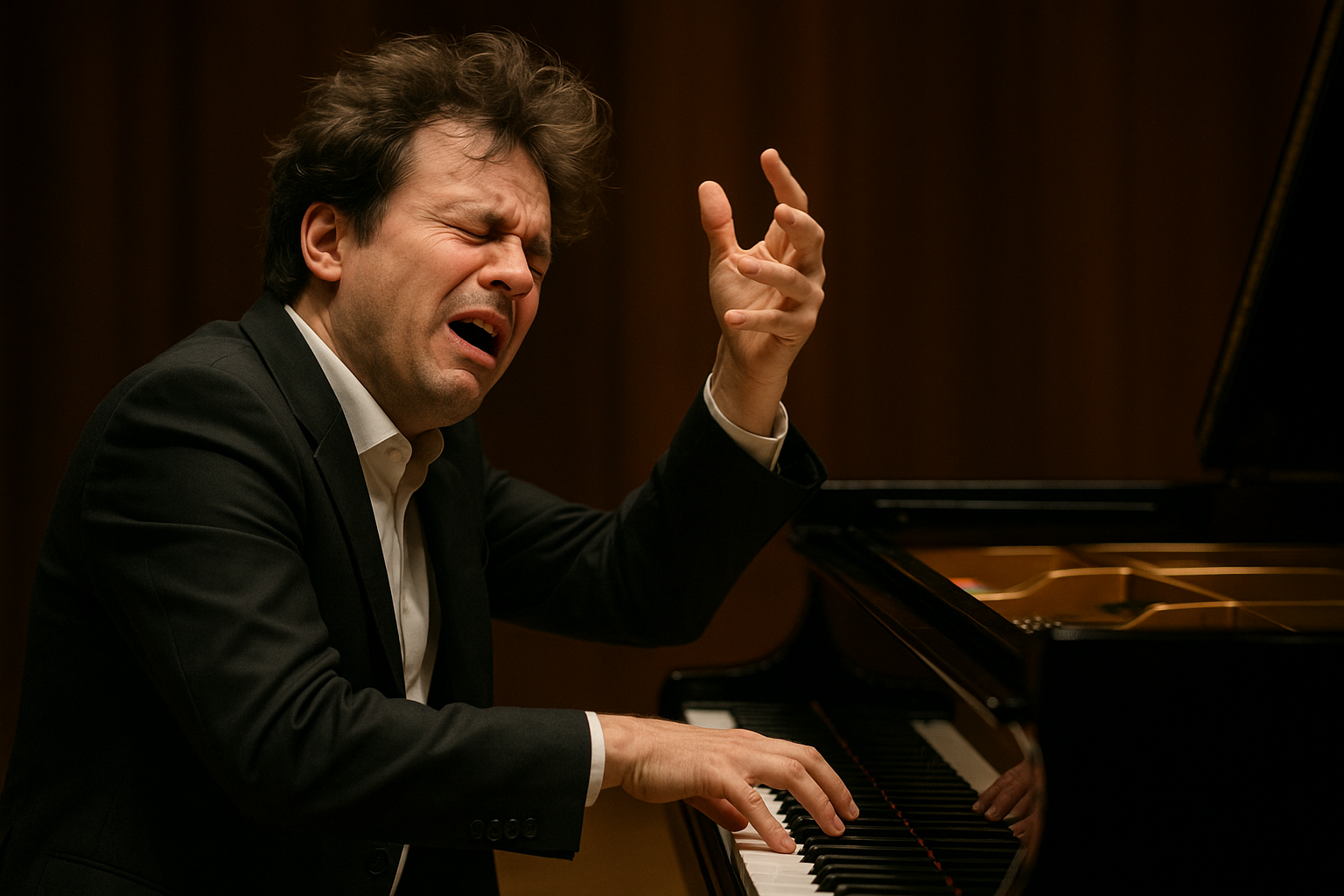
    In the fast-paced world of performance, whether on stage, in sports arenas, or in corporate boardrooms, the pursuit of perfection often takes center stage. Yet, a growing chorus of voices is beginning to recognize the value of imperfection as a critical component of authentic and compelling performances. The ecstasy of error, a concept that celebrates mistakes as learning opportunities and catalysts for creativity, invites performers and audiences alike to redefine success and embrace the unexpected.

    The Beauty of Imperfection

    Throughout history, artists and thinkers have recognized the beauty inherent in imperfection. The Japanese concept of wabi-sabi venerates simplicity and the beauty of things incomplete or imperfect. As author Richard Powell puts it, “Wabi-sabi nurtures all that is authentic by acknowledging three simple realities: nothing lasts, nothing is finished, and nothing is perfect.”

    This philosophy is particularly pertinent in performances where spontaneity and human error inject authenticity and relatable vulnerability. Consider the timeless appeal of live music. Every concert is an opportunity for musicians to reinterpret their own work, perhaps hitting a wrong note or missing a cue, adding a unique, ephemeral quality to each performance. It is these imperfections that often render a performance memorable and genuine.

    The Science Behind the Mistake

    From a psychological standpoint, the fear of making mistakes is deeply ingrained in many of us. However, research suggests that making errors can actually stimulate learning processes. According to a study published in the Journal of Experimental Psychology, mistakes activate brain regions associated with learning and memory, suggesting that error-making is essential for growth and skill acquisition (APA Journal).

    “An error is not a stepping stone to a decision; it is a decision in itself,” states psychologist James Reason, emphasizing the reflective potential of errors.

    The performance arts are replete with examples of how mistakes lead to unexpected creative breakthroughs. Choreographer Crystal Pite advises her dancers to “keep your mistakes as gifts,” transforming potential missteps into new creative avenues.

    Case Studies in Error-Driven Innovation

    • Live Theatre: In the realm of live theatre, actors are trained to adapt to unforeseen circumstances such as forgotten lines or technical malfunctions. These improvisations often enrich performances, enchanting the audience with spontaneous comedy or drama that might be absent in a flawless rendition.
    • Sports: Athletes like Michael Jordan have achieved greatness by learning from their failures. In his own words, “I’ve missed more than 9,000 shots in my career. I’ve lost almost 300 games. 26 times, I’ve been trusted to take the game-winning shot and

  • The Architecture of Awe: Finding the Sacred in Modern Design

    The Architecture of Awe: Finding the Sacred in Modern Design

    Modern architecture often seems more concerned with functionality and aesthetic appeal than with instilling a sense of the sacred. Yet, as we navigate the bustling streets of our contemporary cities, an unexpected blend of simplicity and grandeur can inspire feelings of awe and transcendence. The sacred, it seems, has not been entirely eclipsed by concrete and glass.

    The Concept of Sacred Space

    The idea of sacred space transcends physical structures, acting as a bridge between the human and the divine. As architect Louis Kahn once said, “A great building must begin with the unmeasurable, must go through measurable means when it is being designed and in the end must be unmeasurable.” (Source) This echoes the notion that architecture can evoke spirituality without needing to be overtly religious.

    Elements That Evoke Sacredness

    • Light and Shadow: The play of light within a structure can create an ethereal atmosphere. Architect Tadao Ando often incorporates natural light in his designs, turning concrete spaces into dynamic encounters with luminosity.
    • Minimalism: By stripping away the superfluous, minimalist design offers clarity and focus, allowing individuals to feel a deeper connection to the present moment. As Ando notes, “We borrow from nature the space upon which we build.” This borrowing invites a perspective of reverence and mindfulness.
    • Scale and Proportion: Vast open spaces can prompt reflection and introspection, fostering a sense of humility and a connection to something larger than oneself.

    Case Studies: Modern Sacred Architecture

    Several architects have masterfully infused modern architecture with a sense of the sacred:

    • The Church of Light: Designed by Tadao Ando in Osaka, Japan, this structure uses a cruciform aperture to create a profound interplay of light and darkness, encouraging contemplation.
    • Ronchamp Chapel: Designed by Le Corbusier in France, this chapel reimagines traditional religious architecture. Its bold forms and unconventional use of space invite spiritual reflection.

    The Impact of Sacred Architecture

    In a world where materialism often overshadows spirituality, sacred architecture offers a refuge—a place where the mundane meets the miraculous. As poet John O’Donohue writes, “The human soul is hungry for beauty; we seek it everywhere—in landscape, music, art, clothing, furniture, gardening, companionship, love, religion, and in ourselves.” (Source)

    Through a sensitive blend of light, space, and form, modern architecture can transcend its earthly confines, offering a sacred encounter. Thus, even amidst the hustle and bustle of modern life, these spaces provide an oasis of tranquility, a testament to the undying human yearning for the divine.

  • The Score of the Soul: The Emotional Weight of New Composers

    The Score of the Soul: The Emotional Weight of New Composers

    Music has long been the tongue of the soul, communicating emotions that words often fail to express. As we step further into the 21st century, emerging composers are weaving new tapestries of sound, each thread echoing with the emotional weight of contemporary existence. These modern maestros are not only reshaping the musical landscape but also redefining how we understand the emotional tenor of our times.

    A New Wave of Expression

    The evolution of composition in recent decades has been marked by unprecedented shifts in thematic focus and stylistic innovation. Young composers are drawing from a well of influences, integrating classical traditions with contemporary sensibilities. This blend of old and new forms a rich spectrum of emotional resonance that speaks to today’s diversely connected audiences.

    “Music expresses that which cannot be said and on which it is impossible to be silent.” — Victor Hugo

    Indeed, the ability of music to voice the unvoiced is being harnessed by new composers who are tackling themes ranging from personal identity to global crises. Their works often become a canvas for personal and collective catharsis, reflecting the profound uncertainties and hopes of our age.

    Personal Narratives and Identity

    One of the defining characteristics of today’s music is its intimacy and vulnerability. Composers such as Caroline Shaw and Nico Muhly mine personal experiences to create works that resonate on a deeply personal level, encouraging listeners to forge their own connections.

    • Caroline Shaw: Known for her unique blend of traditional and modern elements, Shaw’s compositions often explore themes of identity and memory. Her Pulitzer Prize-winning work Partita for 8 Voices exemplifies how the voice can carry emotional weight beyond verbal language.
    • Nico Muhly: His compositions are renowned for their emotional complexity, skillfully mingling minimalism with rich textures. Muhly often draws on historical texts and contemporary issues, creating soundscapes that invite introspection.

    These composers are at the vanguard of a movement that uses personal storytelling as a vehicle for universal empathy, allowing music to serve as both a mirror and a map for the soul.

    Embodying Collective Consciousness

    Alongside personal narratives, many new composers are responding to societal challenges, using their music as a form of activism. Works such as Tania León’s Stride—a powerful commentary on struggle and resilience in the face of social injustice—exemplify this trend.

    This collective consciousness, interwoven into scores, is gaining prominence as composers engage with topics like climate change, migration, and digital transformation. Their works strive not only to reflect the world’s current state but also to inspire action and change.

    “I think of music as a river. I have learned to appreciate the energy of that dominant culture stream and to trust my own waterway.” — Tania León

    In their compositions, these artists challenge us to confront our shared realities and explore the emotional undercurrents that drive societal evolution.

    Technological Innovations and New Soundscapes

    The relentless advancement of technology also plays a crucial role in how new composers craft emotive experiences. Sound sampling, digital synthesis, and immersive audio environments are transforming the possibilities of what music can be. They are expanding not just the tonal palette but also the emotional range of musical expression.

    Composers like Anna Meredith and Dan Tepfer exemplify this integration of innovation with emotional depth:

    • Anna Meredith: Her work, such as FIBS, combines acoustic instruments with electronics to produce vividly kaleidoscopic compositions full of energy and emotion.
    • Dan Tepfer: Known for using algorithms in music, Tepfer explores the intersection of human creativity and technology, creating pieces that resonate with contemporary digital realities.

    By harnessing modern technology, these composers expand our understanding of emotional expression in music, transcending traditional boundaries to forge connections in the digital age.

    The Future of Emotional Expression in Music

    The current landscape of music composition is an exciting confluence of tradition, innovation, personal narrative, and collective themes. New composers are uniquely positioned to interpret and influence the emotional currents of our time, providing a sonic backdrop for the 21st-century soul.

    As audiences, we are invited into a deeper dialogue with the music and the world around us. By engaging with the works of these new composers, we not only witness the unfolding story of music but also partake in a journey toward understanding the human condition through sound.

    Ultimately, the score of the soul is one that is constantly being rewritten, with each note carrying the potential to unveil hidden emotional landscapes. In the hands of today’s composers, music continues to be a powerful medium through which we explore, express, and ultimately heal the human experience.

    For more insights into contemporary music and composers, visit NPR’s Deceptive Cadence.

  • The Imperfect Image: Embracing Flaw in Modern Photography

    The Imperfect Image: Embracing Flaw in Modern Photography

    In an age dominated by pristine and meticulously curated images, a burgeoning movement within photography is shifting focus towards embracing imperfection. Often overshadowed by perfectly polished, post-processed shots, the allure of the imperfect image is slowly becoming a significant narrative in contemporary photography.

    The Allure of Imperfection

    The charm of imperfection in photography lies in its ability to evoke authenticity and evoke emotion. While there is undeniable beauty in achieving technical perfection, an imperfect image often tells a more compelling story. As renowned photographer Henri Cartier-Bresson once said,

    “In photography, the smallest thing can be a great subject.”

    This sentiment captures the ethos of imperfection, where every flaw can unveil profound beauty hidden within chaos.

    Rethinking Flaws

    When we consider imperfections in photography, it could mean anything from lens flare, motion blur, unusual compositions, or even camera shake. These elements, traditionally seen as negative attributes, are now being reconsidered as artistic choices that bring about an intentional human touch.

    • Lens Flare: Once considered a technical error, lens flair now adds an ethereal quality to images, enveloping them in warmth.
    • Motion Blur: This technique can convey movement and evoke an emotional response, often adding a dynamic feel to otherwise static photographs.
    • Unusual Compositions: Breaking traditional compositional rules can often lead to unexpected, engaging visuals that captivate observers.

    Photographers like Nan Goldin have masterfully harnessed such “imperfections” to craft evocative narratives. Goldin’s work, known for its raw and intimate portrayal of human life, challenges conventional aesthetics and celebrates the candid and the honest.

    Embracing Authenticity

    In a digital world where photo editing tools can transform any snapshot into a piece of art, viewers are increasingly gravitating towards images that resonate with authenticity. There is a growing appreciation for photographs that reflect a moment truthfully rather than those entrenched in artificial symmetry. Images that capture authentic moments often invite audiences to experience connections, transporting them into a narrative that is both relatable and authentic.

    Cheryl Strayed, in her book Brave Enough, mentions,

    “Don’t surrender all your joy for an idea you used to have about yourself that isn’t true anymore.”

    This statement resonates deeply with the evolving ideals in photography, prompting people to let go of preconceived notions of perfection in favor of genuine expression.

    The Role of Film Photography

    Film, a medium inherently associated with imperfection, has seen a revival amidst the growing desire for authenticity. Unlike digital, where perfection is just a few clicks away, film photography demands embracing the unexpected. The unique characteristics of film, such as grain and color variations, have become a celebrated part of its nostalgia-driven charm.

    Market and Cultural Shifts

    The world of art is witnessing a shift where imperfections are being not only accepted but celebrated. A survey from Statista indicates that there is a resurgence in the use of film cameras, and a marked increase in artworks that reflect raw human emotion, both of which are indicative of the value attributed to imperfection.

    Art galleries and online platforms are now offering spaces for artists challenging conventional perspectives. Projects like “Slow Photography” are focusing on meditative, thoughtful approaches to picture-taking, embracing the context and story over mere technical expertise.

    The Takeaway: Flaws as Art

    The transition towards embracing imperfection in modern photography suggests that flaws should not only be accepted but cherished. Amidst the cultural obsession with perfection, imperfect images offer a breath of fresh air—a return to recognizing the imperfections that make humans unique.

    For budding photographers, leaning into these imperfections could offer a more engaging and fulfilling creative experience. In the words of successful filmmaker and photographer Peter Lindbergh,

    “Beauty is not about being flawless. It’s about feeling alive.”

    This encapsulates the shift towards a more heartfelt and genuine portrayal of the world through the camera lens.

    Through this earnest conveyance of emotion, imperfection in photography doesn’t merely remain a flaw—it evolves into an artistic choice, reflecting deeper stories and genuine connections that resonate universally.

  • The Inner Landscape: Spirituality in the Age of Self-Help

    The Inner Landscape: Spirituality in the Age of Self-Help

    In today’s fast-paced world, where information is available at the click of a button, individuals are increasingly turning inward to explore their own spiritual landscapes. The age of self-help has ushered in an era where personal empowerment and spiritual growth are intertwined, creating a rich tapestry of inner discovery.

    The Rise of Self-Help

    The self-help industry has grown exponentially, offering a multitude of tools and techniques designed to improve life satisfaction and personal development. According to the Forbes, the global self-help market was valued at $10.5 billion in 2020 and continues to expand. From podcasts to workshops, the resources available today cater to a wide array of personal growth needs.

    Integrating Spirituality

    Spirituality, often regarded as a core element of human experience, is finding its place within the self-help movement. While traditional religions offer structured paths, contemporary spiritual seekers often prefer a more personalized journey. This shift is captured well by the spiritual teacher, Pema Chödrön, who stated, “We are all capable of becoming fundamentalists because we get addicted to other people’s wrongness” (Pema Chödrön Foundation).

    “True spirituality is a mental attitude you can practice at any time.” — Dalai Lama

    Building a Personal Practice

    In the quest for personal enlightenment, modern seekers often create their own practices by blending elements from different traditions. Here are some common elements many incorporate:

    • Meditation: A cornerstone in both ancient and modern spiritual practices, meditation helps individuals find peace and clarity.
    • Mindfulness: Incorporates being present in the moment, often linked with better emotional and mental well-being.
    • Gratitude Journaling: By reflecting on the positives, individuals cultivate a sense of appreciation and joy.
    • Affirmations: Positive statements used to challenge and overcome self-sabotaging and negative thoughts.

    The Path Ahead

    As the lines between self-help and spirituality blur, there is no one-size-fits-all approach. Each individual’s journey is uniquely personal. The contemporary focus on personal empowerment and introspection signals a collective shift towards recognizing the significance of the inner landscape. As Ralph Waldo Emerson once remarked, “What lies behind us and what lies before us are tiny matters compared to what lies within us.”

    As we deepen our exploration of the spiritual path, we uncover not only who we are but who we are meant to be.

  • The Photographic Confession: Intimacy and Vulnerability in Art

    The Photographic Confession: Intimacy and Vulnerability in Art

    In the age of digital saturation, where every moment is captured, filtered, and shared, the art of photography continues to serve as a powerful medium for exploring themes of intimacy and vulnerability. The photograph, in its raw and unedited form, often reveals more than what meets the eye. It tells stories of human emotion, connection, and authenticity.

    “Photography can strip away the masks we wear, delve beneath the surface and capture the essence of who we are at a particular moment in time.”

    Maria Popova

    The Power of Intimacy

    Intimate photography, by its nature, invites viewers into a personal space, often exposing the photographer’s own vulnerabilities or those of the subject. This genre creates a bridge between the artist and the observer, fostering an empathetic connection that words alone cannot convey.

    • Personal Narratives: Photographers like Nan Goldin and Sally Mann have captured the rawness of everyday life, embracing imperfections to portray truthful and moving stories.
    • Emotional Depths: The stark candidness in their works often forces viewers to confront their own feelings, bridging the gap between personal introspection and public gaze.

    Vulnerability as Strength

    In a society often averse to weakness, photography challenges this notion by presenting vulnerability as a source of strength and beauty. The act of revealing one’s true self, with all its imperfections, can be empowering for both the photographer and the subject.

    • Authentic Connections: Projects like Humans of New York highlight the universality of human experiences through candid, heartfelt stories.
    • Breaking Taboos: Photographers who tackle challenging subjects such as mental health, identity, or loss break down societal taboos, encouraging open dialogues and greater understanding.

    As viewers, we are left to ponder the images before us—sometimes uncomfortable, often profound. The vulnerability captured in these moments becomes a catalyst for reflection and change.

    “The camera is an instrument that teaches people how to see without a camera.”

    — Dorothea Lange

    In conclusion, the photographic confession holds significant artistic and cultural value, encouraging us to embrace intimacy and vulnerability. These images serve not just as memories but as catalysts for deeper connections in an increasingly disconnected world, reminding us of our shared humanity.

  • Beyond Belief: Non-Dogmatic Approaches to Modern Spirituality

    Beyond Belief: Non-Dogmatic Approaches to Modern Spirituality

    In an era characterized by rapid technological advancement and an ever-expanding horizon of knowledge, traditional modes of religiosity often feel insufficient. Many people today are seeking spiritual fulfillment without the confines of dogmatic beliefs, turning instead to individualized practices that resonate on a deeper, more personal level.

    The Shift Towards Spiritual Independence

    As globalization brings the world’s diverse spiritual traditions closer together, individuals are increasingly inspired to explore paths beyond conventional religious frameworks. This is evident in the growing numbers of people identifying as “spiritual but not religious” (SBNR). A 2017 study by the Pew Research Center highlights this trend, noting that 27% of American adults identified themselves as SBNR, almost doubling from 19% in 2012.

    “The need to believe in something greater than oneself… is one of the deepest yearnings of the human soul,” suggests James Hollis, Jungian psychotherapist and author.

    Core Principles of Non-Dogmatic Spirituality

    Moving beyond traditional beliefs doesn’t imply a rejection of all spiritual ideas but rather an embracing of core, universal principles that align with personal beliefs:

    • Empiricism and Personal Experience: Emphasis is placed on personal spiritual experiences rather than inherited doctrines. Individuals trust their own experiences and intuition as guiding forces.
    • Interconnectedness: Acknowledgment of the interconnected nature of all life often features prominently, influenced by both Eastern philosophies and Western ecological awareness.
    • Mindfulness and Presence: Practices such as meditation, yoga, and mindfulness are favored for their grounding effects, promoting a state of presence that fosters deeper insight.
    • Compassion and Ethics: These are universal anchors, providing moral guidance beyond dogmatic tenets.

    Paths to Personal Spiritual Expression

    The non-dogmatic approach to spirituality paves the way for a myriad of practices that serve the unique preferences of the individual:

    • Mindful Meditation: Popularized by figures like Jon Kabat-Zinn, mindfulness and meditation offer a non-religious route to spiritual exploration, focusing on the cultivation of awareness.
    • Yoga and Physical Expression: This ancient practice has been embraced worldwide as a spiritual discipline that harmonizes body and mind, often transcending its religious roots to become a secular wellbeing tool.
    • Creative Arts: Many find spirituality through creative outlets, harnessing the transcendence inherent in artistic expression—from music and painting to dance and theater.
    • Nature-Based Practices: Engaging with nature as a practice is a common form of modern spirituality, allowing one to attune to the rhythmic cycles and beauty of the earth.
    • Philosophical Inquiry: Engaging with philosophy cultivates a space for questioning, leading to profound insights that enhance one’s understanding of existence and spirituality.

    Challenges and Criticisms

    While non-dogmatic spirituality offers flexibility and inclusivity, it comes with its own set of challenges and criticisms:

    • Lack of Structure: The absence of a coherent framework can be overwhelming for some, leading to superficial practices without depth or consistency.
    • Consumerism in Spirituality: The commercialization of spiritual practices—termed “spiritual bypassing”—can detract from the authenticity of the spiritual quest, as noted by John Welwood, a clinical psychologist.
    • Isolation and Community: Traditional religions often offer a sense of community that non-dogmatic spirituality might lack, potentially leaving individuals isolated.

    Integrating Non-Dogmatic Practices into Daily Life

    Despite these challenges, many have successfully integrated non-dogmatic spiritual practices into their daily lives:

    “Spirituality exists in my daily life through mindfulness practices. I start each day with intention and reflection,” writes Elizabeth Gilbert, bestselling author of Eat, Pray, Love.

    • Daily Routines: Simple rituals such as journaling, setting intentions, or practicing gratitude can cultivate a sustained spiritual awareness.
    • Meditative Practices: Incorporating brief meditative pauses in a busy day helps ground and center oneself amid chaos.
    • Community Engagement: Participating in group activities such as book clubs, meditation groups, or even volunteering can reinforce spiritual connections without a religious framework.

    The Road Ahead

    The future of spirituality is increasingly fluid, with non-dogmatic practices leading the way towards a more inclusive and personalized approach. Technology further enhances these explorations, with apps and online communities providing resources and fellowship across distances.

    In conclusion, today’s spiritual seekers are redefining the boundaries of what it means to be spiritual. By engaging with practices that honor personal intuition and universal truths, they forge connections both to themselves and the wider world. The search for meaning, in its myriad forms, continues—and in this search, the reimagined spiritual paths emerge as hopeful beacons in a rapidly changing society.