Tag: often

  • The Tree as Guru

    The Tree as Guru

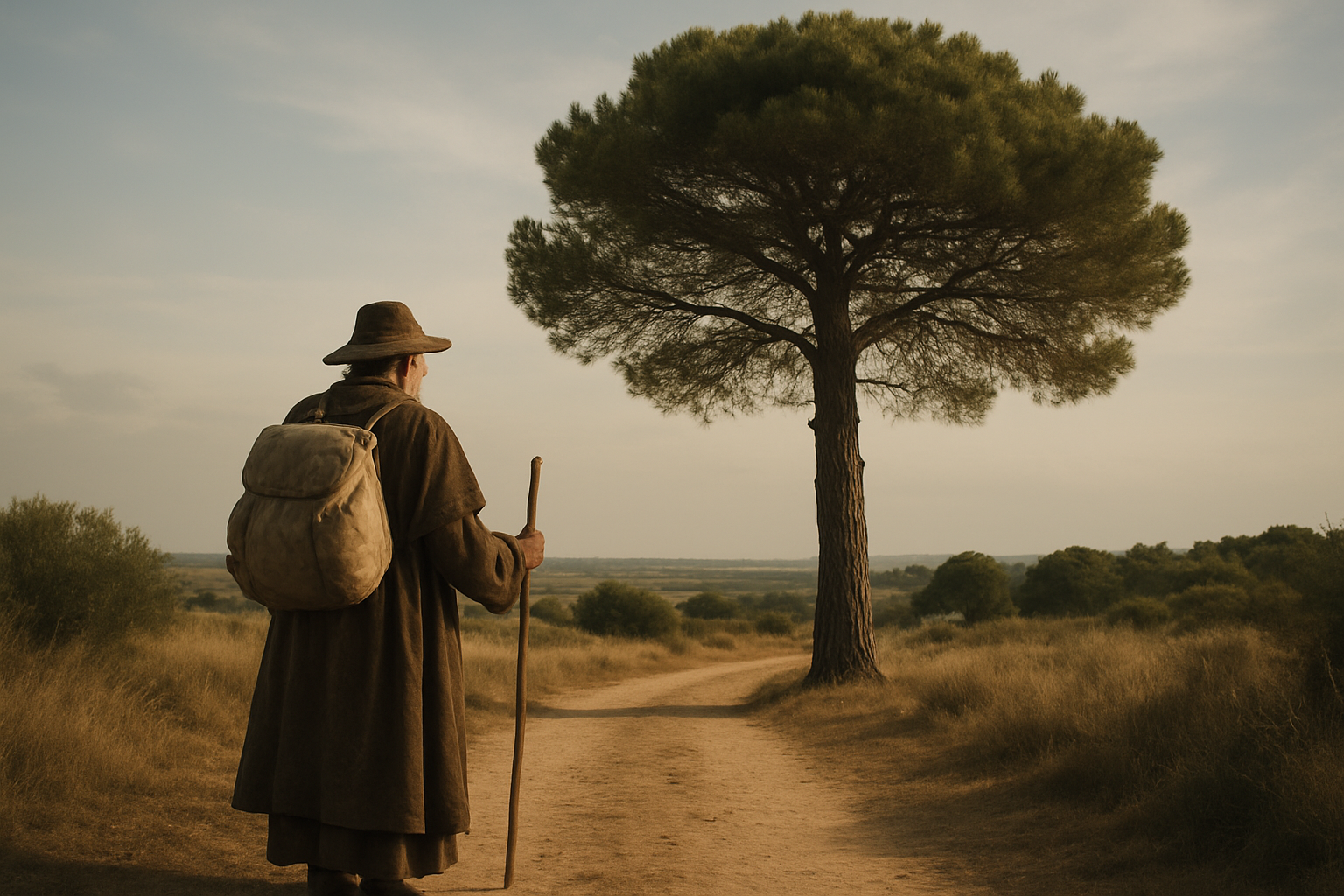
    The Tree as Guru: Nature’s Silent Teacher

    In a world that races towards technological advancement at an unprecedented pace, the soul can often feel neglected. Amid the noise, there exists a universal guide that has been inadvertently overlooked: the tree. For centuries, the tree has served as a profound symbol and teacher, silently imparting wisdom to those willing to listen.

    The Tree: A Universal Symbol

    Trees have always held a venerable position in human history and culture. Across various religions and philosophies, trees symbolize knowledge, growth, and resilience. Consider the Bodhi Tree under which Siddhartha Gautama, the future Buddha, attained enlightenment. It is a powerful emblem of awakening and spiritual nourishment.

    In Norse mythology, Yggdrasil is the cosmic tree that connects the nine worlds, portraying the interconnectivity of the universe. Similarly, the ancient Celts revered trees as sacred beings, crucial to both their daily lives and spiritual practices.

    Lessons in Patience and Persistence

    Trees are paragons of patience and persistence. In their steady growth over decades, sometimes centuries, they teach the value of long-term vision and resilience. As the author Ralph Waldo Emerson once said, “Adopt the pace of nature: her secret is patience.”

    A sapling may take many years before it reaches maturity, often enduring harsh weather, disease, and human disturbance. Yet, despite adversities, it continues reaching upwards towards the light. This resilience invites us to ponder our own struggles and the patience required to overcome them.

    The Cycle of Renewal

    One of the most inspiring teachings of trees is their ability to adapt and renew. The cycle of shedding leaves each autumn and budding anew in spring exemplifies transformation and resilience. This annual cycle reflects the natural process of letting go and renewal, crucial for personal growth.

    As the poet Rainer Maria Rilke beautifully noted, “If we surrendered to earth’s intelligence, we could rise up rooted, like trees.”

    This eloquent line prompts us to trust and embrace the seasons of our own lives, knowing that with each ending, a new beginning awaits.

    The Wisdom of Community

    Trees also teach us about the richness of community. Below the surface, trees communicate via a complex network of roots and fungal mycelium, often referred to as the Wood Wide Web. This network allows trees to share nutrients, aid one another, and even warn of potential dangers.

    According to a New York Times article, this interconnectedness highlights the inherent communal nature of trees, reminding us of the strength found in supporting and relying on each other.

    Environmental Guardianship

    Besides their metaphorical teachings, trees play a crucial role in sustaining life. They provide oxygen, sequester carbon, and regulate the climate, underscoring the essential balance of giving and receiving inherent in all natural systems. Trees serve as a vital reminder of our responsibility to protect the environment, echoing the urgent need for sustainable living practices.

    Spiritual Reflection

    Lastly, trees invite us to engage in spiritual reflection. Standing in the midst of a forest, one can feel a profound sense of peace and interconnectedness. This serenity offers an opportunity for introspection, allowing individuals to find clarity away from the chaos of daily life. John Muir, a renowned naturalist, once professed, “In every walk with nature one receives far more than he seeks.”

    “When one tugs at a single thing in nature, he finds it attached to the rest of the world,” wrote Muir, emphasizing the spiritual and physical unity of nature.

    Conclusion

    Whether considered as metaphorical teachers or critical components of ecological systems, trees stand as stoic mentors in the modern age. By observing their patience, adaptability, and communal support, we can unearth timeless wisdom that deeply resonates with both our inner and outer worlds.

    Embracing trees as gurus compels us to live more intentionally, harmoniously, and sustainably. As you walk past a tree today, pause, reflect, and perhaps consider the silent teachings it has to offer.

  • Eco-Karma: Actions That Heal the Earth

    Eco-Karma: Actions That Heal the Earth

    Eco-Karma: Actions That Heal the Earth

    Eco-Karma: Actions That Heal the Earth

    In an age where environmental conservation is no longer a choice but a necessity, individuals are seeking out ways to offset their carbon footprint and restore balance to our planet. This movement, often termed as Eco-Karma, emphasizes the power of collective action in healing the Earth through sustainable practices.

    The Power of Individual Actions

    While the challenges of climate change can seem daunting, change often begins with a single step. Here are some practical actions individuals can take:

    • Reduce, Reuse, Recycle: This age-old mantra is still relevant. By minimizing waste and opting to recycle, we significantly reduce our carbon emissions and conserve natural resources.
    • Support Renewable Energy: Switching to renewable energy sources like solar or wind can have profound impacts on reducing carbon footprints. According to the International Energy Agency, renewable energy is the fastest-growing energy source globally.
    • Plant Trees: Trees absorb carbon dioxide and release oxygen, acting as natural air purifiers. Initiatives such as the National Forest Foundation aim to plant millions of trees every year.
    • Conscious Consumerism: Supporting eco-friendly brands that prioritize sustainability can drive industries towards greener practices.

    Community and Global Initiatives

    While individual efforts are crucial, community and global collaborations amplify the impact:

    • Community Clean-ups: Organizing or participating in local clean-ups helps maintain local ecosystems and fosters a sense of community.
    • Advocacy and Education: Educating others and advocating for policy changes encourages broader societal shifts. Initiatives like the 350.org campaign aim to reduce carbon emissions by advocating for significant political action.
    • Support Indigenous Practices: Indigenous communities often have sustainable environmental practices that have been honed over centuries. Supporting and learning from them can offer valuable insights and strategies for preserving the natural world.

    “True change requires a united effort of both small-scale individual actions and large-scale policy changes. It’s the synergy between these efforts that can create lasting impact.” – Nature, 2019

    By participating in Eco-Karma, we not only contribute to environmental healing but also set a precedent for future generations. As each action ripples outward, it transforms the environmental landscape, ultimately healing our Earth one step at a time.

  • Walking the Invisible Path

    Walking the Invisible Path

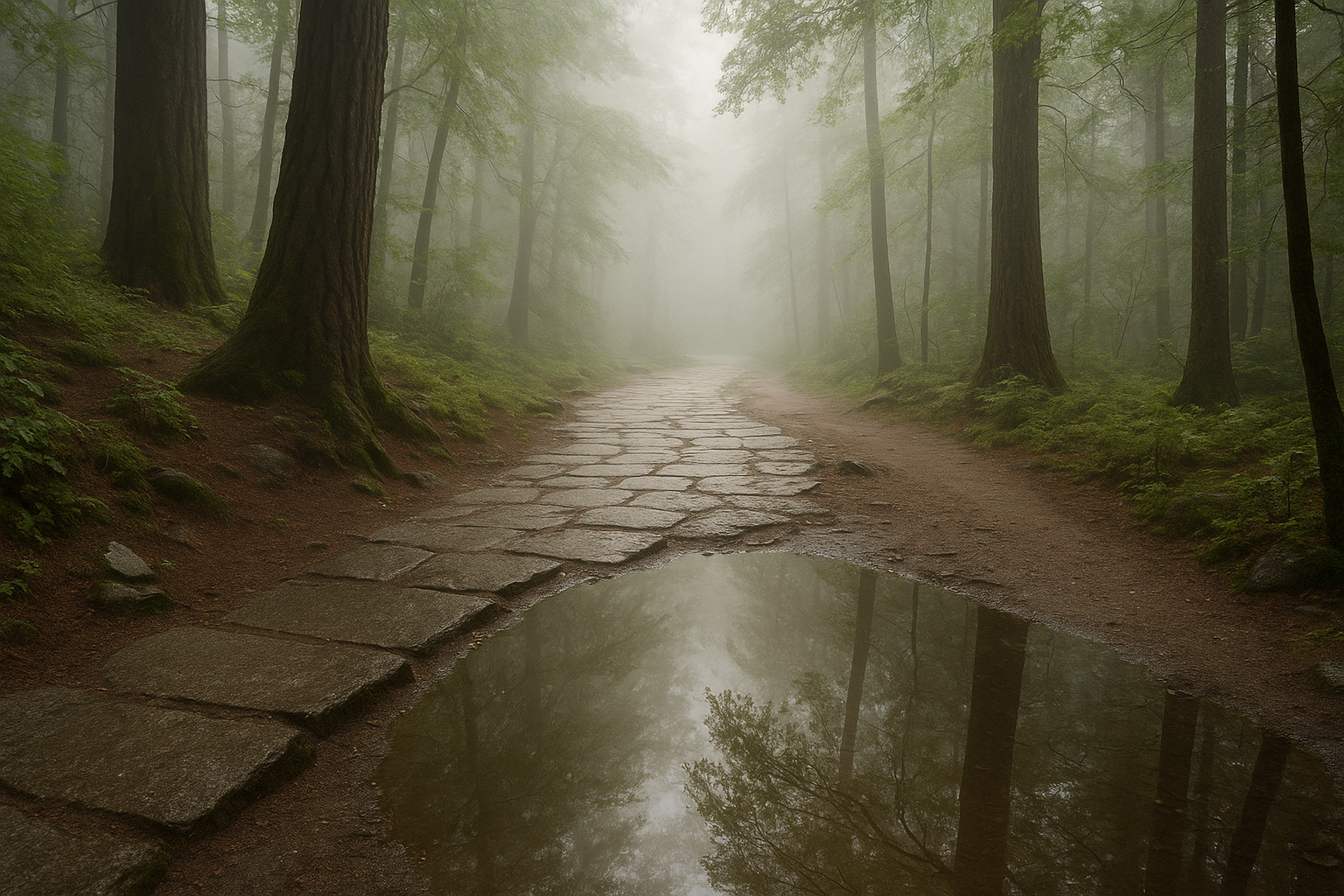
    In the vast realms of fantasy literature and myth, the concept of an invisible path has captured the imaginations of storytellers and audiences alike. This ethereal journey is often more about inner discovery and growth than the physical progression of steps. Just as much a metaphorical journey as a physical one, the invisible path represents a profound quest for truth, enlightenment, and purpose.

    “It is not in the stars to hold our destiny but in ourselves,” William Shakespeare once remarked, highlighting the intrinsic voyage of the self, a central theme to the invisible path.

    The Allure of the Invisible Path

    The idea of traversing an unseen route is appealing because it implies a venture into the unknown, promising a transformation of one’s perspective or sense of self. It offers a narrative ripe with mystery and the potential for discovering hidden truths. This concept is seen across many cultures and literary traditions, often symbolizing the transition from ignorance to enlightenment.

    • Mythological Roots: Many cultures include tales of hidden paths. In Japanese mythology, the Kami or spirits live unseen among humans, often approached through paths known only to the wise.
    • Literary Exploration: Authors like C.S. Lewis in his Chronicles of Narnia series, explore these paths to great effect. The wardrobe in The Lion, the Witch and the Wardrobe serves as an invisible portal to another world.
    • Philosophical Undertones: Such paths are frequently used as symbols for philosophical introspection and spiritual teachings, as seen in works like Hermann Hesse’s Siddhartha.

    Symbolism in the Unseen

    The invisible path is rich with symbolism, often acting as a metaphor for events or stages of life that are not immediately apparent but have a profound effect on our being. Such paths teach us that real change often occurs internally before it is manifested externally, a concept echoed in many spiritual teachings.

    “Not all those who wander are lost,” J.R.R. Tolkien famously wrote in The Lord of the Rings, implying that even paths that aren’t clearly visible lead to discovery and meaning.

    Historical Perspectives

    History is filled with stories of individuals and cultures who have embarked on journeys both physical and spiritual through invisible paths. These journeys often require them to seek knowledge beyond what is seen, to venture into realms of understanding not easily accessible.

    • Spiritual Pilgrimages: Many ancient traditions have paths that are both literal journeys and moral guidelines, such as the routes to sacred sites in pilgrimages.
    • Vision Quests: Native American tribes practice vision quests, where young individuals embark on a solitary journey to seek guidance and knowledge, often traversing unseen spiritual paths.
    • The Alchemist’s Journey: In Paulo Coelho’s The Alchemist, the protagonist Santiago follows a path defined by dreams and omens, illustrating the invisible journey toward one’s ‘Personal Legend’.

    The Invisible Path in Modern Context

    In today’s world, the concept of the invisible path may seem anachronistic, but it remains relevant, especially in personal development and self-discovery. Modern life offers countless invisible paths of its own, often in the form of choices that lead to unexpected growth and opportunities.

    • Career Paths: In the professional world, individuals often find themselves on careers paths that are not linear but invisibly winding, leading to innovations and breakthroughs.
    • Personal Growth: The journey of personal growth is deeply intertwined with the invisible path, as individuals often seek growth and betterment in ways that are not immediately visible to others.
    • Spiritual Growth: Many people engage in meditation and mindfulness practices to navigate their own invisible paths toward spiritual awakening.

    Conclusion

    The allure of the invisible path lies in its universality and deep roots in human culture and consciousness. It symbolizes both the journey and the mystery of life itself. As we move through the myriad experiences that define our existence, the invisible paths we choose determine the tapestry of our lives, guiding us toward unknown possibilities and inner transformations.

    In embracing the path that cannot be seen or easily understood, we embrace the potential within ourselves to change, to grow, and ultimately to find our place in the world. The invisible path is not just a route—it’s a life’s journey, full of wonder and discovery.

  • Sacred Geographies

    Sacred Geographies

    Sacred Geographies: Mapping the Spiritual Terrain

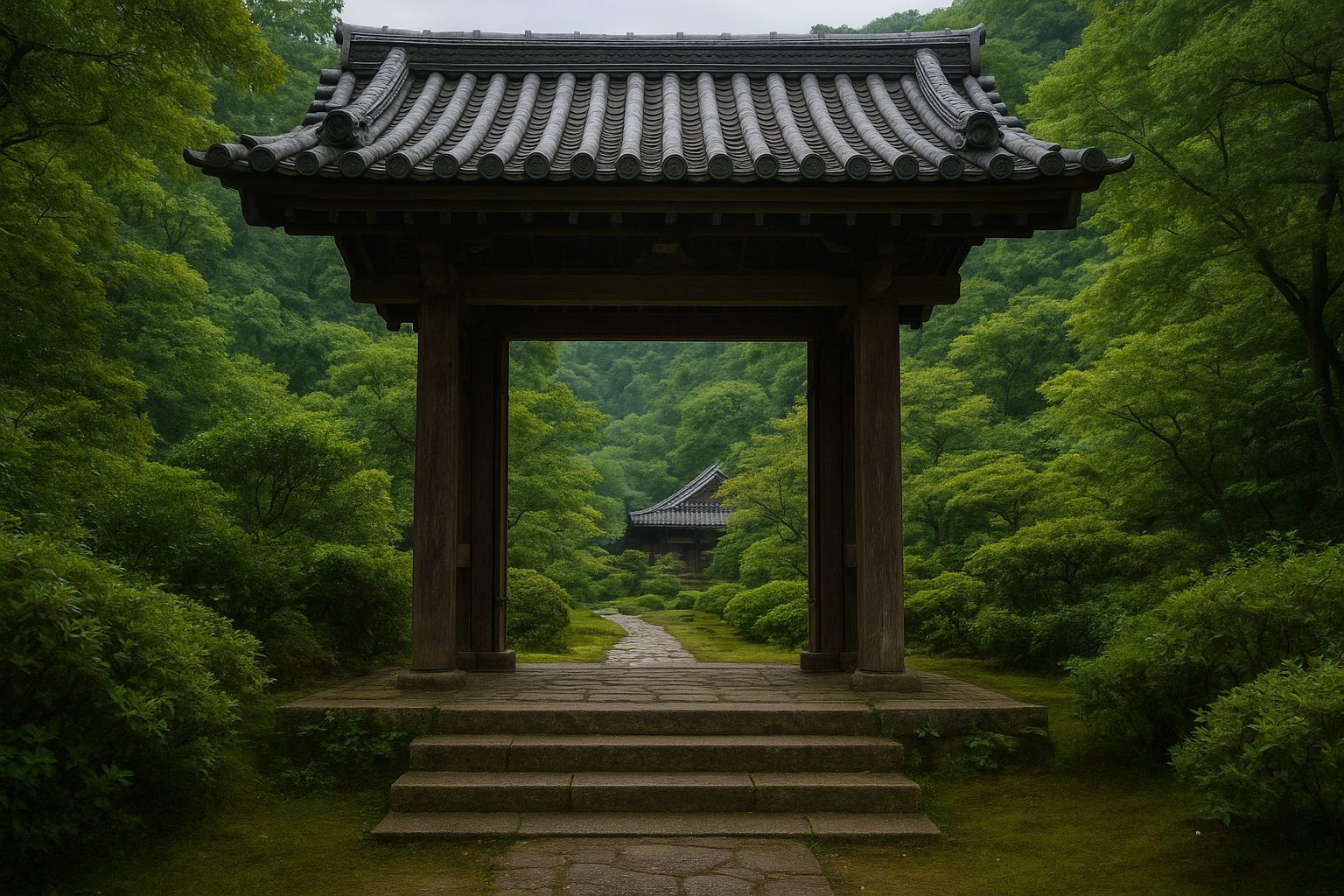
    Throughout history, humans have imbued certain places with profound spiritual significance. These sacred geographies are often seen as bridges between the earthly and the divine, holding cultural, spiritual, and sometimes even political importance. But what defines a sacred geography, and why do these places hold such sway over human consciousness?

    Defining Sacred Geographies

    Sacred geographies are locations that communities regard as holy or spiritually significant. These can include natural formations, such as mountains, rivers, and forests, as well as man-made structures like temples, shrines, and altars. The sacredness of these sites often stems from religious beliefs, historical events, or the presence of natural beauty that inspires awe and reverence.

    • Mount Kailash: Situated in Tibet, Mount Kailash is considered sacred in Hinduism, Buddhism, Jainism, and Bon. It is believed to be the abode of Lord Shiva, and pilgrims undertake arduous journeys to circumambulate the mountain.
    • Uluru: In the heart of Australia, Uluru is a massive sandstone monolith sacred to the Anangu people. Known for its stunning natural beauty, it is a place of deep spiritual significance and is associated with numerous creation stories.
    • Vatican City: As the epicenter of the Roman Catholic Church, Vatican City is a spiritual hub for millions of Catholics worldwide. It’s home to St. Peter’s Basilica, the Sistine Chapel, and the Pope.

    The Role of Sacred Geographies

    Sacred geographies serve various roles in society, from fostering spiritual growth and community cohesion to providing a sense of identity and continuity. As Joseph Campbell once said, “Your sacred space is where you can find yourself over and over again.” [Source]

    For indigenous communities, these sacred sites are often integral to their cultural heritage and spiritual practices. They are places where ancestors are honored, and traditional knowledge is passed down through generations. In many cases, the protection of these sites is crucial for the preservation of cultural identity.

    Challenges and Conservation

    Despite their importance, sacred geographies face numerous challenges, including environmental degradation, tourism pressures, and geopolitical conflicts. Preserving these sites requires a delicate balance between accessibility and conservation. Efforts are often made to involve local communities in conservation initiatives to ensure that these sacred places remain protected for future generations.

    “The world is full of places that possess an energy and atmosphere that demands our respect and reverence.” – John O’Donohue

    In conclusion, sacred geographies are more than just physical locations; they are integral to the human experience, offering a space for reflection, connection, and transcendence. By respecting and preserving these spaces, we honor the intricate tapestry of beliefs and traditions that shape our world.