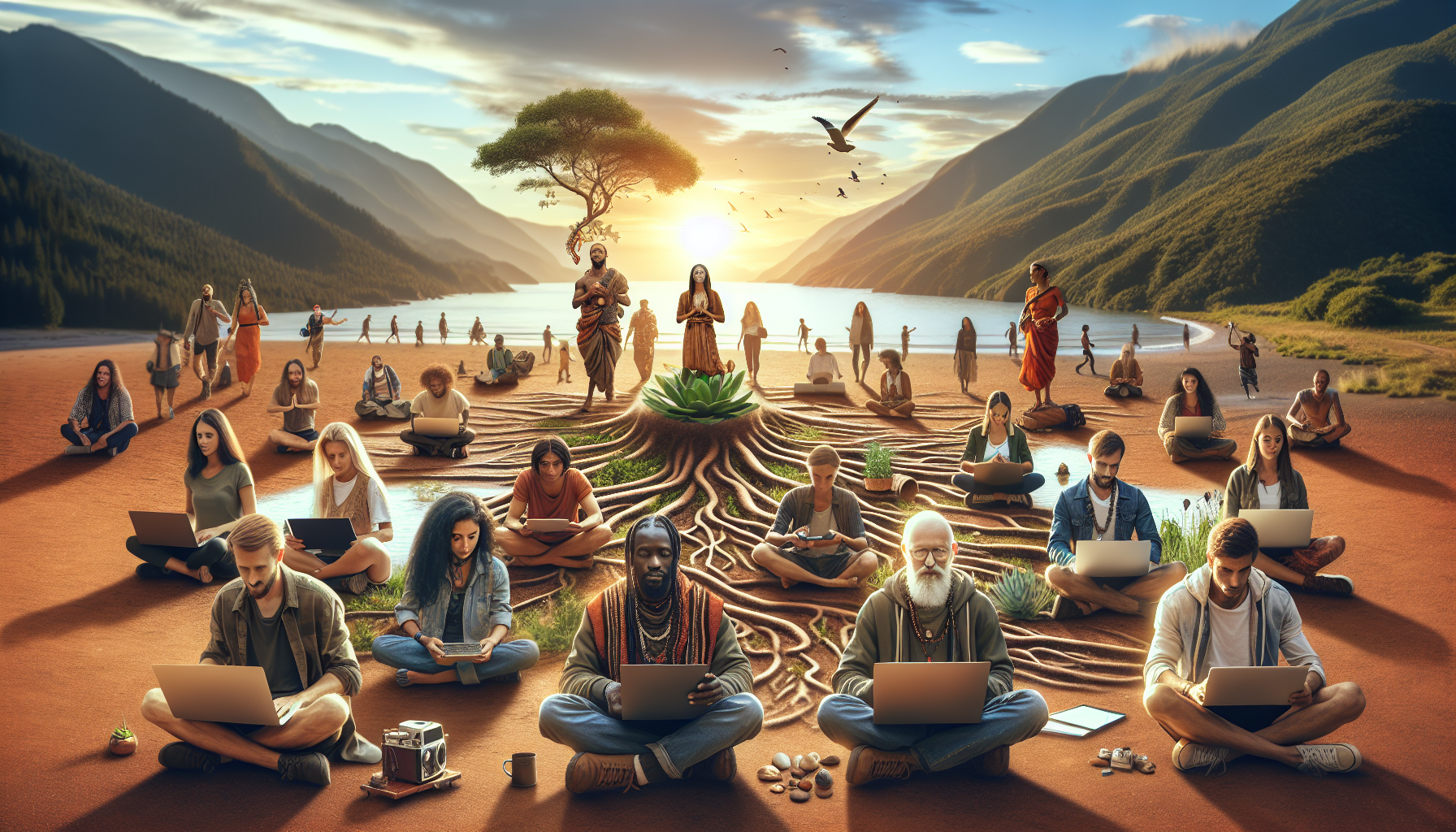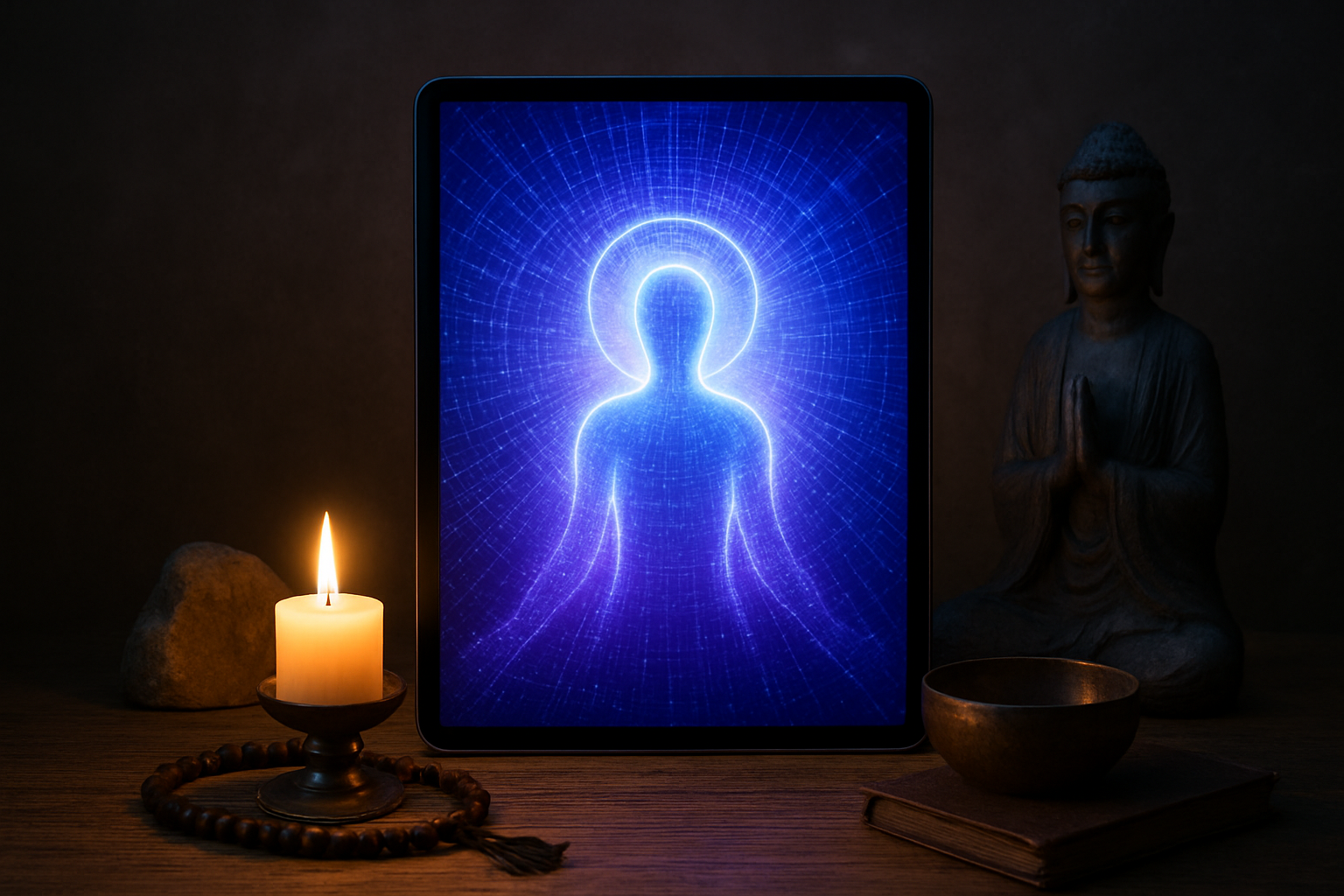
In an era marked by rapid technological advancement, where algorithms govern much of our daily lives, the quest for spirituality seems, at first glance, paradoxical. However, a deeper examination reveals a profound intersection between the ancient pursuit of meaning and the digital tools of the modern age. This confluence is reshaping how individuals engage with spirituality in a world often viewed through the lens of technology.
The Rise of Digital Spirituality
With billions of people globally accessing the Internet, spiritual experiences are increasingly being sought out online. Meditation apps, digital religious communities, and virtual reality experiences offer new pathways to ancient practices.
- Meditation Apps: Platforms such as Headspace and Calm guide users through personalized meditation sessions designed to reduce stress and enhance mindfulness.
- Online Communities: Social media groups and forums serve as digital congregations, where individuals discuss beliefs, share practices, and support each other’s spiritual journeys.
- Virtual Reality: Innovative use of VR technology allows practitioners to experience immersive environments, such as virtual temples and nature settings, which can enhance meditation and reflection.
As David Gelles, a journalist covering mindfulness, notes,
“Meditation in the age of smartphones is a testament to how seamlessly tradition and technology have woven themselves together.”
This synergy between the old and the new underscores an evolving spirituality that embraces digital tools without losing connection to its roots.
Challenges of Digital Spirituality
Despite its growing popularity, digital spirituality faces significant challenges. Critics argue that digitizing spiritual practices risks losing the depth of experience traditionally cultivated in physical spaces and interpersonal connections.
Sherry Turkle, a professor at MIT and author of “Reclaiming Conversation: The Power of Talk in a Digital Age,” highlights this concern:
“The richness of our real-world interactions is irreplaceable, yet in their absence, digital interfaces offer a semblance of connection.”
This perspective calls for a careful balance between leveraging technology and nurturing authentic, human-centered engagements.
Advantages and Innovations
The advantages of incorporating technology into spiritual practices are manifold. Accessibility is a key benefit, as digital platforms break down geographical and physical barriers, allowing spiritual seekers from diverse backgrounds to connect and learn. Additionally, data-driven insights offer personalized approaches to spirituality, helping individuals identify what practices resonate most with them through feedback and analytics.
Organizations and startups are innovating at this intersection. For instance, Insight Timer combines community features with an extensive library of free meditations. Unlike traditional models, these platforms empower users with flexibility and choice, catering to diverse spiritual needs and preferences.
The Future of Spirituality in a Digital World
The intertwining of technology and spirituality is likely to deepen as digital tools continue to evolve. Emerging technologies such as artificial intelligence (AI) hold the potential to further enhance spiritual exploration by tailoring experiences to an individual’s unique needs and preferences.
Religious institutions are also beginning to embrace digital transformation. During the COVID-19 pandemic, virtual services became commonplace, demonstrating the Church’s ability to adapt to changing circumstances. Moving forward, these hybrid models may become standard practice, offering both digital and physical means to participate in spiritual communities.
Moreover, the digital age encourages a pluralistic approach to spirituality, where individuals are exposed to diverse religious and philosophical traditions, fostering a more inclusive global dialogue. As Benedictine monk and author David Steindl-Rast posits,
“In the end, it is not religious affiliation or membership that matters, but encountering that is — no words.” This open, exploratory spirit is likely to characterize the future of spirituality amidst digital innovation.
Conclusion
The blend of spirituality and technology presents an opportunity to reinterpret age-old practices for modern contexts. While challenges persist, the potential for deeper, more widely accessible spiritual experiences is vast. The key lies in maintaining a mindful balance: utilizing technology to enhance, rather than replace, the human elements that remain integral to true spiritual understanding.
As we navigate this merging of domains, the gravitational pull of spirituality promises to remain a vital force, one that guides our search for meaning amidst the pulsating algorithms of digital life.