Tag: digital

  • The New Folklore of the Internet – From Creepypasta to digital rituals.

    The New Folklore of the Internet – From Creepypasta to digital rituals.


    The New Folklore of the Internet – From Creepypasta to digital rituals

    The New Folklore of the Internet – From Creepypasta to digital rituals

    In an era where digital connectivity has become a cornerstone of modern society, it’s no surprise that new forms of folklore have emerged. This article delves into the fascinating world of internet mythology, from the chilling tales of Creepypasta to the peculiar practices of digital rituals.

    Creepypasta: Unsettling Tales for a Digital Age

    “The Internet is an infinite source of inspiration, and Creepypasta provides endless chills.” – Simon Stalenhag, Swedish illustrator and designer.
    Source

    First surfacing in the early 2000s, Creepypasta are horror stories that have been shared and transformed online. The name is a blend of ‘copy-pasted’ and ‘pasta’, indicating its roots in urban legends. These spine-tingling tales often revolve around paranormal or supernatural themes, and they continue to captivate internet users.

    Digital Rituals: Connecting through Shared Practices

    “We are now witnesses to the creation of new myths and rituals that bind us together in a shared digital experience.” – Henry Jenkins, media scholar.
    Source

    Digital rituals represent another facet of internet folklore, where shared practices help users form connections. Examples include the annual event known as April Fool’s Day pranks or the more recent phenomenon of participating in the Ice Bucket Challenge to raise awareness for ALS research. These communal activities reinforce bonds between people and create a sense of belonging within an increasingly digital world.

  • Embodied Balance in a Disembodied World

    Embodied Balance in a Disembodied World


    Embodied Balance in a Disembodied World

    Embodied Balance in a Disembodied World

    “In a world where virtual connections have become the norm, the importance of maintaining our physical and emotional balance has never been more critical.” – (Source: https://www.psychologytoday.com/us/blog/the-modern-relationship/201910/why-balance-matters)

    • The Digital Age: The digital revolution has brought about a profound shift in how we live, work, and interact. Yet, amidst this disembodiment, the human need for balance remains constant.
    • Physical Balance: Regular exercise, mindful movement, and maintaining good posture are essential components of physical balance. They help keep our bodies healthy and resilient in the face of digital overload.
    • Emotional Balance: In an increasingly fast-paced world, it’s crucial to manage stress effectively. Techniques like meditation, deep breathing, and connecting with nature can help us maintain emotional equilibrium.
    • Social Balance: Building strong relationships and engaging in meaningful social interactions are vital for our psychological well-being. In a disembodied world, prioritizing face-to-face connections is more important than ever.

    “It’s not the load that breaks you down, it’s the way you carry it.” – Lou Holtz (Source: https://www.brainyquote.com/quotes/lou_holtz_578324)

  • The Algorithm’s Oracle – Do we still have free will in a scripted world?

    The Algorithm’s Oracle – Do we still have free will in a scripted world?


    The Algorithm’s Oracle – Do we still have free will in a scripted world?

    The Algorithm’s Oracle – Do we still have free will in a scripted world?

    In the digital age, algorithms have become omnipresent, shaping our online experiences and influencing our decision-making processes more than ever before.

    “Algorithms are eating the world,” Peter Thiel, Co-founder of PayPal

    The Rise of Algorithmic Decision Making

    From recommending movies and music on streaming platforms to filtering news content in our social media feeds, algorithms play an increasingly significant role in our lives. But what about the debate surrounding free will? Can we truly exercise autonomy when our actions are guided by these complex mathematical models?

    Free Will and the Digital Paradox

    The question of free will has long been a subject of philosophical inquiry. As algorithms take on an ever-growing influence, it raises new questions about our agency in the digital realm.

    “I do not believe in free will,” Isaac Newton

    Navigating the Tension Between Algorithms and Free Will

    While algorithms can help simplify our decision-making processes, it’s essential to understand that they are tools designed by humans. As users, we have the power to choose whether or not to rely on them, ultimately maintaining control over our actions.

    Embracing Algorithms While Preserving Free Will

    In conclusion, it’s crucial to acknowledge that algorithms and free will do not have to be mutually exclusive. By understanding their role and the choices we make in utilizing them, we can strive for a harmonious balance between technology and human agency.

  • The End of the Book – Will storytelling survive the death of print?

    The End of the Book – Will storytelling survive the death of print?


    The End of the Book – Will Storytelling Survive the Death of Print?

    The End of the Book – Will Storytelling Survive the Death of Print?

    In a world increasingly dominated by screens, many have wondered if print is on its last legs. This question has been particularly relevant in the realm of storytelling, where books, once the primary medium for narrative, are now being eclipsed by digital formats like e-books and audiobooks.

    “The printed book has had centuries to perfect its charm. No electronic medium can duplicate that tactile pleasure.”
    — Neil Gaiman, author of “The Sandman” and “American Gods”

    A Shift in Reading Habits

    • E-books: Electronic versions of books have become increasingly popular due to their portability and convenience. According to the Pew Research Center, 28% of Americans say they have read an e-book in the past year.
    • Audiobooks: As technology advances, audiobooks have seen a resurgence, offering a convenient and accessible way to consume literature for those with visual or learning impairments, as well as for multitaskers on the go.

    The Tactile Pleasure of Print

    “Books are a uniquely portable magic.”
    — Stephen King, author of “The Shining” and “Misery”

    Despite the rise of digital formats, there remains a significant portion of the reading public that prefers print books. The physicality of a book – its weight, smell, and tactile sensation – is an experience that cannot be replicated on a screen.

    The Future of Storytelling

    It seems unlikely that print books will vanish entirely anytime soon. Instead, it’s more likely that we will see a continuation of the coexistence between physical and digital formats. As technology continues to evolve, so too will the ways in which stories are told and consumed.

  • The Ecology of Attention

    The Ecology of Attention


    The Ecology of Attention

    The Ecology of Attention

    “In the information age, attention becomes a scarce resource that must be allocated wisely and preserved carefully.” – Sherry Turkle, MIT Media Lab

    In today’s digital era, we are constantly bombarded with an overwhelming amount of information. This constant influx of data has led to a shift in how we perceive and interact with the world around us. One of the most significant consequences of this information overload is the depletion of our attention span.

    The Attention Economy

    The concept of the ‘Attention Economy’ was first introduced by economist Herbert A. Simon in 1971. He proposed that in an information-rich world, the wealth of individuals comes to be determined by a new entity: the ability to use information effectively.

    The Impact on Our Lives

    The ecology of attention has far-reaching consequences for our mental health, relationships, and productivity. Constantly divided attention can lead to stress, anxiety, and reduced creativity. It also affects our ability to form deep connections with others and focus on meaningful work.

    “Our ability to pay attention is fundamental to our capacity to think, to learn, to remember, and to create.” – Sherry Turkle, MIT Media Lab

    Strategies for Sustaining Attention

    To combat the depletion of our attention resources, it’s essential to cultivate mindfulness and discipline in our digital habits. This includes limiting distractions, setting boundaries with technology, and practicing meditation or other focusing exercises.

  • Mental Hygiene in an Age of Information Overload

    Mental Hygiene in an Age of Information Overload


    Mental Hygiene in an Age of Information Overload

    Mental Hygiene in an Age of Information Overload

    “In this digital age, we are inundated with information, leading to a state of constant distraction and stress.” – Dr. Sherry Turkle, MIT Professor

    • Understanding the Problem: The modern world is characterized by an unprecedented amount of information available at our fingertips. This information overload can lead to stress, anxiety, and difficulty focusing.
    • The Need for Mental Hygiene: Just as physical hygiene is essential for good health, mental hygiene is vital for maintaining emotional well-being. In the digital age, this requires conscious effort to manage information intake effectively.
    • Strategies for Mental Hygiene:
      • Limit Screen Time: Set boundaries for your digital consumption to avoid information overload. Use tools like website blockers and productivity apps to help manage screen time.
      • Prioritize Tasks: Focus on one task at a time to avoid multitasking, which can lead to stress and decreased productivity. Prioritize tasks based on their importance and deadlines.
      • Take Breaks: Regularly take breaks from screens and digital devices to give your mind a chance to rest and recharge.
      • Mindfulness Practices: Incorporate mindfulness practices like meditation, yoga, or deep breathing exercises into your daily routine to reduce stress and improve focus.
    • Final Thoughts: In an age of information overload, it’s essential to prioritize mental health. By adopting strategies for mental hygiene, we can navigate the digital world more effectively and maintain emotional well-being.

  • The Cyber-Crossroads – Finding Hecate in the digital dark web.

    The Cyber-Crossroads – Finding Hecate in the digital dark web.


    The Cyber-Crossroads – Finding Hecate in the digital dark web.

    In whispered whispers, I confess…

    I find myself, in this modern age, drawn to the shadows that shroud the digital realm – the dark web, a realm where Hecate’s ancient influence still resonates.

    “Hecate is the goddess of crossroads, entrances, exits and boundary zones; thus she is recognized as the queen of night and the goddess of witchcraft.”
    – Robert Graves, The Greek Myths (1955)

    In the labyrinthine maze…

    • As I traverse this digital underworld, I am reminded of Hecate’s role as a guide. She illuminates my path through the darkness, helping me navigate the hidden corners and twisted alleys.
    • In the marketplaces of the dark web, she watches over the exchange of knowledge that is too forbidden or dangerous for the light.

    A goddess of transformation…

    The digital age has seen rapid change and evolution, much like the many guises Hecate has worn throughout her storied history. Just as she has adapted to new roles and environments, so too must we adapt in this ever-changing world.

    “Hecate is a goddess who is able to shape-shift and take on many forms.”
    – Joanne P. Fell, The Encyclopedia of Spells, Charms, & Magic (2013)

    In silence, we find connection…

    As I stand at the cyber-crossroads, I am reminded that Hecate’s influence transcends time and space. In this quiet communion, I feel a deep connection to those who have come before me, seeking wisdom in the shadows.

  • The Algorithmic Priesthood – Power, knowledge, and control

    The Algorithmic Priesthood: Power, Knowledge, and Control

    In recent years, algorithms have emerged as the new architects of our digital reality, shaping everything from the news we consume to the products we buy. This phenomenon has given rise to what some are calling an “algorithmic priesthood”—a class of experts wielding enormous power and control over the mechanisms that govern our digital lives. In this article, we explore the implications of this newfound power, examining its impact on knowledge, societal control, and the responsibilities that accompany such influence.

    The Rise of Algorithms

    Algorithms, at their core, are sets of instructions designed to perform specific tasks. In the digital age, these algorithms are employed to manage and make decisions based on vast amounts of data. They influence the content we see on social media platforms, determine our search engine results, and even guide financial markets. As described by John McCarthy, a pioneer of Artificial Intelligence, “As soon as it works, no one calls it AI anymore.”[1]

    The Algorithmic Elite

    The individuals who design and control these algorithms are part of a growing class that holds significant sway over digital infrastructures. This “algorithmic elite” includes data scientists, computer engineers, and mathematicians who possess the skills necessary to shape and operate complex systems. Michael Schrage, a research fellow at MIT Sloan School, points out, “They are, in fact, the new masters of the universe in the digital domain.”[2]

    Knowledge and Control

    • Information Gatekeepers: By controlling algorithms, this elite group becomes de facto gatekeepers of knowledge. They decide which information is prioritized, suppressed, or amplified. Eli Pariser, author of “The Filter Bubble,” warned that algorithms can create a world of “ides” that make democracy itself the first casualty of the digital world.[3]
    • Economic Power: Companies utilizing sophisticated algorithms often dominate their respective markets, such as Google in search or Amazon in online retail. This monopolistic power affects economies and innovation. As Tim Berners-Lee, the inventor of the World Wide Web, suggests, “The web has become a tool for interests to maximize their power and interests.”[4]
    • Behavioral Influence: Algorithms not only reflect but also shape societal norms and behaviors. For instance, social media algorithms incentivize certain behavior through likes and shares, influencing how people interact and express themselves online.

    Societal Implications

    The power wielded by this algorithmic priesthood poses numerous societal implications. Foremost among these is the potential erosion of privacy. Algorithms analyze personal data to provide tailored experiences, but this data can be exploited for commercial gain without adequate consent.

    Shoshana Zuboff, in her seminal work “The Age of Surveillance Capitalism,” argues that, “It’s not just about selling ads. It’s not just about invasions of privacy, data, or the internet. It’s really about that internal migration online ultimately works in favor of power concentration.”[5]

    Another concern is the lack of transparency in how algorithms operate. This opacity can exacerbate biases and inequalities, as the decisions and guidelines programmed into these systems are often not publicly scrutinized or understood. As Cathy O’Neil articulates in “Weapons of Math Destruction,” algorithms can sometimes “codify the past” and perpetuate existing prejudices.[6]

    The Responsibility of the Algorithmic Elite

    With significant power comes the responsibility to ensure that algorithms are used ethically and transparently. There is a growing movement advocating for algorithmic accountability, which calls for critical assessments of the societal impacts of algorithms.

    • Auditing Algorithms: Creating processes to regularly audit and evaluate algorithms can help identify biases and ensure fairness. Initiatives such as the Algorithmic Accountability Act have been proposed to improve the transparency of algorithmic decision-making processes.
    • Ethical Design: Incorporating ethical considerations and diverse perspectives in the design of algorithms can help mitigate biases and promote more equitable outcomes.
    • Public Education: Educating the public about the role and function of algorithms can empower individuals to make informed decisions and advocate for their digital rights.

    Conclusion

    As algorithms continue to drive the digital revolution, the power and influence of the algorithmic priesthood will inevitably expand. It is crucial to navigate this era with consciousness and accountability, ensuring that the technologies that shape our world are wielded in ways that are fair, transparent, and equitable. Only by doing so can we harness the full potential of algorithms to foster a more just digital future.

    In the words of legendary computer scientist Donald Knuth, “Science is what we understand well enough to explain to a computer. Art is everything else we do.” It is by understanding and bridging these two domains that we can actually shape an inclusive algorithmic society.[7]

  • The Alchemy of the Archive: Using Old Images in New Ways

    The Alchemy of the Archive: Using Old Images in New Ways

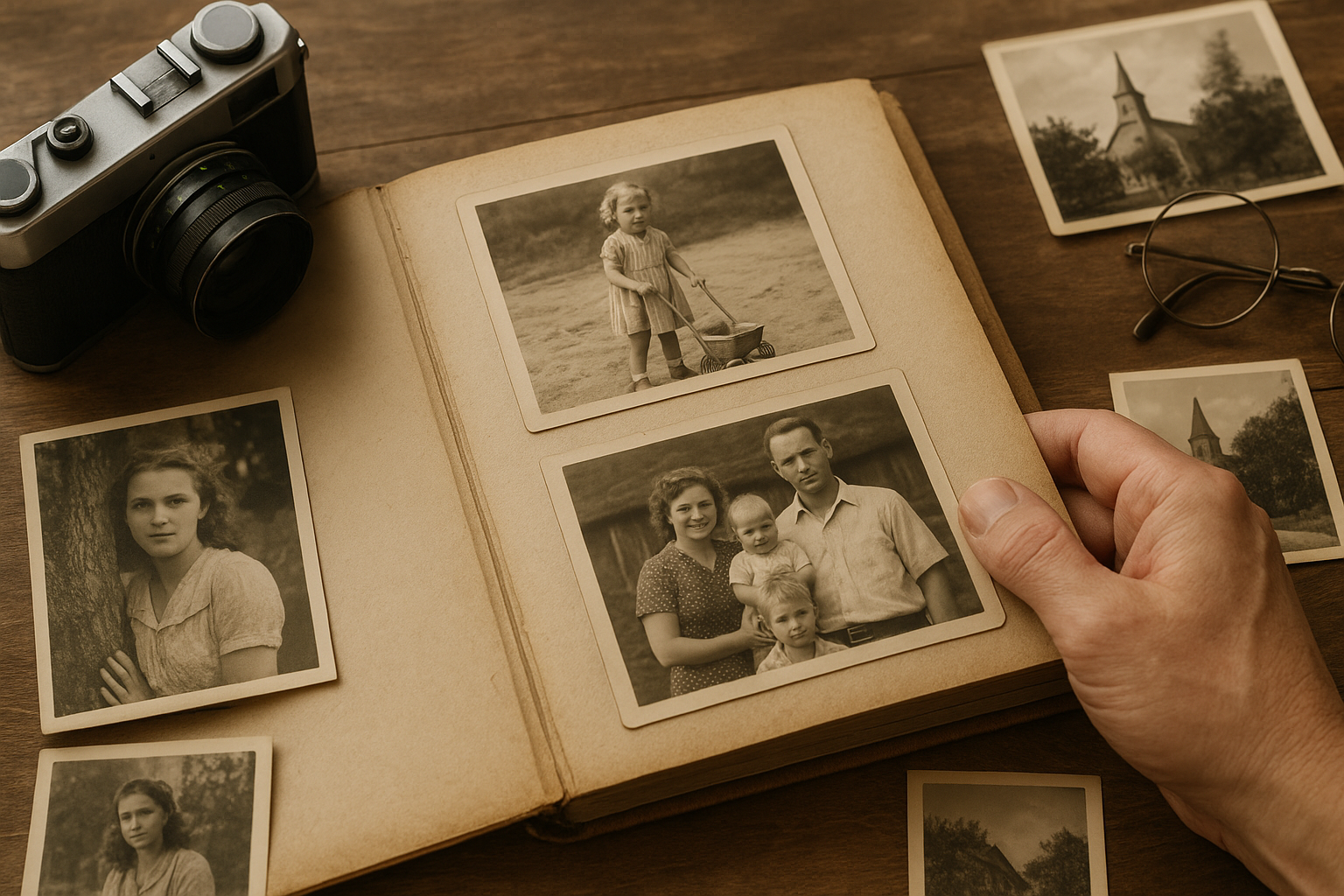
    In an age where digital media is omnipresent, the fascination with old images is undergoing a remarkable renaissance. This resurgence is not merely about nostalgia; it’s about innovation, technology, and creativity. As we sift through the archives, turning dusty prints into digital gold, we’re witnessing the alchemy of the archive come to life.

    The Power of Old Images

    Old images hold a unique power. They are windows into the past, offering glimpses of moments long gone. These images are not just artifacts but are being reimagined and repurposed in ways that unlock new potentials.

    “History is a vast early warning system.” — Norman Cousins

    With this in mind, old images are being used as learning tools, references, and inspiration, enriching our narratives with historical context and authenticity.

    Technological Innovations: Breathing New Life into the Past

    The journey from dusty albums to vibrant digital landscapes is fueled by technological advancements. Here are a few innovations transforming how old images are being used today:

    • AI and Machine Learning: Technologies like DeOldify use AI to colorize black and white photos, bringing a new vibrancy to historical events and personal memories alike.
    • Image Restoration: Tools like Adobe Photoshop offer sophisticated options for enhancing and restoring old photos, turning faded family portraits into crisp images filled with detail.
    • Augmented Reality: Applications like Snapchat and Google Lens allow users to interact with historical images in real-time, overlaying the past on present-day environments.

    Creative Applications: Transforming Archives into Art

    Artists and creators are finding innovative ways to weave old images into new works of art and media:

    • Collage Art: Using fragments of historical images, modern artists are creating collages that juxtapose the past with the present, challenging perceptions and sparking new dialogues.
    • Documentary Films: Filmmakers are embedding archival footage into documentaries, providing authenticity and depth to narratives. Ken Burns, renowned for his historical documentaries, states, “The power of history is to move us.”
    • Virtual Museums: Institutions are creating virtual spaces using digitalized archives, allowing global audiences to explore history interactively. For instance, the Museum of Modern Art offers virtual tours featuring archived artworks.

    Old Images in the Digital Economy

    The economic potential of archived images is significant as well. Websites like Getty Images and Shutterstock have vast collections of historical imagery available for licensing, supporting industries ranging from advertising to education.

    Moreover, as The New York Times highlights, the demand for authentic, high-quality historical images for use in social media platforms like TikTok is on the rise, as creators seek to add depth and interest to their storytelling.

    Challenges and Considerations

    While the reuse of old images is exciting, it’s important to approach the practice with careful consideration:

    • Copyright Concerns: Not all archived images are free from copyright constraints. Ensuring proper licensing is crucial to legally utilizing historical photographs.
    • Image Integrity: It’s essential to maintain the integrity of the image, not altering it beyond recognition, which can lead to historical inaccuracies.

    Conclusion: A New Dawn for Old Images

    As we continue to integrate these powerful artifacts into our digital world, we unlock a wealth of opportunities for education, innovation, and creative expression. The alchemy of the archive continues to transform our understanding of the past, enriching our present, and building bridges to the future.

    In the words of renowned scholar Pierre Nora, “Memory is life… it is constantly evolving.” And as long as there is history to remember, old images will find new ways to live.

  • The Guru of Google: Modern Teachers and Accessible Wisdom

    The Guru of Google: Modern Teachers and Accessible Wisdom

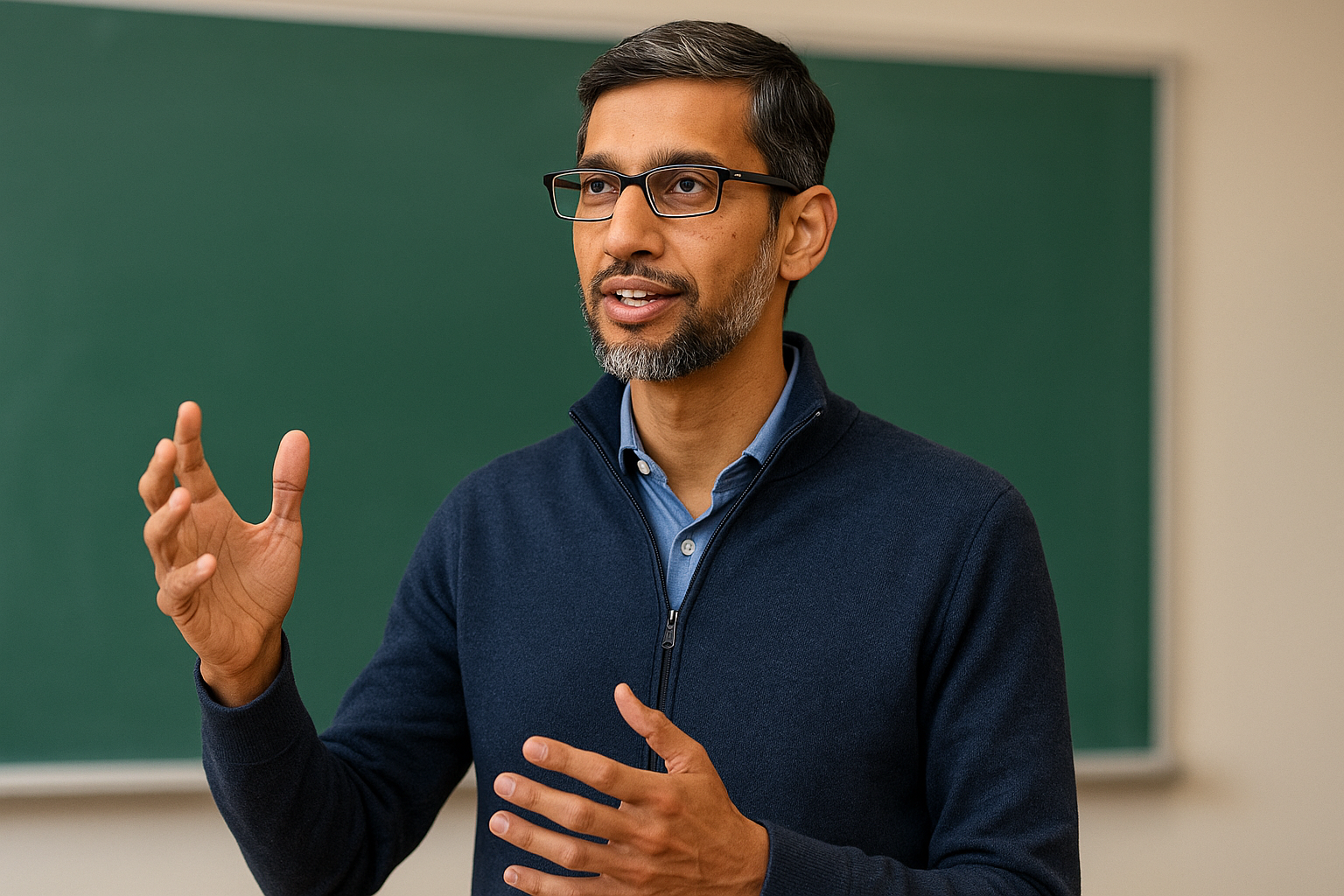
    In a world where the complexities of life often leave us searching for answers, the figure of the guru has become more relevant than ever. Traditionally, a guru is a spiritual teacher, a master of wisdom, and an inspiring guide on the journey to enlightenment. With the advent of technology, however, the definition—and accessibility—of a guru has evolved dramatically. Enter the “Guru of Google,” a new-age phenomenon where the search engine serves as a portal to modern teachers and accessible wisdom.

    The Role of a Guru in Historical Context

    The word “guru” originates from the Sanskrit language, meaning “dispeller of darkness.” Historically, gurus were revered figures in Indian culture, spiritual leaders who imparted wisdom and guidance to their followers. According to The Bhagavad Gita, an ancient Indian text, a guru “is one who has experienced the deep truths of life and guides others to that same understanding.”

    “The function of the Guru is to show the way.”
    Ram Dass

    Gurus played a significant role in many ancient cultures, acting as the cornerstone for learning and spiritual development. They were often regarded as the ultimate source of knowledge, a bridge between the spiritual and physical worlds.

    The Digital Transformation of Spiritual Guidance

    Today, the landscape of guidance and wisdom is changing. As technology infiltrates every facet of life, even our spiritual paths are not immune to its reach. The internet, particularly Google, has emerged as a non-traditional yet powerful tool for dispensing wisdom.

    Researching a spiritual question today might start with a simple Google search. According to a Pew Research study, 74% of Americans who identify themselves as religious also use the internet daily. This suggests a growing intersection between spiritual pursuits and digital resources.

    The Modern Guru: Teachers in the Digital Age

    The modern guru is not limited to spiritual leaders but extends to thought leaders, best-selling authors, podcast hosts, and even YouTube creators. Here are a few examples of how modern teachers are reaching audiences through digital platforms:

    • Sadhguru: An Indian yogi and author, Sadhguru uses platforms like YouTube and Twitter to reach millions with his teachings on meditation, yoga, and spirituality.
    • Eckhart Tolle: The author of “The Power of Now” has turned his insightful teachings on mindfulness and presence into webinars and online courses available to a global audience.
    • Brené Brown: Known for her research on vulnerability and courage, Brown uses podcasts and online lectures to spread her impactful message.

    These modern teachers harness platforms like YouTube, podcasts, blogs, and social media to disseminate their teachings, arguably fulfilling the traditional role of a guru but through digital means.

    The Search Engine as a Spiritual Tool

    The act of typing a question into Google’s search bar can be likened to asking a modern oracle. The click of a button brings a cornucopia of information—from renowned philosophers to niche spiritual bloggers offering unique takes on similar topics.

    Consider the following ways Google acts as a guide:

    • Accessibility: Information from diverse cultures and beliefs is readily available, allowing for a more comprehensive understanding of global spirituality.
    • Personalization: Google algorithms personalize search results based on past behavior, tailoring the findings to what the seeker might be most inclined to explore further.
    • Interactivity: With forums, discussion groups, and direct messaging, seekers can engage with communities and leaders for a more interactive learning experience.

    The Transformative Power of Digital Wisdom

    “Information is not knowledge. The only source of knowledge is experience. You need experience to gain wisdom.”
    Albert Einstein

    While the abundance of information accessible via Google is advantageous, it also presents the challenge of distinguishing genuine wisdom from mere information. One must sift through the digital noise to find sources that resonate authentically, prompting reflection and personal growth rather than mere consumption.

    The digital age has not diminished the value of traditional wisdom but has provided a new avenue for its transmission. People can now engage with profound teachings from across the world without the need for physical pilgrimage.

    Challenges and Considerations

    Despite the benefits, there are inherent challenges in seeking wisdom through the digital realm. The depth of knowledge can vary significantly between sources, and the absence of a personal connection with modern virtual “gurus” can lead to superficial engagement. It’s crucial for seekers to approach the vast resources with discernment:

    • Critical Thinking: Evaluating the credibility of sources is imperative to ensure that the wisdom gleaned is reliable and meaningful.
    • Community Involvement: Engaging with like-minded individuals through online communities can offer support and a deeper, more grounded exploration.
    • Balanced Consumption: Supplementing digital exploration with traditional practices such as meditation or yoga can lead to a well-rounded spiritual journey.

    Concluding Thoughts

    The “Guru of Google” represents a paradigm shift in how wisdom is accessed and imparted. While rooted in ancient traditions, the essence of the guru has been redefined for the digital age, offering an unprecedented gateway to knowledge for those who seek it. Whether one relies on podcasts or prayer, what remains critical is the consistent pursuit of truth and understanding. In a world brimming with information, the real guru, perhaps, lies in the heart of the seeker, aware and discerning amidst the vast digital landscape.

    As we continue to navigate the intricate paths of technology and spirituality, let us honor the wisdom of the past while embracing the possibilities of the future—a future where the transformative power of accessible wisdom is just a click away.