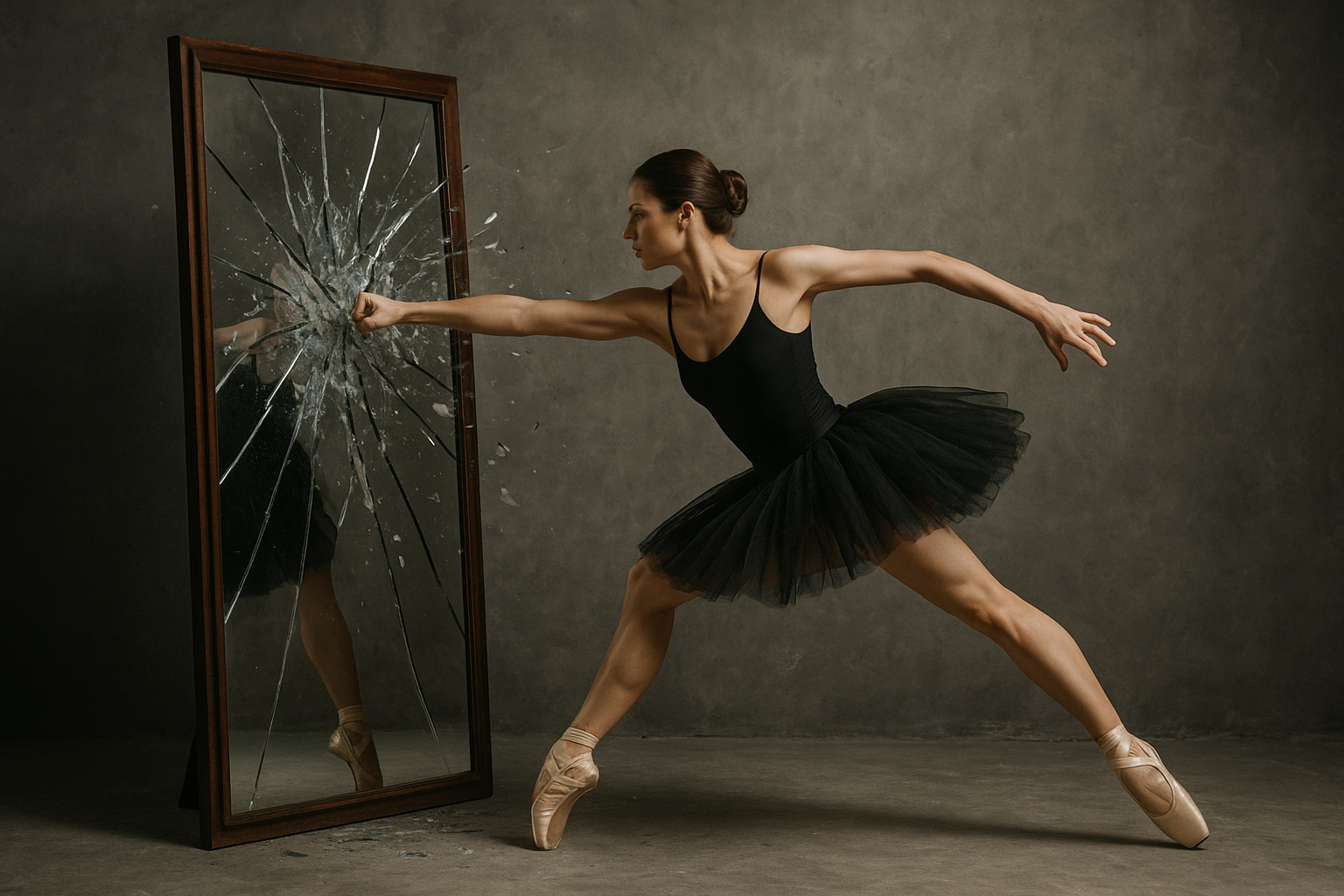
Dance, a universal language, has been a reflection of cultural identity, tradition, and evolution. It is both an art and a form of communication, able to convey deep emotions and stories without words. Yet, in recent years, the traditional mirror of dance reflects not an unyielding gaze into the past, but a kaleidoscope of deconstruction, innovation, and new narratives. This article delves into how dance traditions are being re-examined, deconstructed, and reimagined in contemporary contexts.
The Historical Foundation of Dance
Throughout history, dance has served as a vehicle for storytelling and cultural preservation. Consider classical ballet, which epitomizes the codification of movement and narrative. Originating in the courts of the Italian Renaissance before spreading to France and Russia, ballet became a highly structured art form, as referenced by Britannica, which states, “The dance form reached its peak as a complex danced drama during the 19th-century Romantic ballet.”
Similarly, traditional dances such as India’s Bharatanatyam or Spain’s Flamenco are steeped in cultural rituals, often being passed down through generations. Each style not only embodies artistic expression but also serves as a living history of its people.
Challenging the Status Quo
While honoring tradition is vital, the modern era has ushered in waves of change that urge us to rethink established norms, including those in dance.
The Influence of Postmodern Dance
In the 1960s, the postmodern dance movement emerged, challenging existing perceptions by questioning the very essence of dance. Pioneering artists like Yvonne Rainer and Trisha Brown embraced the phrase ‘no to spectacle’ and questioned narrative and form. Their work eschewed the traditional elements of structured choreography, costumes, and mood-setting music.
Rainer, in her “No Manifesto”, famously declared, “No to spectacle, no to virtuosity, no to transformations and magic and make-believe, no to the glamour and transcendency of the star image.”
The Rise of Contemporary Dance
Contemporary dance, distinct from its classical predecessors, merges elements from various styles, fostering an open-ended platform for expression. Its very nature is one of fusion and reinvention. As such, it serves as a powerful mechanism for deconstructing traditional dance and reconstructing it with new relevance.
According to the Dance Consortium, a collective that aims to increase public interest in dance, contemporary dance is “characterized by its expressive nature, its use of unconventional techniques, and its acceptance of a wide array of influences.”
Cultural Intersections
Dance is increasingly seen as a reflection of globalization, where cross-cultural exchanges enrich traditional practices. This intersection has given rise to innovative collaborations and hybrid dance forms.
- Interactive Fusion: Dancers frequently integrate elements from diverse traditions, creating unique expressions. For instance, the ‘Bollywest’ genre blends Bollywood and Western modern dance, appealing to broad audiences.
- Cultural Dialogues: Modern-day choreographers often engage with issues of identity and belonging, expressing themes of diaspora, migration, and cultural hybridity. Choreographer Akram Khan, whose works intertwine Kathak and contemporary dance, exemplifies this blend.
In an interview with The Guardian, Khan discusses how, “Dance has become a dialogue between cultures, an interaction where traditional boundaries dissolve into shared humanity.”
Social and Political Narratives
Dance is more than an art form; it’s a powerful tool for social commentaries and political movements.
- Protest and Activism: Dance has been prominently featured in movements such as Black Lives Matter, where dancers use their bodies to protest against racial injustices.
- Gender and Representation: Many choreographers focus on breaking gender stereotypes, questioning norms, and opening up spaces for underrepresented voices in the dance community.
Dance in this century, thus, is not insular but deeply interconnected with societal currents, boldly addressing the issues of the day through innovative performance.
The Digital Revolution
The rise of digital platforms and technology has further expanded the canvas of dance. Virtual reality and digital mapping allow for unforeseen possibilities, as performances are released from traditional spaces and extended into digital realms.
Live-streamed performances and online dance challenges on platforms like TikTok democratize and decentralize the art form, engaging global audiences and influencing new styles and trends.
Conclusion: Realigning the Mirror
As dance continues to evolve, breaking free from its own constraints, it calls into question what it means to preserve tradition while embracing change. The creative deconstruction of dance tradition is not the erasing of history but its reimagining, offering audiences new perspectives. As this dynamic art form continues to develop, it invites both artists and audiences alike to reflect on, challenge, and contribute to its bold narrative.
Indeed, as choreographer Martha Graham aptly summarized, “Dance is the hidden language of the soul.” As we deconstruct its traditions, may we uncover even deeper meanings beneath its mesmerizing surface.
This shattering of the mirror is not a critique but an evolution—an opportunity to see beyond reflections and discover the vast possibilities of human expression that lie beyond.