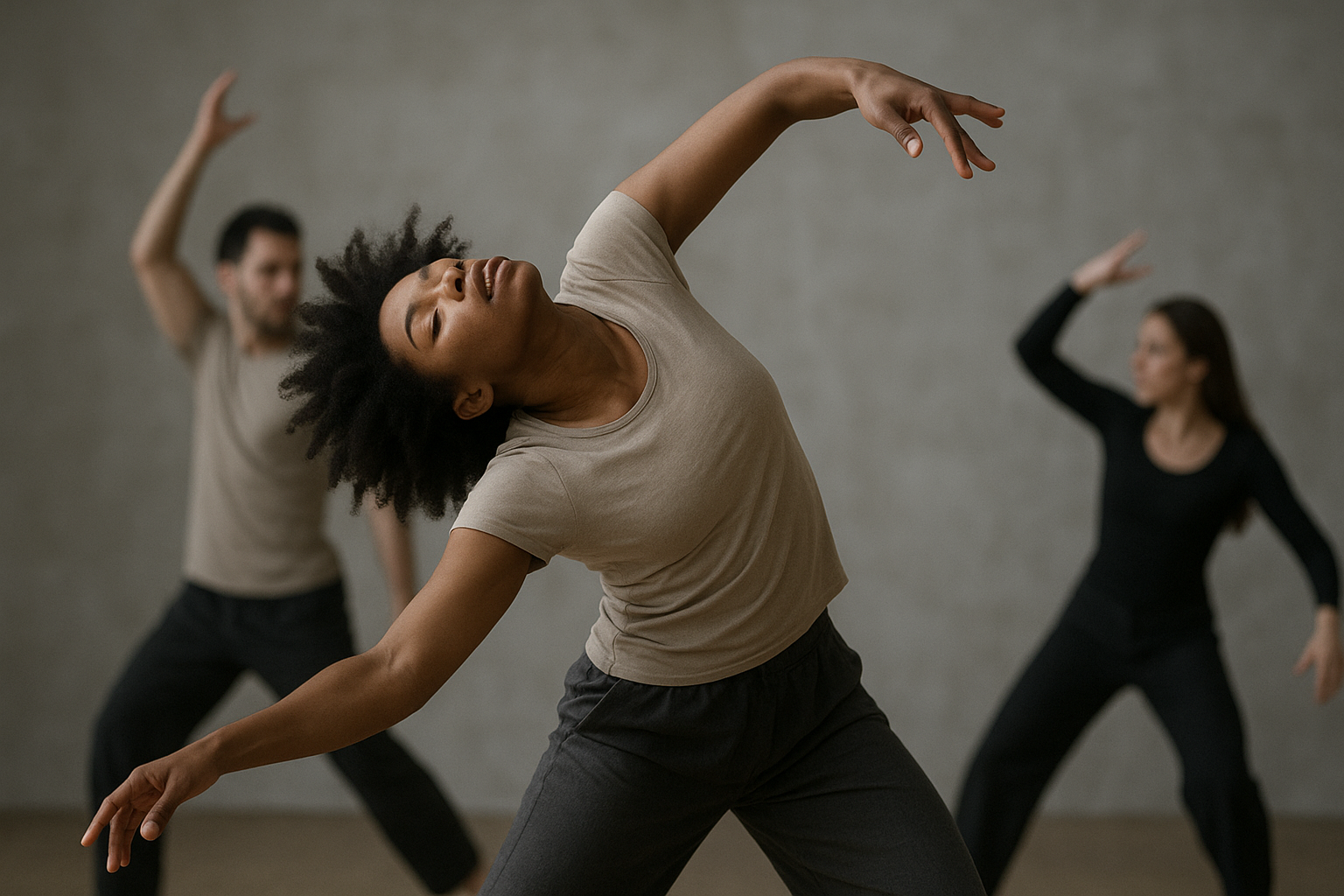
Dance, an art form as ancient as human civilization itself, has experienced an evolution that reflects the complexities and nuances of the societies that nurture it. Amongst the myriad of dance styles that have emerged over time, contemporary dance stands out for its revolutionary approach, breaking away from the constraints of traditional forms. It defies conventional boundaries and embraces innovation, making it a powerful vehicle for creative expression in today’s world.
The Origins of Contemporary Dance
The roots of contemporary dance can be traced back to the early 20th century. During this time, pioneers like Isadora Duncan and Ruth St. Denis began to challenge the rigidity and formality of classical ballet. They sought freedom in movement and sought to express a range of emotions and ideas that traditional techniques couldn’t encapsulate. This rebellion against the existing norms laid the foundation for what we now recognize as contemporary dance.
Defining Characteristics
- Fluidity and Freedom: Contemporary dance is characterized by its fluid movement, often allowing dancers to explore space in unconventional ways. There is an emphasis on organic movements and a connection with the floor.
- Emotional Expression: Unlike ballet, which often prioritizes aesthetic form, contemporary dance places a significant focus on conveying emotion. Dancers are encouraged to express their personal stories and inner conflicts through movement.
- Inclusivity and Diversity: Contemporary dance is often more inclusive than its predecessors. It blends elements from various dance forms across the world, such as modern, jazz, hip-hop, and even folk styles.
- Innovation and Experimentation: There are no standard movements in contemporary dance. Choreographers are constantly inventing and experimenting with new ways to use the body and interact with the environment.
Rejecting Convention: A Reflection of Society
Contemporary dance’s inclination to reject traditional structures can be seen as a mirror of modern society’s continuous struggle against imposed norms and limitations. This dance form encourages breaking free from gender roles, cultural confines, and social expectations. As noted by artist and scholar Mary Wigman:
“Dance should be a reflection of the spirit, the pulse of the times, and not just steps to be memorized.”
A Global Phenomenon
Contemporary dance is not limited to Western contexts; it is a global phenomenon. For instance, choreographers like Akram Khan infuse traditional Indian dance forms with contemporary dance, creating rich narratives that speak to global audiences. Similarly, Ohad Naharin, known for his development of the “Gaga” movement language, uses contemporary dance to celebrate the capabilities and imperfections of the human body.
Controversies and Critiques
While many celebrate contemporary dance for its boundless creativity, it is not without its critics. Some argue that the lack of structure and traditional technique can sometimes lead to performances that are incoherent or inaccessible to audiences not versed in the language of contemporary dance. Nonetheless, this very aspect makes contemporary dance an exciting and unpredictable art form.
Embracing Technology
The incorporation of technology in contemporary dance is yet another testament to its revolutionary spirit. From the use of digital media and projections to the integration of virtual reality, contemporary dance is at the forefront of merging technology with art. Choreographer Wayne McGregor, for example, often partners with scientists to explore how technology can extend the human body’s capabilities and explore new dimensions in dance.
The Role of Education and Community
Dance education and community engagement play vital roles in spreading contemporary dance’s revolutionary ethos. Dance institutions across the world offer programs that encourage students to explore and create, rather than replicate pre-existing works. This educational philosophy nurtures dancers who are innovators and thinkers, prepared to break norms and contribute to the ever-evolving dance landscape.
Conclusion
Contemporary dance, in its rejection of tradition, offers a platform for limitless expression and innovation. It captures the chaos and beauty of the contemporary world and allows both artists and audiences to engage with it in a deeply personal and profound way. As we continue to confront the challenges of the modern era, contemporary dance remains a powerful testament to human resilience and creativity.