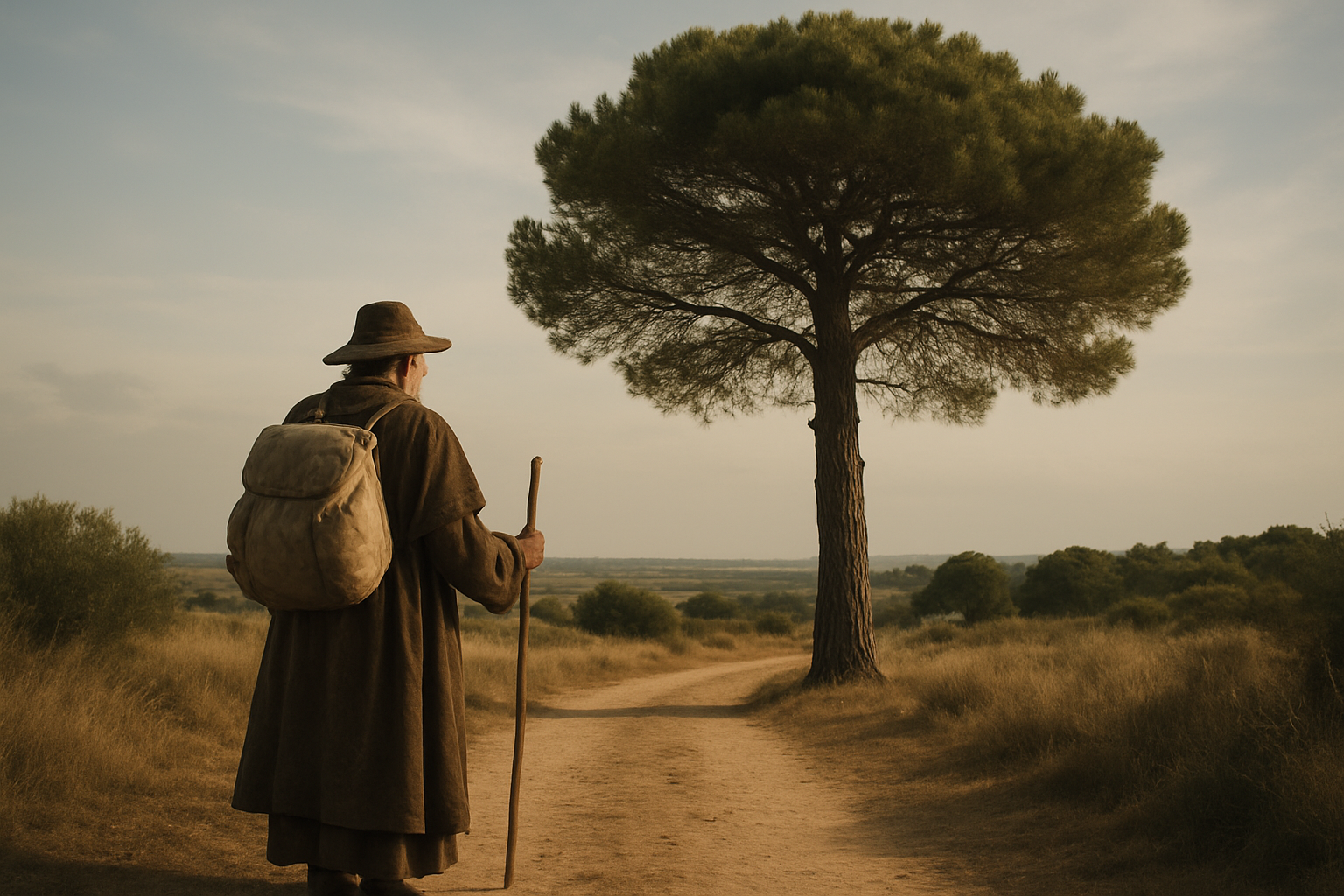
The Pilgrim and the Pine: Companions on the Silent Way
The journey of life has often been metaphorically described as a road, pathway, or pilgrimage. This metaphor, deeply rooted in diverse cultures and eras, conveys a sense of movement, discovery, and transformation. One notable symbolism in such journeys is the companionship of nature, particularly the companionship between the pilgrim and the pine tree—a steadfast and silent witness to the passing of countless sojourners.
The Historical Significance of the Pilgrim
Throughout history, the term pilgrim has been attributed to individuals undertaking journeys with a sacred or spiritual purpose. Perhaps the most iconic of these journeys is the medieval pilgrimage to Santiago de Compostela in Spain, known as the Camino de Santiago or the Way of St. James. Pilgrims, often dressed in simple attire and carrying minimal necessities, would traverse miles across various terrains, discovering not only new landscapes but also new insights into their own spirituality.
“In an era before air travel or mass transit, a pilgrimage to the sacred site of St. James in Spain could take months or even years, with pilgrims covering up to 15 miles a day through diverse regions spanning from the Pyrenees in France to the Cathedral of Santiago de Compostela.”
— National Geographic
The Pine: A Symbol of Endurance
Standing tall and unwavering in the face of time and weather, the pine tree is a powerful symbol of endurance, resilience, and eternal life. In many cultures, pines are revered for their ability to thrive in harsh conditions where few other trees can survive. Their deep roots and evergreen nature are often seen as representations of stability and perseverance.
For pilgrims, pines provide not only shade and shelter but also represent continuity through the ages. These trees, silent yet ever-present, stand along pathways used for centuries, watching as travelers pass by, each with their own stories and aims.
The Silent Way: Pilgrimage Paths Among Pines
Nature trails and pilgrimage routes often intersect, populated by these stoic trees. In locales like Japan, pilgrims walking the Kumano Kodo trail find themselves immersed in lush pine forests. Similarly, walkers on the Camino de Santiago often traverse through stretches lined with ancient pines, offering companionship and a sense of timelessness.
- Kumano Kodo, Japan: Known for its spiritual significance and stunning landscapes, this ancient network of trails has been an integral part of the Shinto and Buddhist religious traditions. Pilgrims often speak of the serene presence of pines—alive with tranquility and meditative grace.
- Camino de Santiago, Spain: Infused with both regional folklore and religious fervor, this pilgrimage route sees a plethora of trees, particularly in regions such as Galicia, where writings of past pilgrims often detail the spiritual calm these trees impart.
The Metaphor of Companionship
The relation between the pilgrim and the pine is emblematic, each reflecting the virtues of the other. The pilgrim is transient, navigating through the challenges and joys of the journey, while the pine remains constant, embodying strength and fidelity. As companions on the silent way, they encapsulate the journey of the soul through the world—a journey marked by moments of stillness and moments of movement.
In literature and poetry, this companionship is well-documented. The writings of Basho, the famed Edo-period Japanese poet, often evoke the image of pines as companions to wanderers. In his haiku, a pine stands as a witness to the brief yet poignant moments experienced during a journey:
“Lonely on the road,
hearing the wind in the pines,
Pilgrim’s heart laid bare.”
— Matsuo Basho
Lessons from the Journey
In the modern world, where rapid progress often eclipses moments of reflection, the image of the pilgrim and the pine serves as a poignant reminder of the need for stillness and introspection. Here are some enduring lessons their companionship imparts:
- Resilience and Adaptability: Just as pines adapt to their surroundings, retaining their greenery through all seasons, pilgrims learn to adapt to the unpredictability of their journeys.
- Patience and Endurance: A pilgrim’s journey is not merely about reaching a destination but the patience required to appreciate the path itself, mirrored by the slow, steady growth of the pine.
- Introspection and Communal Bond: Solitude on pilgrimage encourages introspection, while the presence of pines offers a silent but significant connection to the natural world around.
Conclusion: The Eternal Way
The ongoing journey of life is a testament to the timeless relationship between travelers and the natural world. The pilgrim and the pine represent a bond unbroken by time—a quiet partnership that transcends the individual experiences of countless souls who have walked the silent way.
As our lives become increasingly hectic, these silent companions remind us of the beauty found in slowing down and embracing the wisdom of nature. Whether on a physical trail or a metaphorical path, the companionship of a steadfast pine will always offer guidance and friendship to those who seek it.