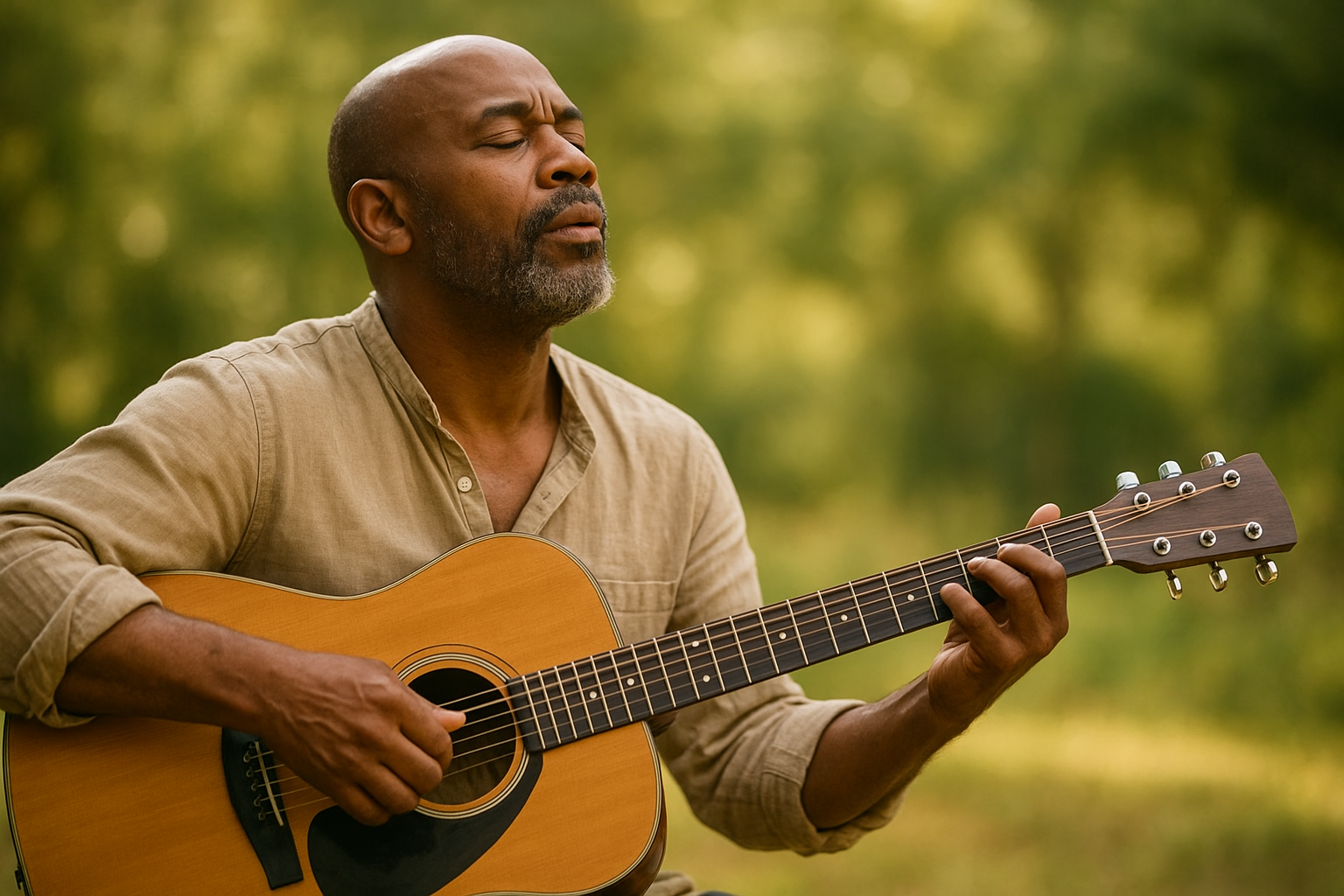
In a world that often demands control, precision, and certainty, the practice of letting go can feel both foreign and daunting. Yet, this very act of release — of improvisation — has found its role as a transformative spiritual discipline. It challenges us to trust the unknown, to find comfort in the chaotic, and to cultivate a deeper connection with the self and the universe. Let this exploration guide you through the intertwining of improvisation and spiritual growth.
Improvisation: More Than Just Spontaneity
Improvisation is frequently associated with the arts — jazz musicians riffing on a theme, actors performing without a script, dancers moving freely to the music. However, the essence of improvisation extends beyond these creative realms. It is a practice rooted in the relinquishment of control, inviting one to respond authentically to the present moment. According to Viola Spolin, often considered the mother of improvisational theater, “Improvisation is not a special talent of a few but an inherent ability we all possess.”
- Embracing Uncertainty: At its core, improvisation involves embracing the uncertainty of the present. This can be likened to spiritual practices that encourage surrendering to a higher power, reflecting a conscious release of the ego’s need to control and predict.
- Cultivating Presence: Being fully present is a cornerstone of both meditation and improvisation. Each moment calls for mindful attention, encouraging deep awareness and connection to the now.
- Engaging with Vulnerability: Improvisation requires courage—courage to be seen, to be imperfect, to explore the unknown. This vulnerability is a profound spiritual act, fostering growth through openness and authenticity.
Spiritual Traditions Embracing Improvisation
Throughout history, various spiritual traditions have revered improvisation as a means to connect with the divine and to achieve spiritual enlightenment.
- Sufi Whirling: The mystical dance of the Sufi dervishes epitomizes the art of letting go. Sufi whirling is a form of physically active meditation, where practitioners spin in repetitive circles, a symbolic imitation of planets orbiting the sun. This practice facilitates a profound connection with the divine, illustrating how disciplines that involve improvisation help transcend the ego and tap into a greater spiritual consciousness.
- Zen Archery: In the Zen tradition, archery is not merely about hitting a target but about achieving a state of zen or ‘no-mind.’ The focus is on the process — drawing the bow, fully entering the moment, and letting the arrow fly with trust in the present action. As Eugen Herrigel describes in his book Zen in the Art of Archery, the practice aims to “release the arrow without interference from the conscious will.”
The Psychological and Spiritual Benefits of Improvisation
The practice of letting go through improvisation has powerful psychological benefits, which in turn contribute to spiritual well-being.
- Reduces Anxiety: Engaging in improvisation can significantly lower stress levels. By stepping into unpredictability, individuals learn to navigate and adapt to changing circumstances, thus bolstering resilience.
- Enhances Creativity: The absence of a predetermined path liberates the mind, fostering innovation and creativity. This not only nurtures artistic expression but also promotes problem-solving abilities and flexible thinking.
- Strengthens Mindfulness: Dedicated improvisation practices, akin to mindfulness meditation, encourage an enhanced state of awareness. The fluidity of the practice positions practitioners to become acutely attuned to their thoughts, emotions, and surroundings.
- Promotes Authenticity: Improvisation compels individuals to act from a place of authenticity, bypassing rehearsed narratives and societal expectations. This nurtures a deeper understanding and acceptance of the true self.
Integrating Improvisation into Spiritual Practice
For those inspired to incorporate improvisation into their spiritual journeys, practical steps can guide the process:
- Start with Small Practices: Introduce improvisation gradually. This could be as simple as having open-ended discussions, embodying spontaneous movements, or journaling without constraints.
- Encourage Playfulness: Approaching improvisation with a playful attitude alleviates the fear of making mistakes. Play is a vital component, as it allows new possibilities to emerge without the pressure of judgment.
- Create Safe Spaces: Whether solo or in a group, establish environments where individuals feel safe to express without fear of judgment or failure.
- Reflect and Integrate: After improvisational practices, take time to reflect. Journaling or discussing experiences can help integrate insights and foster personal and spiritual growth.
Conclusion: The Dance of Improvisation and Spiritual Growth
The art of letting go through improvisation is not merely an artistic endeavor; it is a transformative spiritual discipline. By choosing to embrace uncertainty, cultivate presence, and engage with vulnerability, individuals can unlock profound psychological and spiritual benefits.
“Life is a dance between making it happen and letting it happen,”
writes Arianna Huffington, capturing the essence of living with intentional spontaneity.
As we navigate the complexities of existence, may we find courage and inspiration in the unstructured dance that is improvisation, and through it, open ourselves to deeper spiritual fulfillment.