Tag: water

  • The Water Path – Following Life’s Gentle Descent

    The Water Path – Following Life’s Gentle Descent

    In the realm of natural phenomena, water stands as an unparalleled guide, shaping the terrain, life, and ecosystems with its gentle yet persistent flow. This elemental force follows gravity’s pull, carving valleys, nurturing life, and etching its story over eons. The water path is a journey marked by fluidity and adaptability, offering insights into resilience and interconnection. This article delves into the profound journey of water from source to sea, illustrating its vital role in sustaining life and shaping our planet.

    The Beginning: Mountain Rivulets to Mighty Rivers

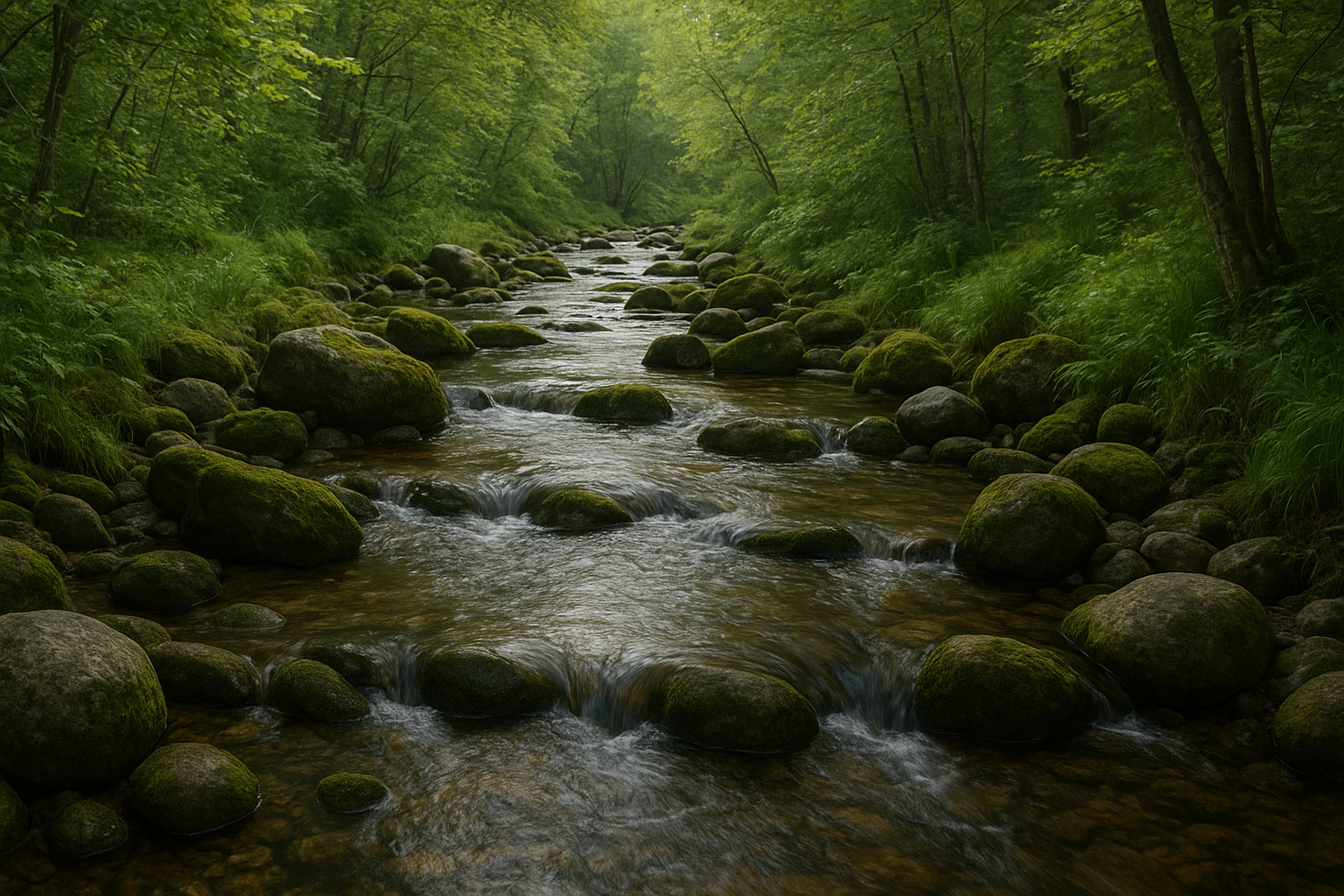
    Water begins its terrestrial journey high in the mountains, often as snow or rain. Melting snowpacks and rainfall feed the initial threads of streams and rivulets. These small channels unite, forming the headwaters of mighty rivers. In each drop, a story of eroded rock, transported sediment, and dissolved minerals begins. According to the U.S. Geological Survey, “rivers and streams are dynamic, evolving systems that play a key role in shaping the landscape.”

    Energy and Erosion

    As water gains momentum, it harnesses kinetic energy, scouring and shaping the landscape. This dynamic interaction is responsible for creating dramatic canyons and fertile valleys. The Grand Canyon, formed over millions of years by the Colorado River, serves as a stunning testament to water’s power to sculpt the earth.

    Annie Dillard writes, “Rivers run through us in a way that carries life from its source to its outlet, linking each breath to creation itself.”

    Maturation: Sustaining Life, Bridging Worlds

    Descended from the highlands, rivers traverse plains and forests, becoming lifelines for ecosystems and human communities alike. The nurturing role of rivers is multifaceted, as they provide water for drinking, agriculture, and industry while supporting a rich diversity of life along their banks.

    Biodiversity Hubs

    Rivers are biodiversity hubs, teeming with life. They provide critical habitats for fish, amphibians, birds, and countless other species. The Amazon River basin, for example, is home to approximately 10% of the known species on Earth. This richness highlights the importance of conserving freshwater ecosystems to maintain global biodiversity.

    • Fish Migration: Rivers are crucial for migratory fish like salmon, which return from the ocean to freshwater to spawn.
    • Wetland Support: Floodplains and wetlands along riverbanks offer haven for aquatic plants and animals, storing excess water and moderating floods.
    • Human Communities: Towns and cities historically emerged along rivers, thriving on their resources and connectivity.

    The End: Oceans, the Ultimate Reservoir

    The water path culminates in the oceans, where rivers meet the sea. Oceans cover approximately 71% of the Earth’s surface and serve as massive reservoirs of water, heat, and carbon dioxide. Rivers not only bring fresh water to the oceans but also deliver nutrients and sediments that are vital for marine life.

    Deltas: Fertile Meeting Grounds

    At the river’s mouth, deltas form, shaped by the gentle deposition of sediments carried over long distances. These fertile regions are some of the most productive ecosystems on the planet, supporting both marine and terrestrial species.

    “The delta is the water’s résumé,” wrote Michael Forsberg, “a living testimony to a river’s journey from mountains to sea.”

    Challenges Along the Water Path

    As we follow the water path, it’s clear that this journey is not without challenges. Climate change, pollution, and human intervention threaten the intricate balance of aquatic ecosystems, impacting their ability to sustain life.

    Climate Change and Altered Cycles

    Climate change alters precipitation patterns, increases droughts and floods, and raises sea levels, disrupting the delicate flow of water. According to the Intergovernmental Panel on Climate Change (IPCC), “Climate change will exacerbate current hazards and introduce new risks for natural and human systems.”

    Pollution: An Obstructed Path

    Water pollution from agricultural runoff, industrial waste, and plastic debris clog the water path, endangering aquatic life and human health. Addressing pollution requires multinational cooperation and stringent environmental regulations.

    Human Alterations and Their Impacts

    Dam building, water diversion for irrigation, and urban development alter natural watercourses, often with unforeseen consequences. These interventions can lead to habitat loss and changes in the ecological balance.

    Conclusions: Embracing Water’s Wisdom

    The journey of water from mountain peak to ocean deep is a profound metaphor for resilience and interconnectedness. Observing water’s path encourages us to appreciate the delicate balance sustained by this life-giving resource and the need to protect it. We are reminded by John Steinbeck, who poignantly said, “The water flowing in streams is life itself flowing, uncontrollable and integral to the fabric of existence.”

    In crafting sustainable futures, understanding and respecting the water path is imperative. By embracing the wisdom of water, we can forge a deeper connection with the natural world and ensure that life’s gentle descent is preserved for generations to come.

  • Water Mirror Mind – Seeing Yourself in the Flow

    Water Mirror Mind – Seeing Yourself in the Flow

    Water Mirror Mind: Seeing Yourself in the Flow

    The art of self-reflection often draws parallels to reflective surfaces—mirrors, still lakes, and sometimes the rippling water younger souls would skip stones across. Water embodies reflection both literally and metaphorically, revealing layers of truth that we may overlook in our fast-paced lives.

    “I will arise and go now, and go to Innisfree,
    And a small cabin build there, of clay and wattles made:
    Nine bean-rows will I have there, a hive for the honey-bee,
    And live alone in the bee-loud glade.”
    — William Butler Yeats

    Yeats’ vision of tranquility and reflection in “The Lake Isle of Innisfree” captures the essence of seeing oneself in a watery mirror. It invites a connection with nature and an introspective journey. Literarily and practically, the concept of the “Water Mirror Mind” suggests that by seeing the world in flux, as water is often in motion, we too can start to perceive our role and presence in the greater flow of life.

    The Fluid Nature of Identity

    Consider the idea that our identities are not static. Just as water flows, overcoming obstacles and changing form, so does our understanding of self. It is through life’s challenges—those unexpected hardships, joyful peaks, and quiet valleys—that we sculpt our cognition and self-awareness.

    • Dynamic and Ever-changing: Our personalities adjust to new circumstances.
    • Reflective and Deep: Like a still pond, our reflections can be clear or distorted depending on the ‘winds’ of our environment.
    • Transcendent: Water evokes a sense of spiritual flow, connecting and integrating diverse experiences and identities.

    Discovering Depth Through Meditation

    Meditation and mindfulness practices, akin to gazing into a calm water surface, enable the mind to settle and thoughts to clarify. These practices provide space for self-reflection and personal discovery.

    • Visualizing Flow: Imagining oneself as a part of the water cycle brings an understanding of larger systems and one’s transient role within them.
    • Inviting Stillness: Just as calm water reflects the sky, a quiet mind mirrors back its own depths.
    • Embracing Impermanence: Recognizing that both water and thought patterns transform and shift, this acceptance fosters peace and adaptability.

    As noted by Sharon Salzberg in her book “Real Happiness”, meditation can help individuals “develop a more spacious mind… allowing us to engage with the world from a place of greater inner flexibility and resilience” (Sharon Salzberg).

    Ecological Reflections and Personal Responsibility

    The metaphor of water not only serves as a tool for personal reflection but also brings forward the critical need for ecological awareness and responsibility. Water, vital to all life, is increasingly endangered. Our introspection can guide us to better stewardship and actions that honor both personal and environmental health.

    “Water is the driving force of all nature,” said Leonardo da Vinci.

    This timeless observation propels us to consider how we interact with our natural resources. Becoming environmentally conscious enhances our path of self-reflection—realizing the shared human responsibility for maintaining the flow of life.

    Conclusion: Embracing the Water Mirror Mind

    Adopting the “Water Mirror Mind” opens a pathway to greater self-awareness, understanding, and ecological mindfulness. It encourages recognizing the fluid aspects of identity while grounding them in the present flow.

    Whether through moments of meditative stillness or actively participating in safeguarding our ecosystems, the water mirror provides profound relational wisdom. After all, each ripple we create resonates far beyond our initial sight—a testament to the interconnectivity and delicate balance of all life.

    As we align our actions with the rhythmic cycles of nature, we foster a legacy of watershed moments, reflecting both inner truths and our shared stewardship of this blue planet.

  • Under the Bamboo Moon – Zen Reflections in Nature’s Mirror

    Under the Bamboo Moon – Zen Reflections in Nature’s Mirror

    The moon casts its silvery glow over the swaying bamboo groves, creating a serene tableau that has inspired Zen practitioners for centuries. The quiet rustling of leaves and the gentle play of moonlight on their surface invite introspection and tranquility. This scene serves as a reflection of the Zen tradition’s deep intertwining with nature, where natural phenomena become a metaphor for spiritual realization.

    The Bamboo: A Symbol of Strength and Flexibility

    Bamboo, with its lithe form, embodies concepts central to Zen: flexibility and resilience. Huang Po, a renowned Chinese Zen master, once remarked, “The wise adapt themselves to circumstances, as water molds itself to the pitcher.” The bamboo, unyielding yet flexible, mirrors this adaptability—a core tenet in Zen philosophy.

    • Resilience in Adversity: Bamboo withstands intense storms by bending rather than breaking, much like the Zen philosophy of enduring life’s challenges with grace.
    • Growth and Renewal: Bamboo’s rapid growth symbolizes renewal and the potential for personal growth through disciplined practice and meditation.

    Moonlight: Illumination and Enlightenment

    The moon holds a special place in Zen iconography, often representing enlightenment. Its radiant light sheds illumination on the shadowy night, symbolizing the clarity achieved through Zen meditation. Dogen Zenji, a Japanese Zen master, famously said, “Enlightenment is like the moon reflected on water. The moon does not get wet, nor is the water broken.” This imagery highlights the interconnectedness of all things and the nature of enlightenment as both pervasive and non-intrusive.

    “There is nothing more sacred than the connection between nature and the mind. Just as the moon reflects on every pool of water without discrimination, enlightenment embraces everyone.” – Anonymous Zen Saying

    Meditation in Nature: Harmonizing the Mind

    Shunryu Suzuki, a prominent figure in bringing Zen to the West, emphasized meditating in natural settings. He observed, “When you do something, you should burn yourself completely, like a good bonfire, leaving no trace of yourself.” Meditation amidst nature aligns the practitioner with the natural world, promoting harmonization between the inner self and external surroundings.

    • Silence and Stillness: The quietude of a bamboo grove encourages a deep silence that allows the mind to settle, as thoughts diminish like ripples in a tranquil pond.
    • Aware Presence: By immersing oneself in the natural environment, awareness of the present moment sharpens, offering a glimpse into the timelessness of now.

    The Zen Garden: Cultivating Inner Peace

    Zen gardens, or karesansui, known for their simplicity, use landscapes to represent larger spiritual landscapes. Stones and raked gravel symbolize islands and ocean waves, inviting meditation on the subtle interplay between emptiness and form. The placement of each element is intentional, mirroring the precision with which Zen practitioners cultivate their minds.

    • Symbolism and Simplicity: Each feature within the garden holds meaning, prompting contemplation and reflection, stripping away the unnecessary to find purity.
    • Flow and Form: The practice of maintaining a Zen garden is an exercise in mindfulness and patience, reflecting how life itself may be curated with intention and care.

    Conclusion: The Eternal Dance of Light and Shadow

    Under the bamboo moon, the dance of light and shadow inspires endless reflection and enlightenment. Each moment spent in nature’s embrace is an opportunity for Zen practitioners to connect deeply with the world around them, harmonizing the external with the internal. The tranquility experienced serves not only as a retreat but as a profound reminder of the interconnectedness and impermanence of all things.

    As we sit beneath the luminous dome of the night sky, the wisdom of Zen teachings encourages us to reflect inward, cultivating a garden of the mind as peaceful as a moonlit bamboo grove. In this serene silence, where nature’s mirror offers a glimpse into our souls, we find echoes of enlightenment and the ever-present invitation to be fully aware, moment by moment.

  • Listening to Waterfalls – Hearing the Dao in the Roar of Life

    Listening to Waterfalls – Hearing the Dao in the Roar of Life

    Listening to Waterfalls: Hearing the Dao in the Roar of Life

    In the serene and tumultuous meeting of water and earth, the melody of the waterfall resonates with the profound teachings of Dao (or Tao). This ancient Chinese philosophy, known for emphasizing harmony with the natural world, finds a vibrant echo in the thundering cascades of water. This article explores how turning our attention to waterfalls can open channels of understanding to Dao, offering lessons in harmony, balance, and the continuous flow of life.

    The Natural Symphony of Waterfalls

    Waterfalls are nature’s symphonies, an amalgamation of sights and sounds that captivate the senses. The relentless movement of water over rock epitomizes the Daoist principle of wu wei, or effortless action. Laozi, the semi-legendary founder of Daoism, encapsulated this idea in his seminal work, Taodejing.

    “The best are like water, benefiting all things and competing with none. They dwell in lowly places that all disdain. This is why they are so near to the Dao.” — Laozi, Daodejing

    The unyielding flow of a waterfall, adaptable and persistent, exemplifies how one can achieve great impact through gentleness and resilience. It shows us how, like water, we can shape our destiny by yielding to the natural order of life instead of resisting it.

    Harmony and Balance in Nature

    Listening to waterfalls can provide insight into the Daoist concept of balance — the dance between yin and yang. The cycle of water, from pool to cascade to river and back to pool, mirrors the cyclical nature of life itself. Each droplet that falls is both an individual entity and part of a greater, harmonious whole.

    • Yin: The receptive, dark, and soft aspects of the water as it pools, lying still and reflective.
    • Yang: The dynamic, bright, and active nature of the water’s leap over the rocks, vibrant and full of energy.

    The continuous interplay between these forces is a vivid reminder that life thrives in balance, and that the ceaseless interplay of polarities is a source of creativity and vitality.

    Lessons of Impermanence and Change

    Waterfalls are ephemeral, ever-changing spectacles. No two moments at a waterfall are ever identical; the water that passes over the cliff is transient, a fleeting passage in the continuum of its existence. This constant change embodies the Daoist acceptance of impermanence, promoting an awareness of the present moment.

    “Life is a series of natural and spontaneous changes. Don’t resist them — that only creates sorrow. Let reality be reality. Let things flow naturally forward in whatever way they like.” — Laozi

    Understanding waterfalls can help us let go of attachments and accept that change is an intrinsic part of the universe. By embracing the waterfall mindset, we improve our ability to adapt gracefully to life’s vicissitudes, a core component of Daoist survival wisdom.

    The Roar of Life

    The sound of a waterfall is both soothing and powerful, often described as a roar. In the raw power of its voice, we can perceive a metaphor for the life force that courses through all living beings. This energy, or qi, is central to Daoist thought, representing the breath of life that binds the universe together.

    The churning waters teach us to harness our inner strength and potential. Just as the waterfall transforms obstacles into opportunities for movement and growth, we learn to channel our energies constructively and find a path through life’s adversities.

    The Path to Spiritual Tranquility

    Finding spiritual tranquility requires both an inner and outer journey. Listening to a waterfall can be an exercise in mindfulness, encouraging us to center our mind and spirit. According to Daoism, nature shows us the way; thus, immersing ourselves in its rhythms through attentive listening can guide us towards enlightenment and inner peace.

    “Nature does not hurry, yet everything is accomplished.” — Laozi

    In this sense, a waterfall becomes a natural meditation tool, offering us a chance to pause, reflect, and realign with the natural order of the cosmos.

    Conclusion: Embracing the Dao

    To hear the Dao amidst the roar of a waterfall is to recognize the profound wisdom inherent in the natural world. By observing and listening to these majestic cascades, we learn to emulate their flow, adapt to life’s changes, and find balance in its dualities. This symbiosis with nature is at the heart of Daoism, offering timeless insights for modern living.

    Embrace a day by a waterfall, let its music envelop you, and let it remind you of the simplicity, beauty, and wisdom of the natural world. In its roar lies the quiet voice of the Dao, calling us back to our roots, inviting us to live in harmony with the world around us.

  • Unseen Rivers – Following the Hidden Flow Beneath All Things

    Unseen Rivers – Following the Hidden Flow Beneath All Things

    Unseen Rivers: Following the Hidden Flow Beneath All Things

    Water, nature’s vital lifeblood, is often celebrated for its majestic lakes, vast oceans, and sprawling rivers. Yet, beneath this visible splendor lies a network of hidden waterways, quietly sustaining ecosystems and civilization alike. These unseen rivers flow beneath the very earth we tread, shaping landscapes in ways often unnoticed by the untrained eye.

    The Mystery of Subterranean Waterways

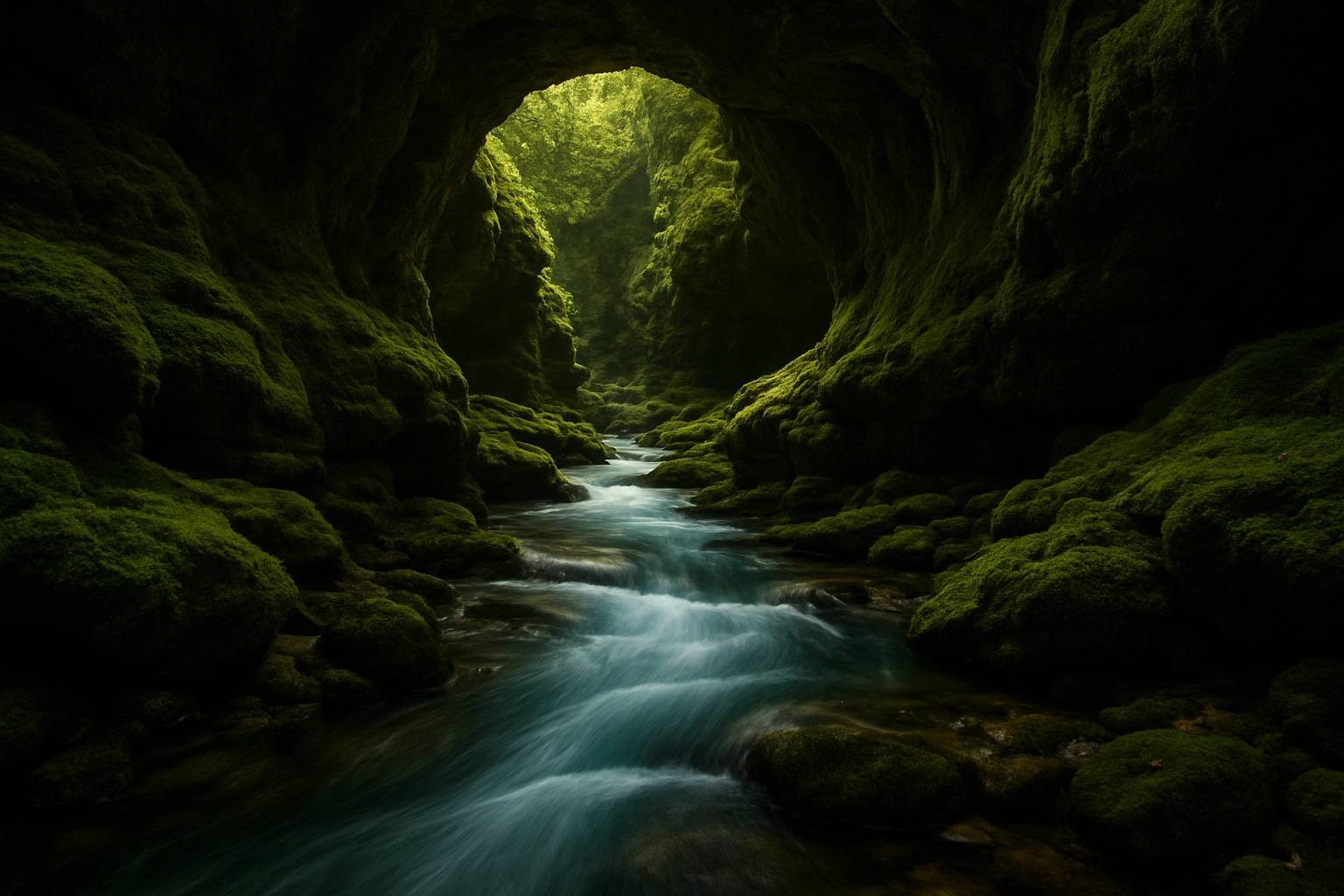
    Below the surface of our planet, intricate networks of aquifers and underground rivers play crucial roles in maintaining ecological balance. These hidden channels form through a natural process called karstification, where the dissolution of soluble rocks like limestone creates vast voids and cavities. As time progresses, these void spaces evolve into conduits for water flow, silently carrying resources essential for life above.

    “[Karst aquifers] provide approximately 25% of the world’s population with water for drinking, irrigation, and other uses. They are among the most productive but also the most vulnerable groundwater systems. Karst areas host many of the planet’s most fragile and unique ecosystems.”

    Ecological Significance

    The significance of these unseen rivers extends beyond mere geology. They serve as vital reservoirs, ensuring freshwater supply during dry periods. Moreover, they support a host of unique ecosystems home to species uniquely adapted to these dark, nutrient-rich environments.

    • Unique Habitats: Subterranean environments nurture specialized life forms, including rare fungi and cave-dwelling invertebrates.
    • Ecological Connectivity: During times of drought, these hidden reserves become lifelines, supporting surface water bodies and maintaining ecological continuity.
    • Natural Filtration: As water percolates through soil and rock, it undergoes natural filtration processes, which help purify it before surfacing.

    Human Dependence on Hidden Waters

    On a human scale, unseen rivers bear significant responsibilities. They underpin agricultural systems, supply drinking water, and drive industrial processes worldwide. An estimated two billion people rely on groundwater, including aquifers fed by these hidden channels. Their importance is particularly pronounced in arid regions where surface water is scarce.

    “Groundwater is critically vital for food production, with approximately 38% of irrigated land worldwide depending on it. As food demand escalates, there’s increased pressure on these hidden sources.”

    The Perils Facing Hidden Rivers

    Despite their importance, these subterranean systems face a host of threats stemming from human activity and climate change:

    • Pollution: Agricultural run-off, industrial waste, and toxic spills contribute to groundwater contamination, jeopardizing both ecosystems and human health.
    • Unsustainable Extraction: Excessive extraction for agricultural and urban needs leads to aquifer depletion, causing issues like land subsidence.
    • Climate Change: Altered precipitation patterns disrupt the natural recharge of aquifers, threatening their long-term viability.

    Efforts to protect these unseen rivers are mounting, but progress is slow amidst the competing demands and pervasive impact of human development.

    Exploring and Mapping the Unseen

    Advancements in technology are shedding light on this hidden world. With tools like ground-penetrating radar and LiDAR, scientists are uncovering more about the extent and characteristics of these subterranean networks.

    Maps and models of ancient underground aquifers like the Great Artesian Basin in Australia or the Ogallala Aquifer beneath the American Great Plains help better understand these systems. Not only do they offer insights into their size and scope, but also provide data crucial for water management and conservation efforts.

    A Call to Action

    Understanding and protecting these hidden rivers is paramount. As climate change intensifies and demands on water resources grow, there is an urgent need for a sustainable approach that considers these subterranean sources. Collaborative international efforts and stricter regulations on groundwater extraction and pollution are vital, along with policies that support scientific research and innovation.

    Educating communities about the irreplaceable value of these secret waterways can spur coordinated conservation efforts, fostering a holistic view of earth’s interconnected water systems.

    Conclusion

    Unseen rivers, those enigmatic and vital layers of our planet’s hydrology, are much more than geological curiosities. They sustain us, provide refuge and habitat for life forms, and carry out natural processes far beyond our typical field of vision. Remembering their importance—and the fragility—reminds us to tread carefully on the surface, forever aware of the hidden worlds that lie beneath.

  • The Mirror Lake – Seeing the Dao Reflected in Nature

    The Mirror Lake – Seeing the Dao Reflected in Nature

    The Mirror Lake: Seeing the Dao Reflected in Nature

    The philosophy of Daoism, or Taoism, has fascinated scholars, mystics, and nature lovers for centuries. At its core, Daoism emphasizes harmony with the natural world, seeking to align one’s life with the universal order—referred to as the Dao, or “The Way.” One of the most profound metaphors for understanding and experiencing the Dao is through the imagery of a “Mirror Lake,” a concept that wonderfully encapsulates the reflective nature of reality and personal insight.

    The Significance of Water in Daoism

    Water—as a symbol—plays a pivotal role in Daoist thought. The ancient philosopher Laozi, in the foundational text Tao Te Ching, compares the qualities of water to the ideal Daoist life. In Chapter 8, he states:

    “The highest good is like water. Water gives life to the ten thousand things and does not strive. It flows in places men reject and so is like the Dao.”

    Water embodies humility, adaptability, and softness, yet holds the strength to shape landscapes over time. These intrinsic qualities symbolize the Daoist virtues of wu wei (effortless action), humility, and the profound strength of gentleness. In the concept of the Mirror Lake, water reveals its reflective property, illustrating the Dao’s contemplative and introspective nature.

    Mirror Lake: Reflecting Promptings of the Soul

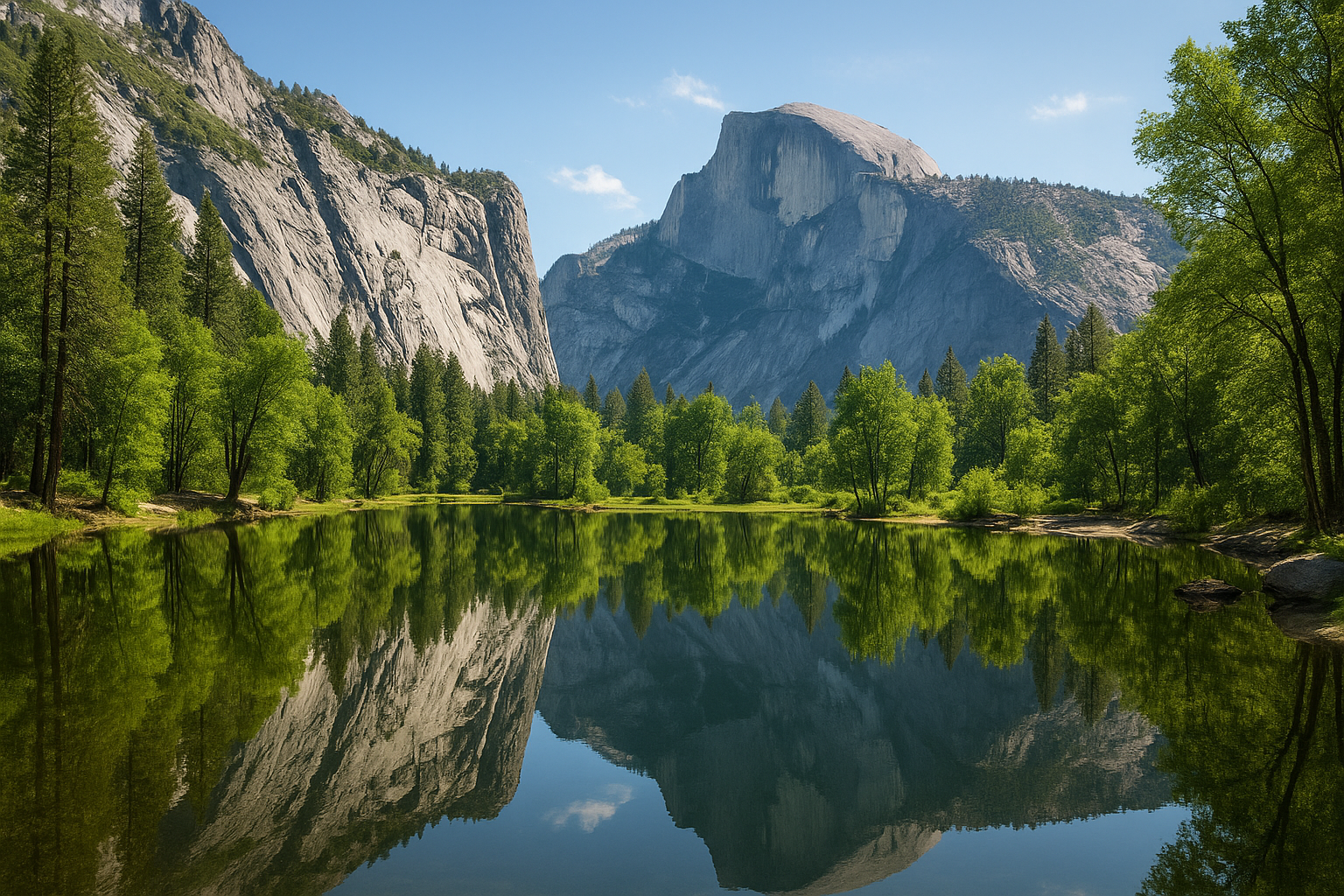
    The idea of a lake acting as a mirror is layered with meaning in Daoism. As a literal mirror reflects the world around it, so does “Mirror Lake” reflect the deeper truths of one’s inner self. The stillness and clarity of water allow for a perfect reflection, metaphorically suggesting that when our mind achieves tranquility and clarity, it mirrors the Dao more accurately.

    Harmony with Nature: A mirror lake, untouched and undisturbed, presents a flawless reflection of the sky, trees, and surrounding environment. This image reflects the Daoist ideal of living in harmony with nature, encouraging a lifestyle of minimal disturbance to the natural order. In this balance, one might find peace and contentment within the natural world.

    • Tranquility: The lake’s calm surface is akin to a mind free from distraction and conflict. A state of effortless mindfulness enables one to align with the Dao effortlessly.
    • Depth: Like the depths of the lake holding unseen mysteries, so too does the Dao encompass all the complexities and subtleties of life. Every ripple, every reflection tells a story of what lies beneath.
    • Reflection and Insight: By looking into the mirror lake, a person not only reflects externally but internally. This reflection is a metaphor for self-examination and enlightenment.

    Nature as Teacher

    In Daoism, nature is more than a backdrop; it is a teacher and a source of wisdom. A mirror lake, with its ability to present an unblemished reflection, is symbolic of the lessons nature provides—if only one chooses to inquire deeply. In his poetic essay “Walking,” transcendentalist Henry David Thoreau, whose writings closely align with Daoist thought, illustrates this connection:

    “I think that I cannot preserve my health and spirits unless I spend four hours a day at least… sauntering through the woods and over the hills and fields, absolutely free from all worldly engagements.”

    Like Thoreau, Daoists believe that engaging earnestly with the natural environment heals and educates the spirit.

    The Practice of Wu Wei on the Water

    Daoism introduces the concept of wu wei, which translates to “non-action” or “effortless action.” It’s the principle of aligning so perfectly with the natural flow of life that action becomes spontaneous and unforced. The Mirror Lake offers a perfect lesson in this, where the water flows and reflects without conscious thought, yet achieves tranquility and balance.

    • Effortless Reflection: The lake reflects without trying, a perfect embodiment of wu wei. Humans, too, are encouraged to act without aggressive striving, allowing life to unfold naturally.
    • Adapting to Circumstances: Water in a lake takes the shape of the land that contains it, teaching adaptability. This lesson reminds individuals to be flexible with life’s changes.

    Modern Reflections: The Relevance of the Mirror Lake Today

    In an increasingly fast-paced and technologically saturated world, the metaphor of the Mirror Lake is ever pertinent. It calls for moments of pause, reflection, and contemplation amid the noise of modern life. Aligning with the Daoist principle of natural harmony offers liberation from stress and an opportunity to rediscover simplicity and inner peace.

    The environmental messages in the Mirror Lake metaphor further emphasize the importance of respecting, preserving, and learning from the natural world rather than dominating it. Nature’s profound capacity to teach us about balance and reflection offers invaluable guidance amidst ecological concerns today.

    Conclusion

    The Mirror Lake serves as both a literal and metaphorical reflection of the key principles of Daoism. In its depths, one sees the ideas of harmony, reflection, and the pursuit of inner stillness, mirroring the profound insights of the Dao. As water reflects the world around it, so too can individuals reflect upon themselves and their place in the universe—offering a path to both personal enlightenment and a more harmonious existence with nature.

    Linking ancient wisdom with contemporary living, the Mirror Lake not only underscores enduring truths within the Daoist tradition but also resonates deeply with those seeking a more balanced, mindful, and meaningful life.

  • Leaves Falling on Water – Impermanence in the Daoist Eye

    Leaves Falling on Water – Impermanence in the Daoist Eye

    Leaves Falling on Water: Impermanence in the Daoist Eye

    In the heart of an autumn forest, the gentle rustling of leaves paints a picture of nature’s profound impermanence. As each leaf drifts towards water, it carries with it an ancient philosophy, a quiet testament to the Daoist view of life’s transience.

    The Essence of Daoism

    Daoism, also known as Taoism, is a philosophical and spiritual tradition originating in China around the 4th century BCE. Founded upon the teachings of Laozi and the text Tao Te Ching, Daoism emphasizes living in harmony with the Dao or “the Way,” which signifies the fundamental nature of existence.

    “The Tao that can be told is not the eternal Tao. The name that can be named is not the eternal name.” – Tao Te Ching

    At its core, Daoism teaches the virtue of simplicity, humility, and living in accordance with the natural world. Integral to this philosophy is the acceptance of change as the only constant, much like leaves that fall and dissolve into the waters below.

    The Metaphor of Falling Leaves

    Falling leaves serve as a powerful metaphor for the Daoist concept of wúwéi (无为), often translated as “non-action” or “effortless action.” This does not imply inaction but rather aligning one’s actions with the natural flow of the universe.

    • Letting Go: Just as leaves must fall, so must we release attachments. In the Daodejing, it is written, “By letting go, it all gets done. The world is won by those who let it go.” (Chapter 48)
    • Cycle of Renewal: The decay of leaves enriches the soil, fostering new growth. This cycle mirrors the Daoist belief in the continuous transformation and renewal of life.
    • Harmony with Nature: Understanding nature’s rhythms allows us to live in harmony with the forces that govern our existence, reducing struggle and fostering peace.

    The Water Element in Daoism

    In Daoism, water is a vital element symbolizing adaptability, humility, and strength. It is yielding yet powerful, able to wear away stone over time. Laozi writes:

    “Nothing in the world is as soft and yielding as water. Yet for dissolving the hard and inflexible, nothing can surpass it.” (Tao Te Ching, Chapter 78)

    Leaves falling on water symbolize the perfect interaction between the transient and the eternal. The leaves’ journey is temporary, but their impact on the water is lasting, reminding us that while life is impermanent, it is also profoundly interconnected and cyclical.

    Impermanence as Freedom

    The concept of impermanence can seem daunting, evoking a sense of loss or instability. However, through the Daoist lens, it is liberating. By recognizing and embracing impermanence, we free ourselves from unnecessary burdens and fears of what is beyond our control.

    This acceptance grants us the ability to live more fully in the present moment, understanding that each moment is unique and precious precisely because it is fleeting. The leaves on water echo a universal truth: change invites growth and transformation, providing us with opportunities to cultivate wisdom and serenity.

    Applying Daoist Wisdom Today

    In a rapidly changing world, Daoist principles offer guidance and solace. They invite us to practice mindfulness, encourage us to find balance and help us remain centered amid life’s chaos. Here are some ways to incorporate Daoist wisdom into modern living:

    • Practice Mindfulness: Engage in meditation or mindful activities, such as observing nature, to cultivate a deeper sense of awareness and connection.
    • Embrace Change: Instead of resisting or fearing change, approach it with curiosity and openness, recognizing it as a pathway to growth.
    • Simplify Life: Simplify your environment and lifestyle, focusing on what truly matters. Let go of material excess and unnecessary stressors.
    • Seek Balance: Strive for a balanced life that nurtures both physical well-being and inner peace.

    By taking inspiration from leaves falling gracefully on water, we can learn to navigate life’s currents with grace and wisdom.

    In contemplating the impermanence of nature, Daoism offers profound insights into how we might live fuller, more harmonious lives, finding beauty in the ephemeral dance of the leaves.

  • The Softest Power – Water as the Teacher of the Way

    The Softest Power – Water as the Teacher of the Way

    The Softest Power: Water as the Teacher of the Way

    Throughout history and across cultures, water has been considered one of the most powerful elements on Earth. Revered for its life-sustaining properties, fluidity, and subtle strength, water embodies what Eastern philosophies describe as the “softest power.” Yet, it holds the profound ability to teach us about life, resilience, and harmony. By examining the characteristics of water, we can uncover the wisdom it offers as a guide for living a balanced and fulfilling life.

    The Essence of Water: Flexibility and Adaptability

    Lao Tzu, the ancient Chinese philosopher, poignantly observed in the Tao Te Ching:

    “Water is the source of life; it is the force that nourishes all living things. It finds its own path, settles at the lowest point, and can wear away the hardest stone.”

    Water’s ability to flow and adapt to its surroundings is a key lesson in flexibility. Whether rushing as a mighty river or resting quietly in a pond, water demonstrates the importance of adaptability in facing life’s unpredictable challenges. Living like water means practicing fluidity, recognizing when to stand firm and when to yield, ensuring harmony with the ever-changing world around us.

    The Strength in Gentleness

    Although water adopts a gentle demeanor, its strength is undeniable. A single drop of water, soft and yielding, can eventually wear away rock, a testament to persistence and gentle force over time. This teaches us that resilience need not be aggressive or domineering. Instead, it can be subtle and consistent. As the motivational speaker James Clear puts it, “Success is the product of daily habits—not once-in-a-lifetime transformations.”

    In life, applying consistent gentle efforts can lead to significant changes and progress. Embracing patience and steadiness allows us to achieve our goals without burning out.

    Water as a Symbol of Purity and Renewal

    In numerous spiritual traditions, water is a symbol of purification and renewal. The act of cleansing oneself in water, from the Hindu practice of bathing in the Ganges to the Christian rite of baptism, signifies renewal and the washing away of past transgressions. This symbolism suggests that, like water, we have the innate ability to restore and refresh ourselves physically, emotionally, and spiritually.

    Cultures around the globe use water in rituals, such as Japan’s Misogi, where purification is achieved through ritual washing. These practices emphasize the importance of shedding the burdens of past experiences to embrace a new beginning.

    The Lesson of Balance and Harmony

    Water’s role in maintaining environmental balance cannot be overstated. It supports ecosystems, regulates climate, and facilitates nutrient cycles essential for life. This ecological perspective teaches us the value of balance and harmony within our own lives.

    By observing how water sustains and interacts within the environment, we learn to appreciate the interconnectedness of all things. The stoic philosopher Seneca once remarked, “Only in harmony will you find peace—a kind of peace conveyed by nature itself.”

    Human life, much like an ecosystem, thrives when diverse elements coexist in harmony. We must strive for balance in work, relationships, and wellness, just as water does in nature.

    Lessons in Humility and Service

    Water humbly serves all forms of life, from the mightiest trees to the tiniest microorganisms. This humility is an essential aspect of water’s power. By serving others selflessly and nourishing those around us, we foster connections and build a stronger community.

    The act of service, similar to water’s offering of itself, is fulfilling and fortifies our spirit and the bonds we share with others. In the words of Mother Teresa, “The best way to find yourself is to lose yourself in the service of others.”

    Embracing Change through Water’s Wisdom

    Change is inherent to the nature of water, as it continuously cycles from ice to liquid to vapor. This constancy of change challenges us to view change not as a threat but as an opportunity for growth and transformation. The Buddhist principle of Anicca, or impermanence, is vividly demonstrated through water’s ability to transition seamlessly between states.

    By accepting the inevitability of change, we cultivate a mindset of growth and adaptability, essential for navigating the tides of modern life.

    Ultimately, water stands as a silent mentor—a teacher guiding us towards living a life rooted in flexibility, strength, purity, balance, humility, and the embrace of change. As we listen to its lessons and integrate them into our lives, we find a path to harmony and fulfillment that echoes the timeless wisdom of nature.

    For Further Reading

  • Between Wind and Water – The Subtle Balance of the Natural Way

    Between Wind and Water: The Subtle Balance of the Natural Way

    In a world where technology often leads the charge, the grace of natural forces remains a constant reminder of the intricate dance of existence. The phrase “between wind and water” serves as both a nautical term and a metaphor for life, highlighting the delicate equilibrium necessary to navigate the seas of both the natural world and human experience.

    The Origins of the Phrase

    The term “between wind and water” originates from sailing. It refers to the vulnerable part of a ship — the area above the waterline and below the lowest point that water splashes during normal conditions. Striking this part of the hull can critically endanger the vessel, much like striking a critical balance in life can determine the success or failure of an endeavor. As Patrick Colquhoun stated, “The strength of the ship rests upon its balance between wind and water.” This balance in sailing epitomizes the precarious yet essential harmony found within nature itself.

    The Synergy of Wind and Water

    Wind and water, two of the fundamental elements, have worked in tandem for millennia to shape the environment. This relationship is not only a source of power and beauty but also a delicate synergy that influences ecosystems, weather patterns, and the very landscape of the earth.

    The Power of Wind

    “Sunlight is to sunshine, as wind is to energy.” — Proverb

    Wind, an invisible but palpable force, is integral to life on Earth. It is created by differences in atmospheric pressure, heat from the sun, and the rotation of the planet. Without wind, weather systems would stagnate, climate patterns would shift, and entire ecosystems would destabilize. As a renewable resource, wind energy is harnessed by humans to create a sustainable future, but its untamed version continues to sculpt natural environments in ways only visible over millennia.

    The Grace of Water

    “The voice of the sea speaks to the soul.” — Kate Chopin

    Water, the lifeblood of the planet, constitutes about 71% of Earth’s surface. It is crucial for the survival of all living organisms. It also plays a critical role in regulating climate through its heat capacity, distributing solar energy, and driving ocean currents. Water cycle interactions with wind result in the formation of clouds, precipitation, and the overall regulation of the Earth’s temperature.

    The Balance in Natural Ecosystems

    • Wetlands: Serving as a nexus between land and water, wetlands are among the most productive ecosystems. They are biodiversity hotspots and play a vital role in water purification, flood protection, and carbon sequestration.
    • Forests: Wind plays a significant role in forest ecology, aiding pollination and seed dispersal. Forests, in return, help regulate water flow and climate, creating a self-sustaining cycle.
    • Coastal Systems: The interaction between wind and water influences coastal erosion and sediment deposition, shaping shorelines and affecting marine habitats.

    Human Inclinations and Natural Balance

    Throughout history, humans have sought to harness both wind and water while maintaining the fragile balance. From ancient aqueducts to modern hydropower and wind farms, the effort to coexist sustainably with these forces continues. However, with technological advancements comes the responsibility of stewardship.

    Environmental philosopher Vandana Shiva emphasizes, “In nature’s economy, the currency is not money, it is life.” This understanding is crucial in fostering a relationship with natural elements that is based not on domination, but harmony and respect.

    The Future of Wind and Water

    The future demands an innovative approach to utilizing wind and water. As climate change continues to disrupt traditional systems, adaptive strategies such as sustainable urban planning, reforestation, and renewable energy adoption become pivotal. Investment in understanding and preserving the dynamic balance of natural ecosystems is not merely an environmental imperative but a necessity for human survival.

    Advancements in technology, alongside ancient knowledge and practices, may hold the answer to living between wind and water. The preservation of the Earth’s delicate balance requires global cooperation, scientific innovation, and a deep-rooted respect for nature’s rhythms.

    Conclusion

    The subtle balance between wind and water is emblematic of the broader natural equilibrium humanity must strive to maintain. As we continue to chart our course forward, it is essential to navigate the challenges with the wisdom of sailors — carefully and reverently maneuvering “between wind and water.”

    To read more about the impact of natural forces and the path to sustainability, visit World Wildlife Fund and the United Nations Environment Programme.

  • The Road Worn Smooth by Water – Learning Surrender from Nature

    The Road Worn Smooth by Water: Learning Surrender from Nature

    “When water flows over stones, it does not struggle with them but gently goes around, eventually polishing and shaping them into perfect forms.” — Lao Tzu

    In the ever-bustling world where pace is often synonymous with success, the art of surrender is frequently overlooked. Nature, in its quiet wisdom, offers profound lessons in surrender and acceptance, specifically through the element of water. Water, an omnipresent force, shapes the landscape not through force but through persistence and adaptability. This humble fluid teaches a rich lesson in navigating life’s complexities with grace.

    The Dance of Water and Stone

    One of the most vivid illustrations of water’s gentle power is the way it interacts with stones. As streams and rivers cut through landscapes, they meet obstacles in the form of rocks and stones. Instead of engaging in a battle of wills, water flows around these obstructions, finding the path of least resistance. Over time, this approach wears away the rough edges, turning rugged surfaces into smooth pebbles.

    Perhaps the most renowned example is the Grand Canyon, sculpted by the Colorado River over millions of years. This monumental achievement was not wrought by destructive force but by the relentless, gentle flow of water, patiently carving through rock to create one of nature’s masterpieces. National Park Service notes the fascinating history of these natural processes and their outcomes.

    Lessons in Surrender

    • Adaptability: Water adjusts to the shape of whatever contains it. In life, this reflects the need to adapt to situations rather than become rigid in the face of change. During uncertain times, flexibility can transform obstacles into stepping stones.
    • Persistence: Just as water carves its way through rock, continual effort and patience can lead to overcoming significant challenges. It proves the adage that “slow and steady wins the race.”
    • Finding the Path of Least Resistance: Water inherently seeks the easiest route. Likewise, learning to identify and follow the path of least resistance in life’s dilemmas can conserve energy and reduce stress.

    The Gentle Giant

    Contrary to the notion of surrender being a sign of weakness, water exemplifies strength in gentleness. When a river overflows, it calmly expands, finding new routes and, in the process, nourishing the earth with fresh nutrients. This natural phenomenon prompts the idea that surrendering to life’s flow can lead to new opportunities and personal growth.

    “Be water, my friend,” said Bruce Lee, capturing the essence of embodying the fluidity and strength of water. His philosophy underscores the power of being formless and adaptable, capable of taking on any challenge without fear of failure.

    Cultural Tributaries

    This wisdom is not confined to a single culture but is a global concept deeply embedded in philosophical and spiritual traditions across the world. Eastern philosophies, such as Taoism, have long revered water as a symbol of humility and strength. As stated in the Tao Te Ching, “Nothing in the world is as soft and yielding as water. Yet for dissolving the hard and inflexible, nothing can surpass it.”

    Similarly, Indigenous cultures recognize water as a sacred life force and a teacher, reminding us of the intricate interconnectedness of all life and the importance of harmony and balance.

    From Rivers to Routines

    Embracing the principles that water exemplifies doesn’t require drastic lifestyle changes. It begins with small, intentional actions. Just as a river is made up of countless drops, significant change can accumulate from modest daily adjustments:

    • Begin with mindfulness practices that promote a deeper awareness of the present moment and your response to it.
    • Practice gratitude to recognize and appreciate the flow and rhythm of life’s events.
    • Prioritize balance by allowing rest and recovery, much like water ebbs and flows naturally.

    The Fluid Future

    As the world increasingly relies on rapid change and adaptation, the lessons from water become ever more pertinent. To learn surrender from nature is not to accept passively but to engage actively with life’s ebb and flow. It is about harnessing the power of gentleness, finding strength in the path of least resistance, and shaping a future that is resilient and harmonious.

    “Water is not rigid. It can fit into containers of any shape. For this reason, water is the symbol of the tao.” — Confucius

    Just as roads worn smooth by water tell the enduring story of natural adaptability and persistence, our journey can be one of transformative resilience. Through the lens of nature, we can learn to cultivate a life that, like water, moves seamlessly, resolves tension, and quietly, yet profoundly, shapes the world around us.