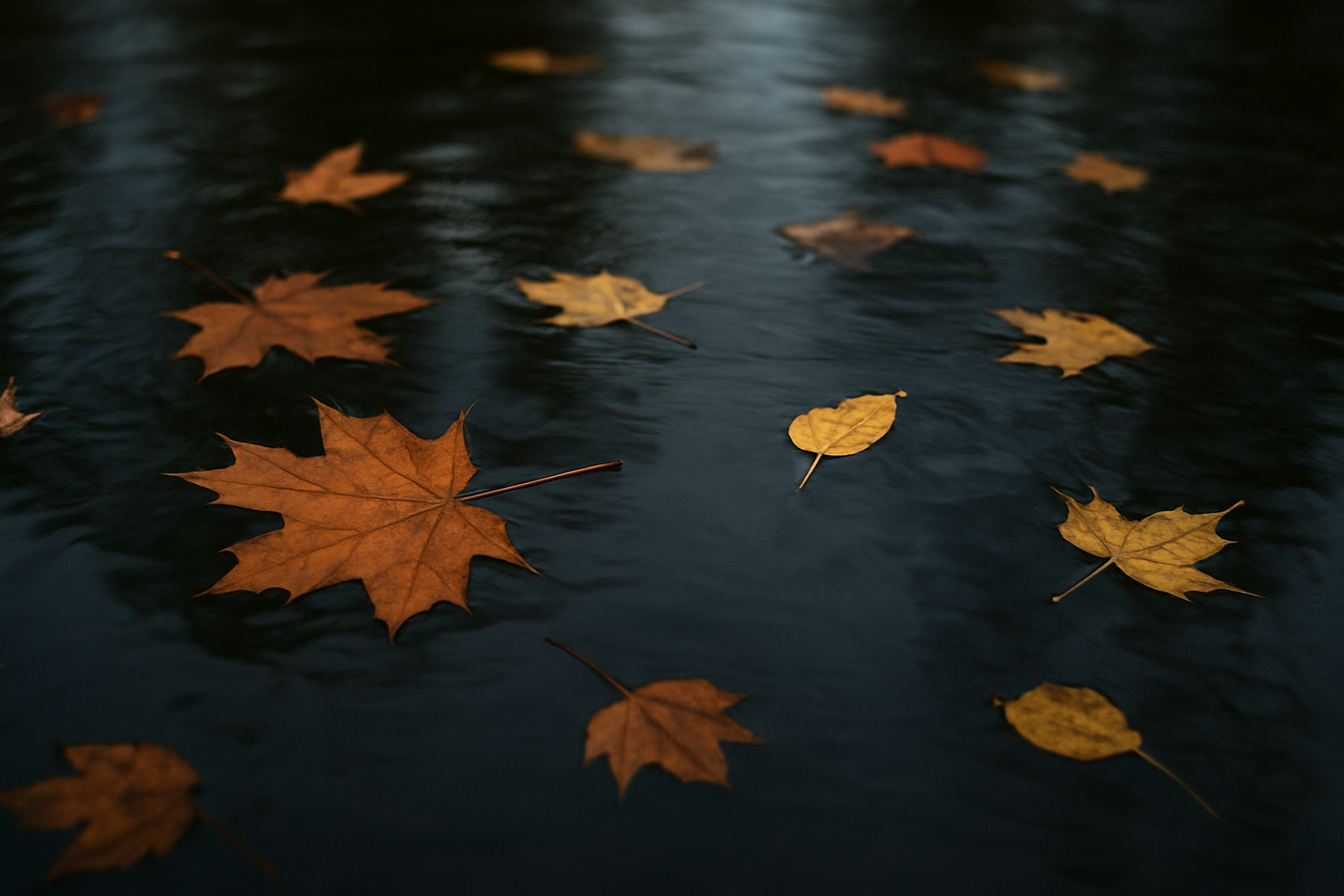
Leaves Falling on Water: Impermanence in the Daoist Eye
In the heart of an autumn forest, the gentle rustling of leaves paints a picture of nature’s profound impermanence. As each leaf drifts towards water, it carries with it an ancient philosophy, a quiet testament to the Daoist view of life’s transience.
The Essence of Daoism
Daoism, also known as Taoism, is a philosophical and spiritual tradition originating in China around the 4th century BCE. Founded upon the teachings of Laozi and the text Tao Te Ching, Daoism emphasizes living in harmony with the Dao or “the Way,” which signifies the fundamental nature of existence.
“The Tao that can be told is not the eternal Tao. The name that can be named is not the eternal name.” – Tao Te Ching
At its core, Daoism teaches the virtue of simplicity, humility, and living in accordance with the natural world. Integral to this philosophy is the acceptance of change as the only constant, much like leaves that fall and dissolve into the waters below.
The Metaphor of Falling Leaves
Falling leaves serve as a powerful metaphor for the Daoist concept of wúwéi (无为), often translated as “non-action” or “effortless action.” This does not imply inaction but rather aligning one’s actions with the natural flow of the universe.
- Letting Go: Just as leaves must fall, so must we release attachments. In the Daodejing, it is written, “By letting go, it all gets done. The world is won by those who let it go.” (Chapter 48)
- Cycle of Renewal: The decay of leaves enriches the soil, fostering new growth. This cycle mirrors the Daoist belief in the continuous transformation and renewal of life.
- Harmony with Nature: Understanding nature’s rhythms allows us to live in harmony with the forces that govern our existence, reducing struggle and fostering peace.
The Water Element in Daoism
In Daoism, water is a vital element symbolizing adaptability, humility, and strength. It is yielding yet powerful, able to wear away stone over time. Laozi writes:
“Nothing in the world is as soft and yielding as water. Yet for dissolving the hard and inflexible, nothing can surpass it.” (Tao Te Ching, Chapter 78)
Leaves falling on water symbolize the perfect interaction between the transient and the eternal. The leaves’ journey is temporary, but their impact on the water is lasting, reminding us that while life is impermanent, it is also profoundly interconnected and cyclical.
Impermanence as Freedom
The concept of impermanence can seem daunting, evoking a sense of loss or instability. However, through the Daoist lens, it is liberating. By recognizing and embracing impermanence, we free ourselves from unnecessary burdens and fears of what is beyond our control.
This acceptance grants us the ability to live more fully in the present moment, understanding that each moment is unique and precious precisely because it is fleeting. The leaves on water echo a universal truth: change invites growth and transformation, providing us with opportunities to cultivate wisdom and serenity.
Applying Daoist Wisdom Today
In a rapidly changing world, Daoist principles offer guidance and solace. They invite us to practice mindfulness, encourage us to find balance and help us remain centered amid life’s chaos. Here are some ways to incorporate Daoist wisdom into modern living:
- Practice Mindfulness: Engage in meditation or mindful activities, such as observing nature, to cultivate a deeper sense of awareness and connection.
- Embrace Change: Instead of resisting or fearing change, approach it with curiosity and openness, recognizing it as a pathway to growth.
- Simplify Life: Simplify your environment and lifestyle, focusing on what truly matters. Let go of material excess and unnecessary stressors.
- Seek Balance: Strive for a balanced life that nurtures both physical well-being and inner peace.
By taking inspiration from leaves falling gracefully on water, we can learn to navigate life’s currents with grace and wisdom.
In contemplating the impermanence of nature, Daoism offers profound insights into how we might live fuller, more harmonious lives, finding beauty in the ephemeral dance of the leaves.