Tag: inner

  • Return to the Valley – The Humble Heart of the Way

    Return to the Valley – The Humble Heart of the Way

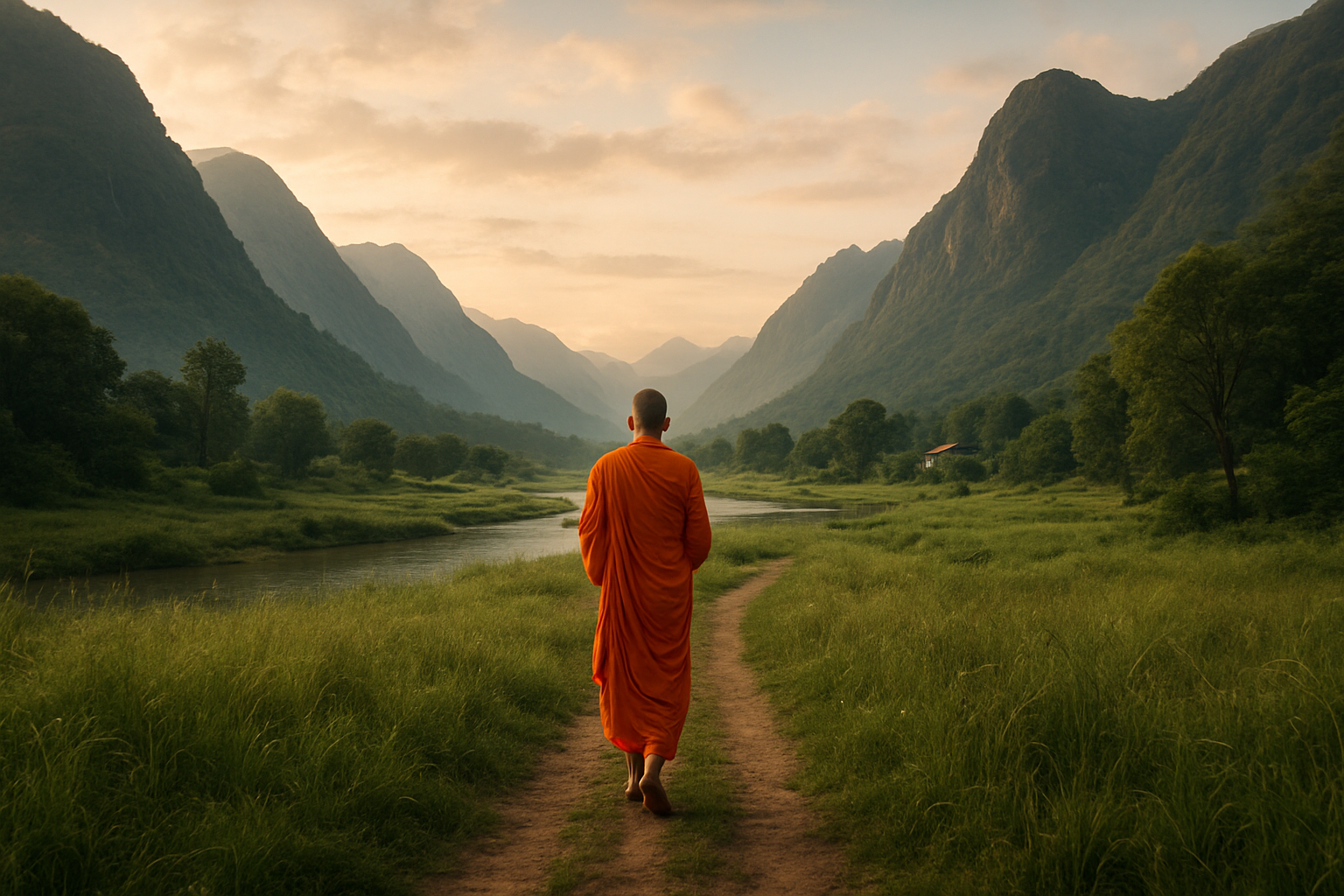
    In the realm of myth and magic, the concept of the valley has long been intertwined with notions of humility, introspection, and renewal. A journey back to the valley is often depicted as a return to an inner source of strength, a pilgrimage to the heart of wisdom where the noise of the world fades into the gentle whisper of the soul.

    The valley, in many traditions, is seen as a place of sanctuary and growth. It is the lowland where life flourishes, nestled between towering peaks. This symbolism is eloquently expressed in the ancient Taoist text, the Tao Te Ching. Lao Tzu writes, “The valley spirit never dies; It is the woman, primal mother. Her gateway is the root of heaven and earth. It is like a veil barely seen, use it; it will never fail.”

    • Rebirth through Humility: At its core, the valley is a metaphor for humility. By descending into the valley, one sheds the burdens of ego and ambition. It is here that individuals find the essence of their being, unburdened by the world’s heights.
    • The Heart of the Way: The Tao, often translated as “The Way,” embraces the valley as a path to tranquility and insight. The valley’s quietude offers a contrast to the striving and chaos of the external world. In returning to this humble state, practitioners of the Tao seek balance and peace.
    • A Place of Renewal: In the valley, springtime brings life back to the world, with rivers, plants, and creatures thriving. This cyclical renewal reminds us of life’s continuity and resilience. It is symbolic of the inner renewal one can experience through introspection.

    “It is good to have an end to journey toward; but it is the journey that matters, in the end.” —Ursula K. Le Guin

    In contemporary times, when the pressures of modern living can feel overwhelming, the metaphor of the valley is more relevant than ever. As people seek solace in mindfulness and retreat, the valley offers a reprieve from the relentless pursuit of success and status.

    Returning to the valley is not just a physical journey but a spiritual one, inviting us to embrace humility, foster renewal, and understand the heart of the way. It is a call to listen to one’s inner voice and remember that even amidst life’s climb, it is in the valley where the spirit finds its deepest peace.
  • Mist Path Reflections – Pilgrimage as Inner Awakening

    Mist Path Reflections – Pilgrimage as Inner Awakening

    Mist Path Reflections: Pilgrimage as Inner Awakening

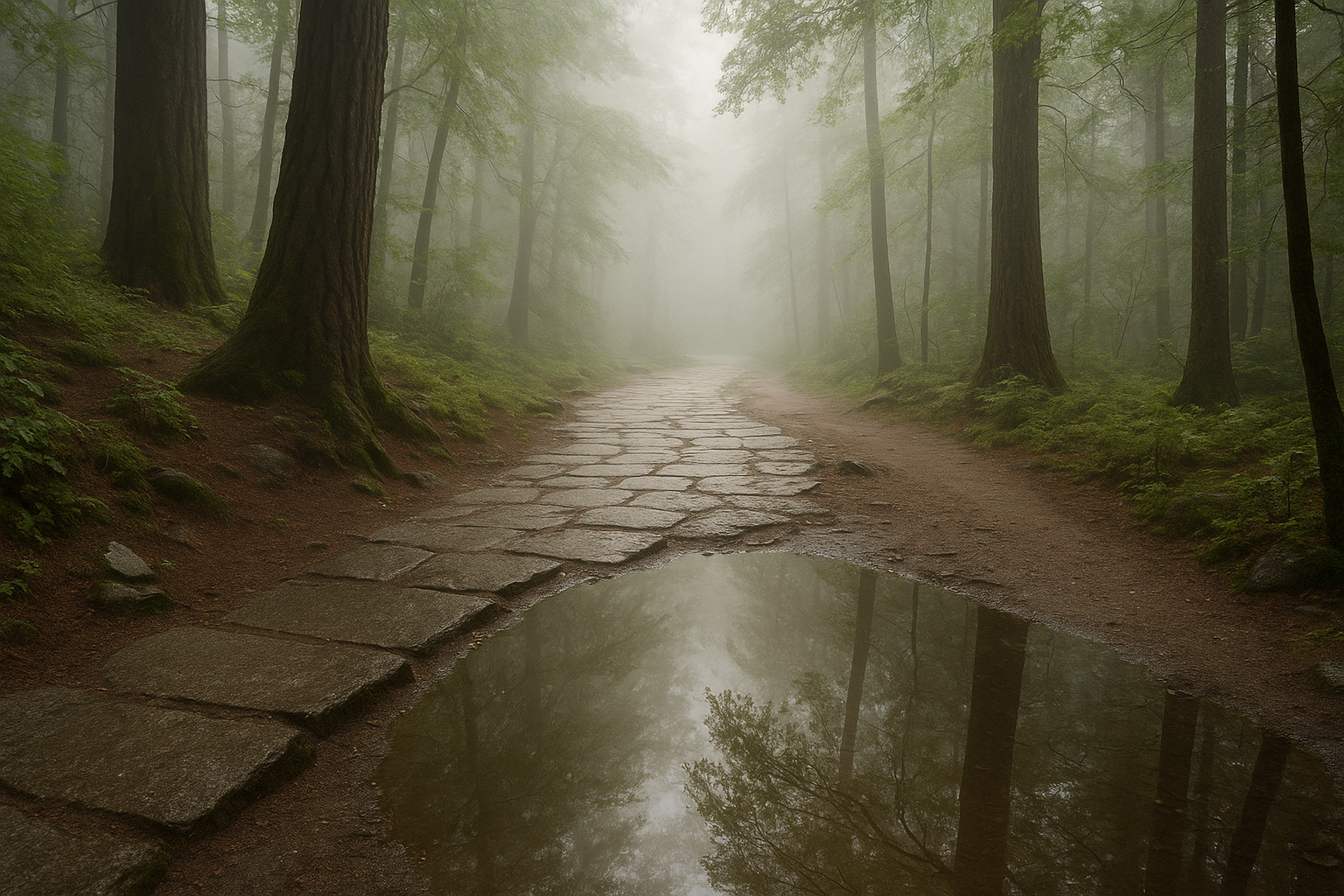
    The journey of a pilgrimage is often seen as an outward voyage to a sacred destination, but its true essence lies in the inner exploration it nurtures within us. Walking along the mist-laden paths towards an unknown shrine can be a metaphor for the journey inward, awakening the deepest layers of one’s soul.

    The Call to Pilgrimage

    Pilgrimages have been a part of human culture since ancient times, providing a spiritual balm to those who yearn for something beyond the mundane. This sacred journey, often embarked upon for religious or personal reasons, prompts pilgrims to detach from their daily lives and embrace solitude.

    “From Mecca to Santiago de Compostela, pilgrimage routes have offered transformative experiences that open eyes to another way of being.”

    The paths trodden by pilgrims are imbued with echoes of past travelers’ aspirations and struggles. These journeys are not merely about reaching a holy site but about discovering the sacred within oneself.

    A Journey Inward

    As one sets foot on the mist-covered trails, every step becomes an invitation to turn inward. The pilgrimage strips away external distractions, allowing individuals to focus solely on their thoughts and emotions. This inner awakening can lead to profound self-discovery and personal growth.

    • Mindfulness: Walking through nature amplifies the practice of mindfulness, as pilgrims become fully present in each moment.
    • Self-Reflection: The solitude of the journey encourages introspection, enabling pilgrims to confront personal challenges and ambitions.
    • Connection: Despite the solitude, pilgrims often find a deeper connection with the world around them, recognizing their place within the larger tapestry of life.

    The Transformative Power of Awe

    Experiencing the grandeur of nature and the serenity of ancient paths can instill a sense of awe, a critical element in the transformation process.

    “Awe transforms individuals and helps to reduce stress, expanding perceptions and leading to greater well-being.”

    Such moments of awe catalyze an awakening, stirring the soul and inspiring a renewed sense of purpose.

    Returning Home Changed

    Upon returning from a pilgrimage, individuals carry back with them a changed perspective. The journey inward often reveals the beauty of simplicity, a clearer understanding of one’s values, and a profound gratitude for life. Pilgrimage, in its essence, is not solely about reaching a destination but about embracing the journey within.

    As St. Augustine wisely observed, “The world is a book, and those who do not travel read only one page.” Embarking on a pilgrimage allows one to venture through these unwritten pages both outwardly and inwardly, fostering an awakening that echoes long after the journey has ended.

  • Still Rivers Run Deep – The Zen of Inner Motion

    Still Rivers Run Deep – The Zen of Inner Motion

    In our modern, hyper-connected world, the pace of life can be dizzying. Emails, texts, notifications, and deadlines seem to chase us at every turn. Amidst this chaos, it is easy to feel as though inner peace is an elusive goal, one that requires a secluded retreat or a drastic lifestyle change. Yet, the ancient philosophy of Zen offers a profound yet simple insight: stillness and movement coexist within us.

    The Paradox of Inner Stillness

    Zen Buddhism, a school of Mahayana Buddhism originating in China during the Tang dynasty, emphasizes the value of meditation and intuitive insight. A popular Zen saying goes, “Silence is not the absence of something but the presence of everything.” This idea encourages us to find solace within rather than searching for it outside.

    According to Zen teachings, there is a deep river of tranquility flowing beneath the surface of our conscious mind. This river remains undisturbed by external circumstances, a source of profound wisdom and peace. The ability to tap into this calmness is not about shutting off the outside world, but rather about embracing the flow of thoughts and emotions without becoming entangled in them.

    Zen and Movement: A Harmonious Dance

    The concept of movement in Zen is often misunderstood. It does not imply frantic activity or constant change. Instead, it is a subtle, mindful engagement with the world. Zen master Thich Nhat Hanh captured this beautifully when he said,

    “Walk as if you are kissing the Earth with your feet.”

    This idea reflects the Zen belief in mindful action. Every step, every gesture is an opportunity to practice presence, to be fully engaged with life’s rhythm. This approach not only enhances our appreciation of the present moment but also fosters a deep sense of gratitude and peace.

    Finding the Still River Within

    How do we connect with that still river within? The path of Zen invites us to practice meditation. As Shunryu Suzuki, a renowned Zen teacher, once noted,

    “In the beginner’s mind there are many possibilities, in the expert’s mind there are few.”

    This notion encourages us to approach meditation without preconceived ideas of what it should achieve.

    The practice of Zen meditation, or zazen, involves sitting in a comfortable, upright position, focusing on the breath, and allowing thoughts to come and go without judgment or attachment. Through regular practice, we cultivate a space of inner stillness amidst the constant motion of life.

    • Mindfulness in Daily Activities: While meditation is a cornerstone of Zen practice, incorporating mindfulness into daily activities is equally important. Whether washing dishes or walking the dog, these moments offer opportunities to engage with the present.
    • Embracing Simplicity: Zen inspires a return to simplicity, stripping away the unnecessary to reveal the essence of life. This could mean decluttering our physical space or simplifying our schedule to prioritize what truly matters.

    The Ripple Effect of Inner Stillness

    The benefits of embracing the Zen of inner motion extend beyond personal well-being. When we cultivate stillness and presence within, it impacts how we interact with the world. There’s a ripple effect, akin to a stone dropped in a pond, where our calm presence influences those around us. As Zen master Dogen said,

    “To study Buddhism is to study ourselves. To study ourselves is to forget ourselves. To forget ourselves is to be awakened by all things.”

    This ripple effect can lead to more harmonious relationships, a deeper sense of empathy, and a profound connection to the natural world. The still river within us, when awakened, serves as a beacon, guiding us toward holistic and compassionate living.

    Conclusion

    The Zen practice of finding stillness in motion, and motion in stillness, offers an invaluable gift: a way to navigate the complexities of modern life with poise and equanimity. By tuning into the silent river within us, we can experience life with fullness and clarity.

    In a world where external noise often drowns out our inner voice, embracing the principles of Zen may show that still rivers, indeed, run deep. We learn that through balance and mindfulness, we can foster a sense of peace that transcends the superficial pull of the world.

    Ultimately, discovering the Zen of inner motion is not about escaping reality, but about confronting it with grace and mindfulness. In doing so, we may find that the turbulent waters of life become just another part of our peaceful journey.

  • Spiritual Cartography

    Spiritual Cartography

    Spiritual Cartography: Mapping the Soul’s Journey

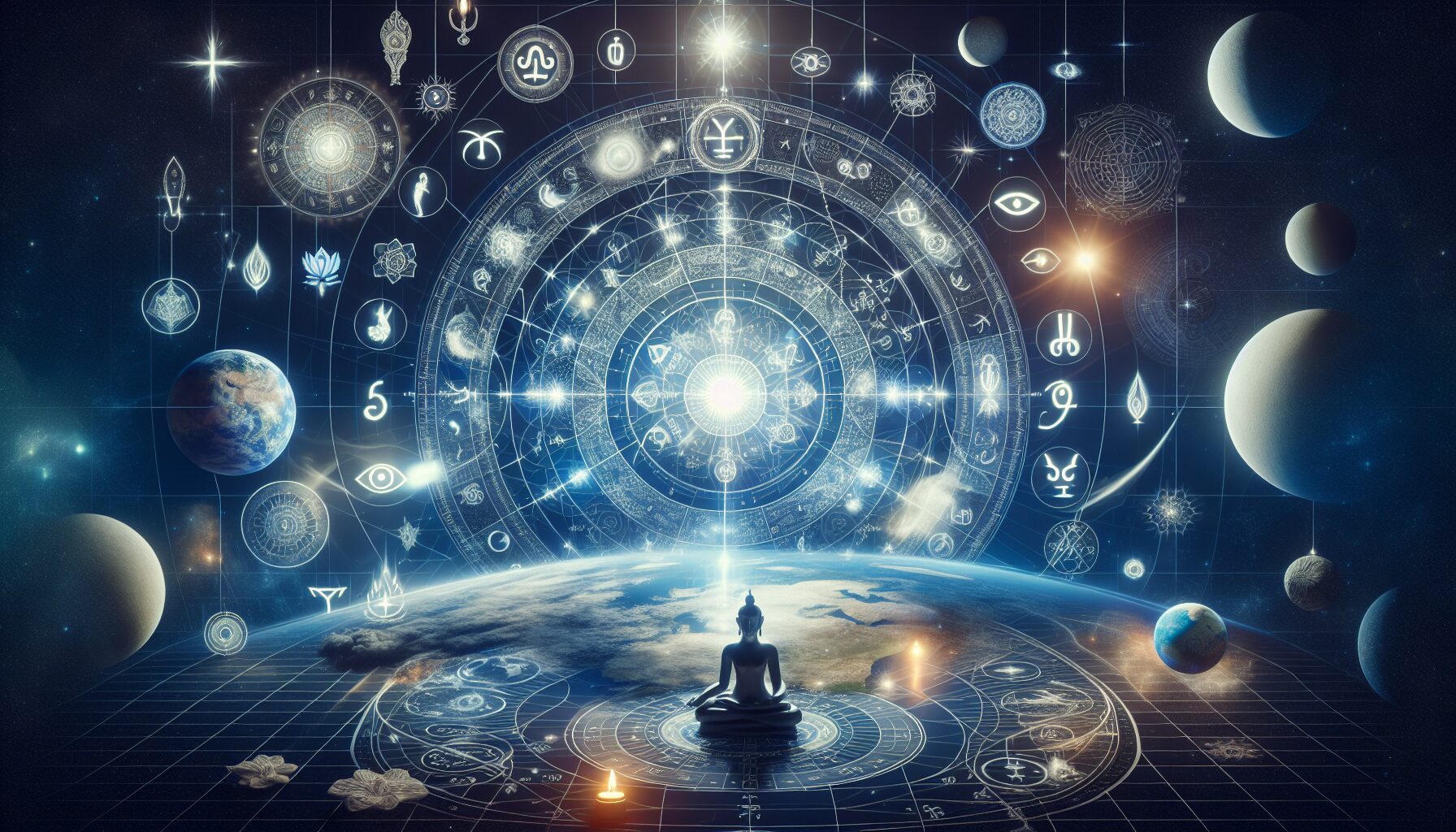
    The concept of spiritual cartography delves into the intricate journey of the soul, transcending the physical landscapes to explore the inner realms of human consciousness. Historically, maps have been used to represent not only geographic terrains but also metaphysical spaces, guiding individuals through their spiritual quests.

    Historical Roots

    Throughout history, various cultures have utilized spiritual maps as tools for enlightenment and self-discovery. The Navajo, for instance, view the desert as a sacred space; their sand paintings are metaphoric maps that serve as healing tools and pathways to understanding one’s place within the cosmos.

    The Book of Kells, an illuminated manuscript created by Celtic monks, is adorned with intricate illustrations that blend physical and spiritual journeys. According to Bernard Meehan, “The interlacing work underlying the scenes reflects a deeper understanding of how the spiritual and temporal worlds are interconnected” (source).

    Modern Interpretations

    In contemporary times, the idea of spiritual cartography has been rejuvenated with new interpretations through art, literature, and technology. Artists like Alex Grey craft visionary paintings that provide visual representations of spiritual experiences, offering viewers a map of sorts to navigate their inner landscapes.

    “For those who feel called to a path of deeper self-knowledge, spiritual cartography offers a guide for traversing the sublime and often tumultuous journey of discovering one’s true self,” writes philosopher Richard Smoley in Inner Traditions.

    • Online platforms now offer virtual experiences that allow individuals to embark on spiritual journeys from the comfort of their homes.
    • Interactive books and apps guide users through meditative exercises, helping them visualize their spiritual pathways.

    The Personal Journey

    The personal dimension of spiritual cartography is perhaps its most significant aspect. Each individual’s map is unique, shaped by experiences, beliefs, and aspirations. This subjective nature reflects the diversity found in spiritual practices worldwide.

    Creating a personal spiritual map can be a powerful exercise in mindfulness and reflection. Journals and art supplies become tools for charting one’s inner course, helping to clarify intentions and goals on the spiritual path.

    In essence, spiritual cartography is more than just a metaphor; it is a dynamic process of exploring, understanding, and ultimately, realizing one’s innermost purpose. As the old adage suggests, it’s not about the destination, but rather the journey itself.

  • The Hermit’s Compass

    The Hermit’s Compass

    The Hermit’s Compass: Navigating Life’s Mysteries Alone

    Introduction

    In the tapestry of human history, the figure of the hermit stands out as a unique archetype. Often seen as an ascetic, a seeker of truth, or simply a reclusive individual, the hermit embraces solitude in pursuit of something greater than the mundane. But what guides them on this solitary journey? Enter The Hermit’s Compass, a conceptual tool symbolizing the inner and outer journeys of those who choose to walk alone.

    The Historical Context of Hermitage

    The tradition of hermitage can be traced back to ancient civilizations. From the Desert Fathers of early Christianity to Buddhist monks in the forests of Asia, the pursuit of solitude has been a prolonged search for spiritual enlightenment, personal peace, and understanding.

    • The Desert Fathers were early Christian hermits whose lives of solitude inspired many.
    • Zhuangzi, a central text in Taoism, often speaks to the virtues of detachment and inner peace.

    The Metaphor of the Compass

    The compass, as a navigational instrument, represents the innate direction-seeking nature of humans. While a traditional compass points toward the Earth’s magnetic north, The Hermit’s Compass is metaphorical, guiding one towards personal truths and existential clarity. It involves navigating:

    • Inner Landscapes: Self-reflection, understanding one’s fears, desires, and motivations.
    • Outer Journeys: Engaging with nature, the cosmos, and understanding one’s place within them.

    As Henry David Thoreau, a notable figure who explored solitary life, once remarked:

    “I went to the woods because I wished to live deliberately, to front only the essential facts of life, and see if I could not learn what it had to teach, and not, when I came to die, discover that I had not lived.”

    Components of The Hermit’s Compass

    The Hermit’s Compass is comprised of philosophical directions that guide the hermit through both epistemological and metaphysical terrains:

    North: Solitude

    This direction emphasizes the value of being alone. Solitude is not loneliness but a chance to recharge and introspect. A study from the journal Psychological Review underscores that solitude can enhance creativity and provide a fertile ground for personal growth.

    East: Nature

    Nature acts as both a sanctuary and a teacher for hermits. The eastward direction symbolizes renewal and enlightenment, often gained through interactions with the natural world:

    • Observation: Understanding patterns in nature can lead to profound insights into life’s synchronicities.
    • Connection: Feeling a sense of oneness with the environment fosters humility and respect.

    South: Insight

    Gaining insight involves transcending ordinary perceptions to understand deeper meanings. According to the Harvard Business Review, developing personal insight can significantly enhance decision-making and problem-solving abilities.

    West: Wisdom

    In contrast to knowledge, wisdom embodies the application of that knowledge in ways that benefit both the individual and the greater whole. It is the culmination of solitude, nature, and insight.

    Modern Hermit Movements

    In today’s globalized world, the concept of a hermit has evolved yet holds timeless appeal. Modern movements embrace both digital and physical forms of hermitage:

    • Digital Detox: A voluntary disconnection from technology to reconnect with one’s inner self.
    • Minimalism: Simplifying life to focus on essential values, akin to a hermit’s minimalist existence.

    The Psychological Compass: Guiding Modern Hermits

    Psychological resilience is paramount for anyone embarking on a solitary path. The Hermit’s Compass in a contemporary context can guide individuals through mental health challenges, helping them cultivate:

    • Mindfulness: Staying present and attentive to current experiences and emotions.
    • Emotional Intelligence: Understanding and managing emotions effectively.

    “The greatest thing in the world is to know how to belong to oneself,” wrote physicist Michel de Montaigne, reflecting the enduring wisdom of self-reliance and the inner journey.

    Conclusion

    The Hermit’s Compass is more than a tool for those who choose physical solitude; it’s a roadmap for anyone seeking deeper meaning in today’s chaotic world. It encourages introspection, connection with nature, insight, and the pursuit of wisdom. Whether for a weekend retreat or a lifestyle choice, venturing solo has profound rewards. Whether you’ve found yourself or are just beginning the search, The Hermit’s Compass remains a timeless guide for anyone seeking to navigate the mysteries of life.

    In the words of Ralph Waldo Emerson, “Do not follow where the path may lead. Go instead where there is no path and leave a trail.” Find your direction with The Hermit’s Compass—chart a journey inward and upward.

  • Wilderness Retreats: Inner and Outer

    Wilderness Retreats: Inner and Outer

    In the modern world, where the clamor of daily life often drowns out the stillness of the soul, wilderness retreats have emerged as a sanctuary for those seeking both inner peace and a reconnection with nature. These retreats offer a dual journey: the physical exploration of the great outdoors and the personal exploration of one’s inner landscape.

    The Outer Journey: Reconnecting with Nature

    Wilderness retreats offer an escape from the barrage of emails, social media notifications, and urban noise. By stepping into the vast expanse of nature, participants can reconnect with the Earth in its most untouched form. Whether it’s trekking through forest trails, meditating beside a tranquil lake, or observing the abundant wildlife, being in nature helps recalibrate one’s perspective.

    • Physical Renewal: The physical activities typical of these retreats—such as hiking, rock climbing, and canoeing—are rejuvenating and help improve overall well-being.
    • Simplicity: Immersion in the wilderness strips away the extraneous, leaving participants with the essentials and facilitating a focus on what truly matters.

    “In every walk with nature one receives far more than he seeks.” – John Muir

    John Muir, a naturalist, believed in the restorative power of nature and its ability to provide spiritual nourishment.

    The Inner Journey: Self-Reflection and Growth

    Just as the external journey allows for exploration and discovery, the inner journey facilitates self-reflection and personal growth. The solitude and silence found in nature provide an environment conducive to introspection. Many retreat programs include guided meditation, mindfulness practices, and workshops focusing on self-improvement.

    • Mindfulness: Practicing mindfulness in nature helps individuals become more present in the moment, fostering a deeper connection with themselves.
    • Emotional Clarity: Away from the usual distractions, individuals often gain clarity on personal issues and emotional challenges.

    “The clearest way into the Universe is through a forest wilderness.” – John Muir

    John Muir eloquently captured the notion that immersing oneself in the wilderness can lead to profound personal insights.

    Conclusion

    Wilderness retreats are more than just a temporary escape from urban life; they are an opportunity to undergo a transformative journey. As participants navigate the dual paths of self-discovery and nature exploration, they often return home with renewed vigor, clarity, and a profound connection to both the world and themselves.

  • Meditation in the Mountains

    Meditation in the Mountains

    Meditation in the Mountains: Finding Inner Peace

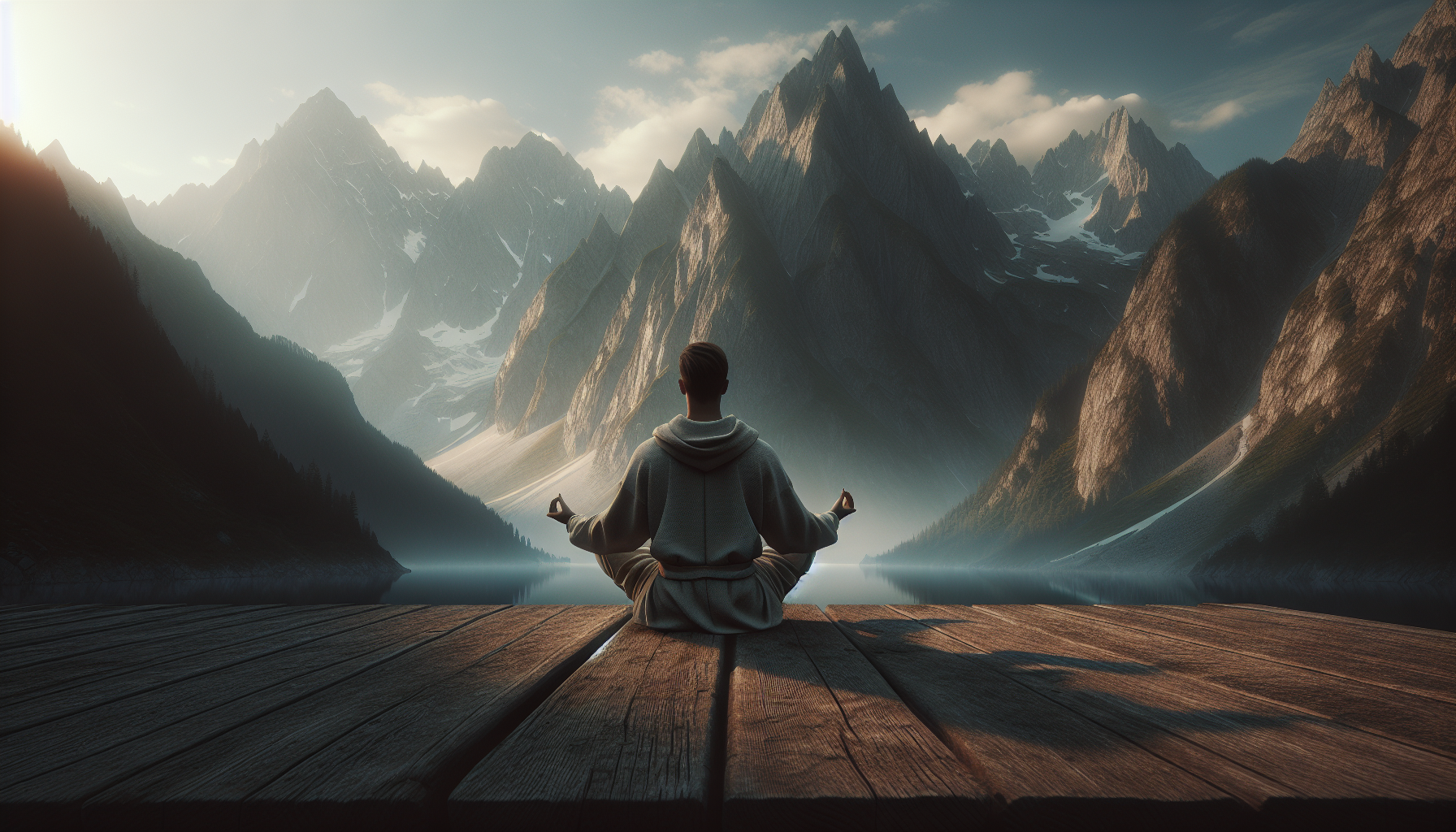
    The serenity of the mountains offers an idyllic backdrop for meditation, providing an escape from the hustle and bustle of daily life. As the crisp mountain air fills your lungs and the panoramic views captivate your senses, these majestic landscapes provide the perfect environment for self-reflection and inner peace.

    The Benefits of Meditating in Nature

    Engaging in meditation amidst nature enhances the process of grounding and connection to one’s inner self. According to a study published in Environmental Health Perspectives, exposure to natural environments, including mountains, can significantly reduce levels of cortisol, the stress hormone, thus enhancing mental well-being.

    • Reduced Stress: The tranquil ambiance of mountain settings aids in lowering stress levels, with the natural sounds and clean air promoting relaxation.
    • Enhanced Focus: Away from the distractions of modern life, meditating in the mountains encourages a deeper level of concentration and mindfulness.
    • Improved Mood: The beauty and solitude of mountainous regions have a positive effect on mood, fostering feelings of happiness and contentment.

    Creating the Perfect Mountain Meditation Experience

    To reap the full benefits, preparation is key to a successful meditation session in the mountains:

    • Choose the Right Location: Look for a quiet spot with stunning views. Ensure you are safe and have adequate knowledge of the area.
    • Time Your Meditation: Early morning or late afternoon often provide the most peaceful times to meditate, with fewer interruptions and breathtaking light.
    • Be Mindful of the Weather: Dress appropriately for the mountain climate which can change rapidly, and always carry essentials such as water and snacks.

    Incorporating the Senses

    The mountains offer a multisensory experience that enhances meditation practices. Feel the earthy ground beneath you, breathe in the scent of pine, listen to the rustling leaves, and let the vista of mountain peaks uplift your spirit.

    “Look deep into nature, and then you will understand everything better.” – Albert Einstein

    Incorporating all of these elements can deepen your meditation practice and nourish your soul. Whether you are a seasoned meditator or a curious beginner, the mountains provide a sanctuary that invites exploration and self-discovery.

    For a comprehensive guide to meditating in nature, visit Mindful.org and explore how to integrate nature into your mindfulness practices for greater peace and clarity.

  • Stillness in Motion

    Stillness in Motion

    Stillness in Motion: Finding Calm in a Rapidly Changing World

    In an era where technological advancements and societal shifts happen at lightning speed, finding moments of stillness can seem like an elusive ideal. Yet, the concept of “stillness in motion” is gaining traction as a necessary practice for maintaining mental health and fostering creativity.

    Amidst the chaos, embracing stillness does not mean ceasing all activity. Instead, it involves cultivating a state of mind where calmness and awareness coexist with the constant flow of life.

    The Science of Stillness

    Recent studies have highlighted the benefits of incorporating stillness into our daily routines. According to a report from the National Institutes of Health, mindfulness practices can significantly reduce stress and enhance cognitive function. This balance of activity and tranquility is essential for sustaining productivity and well-being.

    “Stillness does not mean the absence of movement or activity, but rather a state of inner peace and mindfulness amid the hustle and bustle of life.” – Psychology Today

    Techniques to Achieve Stillness

    Incorporating moments of stillness into a busy schedule requires intentionality and practice. Here are a few strategies to help achieve this balance:

    • Mindful Meditation: Dedicate a few minutes each day to meditation. Focus on your breath and let go of distracting thoughts.
    • Nature Walks: Spend time in nature to disconnect from technology and reconnect with the natural world. The rhythmic motion of walking can provide both physical exercise and mental clarity.
    • Digital Detox: Regularly unplug from digital devices to reduce information overload and allow your mind to rest.
    • Creative Expression: Engage in creative activities such as painting, writing, or playing music. These can serve as meditative practices that promote inner calm.

    Conclusion

    Finding stillness in motion is more than a paradox; it’s a vital practice for thriving in today’s fast-paced world. By integrating mindfulness into our routines, we create space for reflection and innovation. As the world continues to evolve, the ability to maintain inner peace amidst external chaos will be a defining skill of the future.

    For more insights into mindfulness and mental well-being, visit the Mindful website.