Tag: inner

  • The Difference Between Escapist and Restorative Meditation

    The Difference Between Escapist and Restorative Meditation


    The Difference Between Escapist and Restorative Meditation

    The Difference Between Escapist and Restorative Meditation

    “Meditation has been practiced for thousands of years as a means to achieve inner peace, improve focus, and reduce stress.” – Jon Kabat-Zinn

    In the realm of meditation, two popular approaches often come under discussion: escapist and restorative meditation. Both methods offer unique benefits and it is essential to understand their differences to reap the most significant rewards from your practice.

    Escapist Meditation

    Escapist meditation, as the name suggests, aims to transport you away from your current reality and into a state of detachment from daily life. Techniques such as concentration meditation and mindfulness can be considered escapist forms, focusing on single-pointed concentration or observing thoughts without judgment.

    “Meditation is not evasion; it is a shield.” – The Dalai Lama XIV

    Restorative Meditation

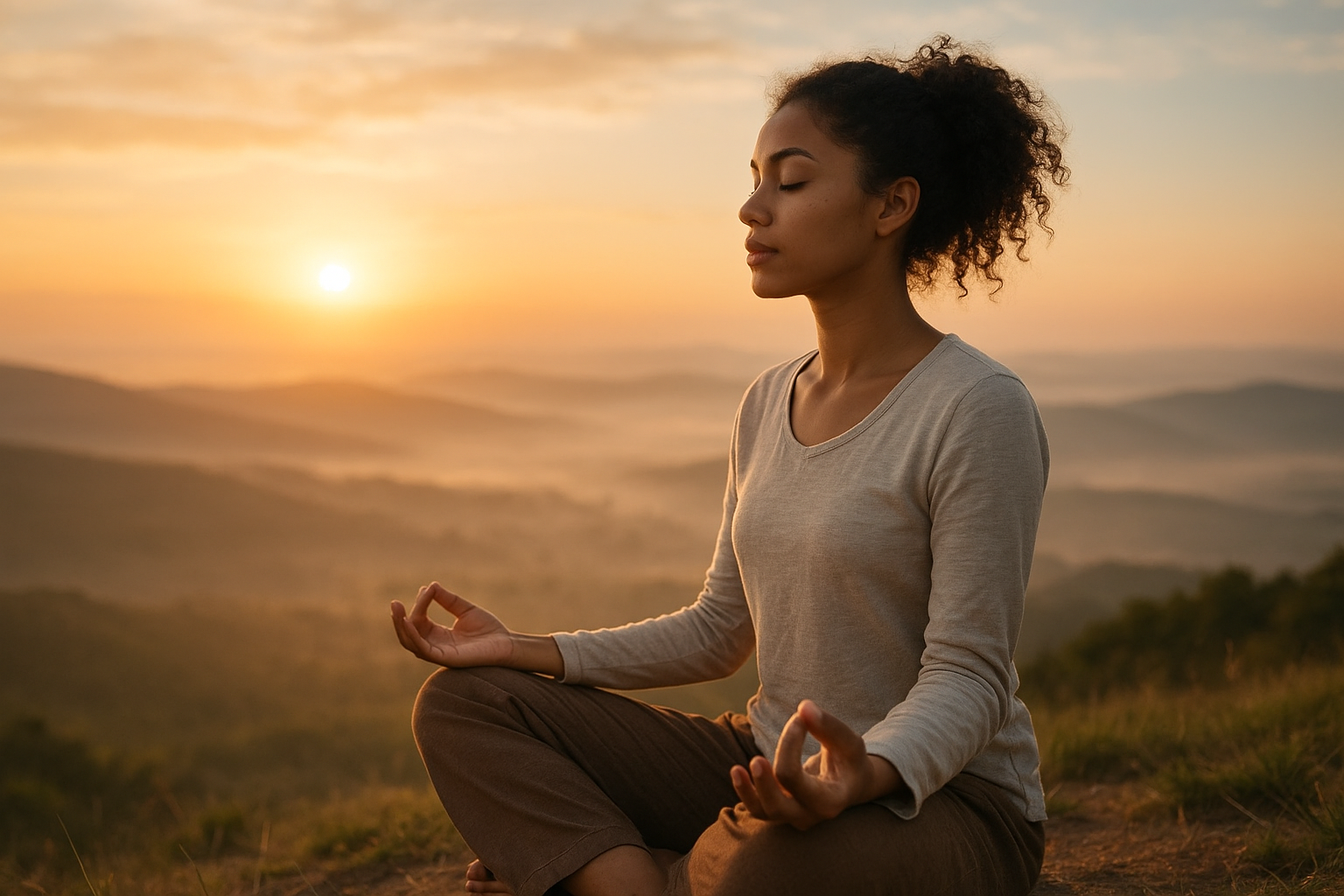
    On the other hand, restorative meditation seeks to enhance our connection with the present moment while fostering a sense of inner calm and well-being. This approach includes practices like loving-kindness meditation, body scan meditation, and yoga nidra, which focus on compassion, relaxation, and self-awareness.

    • Concentration meditation: Focusing the mind on a single object or thought.
    • Mindfulness: Observing thoughts and emotions without judgment.
    • Loving-kindness meditation: Cultivating feelings of love, compassion, and goodwill towards oneself and others.
    • Body scan meditation: Scanning the body for areas of tension and releasing them through focused attention.
    • Yoga nidra: A guided relaxation technique that brings the body to a deep state of rest while keeping the mind aware.

    “Meditation is not about becoming highly evolved. It’s about waking up, coming out of the trance of unawareness.” – Jon Kabat-Zinn

    Ultimately, both escapist and restorative meditation have their merits, and the most effective practice may depend on your specific goals and preferences. By exploring various techniques and finding what resonates with you, you can unlock the transformative power of meditation in your life.

  • The Inner Child’s Myth – Reclaiming the wonder of early storytelling.

    The Inner Child’s Myth – Reclaiming the wonder of early storytelling.

    “`html


    The Inner Child’s Myth – Reclaiming the Wonder of Early Storytelling

    The Inner Child’s Myth – Reclaiming the Wonder of Early Storytelling

    Delving into the realm of mythology, we often find ourselves captivated by the tales that span across cultures and millennia. One such tale, less ancient but equally profound, is the concept of the ‘Inner Child.’ This modern myth, rooted in psychology and the human experience, invites us to reconnect with our earliest storytelling and embrace the boundless wonder within.

    “The Inner Child represents our original self, untainted by the trials and tribulations of adult life. It symbolizes our purest form, full of curiosity, creativity, and innocence.”
    – Carl Jung, Swiss psychologist (1875-1961)

    The Inner Child in Ancient Mythology: A Comparative Study

    In these ancient tales, we find archetypes that resonate with the essence of the Inner Child: a hero or heroine characterized by their innocence, vulnerability, and transformative journeys. As we explore these myths, we may find parallels to our own inner struggles and triumphs.

    Reclaiming Our Inner Child in Modern Times

    “We don’t stop playing because we grow old; we grow old because we stop playing.”
    – George Bernard Shaw, Irish playwright (1856-1950)

    As adults, it is essential to remember the wisdom of our Inner Child and nurture that sense of playfulness and curiosity. By doing so, we can continue to grow, evolve, and maintain a connection with the magical world of storytelling that has captivated us since time immemorial.


    “`

  • Protecting Inner Space in a Noisy World

    Protecting Inner Space in a Noisy World


    Protecting Inner Space in a Noisy World

    Protecting Inner Space in a Noisy World

    In today’s fast-paced world, finding tranquility and preserving inner peace can often feel like an elusive task. Yet, as the renowned philosopher Thich Nhat Hanh once said, “Peace is every step.” Let us delve into strategies for safeguarding our inner space amidst the cacophony of modern life.

    “The more quiet and still you are inside, the better you can hear the sounds around you.”
    – Thich Nhat Hanh
    https://www.goodreads.com/quotes/470963-the-more-quiet-and-still-you-are-inside-the-better

    Embrace Mindfulness

    • Meditation: Regular practice of mindfulness meditation can help train your mind to stay focused and calm, allowing you to better navigate the tumultuous seas of daily life.
    • Breathing Exercises: Deep, conscious breathing exercises can serve as an immediate antidote to stress and anxiety, offering much-needed respite during times of pressure.

    Create a Sanctuary

    Dedicate a space in your home that serves as your personal oasis. Decorate it with calming colors, soothing music, and comfortable furniture to encourage relaxation and introspection. Make this space a priority, especially during challenging periods when the need for inner peace becomes even more critical.

    “The only true wisdom is in knowing you know nothing.”
    – Socrates
    https://www.goodreads.com/quotes/2087-the-only-true-wisdom-is-in-knowing-you-know-nothing

    Establish Boundaries

    Learning to say no and prioritize your time is essential in creating a buffer between external distractions and the precious sanctuary of your inner space. By setting boundaries, you can ensure that your energy and focus are directed towards activities that nourish and sustain you.

  • Stillness as Medicine

    Stillness as Medicine


    Stillness as Medicine

    Stillness as Medicine: Ancient Wisdom for Modern Times

    “The quieter you become, the more you can hear.” – Ram Dass

    In the realm of ancient wisdom, stillness is often seen as a powerful medicine. This concept transcends cultures and eras, echoing throughout the teachings of various spiritual traditions. The essence of this idea lies in the belief that stillness provides a pathway to self-awareness, healing, and inner peace.

    The Tao Te Ching and the Art of Doing Nothing

    One of the earliest texts to explore stillness as a form of meditation is the Tao Te Ching, an ancient Chinese text attributed to philosopher Laozi. The central premise of this work revolves around the idea of ‘Wu Wei’ – action through non-action or effortless action.

    “Nature does not hurry, yet everything is accomplished.” – Tao Te Ching (Chapter 76)

    The Buddha’s Path to Stillness: Mindfulness and Meditation

    The Buddhist tradition also emphasizes the importance of stillness, particularly through mindfulness meditation. By focusing on the present moment, individuals can cultivate inner calm, wisdom, and compassion.

    “The inability to be still is the greatest obstacle to realizing self.” – Thich Nhat Hanh

    Ancient Greek Philosophy: The Cultivation of Stillness

    Even in ancient Greece, philosophers like Epictetus recognized the value of stillness as a means to achieve self-mastery. He believed that through quiet reflection and contemplation, individuals could overcome inner turmoil and find harmony with their thoughts and emotions.

    “If one does not know to which port one is sailing, no wind is favorable.” – Epictetus

    Modern Applications: Stillness as a Modern Medicine

    Today, science is beginning to validate the ancient wisdom that stillness holds powerful healing properties. Research on mindfulness meditation has shown positive effects on stress reduction, mental health, and even physical well-being.

    “Meditation is not a way of making your mind clear. We already have a clear mind. It’s a matter of knowing how to remove the cover from it.” – Jiddu Krishnamurti

    In an increasingly hectic world, the ancient philosophy of stillness offers a timeless remedy for finding balance and inner peace. By embracing stillness as medicine, we can tap into our inherent wisdom and cultivate a deeper connection with ourselves and the world around us.

  • From Mount Olympus to Inner Life: Living with the Gods Today

    From Mount Olympus to Inner Life: Living with the Gods Today


    From Mount Olympus to Inner Life: Living with the Gods Today

    From Mount Olympus to Inner Life: Living with the Gods Today

    Ancient Greek mythology, with its grandeur and enchantment, continues to resonate in our modern lives. The gods of Mount Olympus are no longer mere figures of the past; they are a part of our inner selves, shaping our understanding of the human condition.

    “Mythology is the penultimate form of wisdom. It is the eternal struggle between good and evil represented in symbolic language.” – Carl Jung

    – Carl Jung

    The Influence of Greek Mythology on Modern Psychology

    Swiss psychiatrist Carl Gustav Jung, a pioneer in analytical psychology, was deeply influenced by ancient Greek mythology. He saw the gods and heroes as archetypes that could help us understand our unconscious minds.

    “Man is a symbol-making animal.” – Carl Gustav Jung

    – Carl Gustav Jung

    Everyday Applications of Greek Mythology

    • Self-discovery: The journey of heroes like Hercules or Odysseus can inspire us to face our own challenges and grow.
    • Understanding relationships: Myths about Zeus’s infidelities, Hera’s jealousies, and Aphrodite’s love affairs can offer insights into human relationships.
    • Exploring creativity: The birth of Athena from Zeus’s forehead symbolizes the sudden creative inspiration so familiar to artists.

    The Gods Within: A Reflection of Human Potential

    By acknowledging the divine within us, we can strive to embody the virtues associated with Greek gods – wisdom (Athena), courage (Achilles), and love (Aphrodite) – in our daily lives. This quest for self-improvement is a modern interpretation of living with the gods today.

    “Inside man dwells the image of god, and the last stage of his development consists in the growth of this image until it eventually fills him completely.” – Friedrich Nietzsche

    – Friedrich Nietzsche

  • Spiritual Geographies: Mapping the Inner World Through Art

    Spiritual Geographies: Mapping the Inner World Through Art

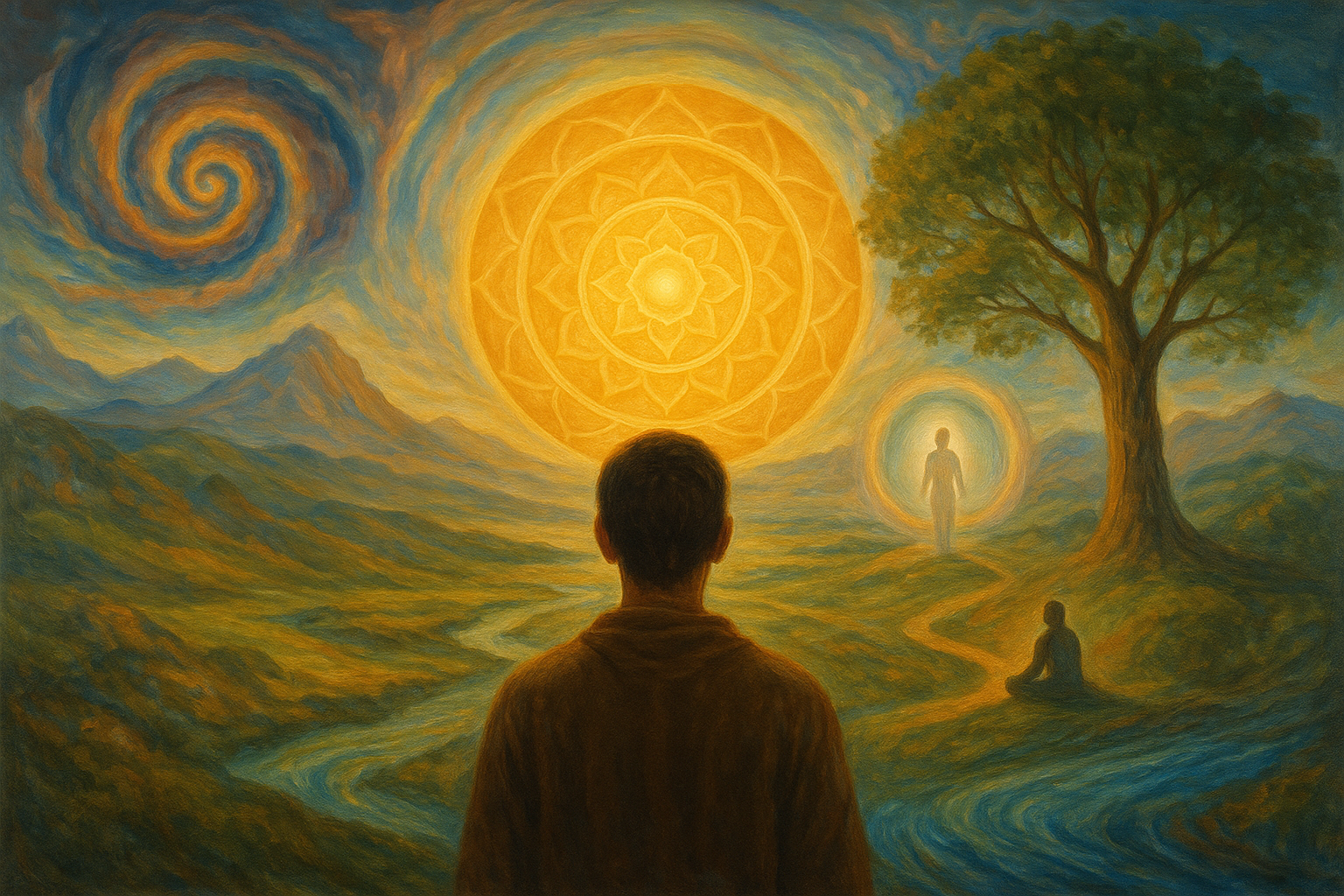
    The human spirit has always sought connection to the vast unknown, exploring uncharted territories not just in the physical realm but within the boundless landscapes of the mind and soul. This journey towards self-discovery and understanding is often reflected in what can be termed “spiritual geographies.” Artists, in particular, have long been navigators of these inner worlds, mapping their explorations through various forms of art.

    The Concept of Spiritual Geographies

    Spiritual geographies pertain to the symbolic representations of the inner self depicted through art. These artistic endeavors serve as a bridge connecting the tangible world with the intangible dimensions of human experience. Art throughout history has not only mapped the physical world but also ventured into intricate and ephemeral landscapes of emotions, spirituality, and consciousness.

    As philosopher Maurice Merleau-Ponty suggests, “Art provides a privileged access to the basic structures of lived experience.” This perspective highlights the role of artists as cartographers of the soul, delving into the depths of personal and collective consciousness.

    Historical Perspectives

    • Ancient and Indigenous Art: Many Indigenous cultures have utilized art as a tool for exploring spiritual geographies. The dreamtime paintings of Aboriginal Australians, for example, serve as a narrative map of existence, linking past, present, and future within a spiritual framework.
    • Renaissance and Enlightenment: During the Renaissance, artists like Hieronymus Bosch illustrated the inner struggles between good and evil, heaven and hell, casting light on the spiritual landscapes of the time. Enlightenment artists, too, began exploring more secular spirituality, focusing on the individual’s inner world.

    Modern and Contemporary Explorations

    In the 20th and 21st centuries, the exploration of spiritual geographies has taken on new dimensions, as artists fuse traditional methods with modern technology to navigate deeper into uncharted territories of the self. From abstract expressionism to contemporary digital installations, artists continue to explore and depict spiritual geographies that resonate with our rapidly changing world.

    Key Contemporary Voices

    • Mark Rothko: Through his color field paintings, Rothko sought to evoke emotional responses and spiritual reflection, inviting the viewer to engage with his artwork on a deeply personal and interior level.
    • James Turrell: With his exploration of light and space, Turrell creates experiences that immerse the observer in the spiritual and meditative facets of human perception.
    • Yayoi Kusama: Known for her immersive infinity rooms, Kusama’s work reflects her own battles with mental illness, offering insights into her inner emotional and spiritual landscapes.

    “There’s a mystery in life, and that mystery resides in the inevitable loss of all we hold close,” states Yayoi Kusama, whose art tries to confront and encapsulate the infinite within the finite.

    The Role of Technology

    With technological advancements, new tools and platforms have emerged, allowing artists to delve further into mapping spiritual geographies. Virtual reality, augmented reality, and digital installations offer new ways to visualize and interact with these abstract geographies. Artists like Marina Abramović have embraced these technologies to explore the limits of consciousness and existence through innovative and immersive experiences.

    In the age of digital art, the blending of visual art, sound, and interactivity provides a multi-sensory experience that can promote a deeper understanding and connection with one’s spiritual self. These technological innovations open up new possibilities for depicting and engaging with the spiritual geographies that define our inner worlds.

    The Significance of Spiritual Geographies in Art

    The significance of spiritual geographies in art lies in their ability to transcend the barriers of language, culture, and time. By offering a means to explore and understand the intricacies of human experience, these artistic maps foster empathy, introspection, and a sense of shared humanity.

    In a world that often emphasizes external achievement and material success, the introspection prompted by spiritual geographies offers a vital counterbalance. It encourages individuals to look inward, to reflect on their personal journeys, and to find meaning within themselves and the universe at large.

    In conclusion, maps of the human spirit, as created by artists throughout history, are indispensable guides on the journey towards self-awareness and spiritual understanding. As we continue to evolve, so does our capacity to navigate and articulate these rich and diverse landscapes of the mind and soul.


  • The Inner Landscape: Spirituality in the Age of Self-Help

    The Inner Landscape: Spirituality in the Age of Self-Help

    In today’s fast-paced world, where information is available at the click of a button, individuals are increasingly turning inward to explore their own spiritual landscapes. The age of self-help has ushered in an era where personal empowerment and spiritual growth are intertwined, creating a rich tapestry of inner discovery.

    The Rise of Self-Help

    The self-help industry has grown exponentially, offering a multitude of tools and techniques designed to improve life satisfaction and personal development. According to the Forbes, the global self-help market was valued at $10.5 billion in 2020 and continues to expand. From podcasts to workshops, the resources available today cater to a wide array of personal growth needs.

    Integrating Spirituality

    Spirituality, often regarded as a core element of human experience, is finding its place within the self-help movement. While traditional religions offer structured paths, contemporary spiritual seekers often prefer a more personalized journey. This shift is captured well by the spiritual teacher, Pema Chödrön, who stated, “We are all capable of becoming fundamentalists because we get addicted to other people’s wrongness” (Pema Chödrön Foundation).

    “True spirituality is a mental attitude you can practice at any time.” — Dalai Lama

    Building a Personal Practice

    In the quest for personal enlightenment, modern seekers often create their own practices by blending elements from different traditions. Here are some common elements many incorporate:

    • Meditation: A cornerstone in both ancient and modern spiritual practices, meditation helps individuals find peace and clarity.
    • Mindfulness: Incorporates being present in the moment, often linked with better emotional and mental well-being.
    • Gratitude Journaling: By reflecting on the positives, individuals cultivate a sense of appreciation and joy.
    • Affirmations: Positive statements used to challenge and overcome self-sabotaging and negative thoughts.

    The Path Ahead

    As the lines between self-help and spirituality blur, there is no one-size-fits-all approach. Each individual’s journey is uniquely personal. The contemporary focus on personal empowerment and introspection signals a collective shift towards recognizing the significance of the inner landscape. As Ralph Waldo Emerson once remarked, “What lies behind us and what lies before us are tiny matters compared to what lies within us.”

    As we deepen our exploration of the spiritual path, we uncover not only who we are but who we are meant to be.

  • The Traveler’s Rest – Stillness in the Midst of Motion

    The Traveler’s Rest – Stillness in the Midst of Motion

    In a world that is constantly on the move, finding moments of stillness has become a rare luxury. The traveler’s life, marked by endless journeys and ever-changing plans, can quickly become overwhelming. Yet, within this whirlwind of activity, there exists a profound opportunity: discovering stillness amidst motion. This balance is not only achievable but essential for the mindful traveler.

    The Art of Stillness

    “Sometimes the most productive thing you can do is relax,” said Mark Black, a motivational speaker and author. For travelers, embracing moments of stillness is about more than just taking breaks; it’s about cultivating a space within oneself that remains tranquil and centered regardless of external circumstances.

    “It’s not about being still in the physical sense, but rather about finding that stillness mentally and spiritually,” notes Pico Iyer, a renowned travel writer. In his piece for the New York Times, he discusses how embracing stillness enriches the travel experience, allowing individuals to reflect and rejuvenate.

    Mindful Practices for Travelers

    Incorporating mindfulness into your travel routine can help maintain an inner calm. Here are a few practices to consider:

    • Meditative Breaks: Dedicate a few minutes each day to meditation, whether it’s a deep breathing session or guided meditation. Apps like Headspace and Calm offer useful resources for travelers.
    • Journaling: Keep a travel journal where you pen down your thoughts and experiences. This practice not only documents your journey but also serves as a reflective exercise.
    • Digital Detox: Allocate specific times to disconnect from digital devices. Use this time to observe your surroundings, engage with local culture, or simply relax.

    Creating and Finding Restful Spaces

    Finding a haven of peace is crucial, especially for those constantly on the go. Whether it’s a serene café, a quiet corner in a bustling city, or the tranquility of nature, restful spaces recharge and inspire.

    • A Taste of Local Life: Visiting local markets or attending community events can provide a unique perspective and a sense of connectedness.
    • Parks and Open Spaces: Natural settings, even within urban environments, offer respite from travel hustle. Parks, gardens, and riverside walks can be particularly rejuvenating.
    • Silent Retreats: Consider joining a short retreat or workshop focused on wellness and mindfulness. These experiences offer structured environments tailored to cultivating inner peace.

    The Traveler’s Journey Within

    The external journey through different landscapes and cultures becomes more meaningful when complemented by an internal journey. Author and philosopher Lao Tzu famously said, “A journey of a thousand miles begins with a single step.” This metaphorical journey towards inner stillness accompanies the traveler always, adding depth to their adventures.

    “Travel far enough, you meet yourself,” states David Mitchell in his novel Cloud Atlas. The notion underscores that as travelers venture into the world, they also delve within, encountering aspects of their identity in novel circumstances.

    Conclusion

    In the constant motion of travel, finding stillness may seem counterintuitive, yet it is this stillness that bestows clarity and mindfulness. The traveler’s rest is an invitation to pause, reflect, and absorb the richness of their experiences. As you plan your next journey, consider not just the destinations on a map, but also how you can cultivate spaces of inner tranquility along the way. These moments of rest will not only enhance your travels but also nourish your soul.

  • The Mountain Within – Climbing Toward Inner Stillness

    The Mountain Within – Climbing Toward Inner Stillness

    The Mountain Within: Climbing Toward Inner Stillness

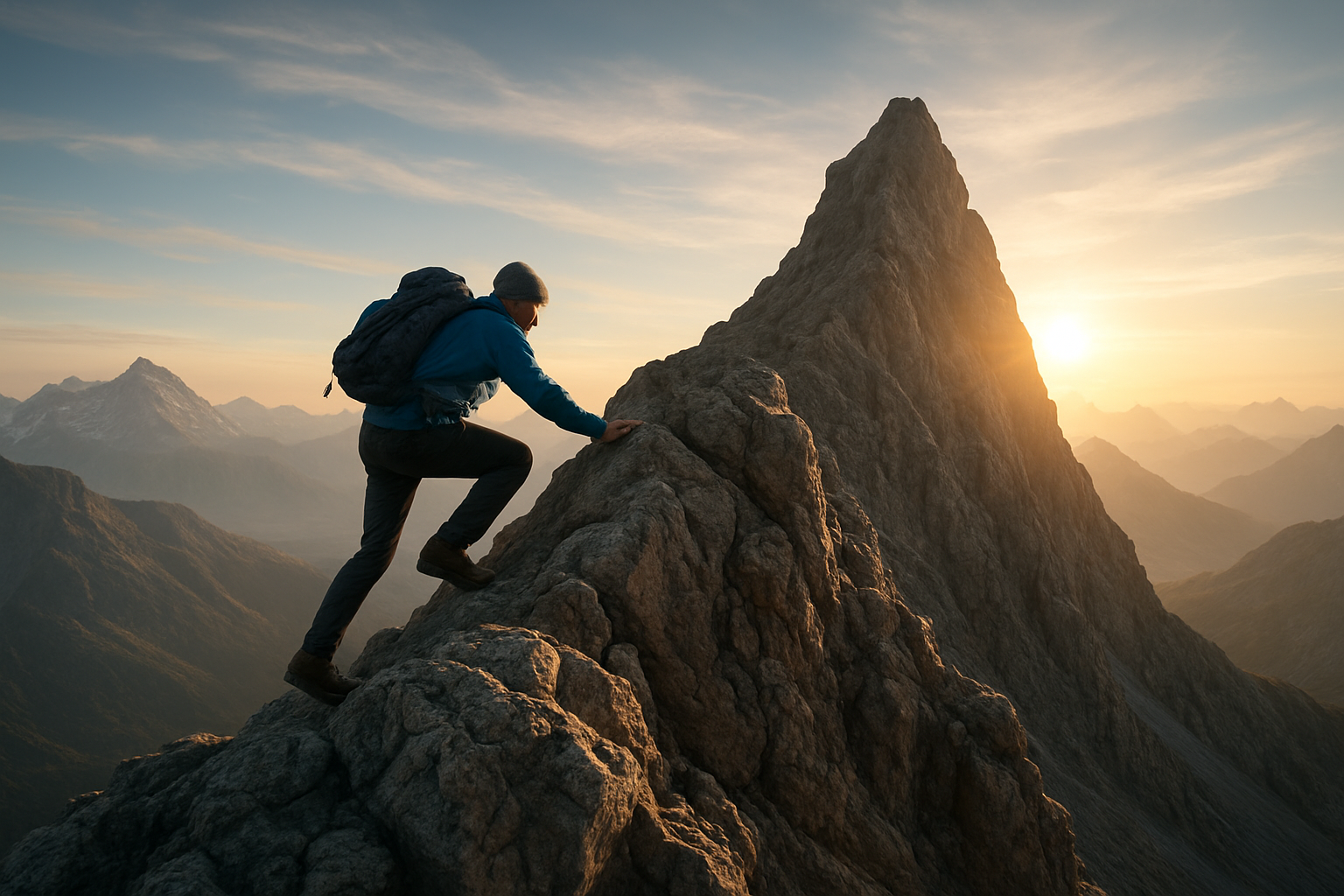
    In a world dominated by noise and relentless pace, the quest for inner stillness remains a pursuit as compelling as summiting the highest peaks. Those who have experienced the transformative power of climbing a mountain often draw parallels between this physical journey and the spiritual exploration of finding peace within. In both paths, the aim is discovery—of the world, yes, but more profoundly, of oneself.

    The Call of the Mountains

    The allure of mountains is timeless and universal, pulling adventurers and spiritual seekers alike toward their lofty summits. As John Muir, the renowned naturalist, famously said,

    “The mountains are calling, and I must go.”

    His words capture the irresistible pull of these majestic landscapes, representing both an outward journey into nature and an inward journey toward self-discovery.

    • Challenge and Growth: The physical challenges posed by mountains can reflect the hurdles one faces on their inner journey. The patience, resilience, and courage developed while navigating treacherous terrain are the same traits necessary for cultivating inner peace.
    • Perspective and Clarity: Standing atop a mountain affords a view that stretches beyond the horizon, offering clarity and perspective. Similarly, climbing the metaphorical mountain within allows individuals to rise above the chaos of daily life, gaining insight and understanding.
    • Solitude and Reflection: Time spent in the mountains is often characterized by solitude, which provides a fertile ground for reflection and introspection. Such environments encourage mindfulness and help individuals connect with their innermost selves.

    Steps to Climb the Inner Mountain

    While the ascent of actual peaks requires physical preparation and equipment, climbing the mountain within demands a different toolkit. These are the steps that can expedite the journey toward inner stillness:

    Cultivating Mindfulness

    Mindfulness is the practice of being present in the moment, a skill essential for both physical and spiritual climbing. According to Psychology Today, “Mindfulness is a state of active, open attention to the present.” It allows individuals to embrace their thoughts and feelings without judgment, fostering a sense of inner calm.

    Embracing Silence

    Amidst the frenetic pace of modern life, silence is a rare commodity. Yet, it is in silence that inner stillness can be truly cultivated. As Paul Tillich wisely put it,

    “The first duty of love is to listen.”

    Embracing silence creates the space to listen to oneself deeply.

    Practicing Gratitude

    • Keeping a gratitude journal can shift focus from anxiety to appreciation, fostering a more peaceful internal environment.
    • Gratitude enables individuals to accept and learn from their life experiences, akin to reaching one peak before moving toward another.

    The Role of Nature in Finding Inner Stillness

    Nature is a profound teacher in the quest for peace. The therapeutic effects of spending time in natural settings are well-documented, providing a crucial backdrop for inner exploration. An article from Frontiers in Psychology highlights how “exposure to natural environments has been associated with a range of benefits, including improved mood and reduced stress levels.”

    Moreover, the patterns and cycles of nature offer wisdom for those looking inward. The rhythmic ebb and flow of the tides, the quiet yet powerful growth of trees, and the patient erosion of mountains all teach lessons of perseverance, patience, and tranquility.

    Conclusion: The Summit of Inner Peace

    Whether scaling physical mountains or navigating the inner landscape of the mind, the journey toward stillness is one of the most rewarding endeavors one can undertake. By cultivating mindfulness, embracing silence, and drawing inspiration from the natural world, individuals can reach new heights within themselves. As we climb the mountains that stand before us—both literal and metaphorical—may we find the peace and clarity that come from standing at the summit.

    Embrace the journey, and discover the mountain within.

  • Unfolding Path – How Travel Mirrors Inner Transformation

    Unfolding Path – How Travel Mirrors Inner Transformation

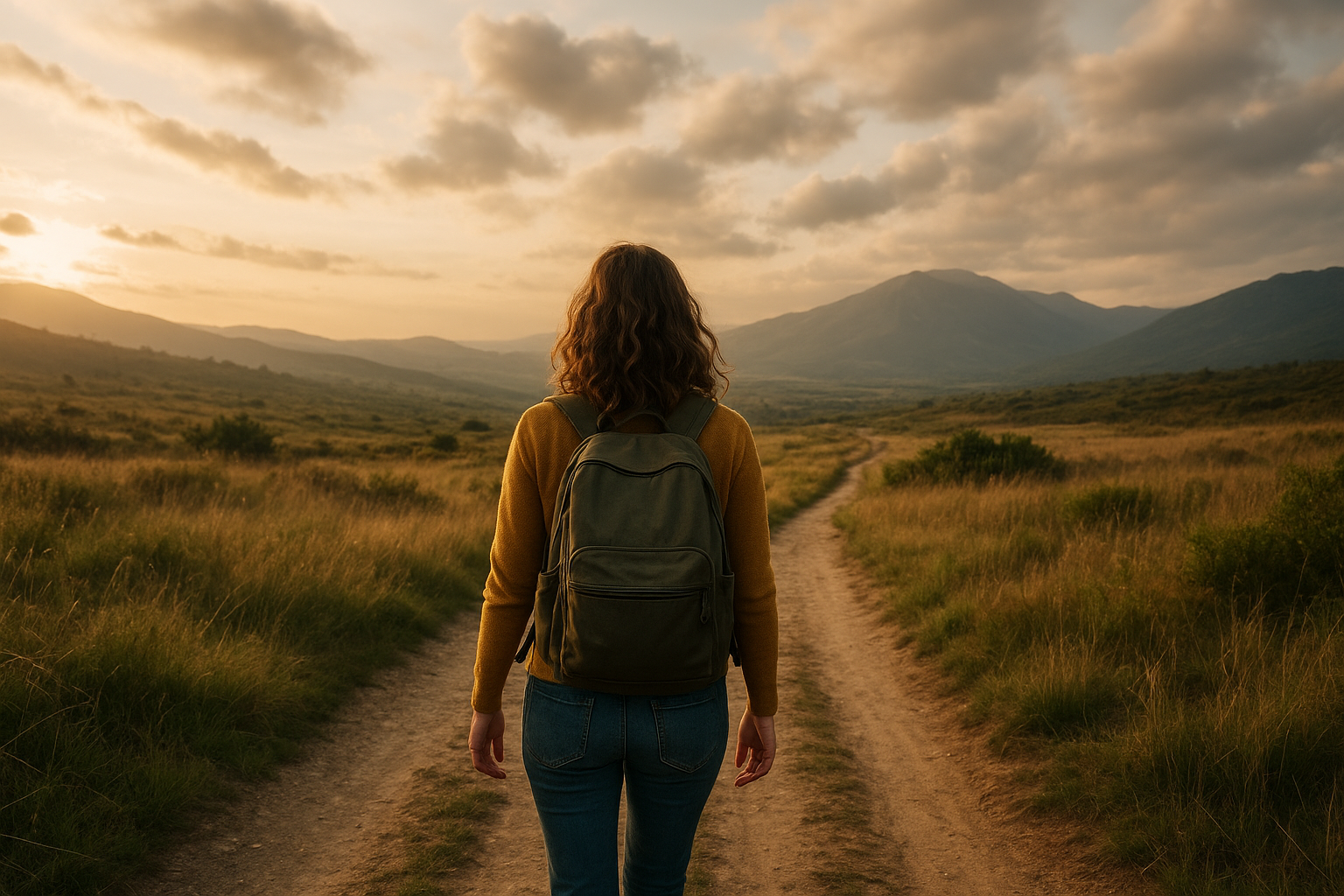
    The open road has long been a muse for transformation and self-discovery. As we traverse new landscapes, the journey often reflects an inner metamorphosis, where each step taken in the outer world echoes a stride within. Whether it’s navigating bustling cities or serene countrysides, the experience of travel holds a mirror to our internal landscapes, revealing truths and sparking change.

    The Call to Adventure

    Joseph Campbell’s monomyth, or “The Hero’s Journey,” aptly describes travel as a call to adventure—a crucial step that ignites the transformative process. Campbell writes,

    “A hero ventures forth from the world of common day into a region of supernatural wonder: fabulous forces are there encountered and a decisive victory is won: the hero comes back from this mysterious adventure with the power to bestow boons on his fellow man.”

    As travelers, we become heroes of our own stories, answering the call and facing the unknown.

    Embracing the Unknown

    Travel thrusts us into situations that demand adaptability and courage. The uncertainty of a new destination mirrors life’s inherent unpredictability, forcing us to relinquish control and embrace spontaneity. An unplanned detour or a missed train becomes an opportunity to practice patience and resilience. As we overcome obstacles, we gain confidence in our ability to navigate life’s uncertainties.

    Reflection and Growth

    Each destination serves as a canvas for reflection. When removed from familiar environments, we gain perspective on our lives, fostering introspection. The act of travel slows our perception of time, granting us the space to consider our values and aspirations more deeply. As we witness diverse cultures and hear varied stories, our worldview expands, reshaping our understanding of not only others but ourselves.

    The Return Home

    Upon returning home, the traveler is invariably changed. New experiences alter perception, allowing us to return to our daily lives with fresh insights. As John Steinbeck once noted, “People don’t take trips, trips take people.” The journey imprints itself on our psyche, leaving us with lessons and memories that enrich our lives long after the suitcases are unpacked.

    Conclusion

    In the end, travel is more than just a physical voyage; it’s an odyssey of the soul. Every journey undertakes a symbiotic dance, where outer explorations mirror inner quests. As we traverse new horizons, we unravel layers of our own identity, ultimately emerging as more complete versions of ourselves. The path may be winding and the destination unclear, but therein lies the beauty of both travel and transformation.

    For a deeper exploration into the transformative power of travel, consider reading more about The Hero’s Journey by Joseph Campbell and other insights by notable thinkers.