Tag: digital

  • Beyond the Portrait: Documenting Identity in the Modern Era

    Beyond the Portrait: Documenting Identity in the Modern Era

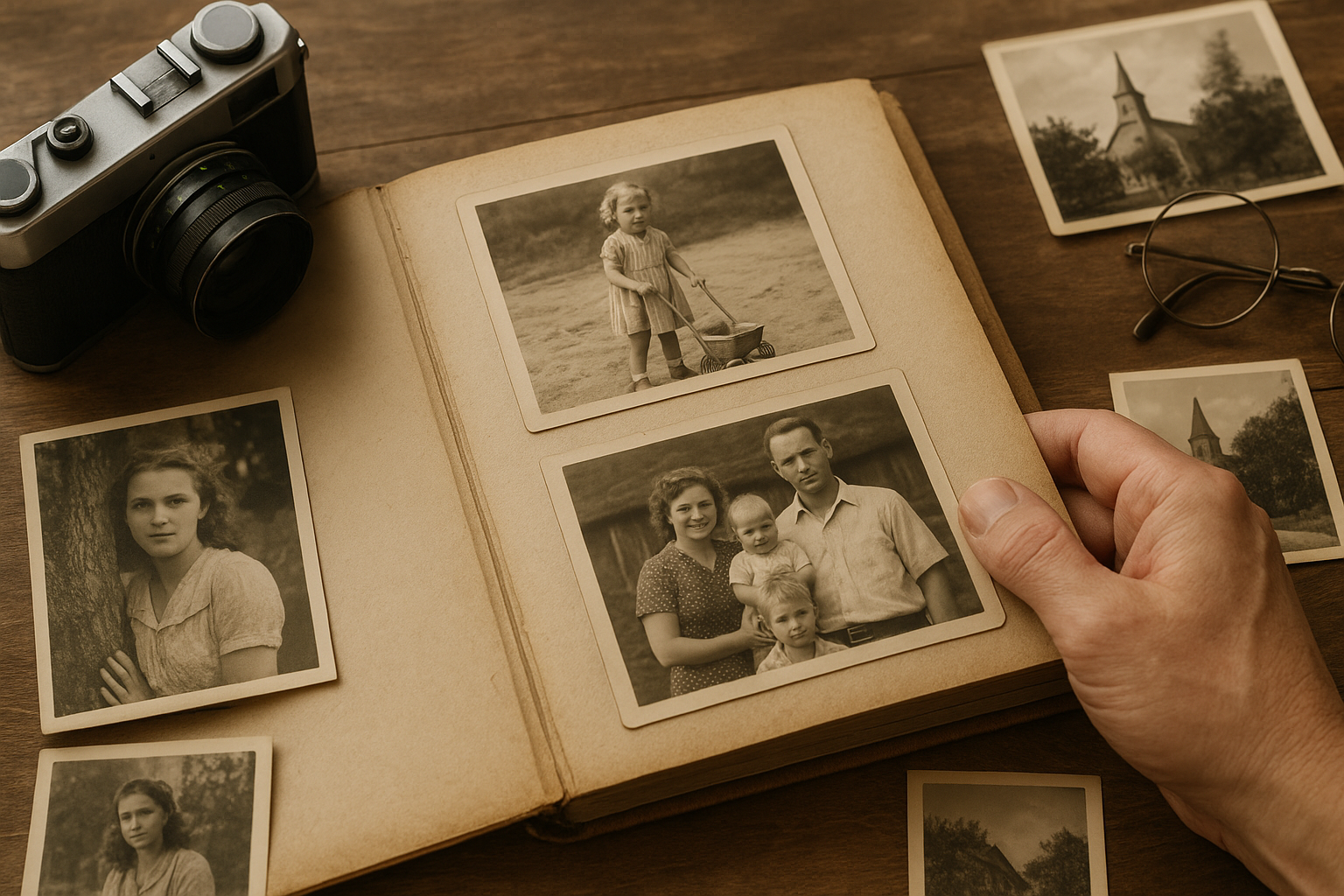
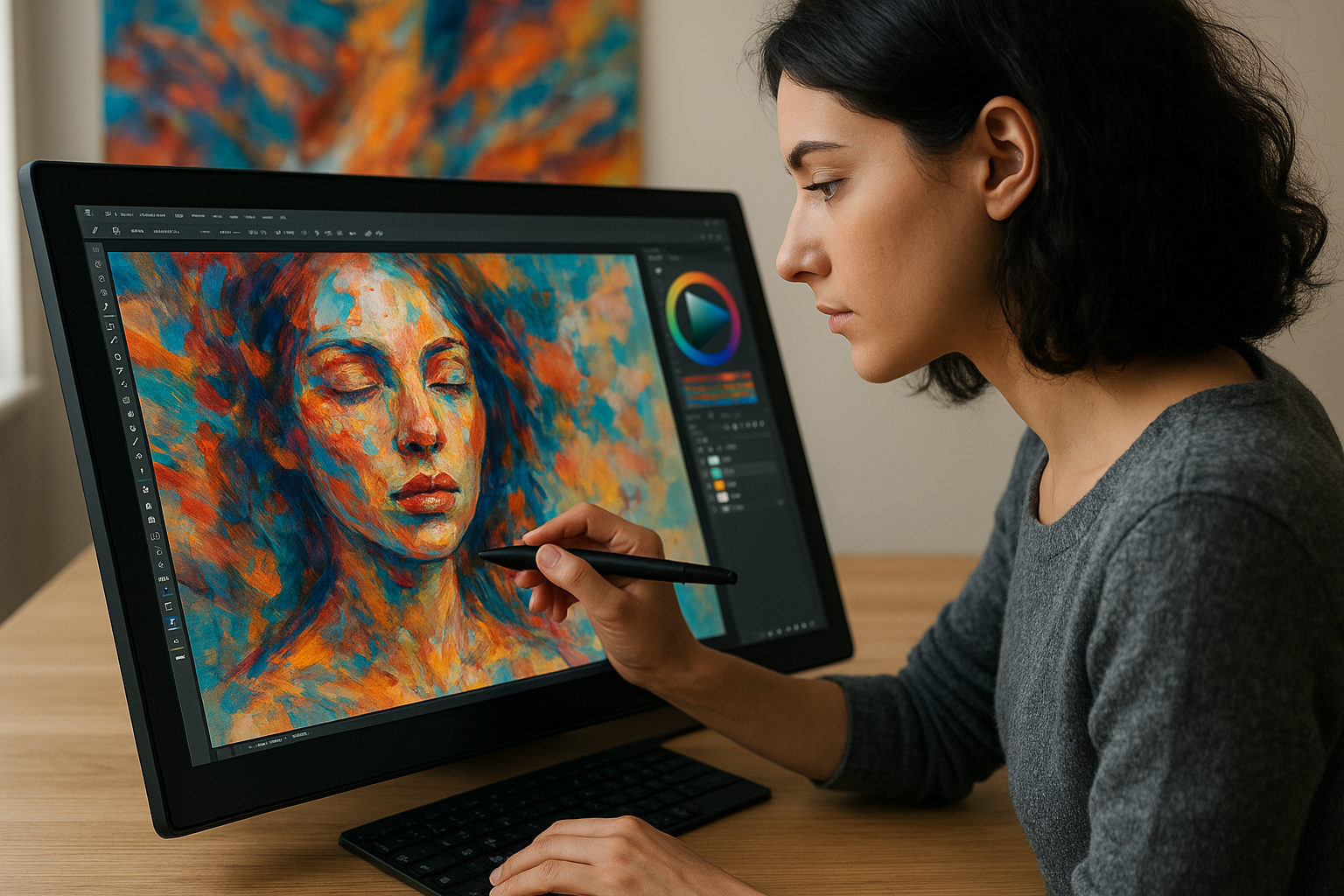
    In an era where every fleeting moment can be captured, the portrayal of identity has transcended the static confines of traditional portraiture. The narrative of self has evolved into a complex tapestry woven from countless digital threads, reflecting the multifaceted nature of modern identity. This transformation raises pertinent questions about how identity is documented and perceived in the modern era.

    The Evolution of Portraiture

    Historically, portraits served as a means to immortalize an individual’s visage, often reserved for the elite. According to art historian John Berger in his seminal work Ways of Seeing, “A woman must continually watch herself. She is almost continually accompanied by her own image of herself.” These words underpin the historical significance of the portrait as a reflection both of and upon persona.

    With the advent of photography in the 19th century, the accessibility of portraits increased. No longer restricted to the affluent, individuals from different walks of life could document their existences, albeit still in a formalized manner. For decades, these images were two-dimensional interpretations of a multi-dimensional identity.

    The Digital Revolution

    Today, the digital revolution has irreversibly altered our interactions with images and identity documentation. Platforms like Instagram, Facebook, and TikTok allow anyone to curate and project their personas in real-time. The question is no longer if one can record their image, but rather, how one chooses to present it.

    Curation of Identity

    In the words of media theorist Marshall McLuhan, “The medium is the message.” The medium through which we express our identities shapes the identities themselves. Social media serves as both a canvas and a mirror, with identities curated to fit perceived norms and ideals. As a study published in SAGE Journals discovered, “the recreation of self online often involves subtle manipulations of reality to garner social favor.”

    • Images are often edited to achieve perfection, leading to an online persona that may diverge from reality.
    • Biographical snippets, captions, and hashtags construct a narrative that viewers consume and interpret.
    • The feedback loop of likes and comments perpetuates certain self-representations over others.

    Documenting Identity Through Multimodal Means

    Today’s portrayal of identity extends beyond mere images. It encompasses videos, tweets, blogs, and even ephemeral content like Instagram Stories and Snapchat. This multimodal expression harnesses the entirety of sensory experience to convey individual narratives.

    “We’re getting used to a new way of being alone together,” observes sociologist Sherry Turkle in her TED Talk, “where we’re able to hide from each other even as we’re more connected than ever.”

    This interconnectedness demands a more nuanced approach to understanding and documenting identity. Identity is not static but an ongoing dialogue between the self and the wider world.

    Challenges and Consequences

    The modern documentation of identity poses several challenges and implications for personal privacy and societal norms:

    1. Authenticity: The curated nature of online identities raises questions about authenticity. Is what we see a genuine reflection or merely a crafted facade?
    2. Privacy: With personal details readily available online, maintaining privacy becomes increasingly challenging. The Pew Research Center highlights that a significant portion of internet users are concerned about the erasure of privacy boundaries.
    3. Social Pressure: The desire to conform to online norms can lead to undue stress and impact mental health. It is crucial to balance online engagement with offline authenticity.

    Embracing Diversity Through Identity Narratives

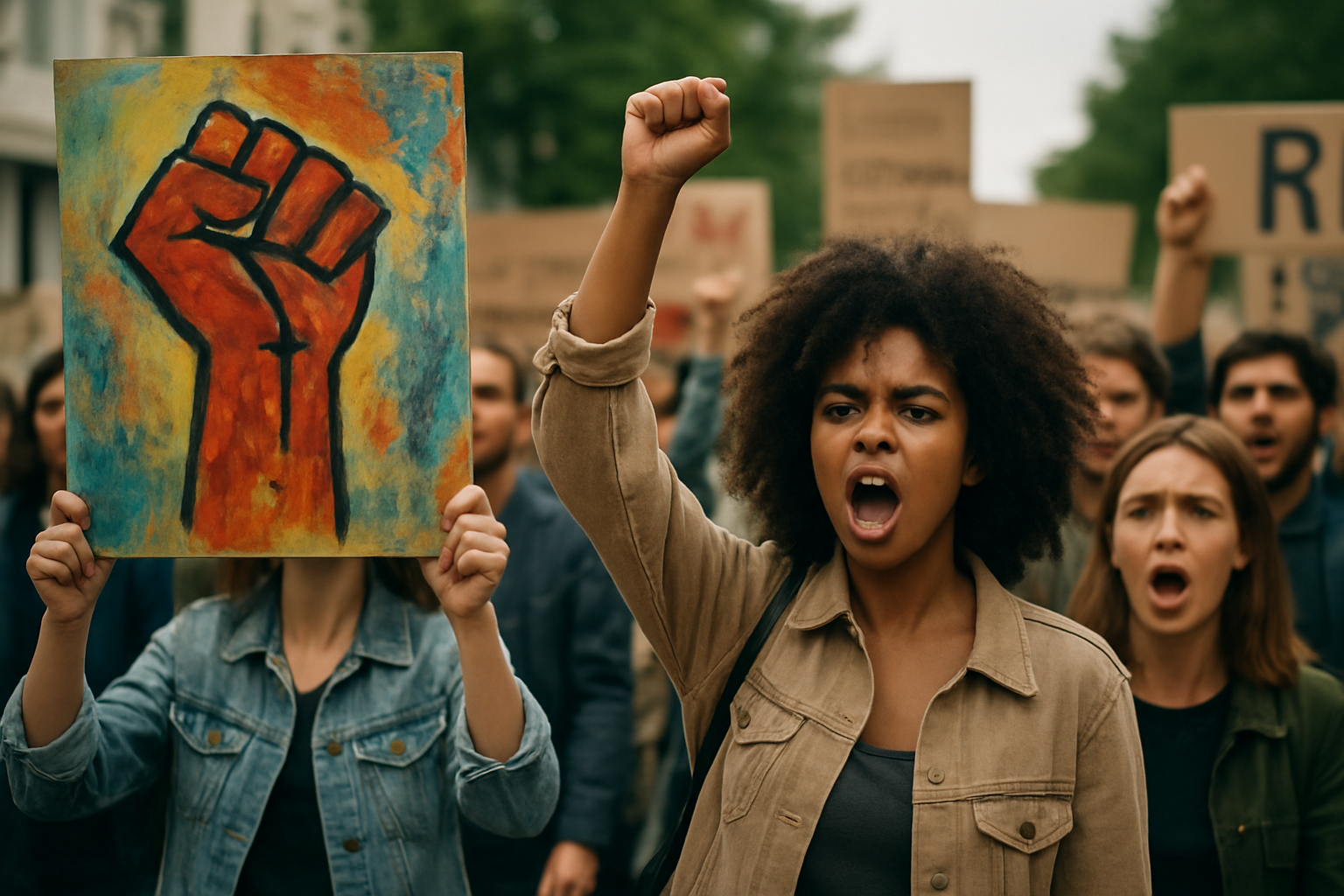
    The democratization of identity documentation allows for a more diverse array of stories and perspectives to surface. Now more than ever, voices previously marginalized have platforms to share their narratives, contributing to a richer, more inclusive tapestry of human identity.

    While the public persona dominates much of the online space, niche communities flourish. These communities offer support, understanding, and authenticity away from mainstream pressures. By embracing diversity in identity documentation, we move beyond monolithic portrayals to appreciate the spectrum of human experience.

    The Future of Documenting Identity

    As technology evolves, so too will the methodologies by which we document identity. Emerging technologies like augmented reality (AR) and virtual reality (VR) are paving new avenues for expression.

    In one possible future, VR might allow for the creation of immersive, four-dimensional narratives that transcend current limitations of representation. The evolution of identity documentation is relentless, promising both challenges and opportunities as we continue to weave the digital fabric of our identities.

    Conclusion

    In conclusion, documenting identity in the modern era presents a tapestry of complexity that mirrors the very diversity of human existence. As we navigate this shifting landscape, we are challenged to balance authenticity with curation, embrace diversity, and remain vigilant about privacy concerns. By understanding these dynamics, we unlock the true potential of modern identity as more than just a portrait, but a living, evolving narrative that speaks to the essence of who we are.

  • Vinyl and Vows: The Ritual of Listening in the Streaming Era

    Vinyl and Vows: The Ritual of Listening in the Streaming Era

    In an age where music can be accessed with the mere tap of a finger, a curious trend has emerged: the revival of vinyl records. In the 21st century, as digital streaming platforms like Spotify, Apple Music, and Tidal dominate the music industry, the physicality of vinyl offers something intangibly rich.

    The Resurgence of Vinyl

    According to the Recording Industry Association of America, vinyl sales have steadily increased over the past decade, even surpassing CD sales in recent years. Rolling Stone reported that in the first half of 2022, vinyl records generated $570 million, outshining CD revenues.

    • Tactility: Vinyl records engage more senses than digital music files. The feel of the cardboard sleeve, the smell of the record, and the act of placing the needle all contribute to a multi-sensory experience.
    • Authenticity: Many music enthusiasts argue that vinyl produces a ‘warmer’ sound, an audio authenticity that digital streams lack.
    • Nostalgia: For older generations, vinyl evokes memories of past decades. For younger listeners, it might be an avenue to experience a bygone era.

    The Ritual of Listening

    The ritual of listening to vinyl is deeply contrasting to the instantaneous nature of streaming. There’s a ceremony in preparing to listen to a record. Musician Jack White, a known advocate for vinyl, once stated,

    “There’s an immersion to vinyl – the tangible, physical relationship to an album is unique and powerful.”

    This ritual is akin to a vow taken with each listening session, creating a bond between the listener and the music.

    Vinyl demands attention and care. Unlike streaming platforms that promote passive consumption, vinyl necessitates an active engagement—both physically and mentally. The act of flipping a record or adjusting the needle requires presence. It asks the listener to slow down and devote their time, eliminating the distractions of endless playlists and algorithmic recommendations.

    Streaming: Convenience versus Connection

    The digital era has democratized music access like never before. With millions of songs available instantly, listeners can explore diverse genres and artists from around the globe. However, this convenience often comes at the cost of a deeper connection with the music. The vastness of choice can lead to an overwhelming sense of choice overload, leaving listeners in a state where the ease of skipping songs can dilute the listening experience.

    • Algorithmic Influence: Streaming platforms rely heavily on algorithms, often predicting listening behavior and influencing musical taste.
    • Passivity: The effortlessness of skipping songs and changing playlists promotes a passive relationship with music.
    • Loss of Album Experience: The concept of an album as a cohesive narrative is often lost in the era of singles and curated playlists.

    Marriage of the Two Worlds

    While vinyl offers a ritualistic experience, the digital realm provides an unparalleled scope of discovery. The two do not have to be mutually exclusive. Many artists and record labels combine the old with the new, providing digital downloads with physical vinyl purchases, thus blending the tangible and intangible.

    This synthesis opens avenues for both ritual and discovery. As listeners, we can choose when to immerse ourselves in the tactile world of vinyl and when to explore the expansive universe of digital streams. DJ Colleen ‘Cosmo’ Murphy puts it eloquently,

    “It’s not about choosing one over the other, but recognizing the unique joys each can bring.”

    Concluding Thoughts

    The resurgence of vinyl in the streaming era is more than a mere trend; it is a reflection of a growing desire for meaningful experiences. The ritual of listening to vinyl, akin to a vow taken with each rotation, reaffirms the importance of presence in an age of distraction.

    As we continue to navigate a world filled with digital options, perhaps it’s the fusion of ease and ritual that will shape our future as listeners. Whether through the warmth of vinyl or the accessibility of streaming, the essence of music remains constant—a testament to its enduring power across all mediums.

  • From Analog to Zen: The Evolving Path of Photographic Contemplation

    From Analog to Zen: The Evolving Path of Photographic Contemplation

    From Analog to Zen: The Evolving Path of Photographic Contemplation

    From Analog to Zen: The Evolving Path of Photographic Contemplation

    Introduction

    Photography has always been a deeply philosophical medium. From its analog origins to today’s digital expressions, photography invites practitioners and observers alike into a dialog with time, memory, and the self. In this article, we explore how photography’s evolution parallels contemplative practices, focusing on the transition from analog processes to more meditative and mindful approaches in the digital age, which can be equated metaphorically to a path toward Zen.

    The Analog Era: Labor and Limitation

    The advent of photography in the 19th century brought with it a technical and artistic revolution. Analog photography taught the photographer a certain discipline and patience. The manual process of developing film in a darkroom, the necessary knowledge of chemicals, and the anticipation involved in waiting for the final image imbued the practice with a sense of craft.

    The act of making a photograph was itself a meditative process. Each image was meticulously crafted, a direct interaction between human ingenuity and nature’s unpredictability.

    • The Tangibility of Film: Analog photography provided a tangibility that is often missing in digital formats. Holding a print or a strip of developed film connects one more directly to the photographic process.
    • Slowness as Virtue: The need to carefully choose each shot because of limited exposures meant that photographers had to be more mindful and present in the moment.
    • Flaws and Imperfections: Every film photo carried unique imperfections, a humbling reminder of the bond between chaos and creation—a theme central to Zen philosophy.

    The Digital Transition: From Quantity to Quietude

    With the rise of digital photography, the landscape of photographic contemplation shifted dramatically. The ability to take countless photos without waiting for development spurred a cultural change. While this democratized photography, it also introduced a tendency towards quantity over quality.

    “Digital images are immeasurable, easily manipulated and endlessly reproducible—qualities that evoke a new kind of impermanence.”—[Author’s Name]

    • Instant Gratification: Digital devices offer immediate feedback, but this can detract from the slow, contemplative process of image-making.
    • The Loss of Ritual: Enhancements and filters can overshadow the photographer’s original vision, leading to a loss of the ritualistic nature of photography.
    • Resurgence of Mindfulness: Many photographers are now intentionally returning to analog techniques or incorporating mindfulness practices into their digital work to recapture the contemplative essence.

    Zen and the Art of Photography

    The aesthetic concepts in Zen Buddhism, such as simplicity, the absence of clutter, and a profound connection to the present moment, have long been echoed in photography. The natural evolution of photography from a technical craft to a contemplative art form reflects the path to Zen.

    The Zen Principles in Photography

    • Wabi-Sabi: Embracing transience and imperfection, both crucial elements in capturing authentic moments.
    • Satori: A sudden enlightenment or clarity. In photography, this may translate to the unexpected, perfect photo.
    • Focus on Emptiness: Using negative space intentionally, inviting the viewer into a meditative state.

    The Modern Photographer: A Journey Within

    Today’s photographers, equipped with the tools of both worlds, stand at the crossroads of technology and tradition. Many artists are finding their path to Zen through their lens, where each click of the shutter is a breath in meditation.

    “Photography takes an instant out of time, altering life by holding it still.”—Dorothea Lange

    • Making Photography Meditative: Incorporating mindful practices in photography sessions can transform the art into a meditative experience.
    • Intentionally Analog in a Digital World: Some photographers choose to slow down the process intentionally, creating limits within digital frameworks.
    • Philosophical Exploration: Photography as a tool to explore existential questions and capture the intersection of time and place.

    Conclusion

    From its analog beginnings to the digital revolution and beyond, photography continues to evolve, mirroring our own philosophical and contemplative journeys. As technology advances, photographers find new ways to practice restraint, seek mindfulness, and capture the fleeting moment in this ever-changing landscape. Thus, the path from analog to Zen is not merely about the evolution of photographic technology, but about discovering an art form that reflects a deeper inner stillness and the beauty of life’s impermanent moments.

  • The Sacred and the Screen: Modern Worship in a Secular World

    The Sacred and the Screen: Modern Worship in a Secular World

    In the bustling backdrop of our modern secular world, the notion of worship takes on new forms and finds new venues, often intersecting with the digital screens that have come to dominate our lives. As traditional religious practices vie for attention with captivating digital media, the sacred finds itself intertwined with the digital realm.

    The New Sacred Spaces

    The digital age has brought forth innovative ways to engage in spiritual practices, particularly as global events and societal shifts challenge traditional gatherings. Online worship offers a sense of community without the constraints of geographical boundaries. As one study notes, “Virtual spaces allow believers to gather for worship, prayer, and study, overcoming limitations of physical space and time.” [ResearchGate]

    • Virtual Congregations: Platforms like Zoom and Facebook Live have become new locales for worship, fostering a connection that transcends the physical domain.
    • Social Media Sermons: Spiritual leaders are increasingly utilizing Twitter, Instagram, and TikTok to share messages, providing inspiration and guidance in easily digestible formats.

    A Blurring of the Secular and the Sacred

    The blending of sacred traditions with modern technology raises compelling questions about the nature of sacred practices in a secular age. Digital tools don’t just serve as vessels but actively reshape religious experiences. According to Richard Cimino, a researcher of religion in the digital world,

    “Online worship has the potential to democratize religious authority, giving rise to new voices and interpretations.”

    [Taylor & Francis]

    • Podcasts and Apps: From meditative apps like Calm to religious podcasts that dive deep into theology, digital tools cater to personal spiritual journeys.
    • Interactive Devotionals: Websites and apps offer daily reflections, allowing individuals to engage with spirituality amidst their daily routine.

    Challenges Ahead

    Despite the blessings of digital spaces, they present significant challenges. The risk of losing intimacy and authenticity looms large, as does the potential for digital burnout. Balancing screen time with the need for genuine connection remains a critical task for modern believers.

    As we navigate these digital waters, it is imperative for spiritual seekers to critically engage with these tools, using them as means to enhance, not replace, tradition. In the paradox of modern worship, it is clear that while screens dominate our secular world, they can, with discernment, become portals to the sacred.

  • The Algorithmic Altar: Spirituality in the Digital Age

    The Algorithmic Altar: Spirituality in the Digital Age

    In an era marked by rapid technological advancement, where algorithms govern much of our daily lives, the quest for spirituality seems, at first glance, paradoxical. However, a deeper examination reveals a profound intersection between the ancient pursuit of meaning and the digital tools of the modern age. This confluence is reshaping how individuals engage with spirituality in a world often viewed through the lens of technology.

    The Rise of Digital Spirituality

    With billions of people globally accessing the Internet, spiritual experiences are increasingly being sought out online. Meditation apps, digital religious communities, and virtual reality experiences offer new pathways to ancient practices.

    • Meditation Apps: Platforms such as Headspace and Calm guide users through personalized meditation sessions designed to reduce stress and enhance mindfulness.
    • Online Communities: Social media groups and forums serve as digital congregations, where individuals discuss beliefs, share practices, and support each other’s spiritual journeys.
    • Virtual Reality: Innovative use of VR technology allows practitioners to experience immersive environments, such as virtual temples and nature settings, which can enhance meditation and reflection.

    As David Gelles, a journalist covering mindfulness, notes,

    “Meditation in the age of smartphones is a testament to how seamlessly tradition and technology have woven themselves together.”

    This synergy between the old and the new underscores an evolving spirituality that embraces digital tools without losing connection to its roots.

    Challenges of Digital Spirituality

    Despite its growing popularity, digital spirituality faces significant challenges. Critics argue that digitizing spiritual practices risks losing the depth of experience traditionally cultivated in physical spaces and interpersonal connections.

    Sherry Turkle, a professor at MIT and author of “Reclaiming Conversation: The Power of Talk in a Digital Age,” highlights this concern:

    “The richness of our real-world interactions is irreplaceable, yet in their absence, digital interfaces offer a semblance of connection.”

    This perspective calls for a careful balance between leveraging technology and nurturing authentic, human-centered engagements.

    Advantages and Innovations

    The advantages of incorporating technology into spiritual practices are manifold. Accessibility is a key benefit, as digital platforms break down geographical and physical barriers, allowing spiritual seekers from diverse backgrounds to connect and learn. Additionally, data-driven insights offer personalized approaches to spirituality, helping individuals identify what practices resonate most with them through feedback and analytics.

    Organizations and startups are innovating at this intersection. For instance, Insight Timer combines community features with an extensive library of free meditations. Unlike traditional models, these platforms empower users with flexibility and choice, catering to diverse spiritual needs and preferences.

    The Future of Spirituality in a Digital World

    The intertwining of technology and spirituality is likely to deepen as digital tools continue to evolve. Emerging technologies such as artificial intelligence (AI) hold the potential to further enhance spiritual exploration by tailoring experiences to an individual’s unique needs and preferences.

    Religious institutions are also beginning to embrace digital transformation. During the COVID-19 pandemic, virtual services became commonplace, demonstrating the Church’s ability to adapt to changing circumstances. Moving forward, these hybrid models may become standard practice, offering both digital and physical means to participate in spiritual communities.

    Moreover, the digital age encourages a pluralistic approach to spirituality, where individuals are exposed to diverse religious and philosophical traditions, fostering a more inclusive global dialogue. As Benedictine monk and author David Steindl-Rast posits,

    “In the end, it is not religious affiliation or membership that matters, but encountering that is — no words.” This open, exploratory spirit is likely to characterize the future of spirituality amidst digital innovation.

    Conclusion

    The blend of spirituality and technology presents an opportunity to reinterpret age-old practices for modern contexts. While challenges persist, the potential for deeper, more widely accessible spiritual experiences is vast. The key lies in maintaining a mindful balance: utilizing technology to enhance, rather than replace, the human elements that remain integral to true spiritual understanding.

    As we navigate this merging of domains, the gravitational pull of spirituality promises to remain a vital force, one that guides our search for meaning amidst the pulsating algorithms of digital life.

  • Digital Nomads, Spiritual Roots

    Digital Nomads, Spiritual Roots

    In recent years, the term digital nomad has become synonymous with a lifestyle that blends work and travel, allowing individuals to earn a living while exploring the world. However, beyond the surface allure of exotic locations and flexible schedules lies a deeper connection to age-old spiritual practices.

    The Rise of the Digital Nomad

    The digital nomad lifestyle has been facilitated by advancements in technology and a shift towards remote work. According to a 2020 study by MBO Partners, there were approximately 10.9 million digital nomads in the United States alone, a figure that has been steadily rising.

    “The freedom to work from anywhere has given people the opportunity to reassess their work-life balance and align their lifestyles with personal values,” says Sarah Harvey, author of Kaizen: The Japanese Method for Transforming Habits, One Small Step at a Time.

    Seeking Spiritual Connection

    Many digital nomads are increasingly seeking out environments that offer more than just a picturesque landscape. They are drawn to destinations known for their spiritual significance, such as Bali, Thailand, and India, where the promise of both inner and outer exploration beckons.

    • Bali: Often referred to as the “Island of the Gods,” Bali is known for its vibrant Hindu culture and is a popular destination for yoga retreats and meditation.
    • Thailand: With its rich Buddhist heritage, Thailand offers numerous temples and meditation centers that attract those seeking spiritual growth.
    • India: As the birthplace of yoga and a land of diverse spiritual traditions, India remains a pivotal destination for those on a path of self-discovery.

    A Harmonious Lifestyle

    For digital nomads, the integration of work and spirituality can lead to a more fulfilling life. By embracing practices such as mindfulness, yoga, and meditation, they find ways to navigate the challenges of remote work while maintaining mental and emotional well-being.

    Dr. Emma Seppälä, a psychologist at Stanford University, notes in her book The Happiness Track,

    “Mindfulness and meditation can increase your focus and creativity, helping you perform better under pressure.”

    Conclusion

    As the world becomes increasingly interconnected, the digital nomad lifestyle continues to evolve, offering a unique blend of modern work flexibility and ancient spiritual practices. For those embarking on this journey, the quest is not only for professional success but also for personal enrichment and a deeper understanding of the self.