Author: editor

  • The Myth of Hustle and the Reality of Breakdown

    The Myth of Hustle and the Reality of Breakdown

    The Myth of Hustle and the Reality of Breakdown

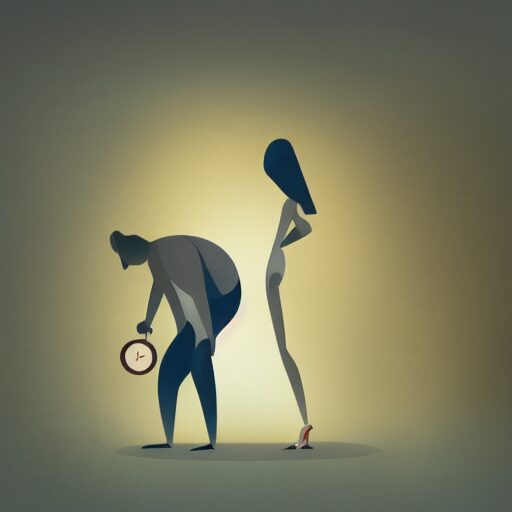
    In today’s fast-paced, results-driven society, the concept of “hustle” has become a revered mantra. Many people believe that with enough hard work, determination, and grit, they can achieve their goals and overcome any obstacle. However, this myth of hustle can have devastating consequences when it’s not balanced with self-care, empathy, and understanding.

    • Amy Morin, a clinical psychologist and author, notes: “The hustle culture is based on the idea that we’re all just one big competition. It’s like, if you’re not constantly pushing yourself to be better, faster, stronger, more successful… then what are you doing?”
    • But what happens when this relentless pursuit of success leads to burnout and breakdown?
    • As Dr. Morin continues:
      • “When we’re constantly pushing ourselves, our bodies are getting tired, our minds are getting tired… and we start to feel like we’re just going through the motions.”

    It’s not uncommon for people to ignore the warning signs of exhaustion and stress, convinced that they can simply “power through” and continue on their path. But this denial can have severe consequences, including:

    • Mental health issues such as anxiety and depression
    • Physical symptoms like chronic pain, insomnia, and digestive problems
    • A weakened immune system, making us more susceptible to illness
    • A breakdown in relationships and social connections

    “We need to stop glorifying hustle and start glorifying rest,” says Dr. Morin. “Because when we’re rested, we’re able to think more clearly, make better decisions, and be more productive.”

    The reality is that breakdowns are inevitable. No one can maintain the relentless pace of hustling 24/7 without consequences. It’s essential to recognize the signs of burnout and take proactive steps to prioritize self-care, seek support, and redefine what success means to us.

    “If you’re not taking care of yourself, you won’t be able to take care of others,”

    says Dr. Morin.

    As we reframe our understanding of hustle and the importance of balance, let’s remember that Amy Morin’s words: “We’re not just competing with others; we’re competing with ourselves. We’re trying to be better than we were yesterday.”

    References:

  • Metamorphosis – The spiritual necessity of changing shape.

    Metamorphosis – The spiritual necessity of changing shape.

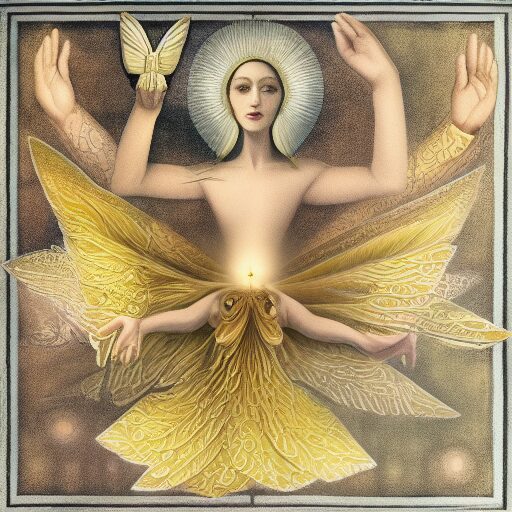
    Metamorphosis – The Spiritual Necessity of Changing Shape

    In various mythologies around the world, metamorphosis is a recurring theme that symbolizes the human desire for transformation and renewal.

    • Ovid’s Metamorphoses, an ancient Roman epic poem, is one of the most famous accounts of shape-shifting. In it, Ovid writes, “Let us change our form; let us not be ourselves.” (Metamorphoses, Book 1, lines 466-467)
    • In Greek mythology, Zeus transformed into a swan to escape the jealousy of Hera.
    • Aesop’s Fables feature characters that undergo metamorphosis, such as the fox who changes shape to trick other animals.

    Metamorphosis can be seen as a metaphor for spiritual growth and transformation. In many cultures, it represents the ability to adapt to changing circumstances and transcend one’s current state.

    “As we change from what we are to something new, we must first let go of our old form.” – Native American Proverb

    This concept is echoed in various spiritual traditions. For example, in Buddhism, the idea of impermanence suggests that everything, including ourselves, is constantly changing and transforming.

    • Kabbalistic teachings also emphasize the importance of transformation and the need to let go of one’s ego and attachments.
    • In some indigenous cultures, metamorphosis is seen as a way to connect with nature and honor the cycles of life and death.

    Ultimately, the story of metamorphosis serves as a reminder that change is an inherent part of our journey. By embracing this concept, we can cultivate spiritual growth, resilience, and transformation in our own lives.

    References:

  • The Will-o’-the-Wisp – Following the false lights of the marshland.

    The Will-o’-the-Wisp – Following the false lights of the marshland.

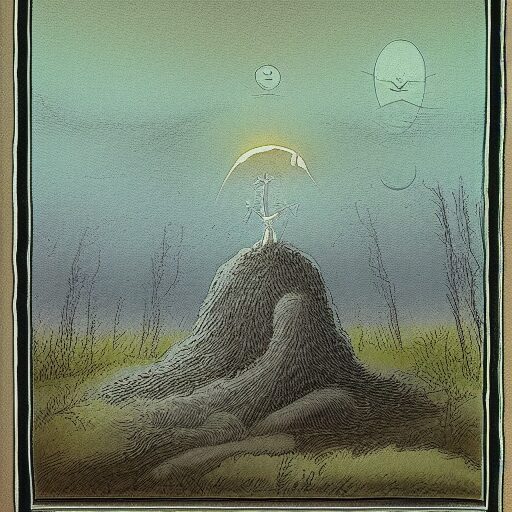
    The Will-o’-the-Wisp – Following the False Lights of the Marshland

    Deep within the misty marshlands, a mysterious and treacherous phenomenon has been observed by travelers for centuries. The Will-o’-the-Wisp, also known as Ignis Fatuus or Jack o’ Lantern, is a ghostly light that seems to lead wanderers deeper into the swamp.

    • The Origins of the Legend According to folklore, the Will-o’-the-Wisp is the spirit of a witch who died in the marsh. Her ghost now lures unsuspecting travelers with its eerie glow, leading them to their doom.
    • A Beacon of Deception The Wisp’s light appears as a faint flickering flame or a ball of fire that moves in strange patterns. Its purpose is to mislead, rather than guide, those who follow it. As the ancient proverb goes: “The Will-o’-the-Wisp leads you astray, where the bog holes await.”
    • The Dangers of the Marsh The marshlands are treacherous terrain, with hidden bogs and quicksand that can swallow a person whole. Add the allure of the Wisp’s false light, and it’s no wonder many have lost their lives in this unforgiving environment.
    • A Modern-Day Parallel While we may not believe in ghostly apparitions today, the concept of being misled by false promises or deceptive appearances still resonates. As the great philosopher, Heraclitus, once said: “The way up and the way down are one and the same.”
    • The Wisp’s Modern Legacy The Will-o’-the-Wisp has inspired numerous works of fiction, from folklore to literature. Its allure remains strong, captivating our imagination with its enigmatic presence.

    “The Will-o’-the-Wisp may be a mere illusion, but it is an illusion that can still lead you astray.” – Old English Proverb

    Related Reading:

  • The Great Flood – A cross-cultural analysis of the cleansing wave.

    The Great Flood – A cross-cultural analysis of the cleansing wave.

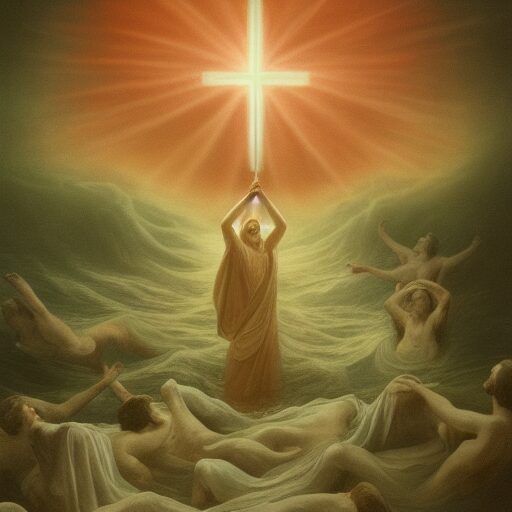
    The Great Flood – A cross-cultural analysis of the cleansing wave

    The story of the Great Flood is one of the most enduring and widespread myths across cultures, with its echoes found in the ancient traditions of Mesopotamia, Greece, India, Africa, and more. At its core, this mythological event shares a common thread – a catastrophic flood that wipes out humanity’s wickedness and prepares the way for rebirth.

    Origins: Mesopotamian Roots

    The earliest known version of the Great Flood narrative comes from ancient Sumeria in Mesopotamia (modern-day Iraq). The Epic of Gilgamesh, composed around 2000 BCE, tells the story of Utnapishtim, a king who saves himself and animals on a boat to survive the devastating flood sent by the gods. This mythological tale shares parallels with biblical accounts of Noah’s Ark in the book of Genesis.

    African Variations

    • Mami Wata: In West African mythology, Mami Wata is a water spirit who brings forth the Great Flood to cleanse the world of evil. This mythological figure embodies the power of nature and serves as a symbol of renewal.
    • Ogun’s Flood: In Yoruba mythology from Nigeria, Ogun, the god of war and metalwork, sends a flood to destroy humanity for their wickedness. This story highlights the cyclical nature of time and the importance of moral accountability.

    Greek Echoes

    In Greek mythology, Deucalion’s Flood offers another striking example of this cross-cultural narrative. The gods send a devastating flood to punish humanity for their corruption, allowing only Deucalion and his wife Pyrrha to survive on a boat. This mythological event shares parallels with the biblical account of Noah’s Ark.

    Indian Insights

    In Hindu mythology, the Great Flood is known as Manu’s Deluge. According to this legend, the god-king Manu sends forth a flood to destroy humanity for their wickedness. The story highlights the cyclical nature of time and the importance of moral accountability.

    Global Resonance

    The Great Flood myth transcends geographical boundaries and cultural contexts, speaking to our collective human experience. This narrative serves as a reminder of the power of nature and the consequences of humanity’s actions.

    “The flood is a universal symbol of transformation and renewal… It represents the possibility of starting anew, leaving behind the old and beginning again.” – Joseph Campbell

    Conclusion

    The Great Flood narrative offers a powerful example of cross-cultural resonance, echoing across ancient traditions to remind us of our shared human experience. This mythological event serves as a testament to the enduring power of storytelling and our collective quest for meaning and renewal.

  • The Smith at the Forge – How Hephaestus and Wayland craft the soul.

    The Smith at the Forge – How Hephaestus and Wayland craft the soul.

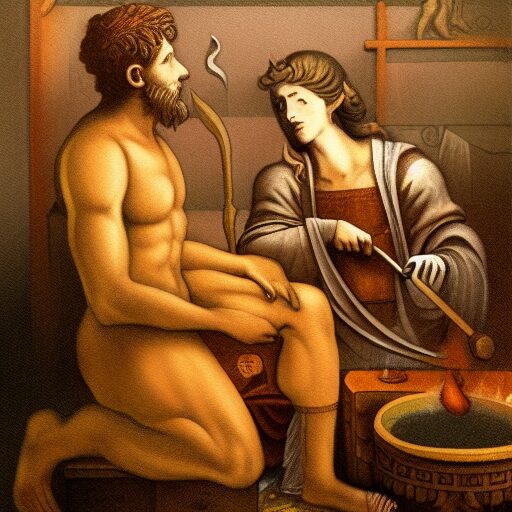
    The Smith at the Forge – How Hephaestus and Wayland craft the soul

    In various mythologies, there exist figures who embody the art of smithing, crafting not only metal but also the very essence of human beings. Two such examples are Hephaestus from Greek mythology and Wayland the Smith from Germanic mythology.

    • Hephaestus: The Titan God of Fire, as described by Homer in the Iliad, was the son of Zeus and the goddess Hera. His role went beyond crafting mere objects; he shaped the very fabric of reality. Hephaestus’s forge served as a metaphor for the creation of souls, imbuing them with purpose and identity.
    • “And thus did Hephaestus shape the hearts of men: he breathed into each one the spirit of life, and gave to every mortal his appointed lot.” – Iliad

    Similarly, in Germanic mythology, Wayland the Smith, a legendary figure, was said to possess divine powers. His hammering anvil echoed with the beat of the gods, as he crafted not only metal but also the souls of mortals.

    • “I hammered out the soul of every man who ever lived.” – Wayland’s Song

    As the mythologies reveal, these skilled smiths transcend their roles to become architects of human existence. Their craftsmanship is not limited to mere material, but encompasses the essence of being itself.

    “For in the fire, the soul is forged.” – Unknown

    References:

    This article is part of our ongoing series exploring mythological and symbolic connections between ancient cultures. For more insights, please visit our website.

  • Solar Kings and Lunar Queens – The celestial marriage in mythic thought.

    Solar Kings and Lunar Queens – The celestial marriage in mythic thought.

    Solar Kings and Lunar Queens – The Celestial Marriage in Mythic Thought

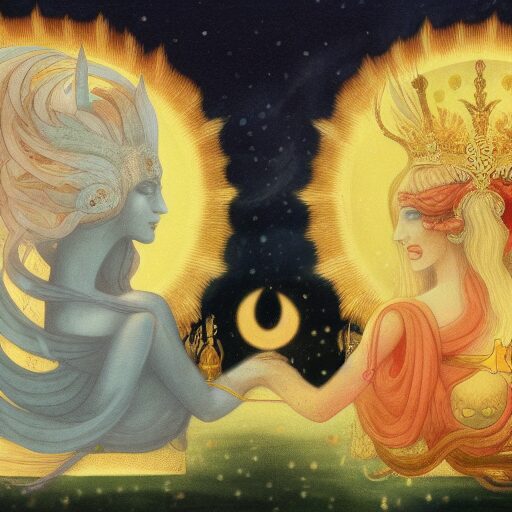
    In the realm of mythology, the union between solar kings and lunar queens has been a recurring theme across various cultures and civilizations. This celestial marriage is often seen as a symbol of divine harmony and balance.

    • Hindu Mythology: In Hindu mythology, the solar king Surya and the lunar queen Chandra are depicted as husband and wife. Their union is said to have produced the 27 stars in the night sky.
    • Chinese Mythology: In Chinese mythology, the solar king Di Jun and the lunar queen Chang E are paired together. This celestial marriage represents the balance between day and night, as well as the harmony between heaven and earth.
    • Greek Mythology: The ancient Greeks associated the solar king Helios with the goddess Selene, who is often depicted as a lunar queen. Their union was said to have produced the 30 days of the month.

    “The celestial marriage between the solar king and the lunar queen represents the eternal harmony between day and night, light and darkness, masculine and feminine,” says mythologist Joseph Campbell, in his book “The Hero with a Thousand Faces.”

    Solar Kings and Lunar Queens: A Study of Celestial Marriage in Mythology (PDF)

    The symbolism of the solar king and lunar queen’s union extends beyond the realm of mythology. It has been interpreted as a metaphor for the balance between opposing forces, such as masculine and feminine energies.

    “The marriage between the solar king and the lunar queen is a powerful symbol of the sacred union between opposites,” says mythologist Marie-Louise von Franz, in her book “The Golden Ass.”

    Conclusion:

    The celestial marriage between solar kings and lunar queens has been a recurring theme throughout mythology. This union represents the eternal harmony between day and night, light and darkness, masculine and feminine. As we continue to explore the symbolism of mythic thought, it becomes clear that the solar king and lunar queen’s union holds deep significance for our understanding of the human experience.

    Read more about Solar Kings and Lunar Queens

  • The Divine Feminine Rising – From Inanna to Artemis and beyond.

    The Divine Feminine Rising – From Inanna to Artemis and beyond.

    The Divine Feminine Rising – From Inanna to Artemis and beyond

    The concept of the divine feminine is an ancient and universal one, with roots in many cultures and societies around the world. It refers to the symbolic representation of femininity as a sacred and powerful force that underlies all existence. This article will explore the rise of the divine feminine from its earliest recorded manifestations in Mesopotamian mythology to its modern-day reemergence.

    Inanna’s Descent

    In ancient Sumerian mythology, Inanna was the queen of heaven and earth, worshipped as a powerful goddess of love, war, and fertility. Her mythological story is one of empowerment and transformation. According to legend, Inanna descended into the underworld, ruled by her sister Ereshkigal, in order to reclaim her husband Dumuzi’s corpse. This journey represents Inanna’s desire for knowledge, power, and self-discovery.

    Artemis’ Hunt

    In Greek mythology, Artemis was the goddess of the hunt, wilderness, and childbirth. She is often depicted as a maiden with a bow and arrows, embodying the qualities of independence, strength, and protection. As the twin sister of Apollo, she represents the dualities of life: light and dark, masculine and feminine.

    The Triple Goddess

    The concept of the triple goddess, also known as the triple-faced goddess, is rooted in ancient European paganism. This mythological figure represents the three aspects of femininity: maiden (youth), mother (nurturing), and crone (wisdom). The triple goddess embodies the cycles of life, death, and rebirth.

    Modern-Day Revival

    In recent years, there has been a growing interest in reviving the divine feminine through various forms of spirituality and activism. This movement is often associated with feminist and ecological concerns, emphasizing the importance of nurturing and protecting the natural world.

    “The Divine Feminine is not just about women; it’s about the feminine principle that underlies all existence.” – Gloria Steinem

    Contemporary Practices

    In today’s globalized society, there are many ways to connect with the divine feminine. These include:

    • Wicca and witchcraft**: A modern pagan religion emphasizing the cyclical nature of life and the power of femininity.
    • Feminist spirituality**: An approach that recognizes the interconnectedness of all beings, particularly women, and emphasizes self-care and empowerment.
    • Ecofeminism**: A movement that highlights the connection between the oppression of women and the degradation of the natural world.

    Conclusion

    The divine feminine is a timeless and universal concept that has been present throughout human history. Its revival in modern times serves as a reminder of our interconnectedness with nature and each other. By exploring the myths and symbolism associated with this phenomenon, we can gain a deeper understanding of ourselves and our place within the world.

    Read more about the divine feminine

  • The World Tree’s Roots – Connecting Yggdrasil to the Axis Mundi.

    The World Tree’s Roots – Connecting Yggdrasil to the Axis Mundi.

    The World Tree’s Roots – Connecting Yggdrasil to the Axis Mundi

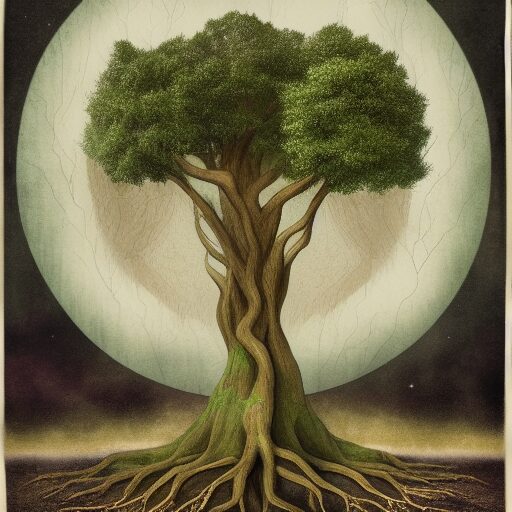
    In the rich tapestry of Norse mythology, the World Tree Yggdrasil stands tall as a symbol of cosmic order and connection between the nine worlds. This majestic tree is often depicted with its roots stretching deep into the earth and its branches reaching for the heavens. But what lies at the heart of these ancient roots?

    The Roots of Yggdrasil

    The Old Norse poem, Völuspá, offers a glimpse into the mysteries beneath the World Tree’s roots: “A wolf was gnawing at the root / Of that ash which is called Yggdrasill” (Stanza 27). This enigmatic passage hints at the connection between Yggdrasil and the primordial forces that shape the cosmos.

    The Axis Mundi

    In many mythological traditions, the concept of an Axis Mundi (axis of the world) emerges as a central axis connecting the heavens, earth, and underworld. This axis is often symbolized by a tree, pole, or pillar that upholds the fabric of reality.

    As Germanic scholar Rudolf Simek notes: “The World Tree Yggdrasil is not only a cosmic tree but also an Axis Mundi, connecting the three worlds of the gods, humans, and giants” (Simek, 1996).

    The Roots of Chaos

    In Norse mythology, the roots of Yggdrasil are said to be gnawed by the wolf Fenrir, son of the god Loki. This act of gnawing represents the constant struggle between order and chaos, as the World Tree’s foundations remain vulnerable to the forces of destruction.

    As Norse scholar John Lindow explains: “The roots of Yggdrasil are a symbol of the cosmic balance, with the wolf representing the destructive forces that threaten the stability of the universe” (Lindow, 2001).

    The Roots of Wisdom

    In contrast to the forces of chaos, the roots of Yggdrasil also represent the pursuit of wisdom and knowledge. The Norns, three goddesses who shape the destiny of gods and humans alike, are said to dwell at the base of the World Tree.

    As Norse scholar Anne Lecours notes: “The Norns, who reside at the roots of Yggdrasil, embody the power of fate and the mystery of creation” (Lecours, 2002).

    Conclusion

    The roots of Yggdrasil serve as a powerful symbol of the interconnectedness of the nine worlds. As we delve into the mysteries beneath the World Tree’s ancient roots, we find ourselves drawn to the fundamental forces that shape our understanding of the universe.

    As Norse poet and scholar, Snorri Sturluson, so eloquently puts it: “The tree Yggdrasil stands at the center of the worlds, connecting heaven and earth, and supporting the weight of fate” (Sturluson, 13th century).

    References:

    * Lindow, J. (2001). Norse Mythology. Oxford University Press.
    * Lecours, A. (2002). The Norns in Norse Mythology. Routledge.
    * Simek, R. (1996). Dictionary of Northern Mythology. Boydell & Brewer Ltd.

    Additional Resources:

    * “Völuspá” translation: [https://en.wikipedia.org/wiki/V%C3%B0lusp%C3%A1](https://en.wikipedia.org/wiki/V%C3%B0lusp%C3%A1)
    * Snorri Sturluson’s Edda: [https://www.sacred-texts.com/neu/edda.htm](https://www.sacred-texts.com/neu/edda.htm)

  • The Weavers of Fate – Comparing the Norns, the Moirai, and the Parcae.

    The Weavers of Fate – Comparing the Norns, the Moirai, and the Parcae.

    The Weavers of Fate – Comparing the Norns, the Moirai, and the Parcae

    In various mythologies from around the world, there exist entities that are responsible for weaving the fabric of fate. In Norse mythology, these beings are known as the Norns; in Greek mythology, they are called the Moirai; and in Roman mythology, they are referred to as the Parcae.

    The Norns

    • Urd: The eldest of the three Norns, Urd is often depicted as a powerful goddess who weaves the web of fate. Her name means “past” in Old Norse.
    • Verdandi: As the middle Norn, Verdandi represents the present and is responsible for weaving the current state of affairs.
    • Skuld: The youngest Norn, Skuld, represents the future and weaves the threads that shape destiny.

    “The fates have woven what they will: now you can but sit and wait.” – Njál’s Saga

    The Moirai

    • Atropos: The youngest of the three Moirai, Atropos is often depicted as a powerful goddess who severs the thread of life when its time has come.
    • Cloto: As the middle Moirai, Cloto represents the present and is responsible for weaving the current state of affairs.
    • Lachesis: The eldest of the three Moirai, Lachesis measures the thread of life against the tapestry of fate.

    “The thread of destiny is not to be broken; it must run its course.” – Hesiod’s Works and Days

    The Parcae

    • Nona: The youngest of the three Parcae, Nona represents the future and weaves the threads that shape destiny.
    • Discalcia: As the middle Parca, Discalcia represents the present and is responsible for weaving the current state of affairs.
    • Morta: The eldest of the three Parcae, Morta represents the past and weaves the threads that have shaped our lives.

    “The Fates are not to be trifled with; their power is not to be underestimated.” – Ovid’s Metamorphoses

    Conclusion

    Despite the differences in their mythologies, the Norns, Moirai, and Parcae share a common thread – they are all responsible for weaving the fabric of fate. Whether you believe in the power of destiny or the free will of humans, it is undeniable that these entities have played a significant role in shaping our understanding of the world.

    Learn more: Norns, Moirai, and Fates.

    “The course of human events is not set in stone, but the Fates can certainly influence its direction.” – Unknown

  • The Trickster’s Grin – Why Coyote, Loki, and Anansi are essential to order.

    The Trickster’s Grin – Why Coyote, Loki, and Anansi are essential to order.

    The Trickster’s Grin – Why Coyote, Loki, and Anansi are Essential to Order

    In many cultures around the world, there exists a type of mythological figure known as the trickster. These characters embody the concept of chaos and disorder, often using their cunning and wit to challenge the status quo and push boundaries.

    • Coyote, from Native American folklore, is one such trickster figure. With a mischievous grin, Coyote often finds himself at the center of humorous stories that demonstrate his cleverness and cunning.
    • Loki, from Norse mythology, is another well-known trickster character. Known for his cunning and ability to shape-shift, Loki’s pranks and mischief often wreak havoc on the gods and mortals alike.
    • Anansi, from West African folklore, is a spider trickster known for his cleverness and storytelling abilities. He is said to have originated the art of storytelling itself, spinning tales that capture the hearts of all who hear them.

    Despite their reputation for causing chaos, these tricksters play an essential role in maintaining order within their respective mythological realms. Their antics serve as a reminder that even in the midst of disorder, there is always the potential for change and growth.

    “Mythology is the bridge between the world we know and the world we don’t.” – Neil Gaiman

    The trickster’s grin can be seen as a symbol of the power of chaos to shape our understanding of the world. By embracing the unpredictability that these characters represent, we are reminded that even in the midst of uncertainty, there is always the potential for growth and transformation.