Author: editor

  • The Everyday Epiphany: Mindfulness Through the Lens

    The Everyday Epiphany: Mindfulness Through the Lens

    In a world that thrives on chaos and constant movement, finding peace can feel like an elusive goal. Yet, the practice of mindfulness offers a gentle reminder: serenity is not a far-off destiny but an everyday reality. This article explores mindfulness through the metaphorical lens and how it brings clarity to our daily lives.

    The Art of Seeing Clearly

    Mindfulness is the art of seeing reality with clarity and without judgment. It is about being present in the moment and engaging with life deliberately. As Jon Kabat-Zinn, a pioneer in bringing mindfulness into mainstream medicine, aptly puts it, “Mindfulness means paying attention in a particular way; on purpose, in the present moment, and non-judgmentally.” (source)

    The Camera as a Metaphor

    Imagine a camera lens that captures the beauty of a flower in bloom. Like a camera, our mind can focus intently and bring the intricacies of existence to the foreground. Just as a photographer adjusts their lens to capture the perfect image, mindfulness allows us to adjust our mental lens to bring meaningful aspects of life into focus.

    “Photography is the art of frozen time… the ability to store emotion and feelings within a frame.” – Meshack Otieno

    Through mindfulness, we store emotions and experiences, savoring each moment as it unfolds. This practice does not demand perfection but encourages a compassionate understanding of our thoughts and feelings.

    The Daily Practice of Mindfulness

    1. Breathing and Awareness

    • Stop and Breathe: Taking a moment to focus on your breath is the first step towards mindfulness. A simple breathing exercise—such as inhaling deeply for four counts, holding for four, and exhaling for four—can help center your thoughts.
    • Awareness of Surroundings: Engage with your environment. Notice the colors, sounds, and scents around you. This kind of mindful awareness keeps you grounded in the present moment.

    2. Mindful Observation

    • Observe Without Judgement: As you go through your day, observe your thoughts and feelings without judgment. Acknowledge them and let them pass, like clouds in the sky.
    • Focus on Details: Appreciate the small details in your surroundings—like the pattern of leaves on a tree or the texture of your desk’s surface.

    3. Mindful Listening

    • Deep Listening: When in conversation, practice deep listening. Give your full attention to the speaker, resisting the urge to interrupt or formulate your response while they are talking.
    • Empathy and Connection: By truly listening, we connect with others empathetically, understanding their perspective more deeply.

    Unleashing the Epiphany

    Incorporating these mindfulness practices into your daily routine can lead to profound insights or everyday epiphanies. These moments of clarity are not grandiose revelations but subtle shifts in perception that can transform our relationship with ourselves and the world.

    Understanding Emotions: As Thich Nhat Hanh, a renowned Zen master, once said, “The best way to take care of the future is to take care of the present moment.” Through mindful awareness, we gain a deeper understanding of our emotions, responding to them thoughtfully rather than reacting impulsively.

    Enhanced Creativity: Mindfulness frees the mind from the clutter of incessant thoughts. This clarity unlocks creative potential, allowing us to approach problems in innovative ways. As the mind focuses, new ideas flow more organically.

    Improved Well-being: Regular mindfulness practice has been linked to a host of benefits, including reduced stress, improved mental health, and greater satisfaction in life. A study published in Psychology & Health found that mindfulness can significantly reduce rumination and increase resilience to stress.

    The Path Forward

    Embracing mindfulness is about recognizing that life is a series of moments, each holding potential wisdom and beauty. Mindfulness invites us to step back, recalibrate our inner lens, and appreciate each component of our life with fresh eyes.

    “Each morning we are born again. What we do today is what matters most.” – Buddha

    By engaging in mindful practices, we not only enrich our own lives but also positively impact the lives of those around us. Our everyday epiphanies become a beacon of inspiration and calm in a frenetic world.

    In the grand picture of life, mindfulness cultivates balance, compassion, and a deeper connection with the present. It is through this lens that we see our journey with clarity and embrace the epiphanies that arise from the ordinary moments of existence.
  • Harmonies of Heresy: Contemporary Composers and Sacred Texts

    Harmonies of Heresy: Contemporary Composers and Sacred Texts

    In our rapidly evolving cultural landscape, music remains a powerful medium through which spirituality and secularism blend and clash. Contemporary composers are increasingly engaging with sacred texts, reimagining them through a modern lens. This practice often walks a fine line between reverence and heresy, creating a unique dialogue between tradition and innovation.

    The Historical Interplay of Music and Sacred Texts

    Music has long been intertwined with spirituality. From Gregorian chants to Bach’s cantatas, religious themes have dominated Western classical music. However, as we progressed into the 20th and 21st centuries, the role of sacred texts in music began to shift, as composers started exploring these texts not just for their spiritual content but also for their linguistic and cultural richness.

    “Music is the shorthand of emotion.” — Leo Tolstoy

    This quote aptly describes the way composers articulate complex emotions, using sacred words to evoke a sense of the divine, the mystical, or sometimes the controversial.

    Contemporary Examples: Bridging the Divine and the Profane

    Several contemporary composers have boldly engaged with sacred texts, producing works that challenge both sacred and secular audiences. Below are some key figures and their contributions:

    • John Tavener

      Tavener, whose works are often permeated with spirituality, draws from a plethora of religious traditions. His compositions like The Protecting Veil reflect the mystical dimensions of Christianity. Tavener once said, “I am totally religious… my music is all about the liturgy of the eternal church” (The Telegraph).

    • Arvo Pärt

      Pärt is known for his minimalistic style and deep Orthodox Christian faith. His renowned work Passio uses the passion text from the Gospel of John, illustrating how sacred texts can be transformed into profound musical experiences.

    • Sofia Gubaidulina

      A Russian composer whose use of sacred texts goes beyond Christian sources, Gubaidulina often delves into the mystical and spiritual. Her work Seven Words, a meditation on the last words of Christ, showcases her ecumenical approach.

    • Laurent Petitgirard

      Petitgirard, in his opera Joseph Merrick: The Elephant Man, touches on themes of humanity and divinity, exploring Biblical narratives through a modern, often unsettling, lens.

    The Creative Tension of Sacred Texts in Modern Music

    The use of sacred texts in music today often generates a creative tension that challenges both the audience and the composers. This dynamic raises important questions:

    • Authenticity vs. Innovation: How do composers remain authentic to the sacred texts while infusing them with contemporary relevance?
    • Reverence vs. Heresy: Is engaging with these texts in secular contexts an act of reverence or a form of heresy?

    Authenticity vs. Innovation

    Composers like Gubaidulina insist on staying true to the spirit of the original texts while employing novel musical techniques. As she expresses, “There is no contradiction between tradition and innovation in my music” (Boosey & Hawkes).

    Reverence vs. Heresy

    Some argue that the secular adaptation of sacred texts dilutes their original spiritual intent. However, as Pärt demonstrates, when done with respect and understanding, it can breathe new life into ancient words, offering fresh perspectives and deeper insights.

    The Role of Technology

    Technological advancements have also played a significant role in how sacred texts are adapted in contemporary compositions. Modern tools allow composers to experiment with soundscapes, fundamentally altering the listening experience.

    Electronic Music and Sacred Texts

    • John Adams: In Harmonium, Adams uses the poetry of Emily Dickinson and John Donne’s sacred texts, pleading for freedom while exploring electronic music’s potential.
    • Karl Jenkins: Known for The Armed Man: A Mass for Peace, Jenkins combines traditional sacred texts with modern musical elements, employing electronic enhancements to create a more immersive experience.

    The Philosophical Underpinnings

    Beyond their artistic endeavors, many composers engage with sacred texts on a philosophical level, using music to explore existential themes. As the late Leonard Bernstein once said, “This will be our reply to violence: to make music more intensely, more beautifully, more devotedly than ever before” (Leonard Bernstein Official Website).

    Composers today use sacred texts to question, to reach out, and to forge connections across cultural and religious divides, embodying Bernstein’s ideal of music as a unifying force.

    Conclusion

    The interplay between contemporary music and sacred texts is complex and multifaceted. It encapsulates a spectrum of human experience, from the deeply spiritual to the radically secular, challenging musicians and audiences alike to reconsider the boundaries of tradition and innovation. Through this creative dialogue, composers continue to enrich the musical landscape, offering us new harmonies that resonate with ancient wisdom and modern sensibilities alike.

  • Beyond the Portrait: Documenting Identity in the Modern Era

    Beyond the Portrait: Documenting Identity in the Modern Era

    In an era where every fleeting moment can be captured, the portrayal of identity has transcended the static confines of traditional portraiture. The narrative of self has evolved into a complex tapestry woven from countless digital threads, reflecting the multifaceted nature of modern identity. This transformation raises pertinent questions about how identity is documented and perceived in the modern era.

    The Evolution of Portraiture

    Historically, portraits served as a means to immortalize an individual’s visage, often reserved for the elite. According to art historian John Berger in his seminal work Ways of Seeing, “A woman must continually watch herself. She is almost continually accompanied by her own image of herself.” These words underpin the historical significance of the portrait as a reflection both of and upon persona.

    With the advent of photography in the 19th century, the accessibility of portraits increased. No longer restricted to the affluent, individuals from different walks of life could document their existences, albeit still in a formalized manner. For decades, these images were two-dimensional interpretations of a multi-dimensional identity.

    The Digital Revolution

    Today, the digital revolution has irreversibly altered our interactions with images and identity documentation. Platforms like Instagram, Facebook, and TikTok allow anyone to curate and project their personas in real-time. The question is no longer if one can record their image, but rather, how one chooses to present it.

    Curation of Identity

    In the words of media theorist Marshall McLuhan, “The medium is the message.” The medium through which we express our identities shapes the identities themselves. Social media serves as both a canvas and a mirror, with identities curated to fit perceived norms and ideals. As a study published in SAGE Journals discovered, “the recreation of self online often involves subtle manipulations of reality to garner social favor.”

    • Images are often edited to achieve perfection, leading to an online persona that may diverge from reality.
    • Biographical snippets, captions, and hashtags construct a narrative that viewers consume and interpret.
    • The feedback loop of likes and comments perpetuates certain self-representations over others.

    Documenting Identity Through Multimodal Means

    Today’s portrayal of identity extends beyond mere images. It encompasses videos, tweets, blogs, and even ephemeral content like Instagram Stories and Snapchat. This multimodal expression harnesses the entirety of sensory experience to convey individual narratives.

    “We’re getting used to a new way of being alone together,” observes sociologist Sherry Turkle in her TED Talk, “where we’re able to hide from each other even as we’re more connected than ever.”

    This interconnectedness demands a more nuanced approach to understanding and documenting identity. Identity is not static but an ongoing dialogue between the self and the wider world.

    Challenges and Consequences

    The modern documentation of identity poses several challenges and implications for personal privacy and societal norms:

    1. Authenticity: The curated nature of online identities raises questions about authenticity. Is what we see a genuine reflection or merely a crafted facade?
    2. Privacy: With personal details readily available online, maintaining privacy becomes increasingly challenging. The Pew Research Center highlights that a significant portion of internet users are concerned about the erasure of privacy boundaries.
    3. Social Pressure: The desire to conform to online norms can lead to undue stress and impact mental health. It is crucial to balance online engagement with offline authenticity.

    Embracing Diversity Through Identity Narratives

    The democratization of identity documentation allows for a more diverse array of stories and perspectives to surface. Now more than ever, voices previously marginalized have platforms to share their narratives, contributing to a richer, more inclusive tapestry of human identity.

    While the public persona dominates much of the online space, niche communities flourish. These communities offer support, understanding, and authenticity away from mainstream pressures. By embracing diversity in identity documentation, we move beyond monolithic portrayals to appreciate the spectrum of human experience.

    The Future of Documenting Identity

    As technology evolves, so too will the methodologies by which we document identity. Emerging technologies like augmented reality (AR) and virtual reality (VR) are paving new avenues for expression.

    In one possible future, VR might allow for the creation of immersive, four-dimensional narratives that transcend current limitations of representation. The evolution of identity documentation is relentless, promising both challenges and opportunities as we continue to weave the digital fabric of our identities.

    Conclusion

    In conclusion, documenting identity in the modern era presents a tapestry of complexity that mirrors the very diversity of human existence. As we navigate this shifting landscape, we are challenged to balance authenticity with curation, embrace diversity, and remain vigilant about privacy concerns. By understanding these dynamics, we unlock the true potential of modern identity as more than just a portrait, but a living, evolving narrative that speaks to the essence of who we are.

  • The Geometry of Gesture: Dance and the Power of Line

    The Geometry of Gesture: Dance and the Power of Line

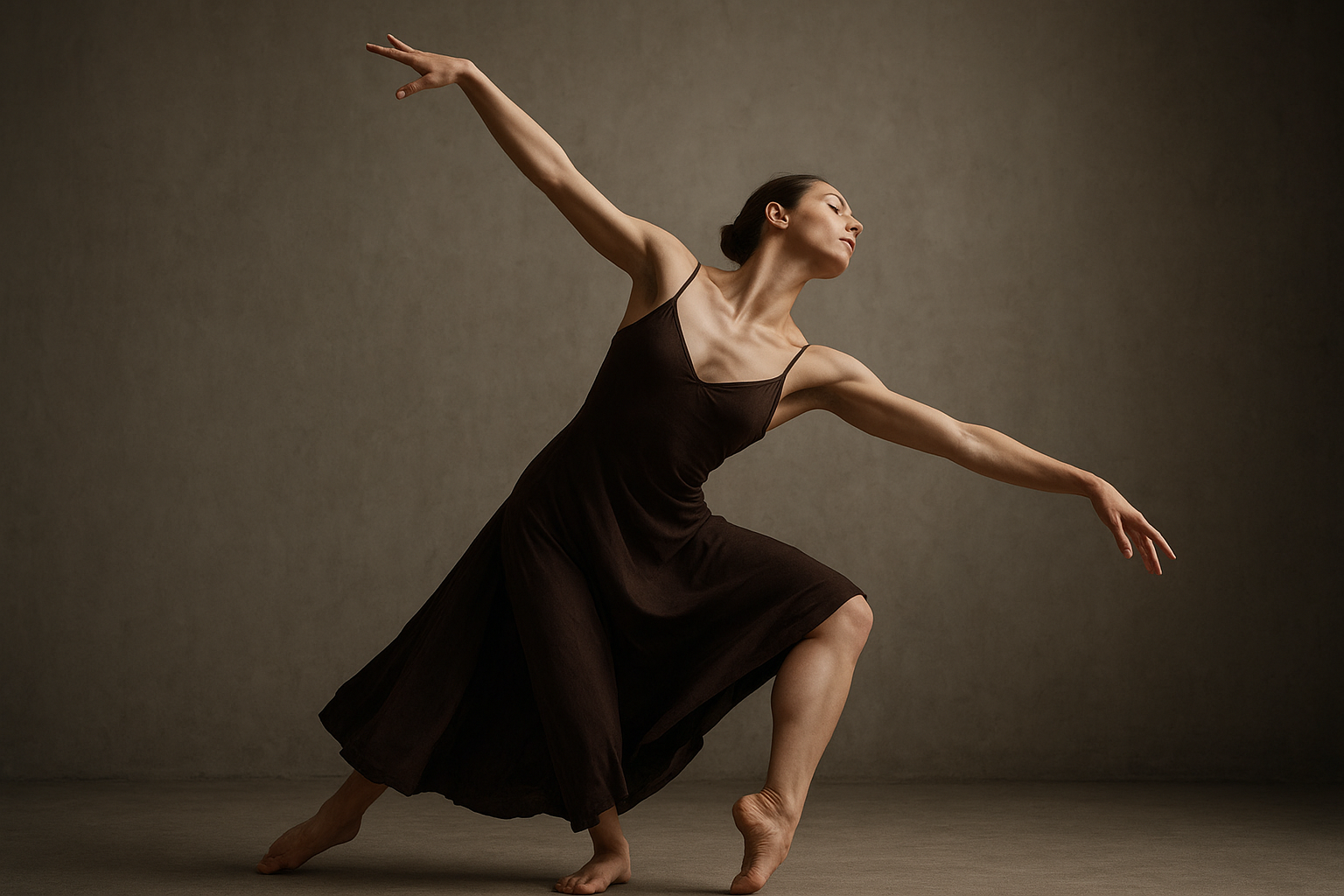
    Dance, as an ancient and expressive form of communication, transcends the spoken word by utilizing the body’s movement through space. At the heart of this kinetic language is geometry—the shapes, lines, and angles formed by dancers as they express complex emotions and narratives through rhythm and dynamism. This article explores the profound impact of geometrical elements in dance, focusing on how lines and shapes are employed to convey meaning and evoke emotion.

    The Intersection of Art and Mathematics

    The convergence of dance and geometry is not a new phenomenon. Historical records depict dance as an integral aspect of cultural rituals, often emphasizing symmetrical formations and choreographed precision. This union of art and mathematics finds roots in the Greek concept of symmetria, which denotes harmony and proportion, and is exemplified through the symmetrical movements in Greek choruses.

    Plato, the great philosopher, once said, “Dance, like music, is a form of art that speaks of harmony among the physical, mental, and emotional realms.” His sentiments underline the importance of balance and proportion, both key elements in geometry, which are echoed in dance movements. The geometric design in dance not only enhances aesthetic appeal but also facilitates the conveyance of a deeper message without uttering a word.

    Understanding the Power of Line

    Lines serve as the most fundamental elements in any visual medium, and dance is no exception. Dancers use lines to create form and structure, guiding the viewer’s eye and shaping the narrative. The lines in dance are not just physical trails left by movements but psychological paths that influence the audience’s perception and emotional response.

    “A line is a dot that went for a walk,” said Paul Klee, a Swiss artist, summing up the essence of lines in art forms. In dance, this principle applies as movements begin from a singular point and expand outward, sketching complex figures in the air.

    • Vertical Lines: Often associated with strength and magnificence, vertical lines are used to signify authority, pride, and an aspirational reach. Dancers using vertical lines can convey the feeling of elevation or resistance against gravity, similar to the towering stance in ballet.
    • Horizontal Lines: These lines suggest calmness, rest, and stability. In dance, horizontal movements often symbolize openness and expansiveness, and are typically seen in sequences that aim to mimic the earth’s flat plane.
    • Diagonal Lines: Representing motion and instability, diagonal lines introduce a dynamic flair to a performance. They illustrate actions such as opposition and conflict, giving energy and tension to the composition.

    Choreographic Applications of Geometry

    Choreographers have long utilized geometric principles to invent new dance forms and narratives. The deliberate arrangement of dancers in predetermined paths constructs a shared experience with the audience, akin to watching a visual artwork unfold in a three-dimensional space.

    • Symmetry and Asymmetry: While symmetry provides a classical sense of balance, asymmetry introduces an unexpected twist to compositions, creating engaging and thought-provoking dance narratives. Symmetrical formations provide a collective harmony amongst dancers, while asymmetrical placements invite individual expression and surprise.
    • Patterns and Repetition: Repetitive structures in dance are drawn directly from geometric principles. They establish a rhythm that mirrors the natural and mathematical world, such as the spiral of a seashell or the symmetry of a snowflake. Repetitive movements create a hypnotic allure, guiding audiences into a state of trance.
    • Pathways and Angles: The use of pathways and angles choreographically can evoke different responses. Curvilinear pathways tend to be gentle and flowing, while angular movements can create stark, impactful impressions that contrast strikingly with smoother lines.

    Symbolism and Cultural Implications

    Diverse cultural dances often integrate geometric concepts to convey stories or uphold traditions. For example, Native American dances frequently incorporate circular formations to symbolize unity and the cyclical nature of life. Similarly, Indian classical dances use intricate hand and foot placements, known as mudras, that create unique shapes, representing various deities, actions, and emotions.

    According to the renowned choreographer Merce Cunningham, “Dance gives dramatic life to geometric forms, making it an ever-changing art.” This quote highlights how geometry imbues dance with endless possibilities for expression across different cultures.

    Modern Interpretations and Innovations

    Contemporary dancers and choreographers are constantly pushing geometric principles to explore new expressions. Technology plays a substantial role in these innovations, with dance companies increasingly using 3D projections, drones, and virtual reality to construct immersive geometrical landscapes.

    For instance, digital artist and choreographer Alexander Whitley combines cutting-edge technology with dance to create stunning visual experiences. In his work “8 Minutes,” dancers navigate a stage where digital projections create an ever-changing geometric environment, blurring the boundary between human and machine interaction.

    Conclusion

    The interplay between dance and geometry offers audiences not only beauty but a deeper insight into how art and mathematics coexist and influence human emotion. Dance fundamentally relies on geometric principles—lines, shapes, and pathways—to articulate a narrative that words alone cannot express.

    As the world of dance continues to evolve, the marriage of traditional and contemporary interpretations of geometry in choreography promises to create endlessly fascinating canvases of movement and form, inviting future generations to explore the space beyond conventional thinking.

    The geometry of gesture will remain a powerful tool in dance, enabling performers to communicate, inspire, and challenge viewers to perceive the world through the eloquent language of movement. As Martha Graham once said, “Dance is the hidden language of the soul,” an assertion made vivid by the geometric frameworks that help translate that language into palpable art.

  • Iconoclasts and Insights: The Clash of Modern and Traditional Faith

    Iconoclasts and Insights: The Clash of Modern and Traditional Faith

    Faith, as a profound aspect of human existence, has been a source of comfort, community, and conflict throughout history. In the contemporary epoch, a fascinating dichotomy emerges between traditional adherence and modern interpretations. This clash, while rooted in age-old practices, thrives in the dynamic environment of modern society. In examining both sides, we gain insights into the evolving nature of belief and spirituality.

    The Foundations of Traditional Faith

    Traditional faith systems hold significant authority and continuity across generations. Anchored in time-honored beliefs and practices, these systems often serve as bedrock institutions within cultures globally. Such faith manifests through rituals, ceremonies, and doctrines that provide individuals with a grounded sense of identity and purpose.

    • Preservation of Legacy: Traditional faith emphasizes the unbroken transmission of customs and teachings from one generation to the next. The stability and predictability offered through orthodoxy have been pivotal to communities seeking refuge in a world of constant change.
    • Collective Identity: The shared experiences and narratives found within these traditional frameworks foster a strong sense of belonging and unity among adherents.
    • Scriptural Authority: For many, the sacred texts offer divine guidance and dictate the course of ethical and moral life. As it is often asserted: “It is written in the Holy Book,” which signifies the deep-seated reverence for scripture.

    However, modernity’s rapid advancement has sparked a reconsideration of these ancient tenets.

    Modern Faith and the Spirit of Innovation

    Modern faith is characterized by an openness to reinterpret and re-envision traditional beliefs through a contemporary lens. This is propagated by increased globalization, scientific advancements, and the rise of individualism.

    • Individual Spirituality: A growing number of people embrace a personal, rather than institutional, approach to spirituality. As noted in a recent survey by the Pew Research Center, “The proportion of Americans who identify as ‘spiritual but not religious’ has surged, signaling a shift from organized religion to personal spirituality.” (Source: Pew Research Center).
    • Scientific Inquiry: Many modern practitioners seek to harmonize scientific understanding with spiritual belief. They often view the universe’s intricate workings as a testament to greater consciousness rather than a contradiction of faith.
    • Interfaith Dialogues: The rise of interfaith movements exemplifies the modern approach to religious belief. These conversations emphasize universal values such as compassion, equality, and love, extending respect and understanding across diverse religious traditions.

    This convergence of faith and inquiry heralds a new era of innovation while posing challenges to established norms.

    The Intersection and Its Implications

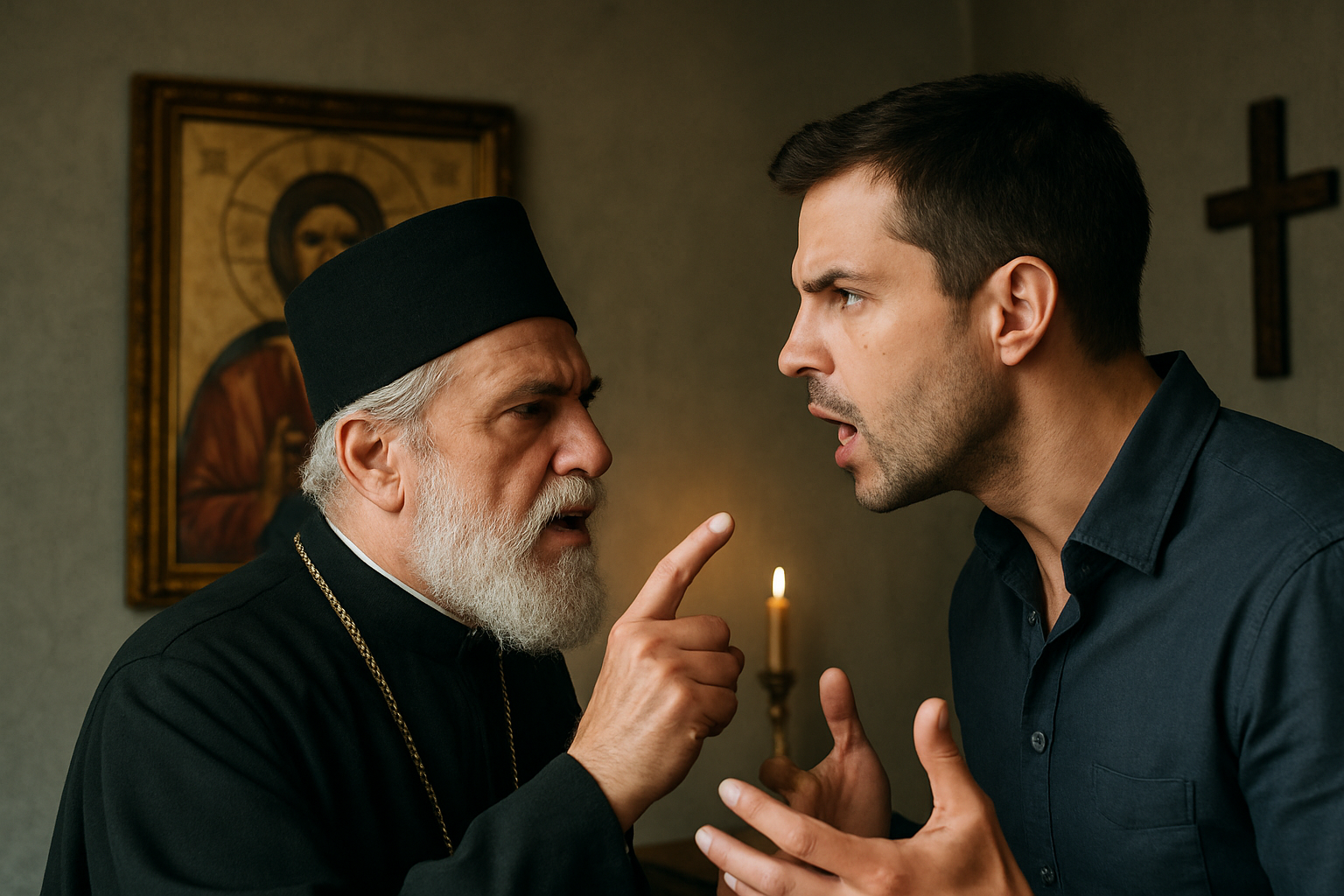
    The clash between traditional and modern faith is not merely academic—it is evident in societal, political, and cultural domains worldwide.

    The Social Dynamics

    At a societal level, tension often arises in communities divided by generational views. Older groups may resist what they see as the erosion of core values, while younger generations may argue for the relevance and adaptation of faith to contemporary issues.

    “The test of a first-rate intelligence is the ability to hold two opposed ideas in mind at the same time and still retain the ability to function,” as F. Scott Fitzgerald poignantly notes. This sentiment captures the challenge faced by many in reconciling these divergent worlds. (Source: Quote Investigator)

    Political and Cultural Repercussions

    In many parts of the world, the friction between traditionalists and modern innovators influences political landscapes, policy-making, and cultural expressions. Legal systems in various countries grapple with issues of religious freedom, secularism, and how to accommodate evolving spiritual views within a traditional framework.

    • Governance and Policy: Countries like India and Turkey exemplify the struggle to balance secular governance with religious conservatism, leading to vibrant public debates and sometimes contentious political environments.
    • Cultural Expressions: Literature, film, and art often challenge traditional religious paradigms, sparking conversations and, at times, controversy.

    Bridging the Divide

    While conflict dominates much of the discourse, the potential for synergy and synthesis between traditional and modern beliefs is both feasible and promising.

    Emerging practices, such as integral spirituality, seek to harmonize conventional religious practices with new age spirituality. They propose an encompassing vision that acknowledges the wisdom of ancient traditions while embracing the insights of modernity.

    • Educational Initiatives: Programs promoting religious literacy and interfaith education contribute to breaking down misconceptions and fostering mutual respect.
    • Community Leadership: Faith leaders who advocate for dialogue and inclusivity often play pivotal roles in nurturing environments where diverse spiritual beliefs can coexist and collaborate.
    • Technology and Connectivity: The digital age has democratized access to religious texts and ideas, enabling individuals to explore various beliefs and practices, thus broadening their spiritual horizon.

    The interaction between the traditional and the modern is not a zero-sum game. Instead, it reflects the vibrancy and diversity of human belief systems. By embracing our differences and seeking common ground, we transcend merely surviving these shifts and begin to thrive through the enrichment such diversity offers.

    Ultimately, both traditional and modern faith framework strives for knowledge, meaning, and understanding—timeless quests of human beings. As we move forward, our ability to navigate these waters with compassion and openness may well define the spiritual landscape of the future.

    This article serves as a reflection on the current state of faith, where the lines between old and new are continually redrawn, offering not just conflict, but tremendous opportunity for growth and understanding in the tapestry of human spirituality.

  • Vinyl and Vows: The Ritual of Listening in the Streaming Era

    Vinyl and Vows: The Ritual of Listening in the Streaming Era

    In an age where music can be accessed with the mere tap of a finger, a curious trend has emerged: the revival of vinyl records. In the 21st century, as digital streaming platforms like Spotify, Apple Music, and Tidal dominate the music industry, the physicality of vinyl offers something intangibly rich.

    The Resurgence of Vinyl

    According to the Recording Industry Association of America, vinyl sales have steadily increased over the past decade, even surpassing CD sales in recent years. Rolling Stone reported that in the first half of 2022, vinyl records generated $570 million, outshining CD revenues.

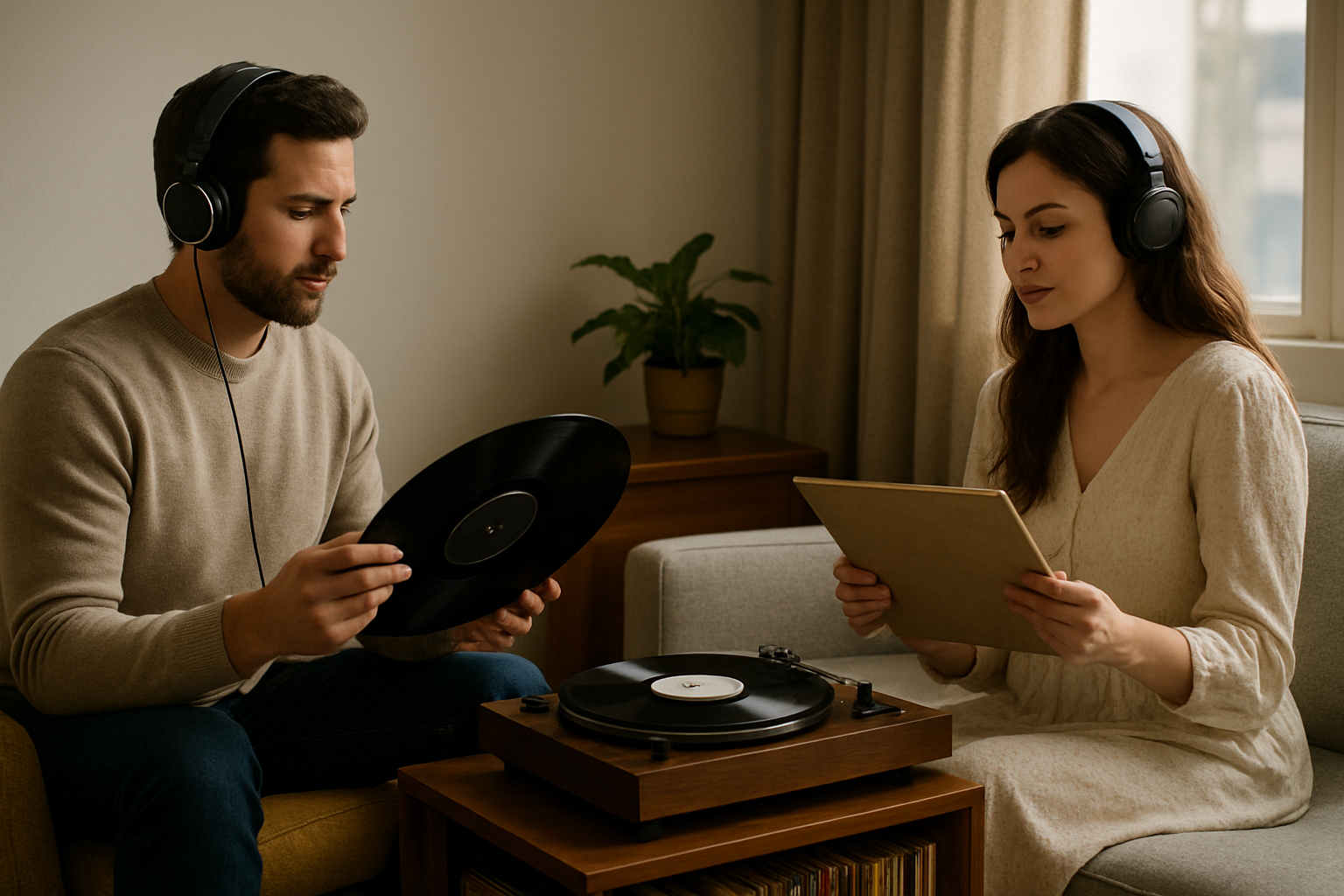
    • Tactility: Vinyl records engage more senses than digital music files. The feel of the cardboard sleeve, the smell of the record, and the act of placing the needle all contribute to a multi-sensory experience.
    • Authenticity: Many music enthusiasts argue that vinyl produces a ‘warmer’ sound, an audio authenticity that digital streams lack.
    • Nostalgia: For older generations, vinyl evokes memories of past decades. For younger listeners, it might be an avenue to experience a bygone era.

    The Ritual of Listening

    The ritual of listening to vinyl is deeply contrasting to the instantaneous nature of streaming. There’s a ceremony in preparing to listen to a record. Musician Jack White, a known advocate for vinyl, once stated,

    “There’s an immersion to vinyl – the tangible, physical relationship to an album is unique and powerful.”

    This ritual is akin to a vow taken with each listening session, creating a bond between the listener and the music.

    Vinyl demands attention and care. Unlike streaming platforms that promote passive consumption, vinyl necessitates an active engagement—both physically and mentally. The act of flipping a record or adjusting the needle requires presence. It asks the listener to slow down and devote their time, eliminating the distractions of endless playlists and algorithmic recommendations.

    Streaming: Convenience versus Connection

    The digital era has democratized music access like never before. With millions of songs available instantly, listeners can explore diverse genres and artists from around the globe. However, this convenience often comes at the cost of a deeper connection with the music. The vastness of choice can lead to an overwhelming sense of choice overload, leaving listeners in a state where the ease of skipping songs can dilute the listening experience.

    • Algorithmic Influence: Streaming platforms rely heavily on algorithms, often predicting listening behavior and influencing musical taste.
    • Passivity: The effortlessness of skipping songs and changing playlists promotes a passive relationship with music.
    • Loss of Album Experience: The concept of an album as a cohesive narrative is often lost in the era of singles and curated playlists.

    Marriage of the Two Worlds

    While vinyl offers a ritualistic experience, the digital realm provides an unparalleled scope of discovery. The two do not have to be mutually exclusive. Many artists and record labels combine the old with the new, providing digital downloads with physical vinyl purchases, thus blending the tangible and intangible.

    This synthesis opens avenues for both ritual and discovery. As listeners, we can choose when to immerse ourselves in the tactile world of vinyl and when to explore the expansive universe of digital streams. DJ Colleen ‘Cosmo’ Murphy puts it eloquently,

    “It’s not about choosing one over the other, but recognizing the unique joys each can bring.”

    Concluding Thoughts

    The resurgence of vinyl in the streaming era is more than a mere trend; it is a reflection of a growing desire for meaningful experiences. The ritual of listening to vinyl, akin to a vow taken with each rotation, reaffirms the importance of presence in an age of distraction.

    As we continue to navigate a world filled with digital options, perhaps it’s the fusion of ease and ritual that will shape our future as listeners. Whether through the warmth of vinyl or the accessibility of streaming, the essence of music remains constant—a testament to its enduring power across all mediums.

  • The Artist’s Prayer: Finding Transcendence in Visual Creation

    The Artist’s Prayer: Finding Transcendence in Visual Creation

    The Artist’s Prayer: Finding Transcendence in Visual Creation

    The act of creation can often feel like a spiritual journey, a sacred endeavor that connects the artist to something greater than themselves. When words fail, visual art becomes a powerful form of transcendence, allowing both creator and observer to find deeper meaning in life. In this exploration, we delve into how art serves as a prayer, a meditation in motion, and a conduit for divine connection.

    The Spiritual Aspects of Art

    From cave paintings to modern installations, art has always been an intimate part of human spirituality. It reflects our inner worlds and our highest aspirations, acting as both a mirror and a window. For many artists, the process of creating is akin to prayer—a purposeful act of devotion and introspection.

    Marc Chagall, a prolific 20th-century artist, once expressed, “The dignity of the artist lies in his duty of keeping awake the sense of wonder in the world.” Chagall’s words encapsulate the artist’s quest for transcendence, where the act of creation becomes a sacred duty to evoke wonder and awaken the divine sensibility within the observer.

    Art as Meditation

    Much like meditation, the process of creating art demands presence, surrender, and an openness to the unknown. It is an exercise in mindfulness where the artist is fully immersed in the act of creation. Each stroke of the brush or curve of the sculpture becomes a mantra, bringing the artist closer to a state of inner peace and clarity.

    Research shows that engaging in creative activities can reduce stress, diminish anxiety, and improve overall mental health. In a study published in The Journal of Positive Psychology, it was reported that people who partake in creative pastimes, including visual art, experience increased positive mood states and a sense of flourishing. When art is approached as a meditative practice, it fosters a deep state of tranquility and self-awareness.

    The Sacred Dance of Flow

    The concept of “flow” is often discussed in the context of artistic creation. Csikszentmihalyi describes flow as a state where one is fully engaged and absorbed in the activity, leading to peak levels of creativity and efficiency. Within this flow state, artists often experience moments of transcendence and union with their creative source.

    “The best moments in our lives are not the passive, receptive, relaxing times. The best moments usually occur if a person’s body or mind is stretched to its limits in a voluntary effort to accomplish something difficult and worthwhile.” — Mihaly Csikszentmihalyi

    While in the flow, artists lose track of time and self-consciousness, merging with their work in an act of creation that feels deeply spiritual. Such states are not only fulfilling but also allow for the emergence of genuine and transformative art.

    The Artistic Community As a Collective Prayer

    At times, art transcends individual practice and becomes a communal experience. Art communities and collaborations can act as collective prayers, where shared creative energy fosters a deeper spiritual connection. Participating in such communities often provides artists with support, inspiration, and a sense of belonging.

    Artistic gatherings, whether physical or virtual, serve as sanctuaries of creative expression. They allow artists to share their visions and be inspired by others, building a communal tapestry of imagination that reflects humanity’s most profound thoughts and feelings. These collective endeavors often amplify the transcendent quality of art by blending multiple voices into a harmonious artistic hymn.

    Art as a Bridge to The Divine

    Throughout history, many have used art as a medium to connect with the divine. Iconography and religious art across cultures often aim to represent the sacred, offering tangible representations of spiritual beliefs and experiences.

    Artists like Hilma af Klint, whose work anticipated the abstract movement, saw their art as a spiritual pursuit, a medium through which to channel otherworldly wisdom. Her large-scale paintings were filled with symbolism, spiritual motifs, and transcendent themes, which she believed were guided by higher powers.

    To view art is to step into a space where the divine is accessible. Artworks become gateways to other realities, and in observing them, we find ourselves momentarily freed from the confines of the material world, opening ourselves to the infinite possibilities of the spirit.

    The Power of Vulnerability in Artistic Expression

    Creating art necessitates vulnerability, an openness that parallels the humility required in spiritual practice. By exposing their innermost thoughts, fears, and dreams, artists engage in a profound act of trust. This vulnerability is a powerful aspect of their prayer, an acknowledgment of their limitations and a hopeful reaching toward understanding and acceptance.

    In an interview, Ai Weiwei remarked, “Expressing oneself is a part of being human. To understand oneself is a stepping stone to understanding others.” In the same vein, allowing oneself to be vulnerable in art is an act of courage and a step toward communal and self-understanding.

    Conclusion

    The artist’s journey is deeply intertwined with the quest for transcendence. Through art, individuals not only express but transform their realities, reaching toward the divine. Each brushstroke, piece of clay, or captured photograph acts as a prayer—a testament to the power of creativity in exploring deeper truths and connecting to the universal soul.

    May artists everywhere continue to find their voice through this sacred practice, and in doing so, weave threads of beauty, peace, and understanding into the fabric of our collective existence.

    For more insights on the connection between spirituality and creativity, visit Psychology Today: Creativity and Spirituality.

  • Movement as Message: Decoding the Language of Modern Choreography

    Movement as Message: Decoding the Language of Modern Choreography

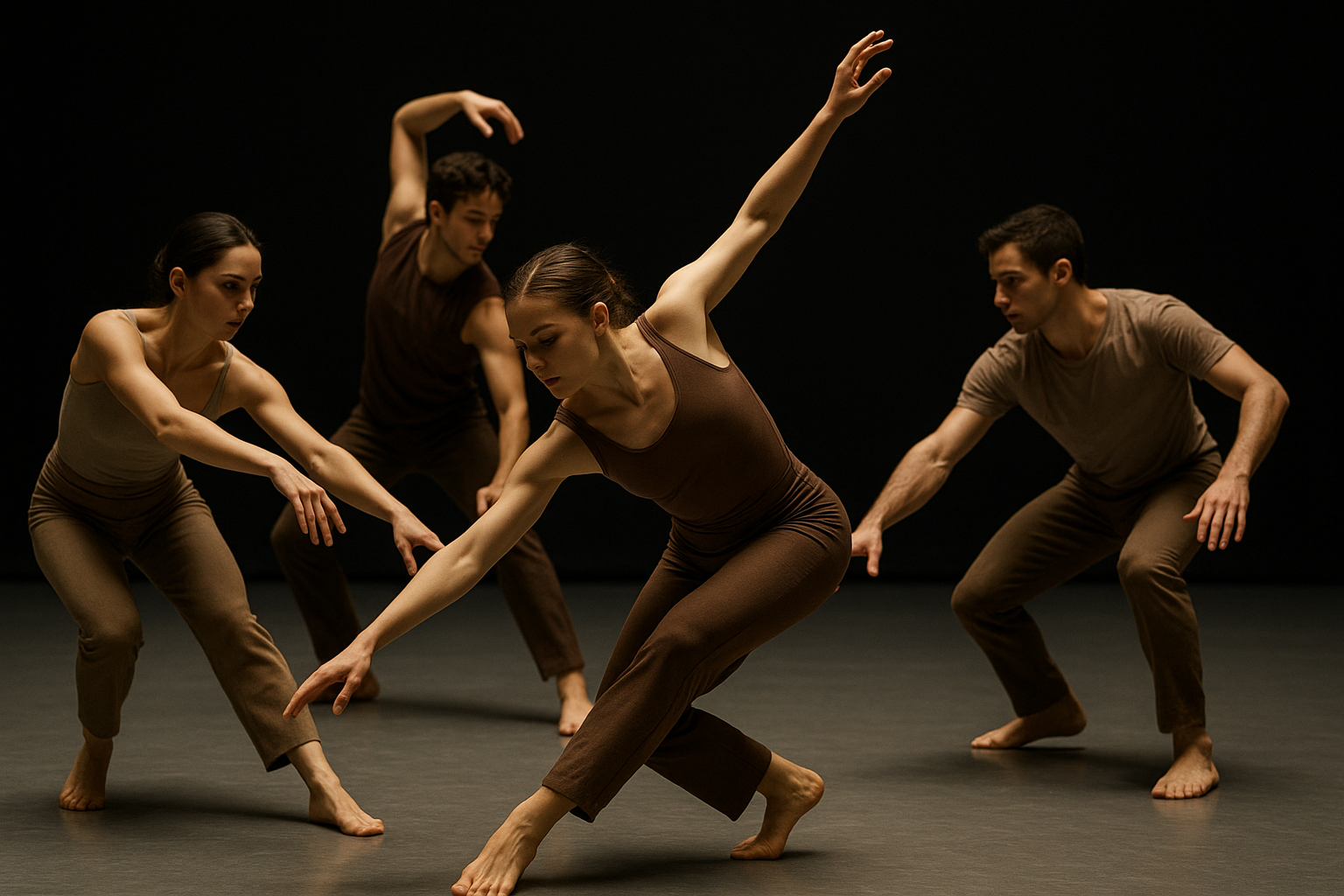
    In the realm of dance, choreography stands as the definitive expression of human emotion and storytelling. Modern choreography, in particular, pushes these boundaries, blending traditional techniques with pioneering ideas. This fusion results in a unique language where the body speaks as vividly as any written text. But how do dancers and choreographers convey messages through movement, and why is it essential to understand this “language”?

    The Evolution of Modern Choreography

    Modern choreography, a discipline that emerged in the early 20th century, was a rebellion against the constraints of classical ballet. While ballet adheres to strict positions and movements, modern dance embraced freedom and expression. Pioneers such as Martha Graham, considered the ‘mother of modern dance’, introduced techniques that involved the use of gravity, breath, and the core to portray raw emotion.

    “Dance is the hidden language of the soul,”

    Graham famously said, emphasizing how dance transcends mere physicality.

    The evolution of this art form did not stop with Graham. As time progressed, choreographers like Alvin Ailey, Twyla Tharp, and Merce Cunningham introduced diverse styles and techniques. Each choreographer contributed to transforming modern dance into a versatile language, capable of interpreting a wide array of themes—be it personal, political, or social.

    Choreography as a Language

    Understanding choreography as a language involves recognizing its components. Just like sentences in a spoken language, choreography comprises phrases—determined sequences of movement—that communicate specific meanings. Pina Bausch, a leading figure in dance-theatre, often used repetitive gestures that spectators could read into, forming a lexicon of gestures unique to each production.

    The Core Elements

    • Shape and Space: The utilization of space and the shape of the body within it are crucial for conveying meaning. Is the dancer reaching outward, occupying most of the space, or folding inward, creating a more introspective shape?
    • Dynamics: The energy or force behind a movement can suggest anger, joy, sadness, or tranquility. Sharp, fast movements might convey urgency or violence, whereas slow, flowing motions could suggest calmness or reflection.
    • Timing and Rhythm: The tempo and rhythm at which movements unfold are akin to punctuation in language. A sudden stop in movement can signify a dramatic pause, much like a full stop in a sentence.
    • Gesture: Often derived from everyday movements, gestures in dance can be deeply symbolic. Choreographers like Ailey frequently employed gestures reflective of cultural or historical significance.

    Interpreting Modern Choreography

    Interpreting these choreographic elements relies significantly on both personal and cultural contexts. An audience with knowledge of a choreographer’s history or the socio-political environment may derive a different understanding from those unfamiliar with these aspects. Alvin Ailey’s renowned piece, “Revelations”, draws heavily from African American spirituals and his own experiences in the racially segregated South, offering profound meaning to audiences aware of this background.

    Moreover, the universal nature of movement allows audiences to connect with choreography on a basic human level. Researchers have found that mirror neurons in our brains respond empathetically to the movements we observe, creating an intuitive understanding between dancer and audience.

    The Impact and Relevance of Modern Choreography

    In today’s rapidly changing world, modern choreography remains a powerful medium for expression. Whether tackling personal stories or broader global issues, choreographers use dance to reflect on the human condition. Hofesh Shechter, known for his politically charged performances, uses choreography to comment on contemporary social issues, blending aggressive, dynamic movement with deep social critique.

    The relevance of modern choreography is also evident in its cross-disciplinary influence. Contemporary performance art, film, and even sports choreograph movements to convey intricate stories beyond verbal narrative. Choreography’s very nature as a non-verbal art form allows for inclusion and diversity, bridging cultural and language barriers.

    Engaging with Modern Choreography

    Engaging with modern choreography can begin with attending live performances, which encapsulate the ephemeral beauty of dance. One might also explore platforms like TED, where dancers and choreographers discuss the philosophy behind their work.

    Dance festivals like the Edinburgh International Festival and online resources such as YouTube offer accessible ways to experience a wide range of choreographic works from renowned artists around the globe.

    Conclusion

    Ultimately, the language of modern choreography invites us to expand our understanding and empathy. It encourages us to see movement not just as an aesthetic experience, but as a rich, textured communication medium that challenges, informs, and inspires. As we decode the messages inherent in these artful movements, we gain a deeper appreciation of the shared human experiences they reflect.

  • The Still Point of the Turning World: Meditative Photography

    The Still Point of the Turning World: Meditative Photography

    There is a quiet beauty found in the practice of meditative photography; a mindfulness that invites one to see the world not as a mere collection of objects, but as a tapestry of moments. This art form challenges photographers to pause, breathe, and find stillness in an ever-accelerating world. It is at this intersection of movement and stillness that T.S. Eliot’s concept of the “still point of the turning world” gains relevance.

    The Essence of Meditative Photography

    Meditative photography is not driven by the intent to capture the perfect shot or adhere to conventional aesthetic theories. Instead, it encourages a deep-seated connection with the environment. Seeing, in this context, becomes an act of mediation where the observer tunes into the intricate dance of light, shadow, and form around them.

    “The journey is what brings us happiness not the destination.” – Dan Millman

    In meditative photography, the journey, the process of observing without judgment, becomes more significant than the end product. Suspend your biases and engage in an unfiltered view of the natural world.

    Practices to Cultivate Mindfulness

    • Slow Down: Take intentional pauses as you walk, letting each step become an anchor. Allow your senses to pick up the nuances in the light or the whisper of the wind through the trees.
    • Embrace Imperfection: Do not seek to impose your vision forcibly onto the scene before you. Accept the imperfections and spontaneity that come with each moment.
    • Reflect on Your Experience: After taking photographs, spend time reflecting on what you felt and saw beyond the lens. Documenting your experiences can deepen your connection to the moment.

    The Impact of Meditative Photography

    Through meditative photography, individuals can develop a heightened awareness of their environment and emotions, aligning them more closely with the present. This practice does not merely change the way one views art but transforms how one perceives life.

    As Ansel Adams, a legendary name in photography, once said, “You don’t make a photograph just with a camera. You bring to the act of photography all the pictures you have seen, the books you have read, the music you have heard, the people you have loved.” Through these shared experiences and a dedication to simply be, one might indeed find the “still point of the turning world.”

    In adopting meditative photography, we embark on a transformative journey, finding tranquility amid chaos and discovering resilience in the passionate act of seeing.

  • Old Gods, New Forms: Reimagining Tradition for the 21st Century

    Old Gods, New Forms: Reimagining Tradition for the 21st Century

    In a world shaped by technological innovation and shifting cultural paradigms, the ancient deities of myth and legend are finding new avenues into our consciousness. The 21st century offers fertile ground for the reimagining of old gods, allowing them to take on new forms and meanings that resonate with modern sensibilities.

    The Revival of Mythical Imagery

    Throughout history, humanity has turned to gods and myth to explain the unexplainable. In today’s hyper-connected global society, there is a resurgence of interest in these ancient tales, but with a twist that speaks to contemporary audiences. As Neil Gaiman notes in American Gods, “The old gods are immortal…as long as people believe in them.” (Source: Goodreads)

    Digital Age and the Mythical Consciousness

    The digital revolution has provided a platform for the repurposing of religious and mythological themes. Artistically, this takes shape in video games, films, and literature that reinterpret classical myths. Consider the global success of video games such as God of War, which reintroduces ancient gods in ways that invite players to interact with mythology directly.

    Similarly, social media platforms have become arenas where mythological discourse can flourish. Instagram and TikTok hosts countless accounts dedicated to the discussion and depiction of deities, creating a narrative network of belief and storytelling. This dissemination democratizes access to these age-old narratives.

    The Impact on Spiritual Practices

    The intersection of ancient deities and modern technology is not limited to art and literature but extends into personal belief systems and spiritual practice. Contemporary practitioners often blend traditional rituals with new-age elements. For instance, the growing popularity of neo-paganism illustrates a conscious adaptation of ancient religious practices that suit modern life’s pace and values.

    “The essence of these belief systems is fluid,” explains Carol Cusack, a religious studies professor at the University of Sydney. “The adaptability of old beliefs is vital for their survival.” (Source: University of Sydney)

    Conclusion: Continuity Through Change

    The old gods, once bound by geography, are now global citizens, revitalized and reshaped to meet the demands of the 21st century. As our world continues to transform, these mythical beings evolve alongside us, providing not only a connection to our ancestral past but also a mirror reflecting our ever-changing cultural identity. The enduring allure of these ancient figures lies in their ability to maintain relevance, continually reimagined to inspire and guide us through the challenges of modern life.