Author: editor

  • Seeing the Song: Visualizing Contemporary Musical Structures

    Seeing the Song: Visualizing Contemporary Musical Structures

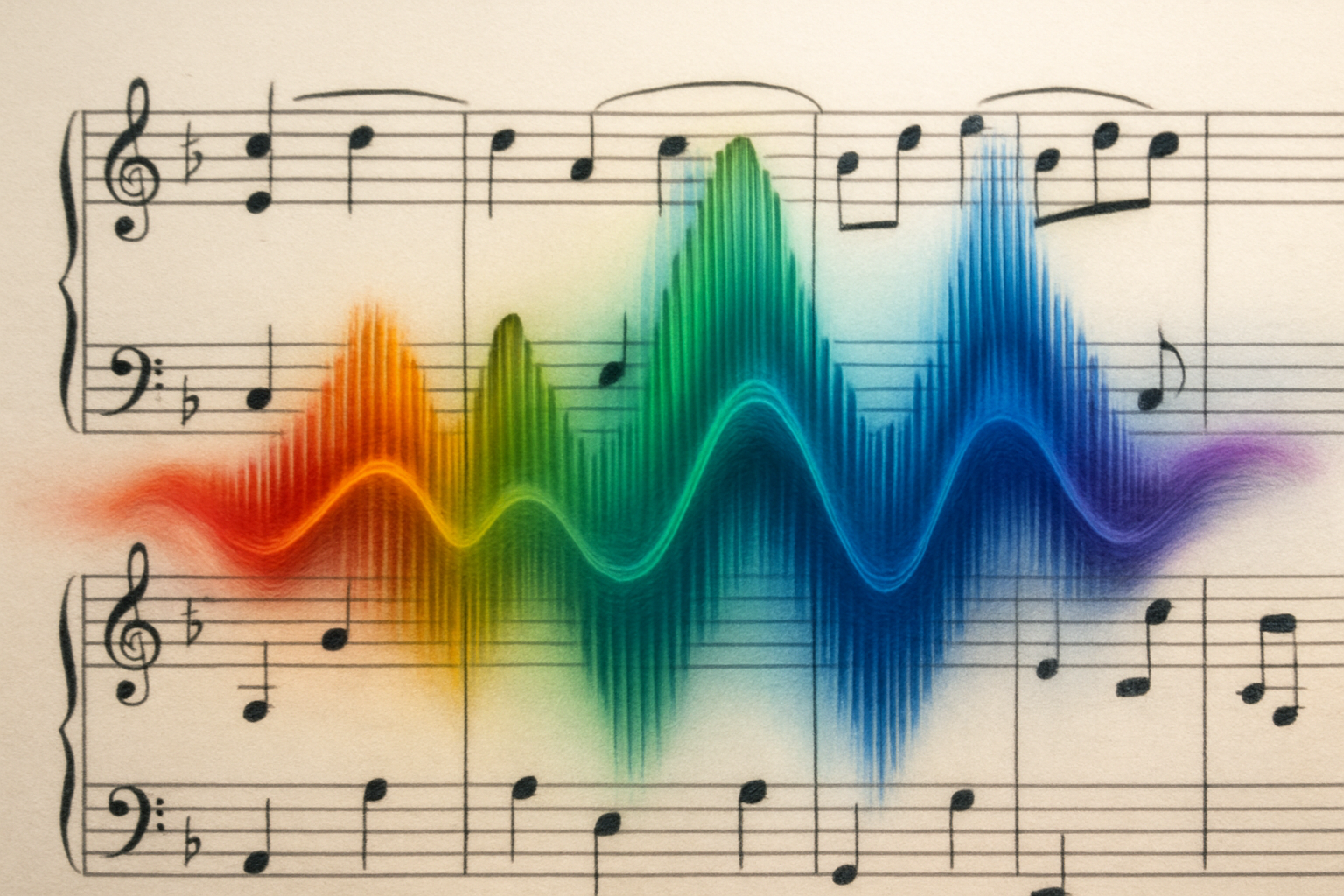
    The intersection of music and visual art has long been a subject of fascination and critical analysis. In recent years, the evolution of technology has transformed this convergence, allowing contemporary artists and scholars to visualize musical structures in innovative ways. This intriguing dialogue between sound and sight prompts us to explore how we can ‘see’ the song.

    The Evolution of Musical Visualization

    The concept of visualizing music isn’t new. Attempts date back to the Baroque period, where visual art attempted to capture the essence of musical compositions. These early endeavors mainly focused on allegorical representations. Fast forward to the 20th century, and we see a more structured approach with composers like Wassily Kandinsky and Paul Klee, whose paintings often sought to express musical elements through color and form.

    “Color is the keyboard, the eyes are the harmonies, the soul is the piano with many strings. The artist is the hand that plays, touching one key or another, to cause vibrations in the soul.” – Wassily Kandinsky

    Digital Revolution and New Media

    With the advent of digital technology, the visualization of music has taken on new dimensions. Consider the impact of computers and software that can analyze musical data and represent it visually. This technology allows artists and scientists alike to explore music in a spatial context, using visuals to reveal patterns and structures that were previously intangible.

    The Role of Software and Algorithms

    Programs like Adobe After Effects and Processing have become essential tools for artists. They allow for the translation of sound waves into intricate designs that move in synchrony with the music. For instance, sound visualization in interactive installations uses sound frequencies to drive animations, transforming the auditory experience into a visual journey.

    Data Sonification

    Data sonification is another captivating trend whereby numerical data is represented through sound, often producing surprising musical results. Conversely, transformations of this auditory data back into visual form have revealed new aesthetic possibilities.

    • The Music Animation Machine: This tool translates classical music into visual scrolling scores, providing a visual representation of music’s temporal and harmonic structure.
    • Visit Music Animation Machine

    Graphic Scores in Contemporary Composition

    Graphic scores push the boundary of traditional music notation. They often employ a combination of symbols, colors, lines, and images to signify musical gestures and characteristics. Pioneered by composers like John Cage and Morton Feldman, these scores are as much pieces of art as they are guides for performance.

    Graphic scores invite performers to interpret the visual cues, creating unique, often unpredictable musical experiences. This openness exemplifies the fluidity between visual and auditory experiences and challenges conventional notions of how music should be notated and perceived.

    The Interplay of Synesthesia

    Synesthesia adds an intriguing personal layer to the visualization of music. This neurological phenomenon occurs when stimulation of one sensory pathway leads to automatic, involuntary experiences in another. For some individuals, music induces the perception of colors or shapes. This remarkable condition has inspired many artists, including Kandinsky, who often used his synesthetic experiences as a foundation for his art.

    “For Kandinsky, color was a means of exerting a direct influence upon the soul… color could be used in a painting as something autonomous and apart from a visual description of an object or other form.” – National Library of Medicine

    Case Studies in Music Visualization

    • Brian Eno’s “77 Million Paintings”: A generative piece of software art that visualizes tonal clusters and ambient soundscapes through constantly evolving visual images.
    • Ryoji Ikeda’s “data.scan”: Uses raw data output visualized in a minimalistic, digital aesthetic to create a symphony of sight and sound.

    Both Eno and Ikeda push the conventional boundaries of performance, using technology to present music as both an acoustic and a visual phenomenon.

    Conclusion: Envisioning the Future

    The visualization of music not only enhances our sensory appreciation but also deepens our understanding of musical structure and intention. As technology continues to advance, it offers tantalizing possibilities for creative expression and cross-disciplinary collaboration between musicians, visual artists, and technologists.

    In embracing these intersections, we are led to reconsider the very nature of music—the universal language of sound—and its ability to transcend traditional forms to engage audiences more holistically. As we move forward, we are reminded of the profound connections between seeing and hearing as we learn to read, interpret, and appreciate music not only with our ears but with our eyes.

  • The Sound of Silence: Ambient Music as Spiritual Practice

    The Sound of Silence: Ambient Music as Spiritual Practice

    In a world where noise permeates every aspect of life, ambient music emerges as an oasis of tranquility. Often dismissed as mere background noise, this genre holds transformative potential when engaged with deliberately. Ambient music can become a spiritual practice, a means to explore inner landscapes and find solace in silence.

    Understanding Ambient Music

    Ambient music, a term popularized by British musician Brian Eno in the 1970s, is designed to enhance an atmosphere or evoke a mood without demanding the listener’s full attention. Eno described it as “music as ignorable as it is interesting.” This duality is the essence of ambient music—it can be both a backdrop and a focal point of contemplation.

    The Spiritual Dimension

    Engaging with ambient music as a spiritual practice involves an intentional shift in how we listen. This practice parallels the contemplative traditions of many spiritual paths, where meditation and mindfulness lead to deeper self-awareness.

    “Music is the breath of love for a thousand years. Music has the power to soothe, to inspire, to heal, and to transform.” – Hazrat Inayat Khan

    This power of music to transform is central to using ambient music as a spiritual tool. When we listen with openness, ambient music can guide us into states of deep meditation, offering a gateway to the sacred silence within.

    Benefits of Ambient Music as a Spiritual Practice

    • Meditative Focus: The repetitive and fluid nature of ambient music can serve as an anchor for meditation, similar to chanting or breathwork. It aids in focusing the mind and reducing the incessant chatter of thoughts.
    • Emotional Healing: The calming qualities of ambient sounds can facilitate emotional release and healing. In Ståle Kleiberg’s words, “It evokes emotions that are not just about the music itself but about the listener’s own journey and experiences.”
    • Expansion of Awareness: Ambient music encourages a broader perception of reality. By listening intently, one can become more attuned to the subtleties of sound and silence, expanding awareness beyond the physical realm.

    Integrating Ambient Music into Daily Practice

    Integrating ambient music into a daily spiritual practice does not require significant effort or drastic changes. Here are some practical steps:

    • Create a Sacred Space: Design a space where you can listen without distractions. This could be a corner of a room adorned with spiritual symbols, incense, and comfortable seating.
    • Set an Intention: Before pressing play, set an intention for your listening session. Whether it’s seeking clarity, healing, or simply relaxation, a clear intention can guide the experience.
    • Mindful Listening: Focus on the sound without judgment or expectation. Allow the music to wash over you, observing any thoughts or emotions that arise with detachment.
    • Complement with Other Practices: Combine ambient music with other spiritual practices like yoga, tai chi, or journaling to deepen the experience.

    The Role of Technology

    With the proliferation of streaming platforms, ambient music is more accessible than ever. Platforms like Spotify and Apple Music offer curated playlists to fit various moods and intentions. Moreover, services like Headspace and Calm include ambient soundscapes as part of their mindfulness tools, reinforcing their role in spiritual and mental wellness.

    Renowned Ambient Artists

    A dive into ambient music is incomplete without exploring artists whose work embodies the spiritual depth of the genre. Among these are:

    • Brian Eno: Often considered the father of ambient music, albums like Ambient 1: Music for Airports served as a manifesto for ambient sound.
    • Harold Budd: Known for his ethereal piano compositions and collaborations with Eno, Budd’s work is a testament to ambient music’s capacity for emotional depth.
    • Steve Roach: A pioneer of ambient soundscapes, his album Structures from Silence remains a classic in the ambient genre.
    • Juliana Barwick: Her ethereal, looping vocals create immersive and transportive sound worlds that have a meditative quality.

    Conclusion

    In embracing ambient music as a spiritual practice, we invite ourselves to engage with silence and sound with heightened awareness. As we navigate the complexities of daily life, ambient music provides a path to inner stillness and spiritual exploration. By allowing ourselves to be enveloped by its gentle presence, we unlock the doors to our inner world, finding in the sound of silence a profound and sacred refuge.

  • The Weight of the Ancestors: Traditional Forms in a Modern Context

    The Weight of the Ancestors: Traditional Forms in a Modern Context

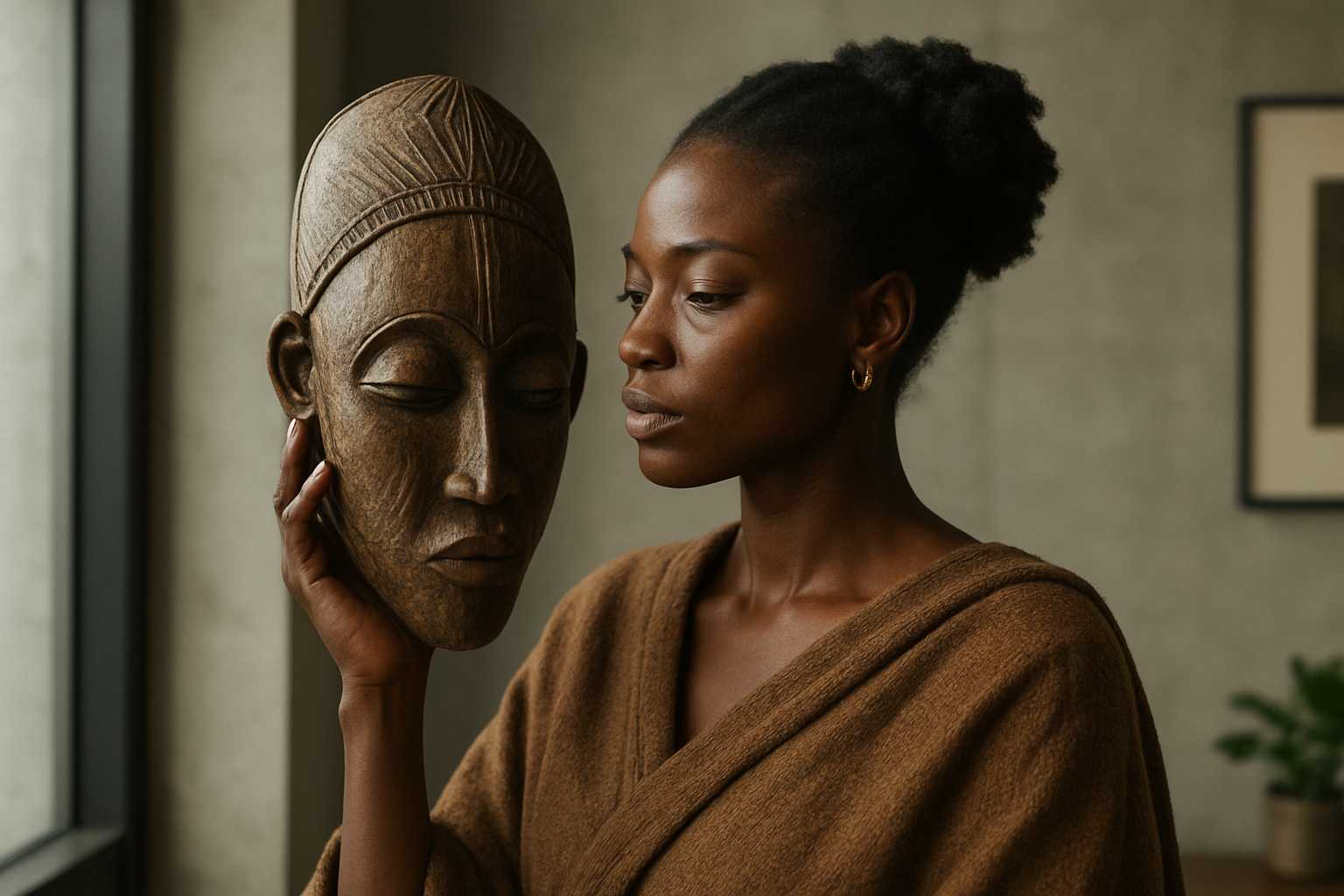
    The echoes of ancient traditions linger in the modern world, influencing art, culture, and society in diverse ways. Despite the rapid pace of global change, many traditional forms continue to find relevance and a stronghold in contemporary settings. These forms, deeply rooted in historical contexts, provide a sense of identity and continuity in an ever-evolving landscape.

    The Timelessness of Tradition

    As cultures evolve, traditional forms often serve as anchors, offering stability and a sense of belonging. Traditional dances, music, and art have perpetuated their significance, evolving yet maintaining their core essence. One example is the Japanese tea ceremony, or chanoyu, which embodies the principles of harmony, respect, purity, and tranquility. It remains a vibrant practice, teaching patience and mindfulness amidst today’s fast-paced life.

    Reinterpreting Traditional Arts in Modern Society

    The preservation of traditional arts in contemporary times often requires a fusion of the old with the new. Artists and practitioners are constantly finding novel ways to keep these forms alive, ensuring they resonate with modern audiences. The revitalization of traditional African music is a testament to this trend. Contemporary African musicians, like Nigeria’s Burna Boy, have blended traditional sounds with modern genres, bringing African rhythms to global audiences.

    • Burna Boy: Known for his Afro-fusion music, Burna Boy integrates traditional Nigerian music with global sounds, creating a unique style that resonates worldwide.
    • Preservation through Innovation: By innovating within tradition, modern artists can protect and promote their cultural heritage.

    According to a UNESCO report, such initiatives are crucial for cultural sustainability, as they bridge the gap between generations and promote cultural diversity.

    The Influence of Ancestral Wisdom

    Ancestral wisdom often finds expression through traditional forms, offering lessons that remain pertinent. Native American storytelling, for example, weaves together history, moral guidance, and entertainment, reflecting community values and philosophies. These narratives have adapted and endured, ensuring that they remain accessible and relevant to younger generations.

    “Traditional stories not only help us to connect with our past but also guide us in navigating the complexities of today’s world.” – Smithsonian Magazine

    Maintaining Cultural Identity

    Cultural identity is intrinsically linked to traditional forms, providing a unique lens through which communities view themselves. The Maori haka, a ceremonial dance of New Zealand’s indigenous people, epitomizes this connection. Originally performed during wartime, the haka has been adapted as a symbol of unity and pride in modern New Zealand, especially in sports and public ceremonial occasions.

    • Maori Haka: The haka’s transformation into a symbol of national pride highlights the potential of traditional forms to evolve without losing their essence.
    • Global Resonance: Traditional forms like the haka can transcend cultural boundaries, earning respect and admiration from diverse audiences worldwide.

    The Challenges of Modernization

    The modernization of traditional forms is not without challenges. The risk of commodification and loss of authenticity poses a threat to cultural heritage. As traditional artifacts and practices become commercialized, there can be a tendency to dilute their cultural significance for broader appeal.

    Moreover, globalization can lead to the homogenization of culture, where unique traditional forms risk being overshadowed by dominant cultural norms. This underscores the importance of conscious preservation efforts and educational initiatives.

    The Role of Technology

    Technology plays a crucial role in preserving and promoting traditional forms. Digital platforms offer new avenues for dissemination and engagement, allowing traditional practices to reach wider audiences than ever before. Social media channels, online workshops, and virtual reality experiences have become instrumental in sustaining cultural heritage.

    • Digital Preservation: Platforms such as YouTube and TikTok have enabled cultural practitioners to showcase and teach traditional forms globally.
    • Virtual Reality: VR experiences allow users to immerse themselves in traditional settings, experiencing cultural practices firsthand.

    As described by The Guardian, such technologies not only preserve traditional forms but also enrich them, enhancing their relevance for contemporary audiences.

    Conclusion

    The weight of the ancestors is indeed significant but equally empowering. Traditional forms continue to inform modern identities, acting as bridges between the past and present. As society progresses, it remains imperative to respect and preserve these cultural treasures in innovative ways, ensuring they continue to inspire and educate future generations.

  • The Glimpse of Eternity: Time and Stillness in Photography

    The Glimpse of Eternity: Time and Stillness in Photography

    Photography, at its core, is a medium that captures a single moment in time, allowing it to be observed in perpetuity. This unique capability transforms transitory moments into eternal records, offering viewers a chance to experience the intersection of time and stillness.

    The Essence of Capturing Time

    Time, an ever-flowing force, often seems intangible. Yet, photography provides a means to grasp it briefly and examine its nuances. In the words of renowned photographer Henri Cartier-Bresson, “To me, photography is the simultaneous recognition, in a fraction of a second, of the significance of an event” (Magnum Photos).

    This decisive moment, as Cartier-Bresson famously called it, underscores the power of photography to freeze a particular fraction of time and encapsulate the emotions, movements, and narratives of that instant. While the world moves on, that captured moment remains untouched by the relentless passage of time.

    Stillness in Motion

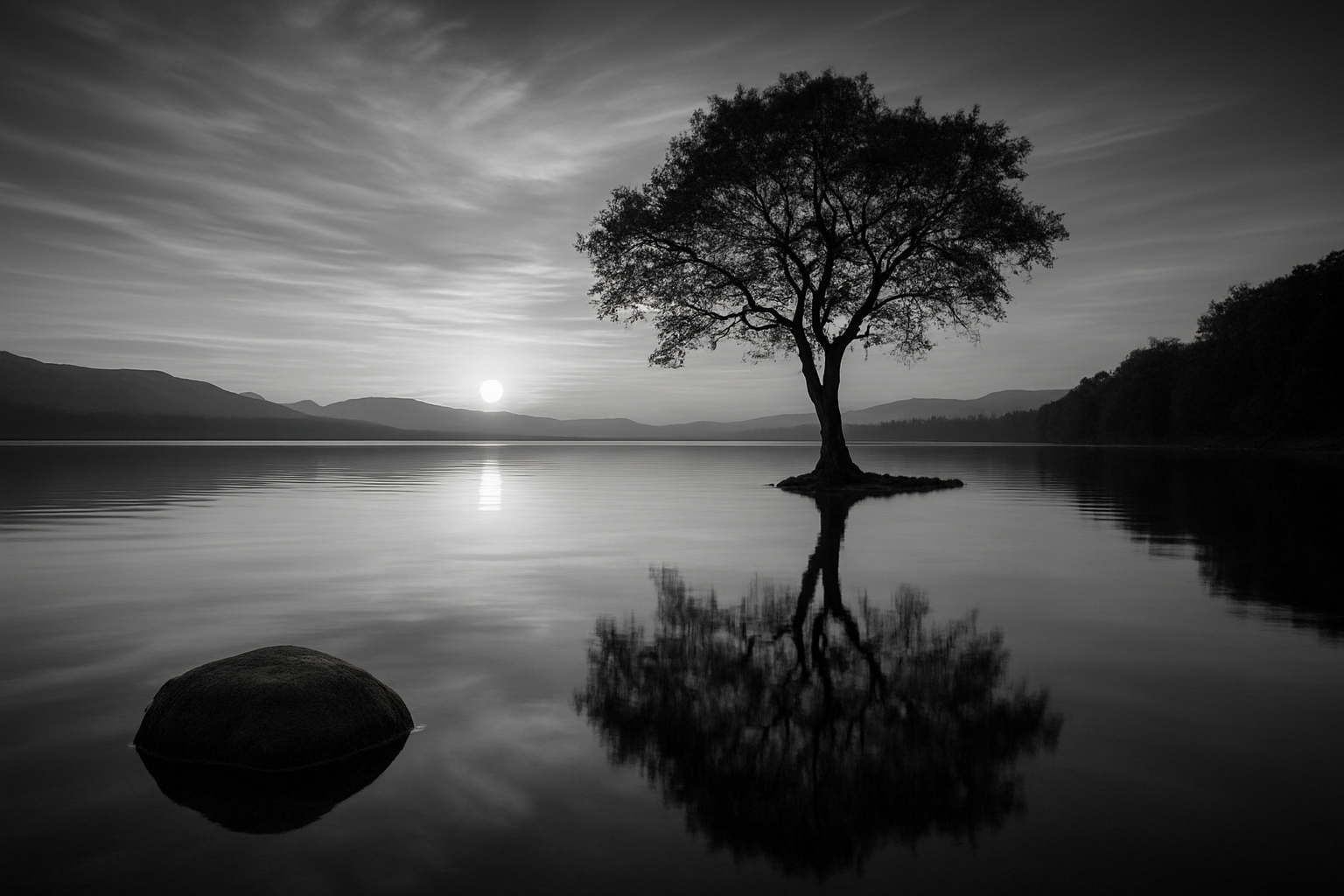
    In contrast to its ability to stop time, photography also highlights stillness amid chaos. Consider landscapes captured with long exposures; what should be a blur of activity becomes a calm vista, providing a sense of tranquility. These images offer a fresh perspective, urging viewers to find peace and beauty in the constant flow of life’s moments.

    • Long Exposure: Creates serene and ethereal landscapes by portraying moving elements as static.
    • Nature Photography: Captures the timeless beauty of the natural world, emphasizing the enduring nature of the environment.
    • Portraiture: Freezes expressions, allowing a moment of introspection and emotional connection.

    Alfred Stieglitz, a pioneer of modern photography, encapsulated this duality of time and stillness when he said, “In photography, there is a reality so subtle that it becomes more real than reality” (Wikiquote). His work not only highlighted the fidelity of photographic moments but also demonstrated photography’s potential to transcend mere representation.

    Endless Moments

    The future of photography lies in evolving technology, but its essence remains the same: the delicate blend of time and stillness. As photographers and viewers, the journey is in exploring these captured moments and allowing them to shape our perception of time’s passage and the beauty of the present.

    Ultimately, photography offers us a glimpse into the eternal—a silent narrative of the past, present, and perhaps the future, encouraging us to pause, reflect, and appreciate the world through its timeless lens.

  • Shifting Perspective: When Tradition Becomes Inspiration

    Shifting Perspective: When Tradition Becomes Inspiration

    In a rapidly evolving world, the delicate balance between innovation and tradition often fuels debates across diverse fields—from technology to art and culture. As society advances, there is an inclination to view traditions as relics of the past. However, many are beginning to realize that traditions can serve as a profound source of inspiration, bridging the generational gap and fostering a sense of identity and continuity.

    The Role of Tradition in Modern Society

    Traditions are the bedrock of cultural identity. They provide a sense of belonging and continuity that is pivotal amidst the transient nature of contemporary life. According to a Britannica article, “Traditions offer a way for societies to maintain a connection with their cultural heritage while providing frameworks within which new ideas can be explored.”

    The past decade has seen a resurgence of interest in cultural practices and traditional crafts. From artisanal goods becoming increasingly popular among younger generations to the adoption of sustainable farming practices inspired by traditional methods, the old is becoming new again.

    Tradition as a Catalyst for Innovation

    Interestingly, rather than stifling creativity, traditions often serve as a springboard for innovation. Historically, many great innovators have drawn deeply from traditional knowledge and practices. For example, architect Frank Lloyd Wright famously stated, “Every great architect is — necessarily — a great poet. He must be a great original interpreter of his time, his day, his age.”

    Wright’s designs, such as the iconic Fallingwater, are testaments to the seamless integration of modernist designs with natural landscapes, drawing from Japanese traditional aesthetics that emphasize harmony with nature.

    Examples of Tradition Fueling Innovation

    • Fashion: The fashion industry continually revisits traditional attire. For instance, the Indian sari is continuously reimagined by designers worldwide who incorporate modern fabrics and cuts while retaining its essence.
    • Technology: In the tech world, traditional algorithms and ancient problem-solving methods are often revisited and adapted to solve new-age problems. The inspiration from the abacus, an ancient calculating tool, can be seen in today’s computer programming.
    • Cuisine: Culinary arts also demonstrate the fusion between tradition and innovation with chefs globally taking classic dishes and giving them a modern twist, like molecular gastronomy that transforms traditional Indian spices into new forms.

    Preservation Versus Progress

    While the blend of tradition and innovation can lead to remarkable outcomes, this synergy often comes against a backdrop of tension between preservation and progress. The fear is that as we innovate, we might lose sight of the original cultural significance of these traditions.

    “The risk of transforming traditions is that they might lose their authenticity,” notes cultural anthropologist Dr. Emily Ryder. “However, when approached with respect and an understanding of their origins, innovation can lead to a revitalization of these traditions, making them relevant to younger generations.”

    Therefore, the challenge lies in ensuring that while traditions are being transformed, their essence remains intact, allowing them to inspire future generations.

    The Future of Tradition-Inspired Innovation

    The future holds exciting potential for tradition-inspired innovation. As global awareness of cultural diversity improves, the appreciation for traditional knowledge and practices is likely to deepen. This growing sensitivity can facilitate more responsible and respectful adaptations of traditions in modern endeavors.

    One notable example is the increased incorporation of indigenous knowledge in environmental conservation efforts. By integrating traditional ecological knowledge with modern scientific practices, environmentalists can develop more sustainable approaches to managing natural resources. A report by the Intergovernmental Panel on Climate Change highlights, “Combining indigenous and local knowledge with the latest scientific research contributes to greater resilience and reduces vulnerability to climate change.”

    Conclusion

    In conclusion, traditions should not be viewed solely as instruments of the past but rather as dynamic, living entities capable of inspiring novel expressions across various disciplines. By respecting and embracing the lessons embedded in traditions, society can unlock a wellspring of inspiration that fuels innovation while retaining a strong sense of identity.

    As we move forward, the challenge for individuals and communities alike will be to strike a harmonious balance—honoring the rich tapestry of our cultural heritage while simultaneously forging paths toward a future that is both innovative and deeply rooted in tradition.

  • The Resonance of Risk: Embracing the Unknown in New Music

    The Resonance of Risk: Embracing the Unknown in New Music

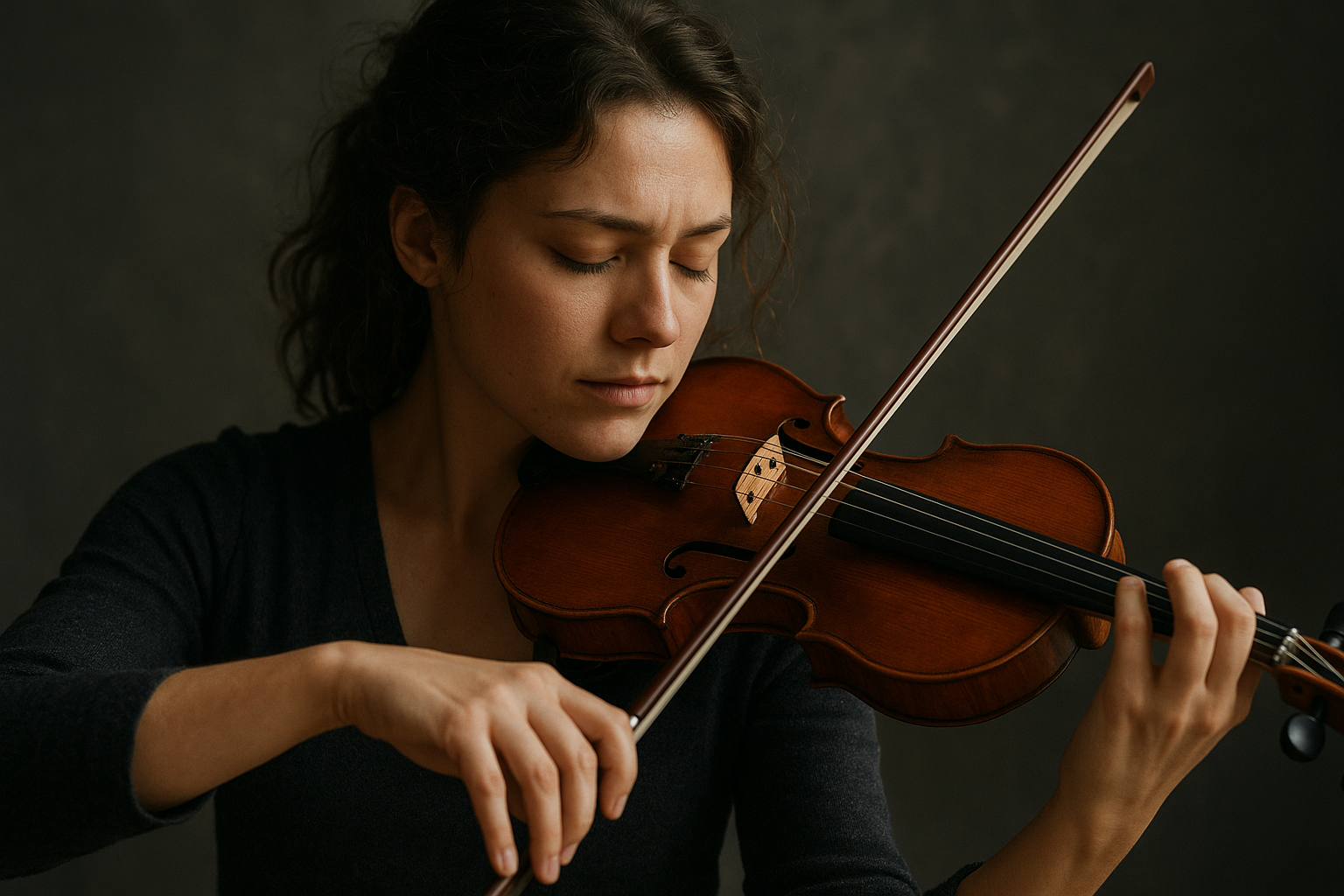
    Music, an ancient and universally human art form, has perennially thrived on innovation. The act of composing or performing new music is an exploration into the uncharted territory, and with it comes an intrinsic element of risk. This risk manifests both for the artist, as they challenge traditional norms, and the audience, as they are invited to open their ears to unaccustomed sounds.

    The Unpredictability of New Music

    In new music, unpredictability is the currency of engagement. Unlike classical compositions with firm canonized rules, new music subverts expectations, offering an open-ended dialogue between the creator and the listener. John Cage, one of the most revolutionary composers of the 20th century, famously remarked:

    “I can’t understand why people are frightened of new ideas. I’m frightened of the old ones.”

    – John Cage

    This sentiment underscores the philosophy behind new music as an art form that thrives on uncertainty and exploration. By veering away from well-trodden paths, new music challenges the very conceptions of melody, harmony, and rhythm, inviting creators and listeners alike to question their expectations of what music can, and should, be.

    • Challenging Traditional Norms: Composers employ unconventional methods such as mixed media, electronic elements, and even non-musical sounds to rupture the ordinary flow of music.
    • Audience’s New Role: Listening becomes an active rather than passive experience where the audience participates in constructing the meaning, often resulting in a personal interpretive journey.

    Embracing Failure as a Creative Force

    Risk in new music does not solely reside in the breaking of conventions. It also involves the potential for failure—an aspect that is not only unavoidable but often celebrated as a catalyst for creativity. This notion of embracing failure is echoed by Samuel Beckett in his famous line:

    “Ever tried. Ever failed. No matter. Try again. Fail again. Fail better.”

    – Samuel Beckett

    Failure in the creative process can lead to serendipitous discoveries and innovations that a calculated approach might overlook. Many pioneering works of new music emerged from failed experiments and the willingness to engage with what does not work.

    Technological Advancements: Allies in Risk

    The technological advancements of the modern era have expanded the horizons of musical experimentation, transforming the risky business of creating new music into an ever more dynamic endeavor. With the integration of software and digital platforms, artists can now explore soundscapes previously unimaginable.

    • Innovative Soundscapes: Technologies such as digital synthesis and AI-generated compositions allow for the exploration of new sonic possibilities.
    • Global Collaboration: The internet has enabled collaborations across continents, fusing diverse influences and making new music a truly global phenomenon.
    • Interactive Performance Spaces: Virtual reality and interactive installations provide audiences with immersive experiences that redefine the traditional concert experience.

    The capacity for technology to foster openness can perhaps be best highlighted by the ethos of open-source platforms that allow for communal development and experimentation in music-making.

    The Philosophy of Listening

    The risk in new music extends beyond creation to its consumption. Embracing the unknown can be daunting for audiences accustomed to the familiarity of traditional music. Yet, it is precisely in this leap into the unfamiliar that new music constructs its profound resonance. As stated by philosopher Gilles Deleuze in his exploration of art and philosophy:

    “Art is not chaos, but a composition of chaos.”

    – Gilles Deleuze

    Engaging with new music requires a philosophical openness and a willingness to experience art as a living, breathing entity that embodies ongoing creation. It invites listeners to move beyond passive consumption and participate in the active construction of meaning.

    Conclusion: The Echo of Uncertainty

    New music urges both its creators and audiences to step into the unknown. The very nature of risk in new music echoes an existential understanding of life itself—a tapestry woven with strands of uncertainty and discovery. By embracing risk, both musicians and listeners become participants in an evolving dialogue of sound, silence, and meaning.

    In this shared journey, new music resonates not only as an artistic pursuit but as a poignant exploration of the human condition, challenging us to find beauty beyond the predictable and harmony amidst the chaos. As we immerse ourselves in these unpredictable soundscapes, we learn not only about music but about ourselves, our boundaries, and the infinite possibilities that lie beyond them.

  • Freeing the Frame: Improvisation in Dance and Photography

    Freeing the Frame: Improvisation in Dance and Photography

    The arts of dance and photography, though seemingly disparate, share a profound affinity for improvisation. This creative flexibility not only enriches the experience for artists and audiences alike but also pushes the boundaries of both disciplines. In Freeing the Frame, we explore how the spontaneity inherent in these art forms fosters innovation and connection.

    The Essence of Improvisation

    Improvisation is an essential element that infuses vibrancy into both dance and photography. In dance, improvisation encourages performers to express their emotions and ideas directly through movement, without the constraints of pre-set choreography. Similarly, photographers who embrace spontaneity often capture candid moments that convey authentic stories and emotions.

    Renowned dancer and choreographer, Merce Cunningham, once said, “The only way to do it is to do it.” His emphasis on experiential learning encapsulates the essence of improvisation. This approach is mirrored in photography, where sometimes the best shots are those captured in the fleeting, unscripted moments.

    Improvisation in Dance

    In dance, improvisation allows performers to connect with their emotions, their surroundings, and the audience. The use of improvisation breaks the traditional dance structures, enabling dancers to explore new movements and rhythms. This freedom often leads to a more genuine and personal expression, as dancers are not confined to a strict regimen or style.

    • Unscripted Expression: Improvisation allows dancers to react to the moment, leading to performances that are unique and unrepeatable.
    • Creative Dialogues: Through improvisation, dancers can engage in a ‘dialogue’ with each other, the music, and the space around them.
    • Emotional Connection: The spontaneity of improvisation fosters a deep emotional connection with the audience, creating shared, memorable experiences.

    A study published in Frontiers in Psychology highlights how improvisational dance can improve cognitive flexibility and creative thinking. This suggests that the benefits of dance improvisation extend beyond performance, impacting dancers’ mental and emotional well-being.

    Spontaneity in Photography

    In the realm of photography, capturing the decisive moment—the elusive split second when everything comes together in perfect synergy—is paramount. This concept was popularized by the famed photographer Henri Cartier-Bresson, who masterfully captured spontaneous instances that revealed profound truths about his subjects and their environment.

    “To photograph is to hold one’s breath, when all faculties converge to capture fleeting reality. It’s at that precise moment that mastering an image becomes a great physical and intellectual joy.” – Henri Cartier-Bresson

    Improvisation in photography is not limited to street photography but extends to various genres where unpredictability reigns supreme, such as photojournalism, wildlife photography, and even fashion photography.

    • Candid Captures: Improvisational photography often yields images that are raw and unfiltered, capturing the essence of a moment in its truest form.
    • Authentic Narratives: Spontaneous photos typically tell more authentic stories, as they represent real events and emotions rather than posed scenarios.
    • Artistic Exploration: Photographers who embrace improvisation tend to experiment more with framing, lighting, and composition, pushing the boundaries of conventional photography.

    Interplay and Influence

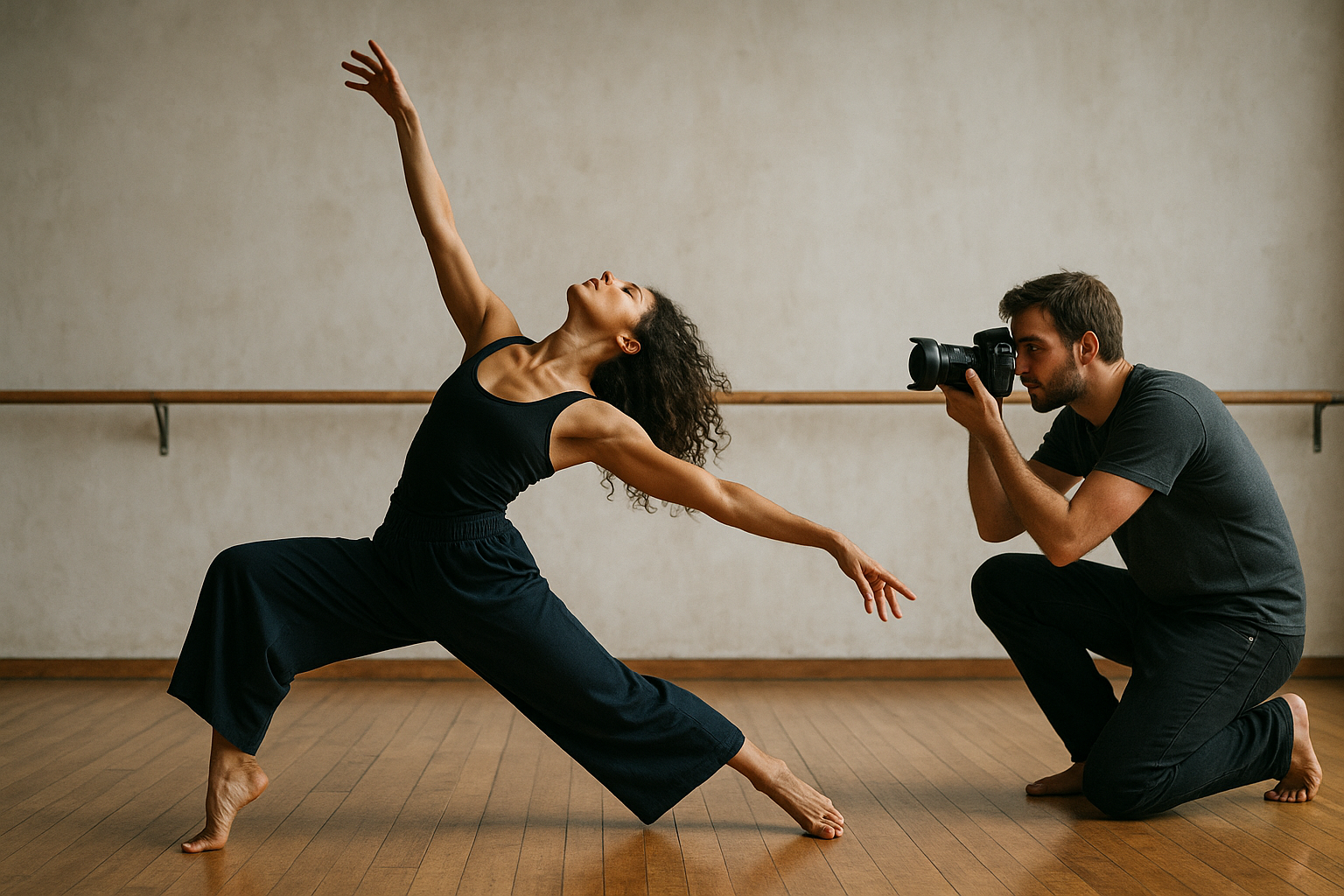
    The intersection of dance and photography through improvisation is a fertile ground for creativity. Some collaborative projects meld these two art forms, where dancers respond to photographers’ cues, or photographers capture the art of movement in unpredictable environments. These collaborations often result in striking visual narratives that capture the dynamism of dance and the perceptiveness of photography.

    Paul Evans, a photographer known for his work with dancers, notes, “When photographing dance, I look for that split second when the dancer is in mid-air or the light is just right, and everything aligns perfectly. It’s like capturing lightning in a bottle.”

    The Future of Improvisation in Art

    As both fields embrace technological advancements, the scope for improvisation in dance and photography broadens. Virtual reality, AI-driven motion capture, and sophisticated photographic equipment provide new tools for artists to expand their creative horizons.

    The embrace of improvisation in these contexts highlights the continued evolution of art as a domain that thrives on spontaneity, expression, and the breaking of barriers. Freeing the frame is not merely a theme but a movement towards a more liberated and authentic form of artistic expression.

    Dance and photography, in their embrace of the unpredictable, celebrate the beauty of the unscripted. At their intersection lies a celebration of life’s transient moments, forever captured through the raw energy of improvisation.

  • The Empty Space: Minimalism and Meaning in Contemporary Art

    The Empty Space: Minimalism and Meaning in Contemporary Art

    In the bustling world of contemporary art, where maximalist expressions often dominate, minimalism offers a refreshing retreat into simplicity and serenity. Emerging in the late 1950s as a response to abstract expressionism, minimalism focuses on the essence of art, stripping down to its fundamentals to explore space, form, and meaning.

    Minimalism is not just an artistic style but a philosophy that champions the idea that ‘less is more.’ Through its focus on simplicity and the reduction of clutter, minimalism encourages both artists and viewers to engage deeply with the artwork presented.

    “The essence of Minimalist art is its rejection of the idea that art should reflect the personal expression of the artist,” notes The Art Story.

    Key Characteristics of Minimalism

    • Reduction and Simplification: Minimalist art uses simple geometric shapes and monochromatic palettes to achieve clarity and focus.
    • Objective Over Subjective: The movement emphasizes objectivity, often eliminating any trace of the artist’s hand or emotion in the work.
    • Focus on Space: The use of empty space is deliberate, directing attention to the relationships between objects and their environment.

    Interpreting Meaning in Minimalism

    Interpreting meaning in minimalist art can be both challenging and rewarding. The lack of narrative and representational elements requires the viewer to actively participate in the experience. The space around and within a work becomes a medium of its own, inviting contemplation and introspection.

    Artists like Donald Judd, Agnes Martin, and Frank Stella, for example, used minimalism to explore concepts of perception and existence. As Frank Stella stated, “What you see is what you see.” This bold statement reflects the minimalist ethos of purity and directness, encouraging viewers to appreciate the work for its inherent qualities rather than any symbolic or emotional underpinnings.

    The Continuing Impact of Minimalism

    Minimalism has left an indelible mark not only on visual art but also on architecture, design, and lifestyle. As our lives become increasingly filled with information and sensory overload, the minimalist ethos has found renewed relevance. The aesthetic of simplicity, clarity, and purpose continues to influence contemporary artists and viewers alike, fostering a deeper connection with the world around us.

    In the ever-evolving dialogue of contemporary art, minimalism remains a potent reminder of the power of simplicity—the beauty of the empty space and the profound depth that can be found within.

  • Curating the Cosmos: Modern Spirituality and Personal Mythologies

    Curating the Cosmos: Modern Spirituality and Personal Mythologies

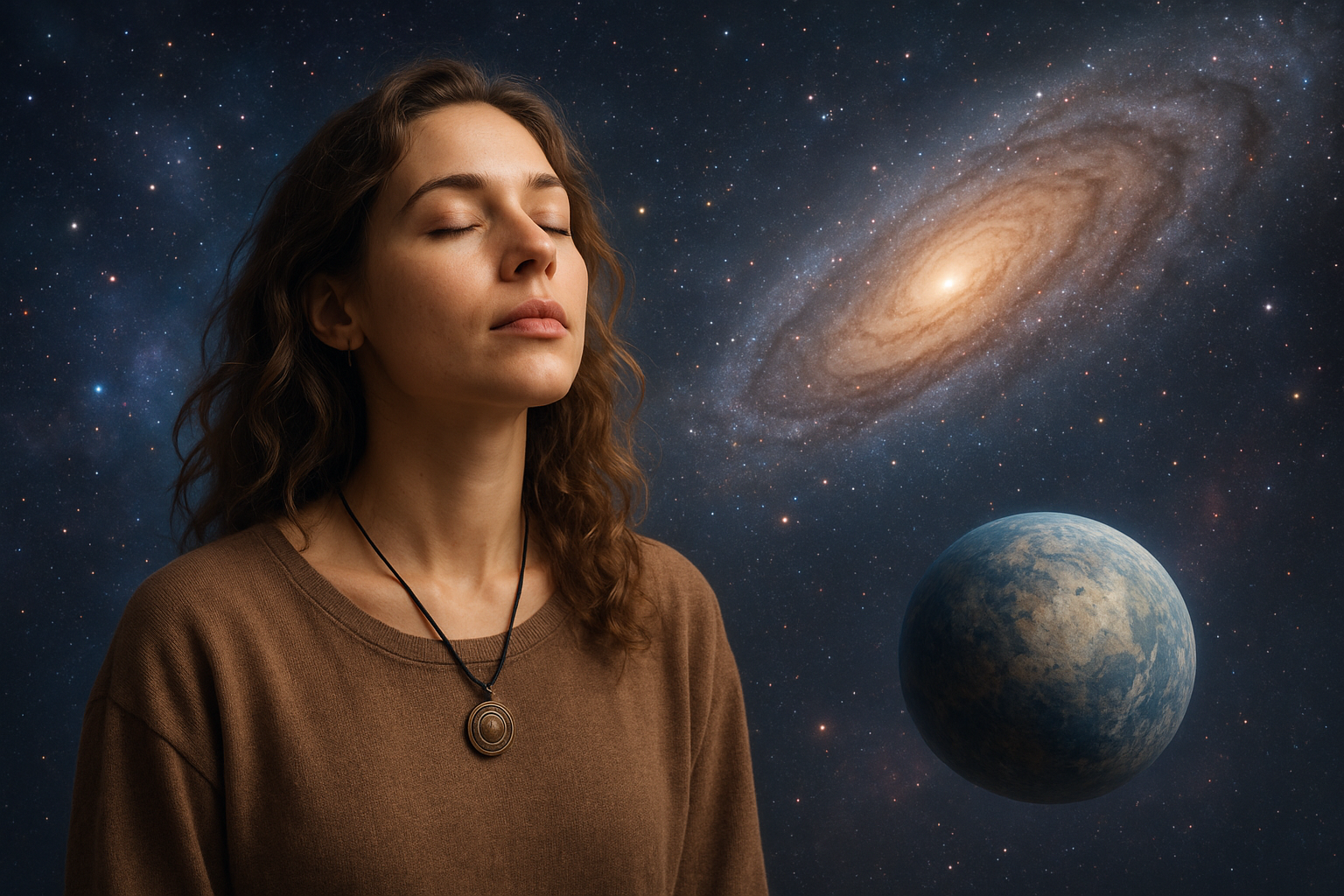
    In an era where ancient beliefs intertwine with digital realities, modern spirituality is more personalized than ever before. People across the globe are increasingly seeking spiritual paths that resonate deeply with their unique experiences, leading to the rise of personal mythologies. These bespoke belief systems often blend traditional religious elements with contemporary philosophies, crafting a tapestry as diverse as the cosmos itself.

    The Rise of Personalized Spirituality

    Historically, spirituality was often synonymous with organized religion. But today, many individuals are building their spiritual journeys outside the confines of traditional doctrine. As sociologist Linda Woodhead notes, “We are in an era where personal spirituality is more significant than institutionalized religion” (The Guardian).

    • Individualism: With a focus on personal growth and authenticity, individuals are embracing multiple spiritual practices such as meditation, yoga, and mindfulness.
    • Integration: There is a tendency to integrate elements from various spiritual traditions, such as Buddhism, Sufism, and indigenous beliefs, into one’s own belief system.
    • Connection: Communities are forming around shared beliefs and experiences, often facilitated by the internet, where people curate their own spiritual journeys.

    Technology and the Universe Within

    Technology plays a pivotal role in shaping modern spirituality. Social media platforms and online communities like Reddit and Facebook have become sanctuaries for spiritual discourse. As people share their stories and beliefs, they contribute to a global tapestry of modern mythologies.

    “In the age of information, ignorance is a choice.” – Donny Miller

    This quote reflects the empowerment technology provides to seekers worldwide, allowing them to access and share diverse spiritual insights. Websites and apps focused on astrology, tarot readings, and meditation offer personalized content, catering to the spiritual needs of a tech-savvy audience.

    Challenges and Criticisms

    While the movement towards personalized spirituality is thriving, it is not without its critics. Some argue that the fluidity of personal mythologies can lead to superficial dabbling rather than deep spiritual engagement. Others warn of the commodification of spirituality, where practices are stripped of original context and meaning, as noted by Tara Isabella Burton in her book, “Strange Rites: New Religions for a Godless World.”

    Despite these concerns, the movement continues to grow. As people navigate the vast cosmos of spiritual possibilities, they curate paths that are uniquely their own. In doing so, they create new narratives that speak to the human condition, embodying the ancient quest for meaning in a rapidly changing world.

  • The Everyday Epiphany: Mindfulness Through the Lens

    The Everyday Epiphany: Mindfulness Through the Lens

    In a world that thrives on chaos and constant movement, finding peace can feel like an elusive goal. Yet, the practice of mindfulness offers a gentle reminder: serenity is not a far-off destiny but an everyday reality. This article explores mindfulness through the metaphorical lens and how it brings clarity to our daily lives.

    The Art of Seeing Clearly

    Mindfulness is the art of seeing reality with clarity and without judgment. It is about being present in the moment and engaging with life deliberately. As Jon Kabat-Zinn, a pioneer in bringing mindfulness into mainstream medicine, aptly puts it, “Mindfulness means paying attention in a particular way; on purpose, in the present moment, and non-judgmentally.” (source)

    The Camera as a Metaphor

    Imagine a camera lens that captures the beauty of a flower in bloom. Like a camera, our mind can focus intently and bring the intricacies of existence to the foreground. Just as a photographer adjusts their lens to capture the perfect image, mindfulness allows us to adjust our mental lens to bring meaningful aspects of life into focus.

    “Photography is the art of frozen time… the ability to store emotion and feelings within a frame.” – Meshack Otieno

    Through mindfulness, we store emotions and experiences, savoring each moment as it unfolds. This practice does not demand perfection but encourages a compassionate understanding of our thoughts and feelings.

    The Daily Practice of Mindfulness

    1. Breathing and Awareness

    • Stop and Breathe: Taking a moment to focus on your breath is the first step towards mindfulness. A simple breathing exercise—such as inhaling deeply for four counts, holding for four, and exhaling for four—can help center your thoughts.
    • Awareness of Surroundings: Engage with your environment. Notice the colors, sounds, and scents around you. This kind of mindful awareness keeps you grounded in the present moment.

    2. Mindful Observation

    • Observe Without Judgement: As you go through your day, observe your thoughts and feelings without judgment. Acknowledge them and let them pass, like clouds in the sky.
    • Focus on Details: Appreciate the small details in your surroundings—like the pattern of leaves on a tree or the texture of your desk’s surface.

    3. Mindful Listening

    • Deep Listening: When in conversation, practice deep listening. Give your full attention to the speaker, resisting the urge to interrupt or formulate your response while they are talking.
    • Empathy and Connection: By truly listening, we connect with others empathetically, understanding their perspective more deeply.

    Unleashing the Epiphany

    Incorporating these mindfulness practices into your daily routine can lead to profound insights or everyday epiphanies. These moments of clarity are not grandiose revelations but subtle shifts in perception that can transform our relationship with ourselves and the world.

    Understanding Emotions: As Thich Nhat Hanh, a renowned Zen master, once said, “The best way to take care of the future is to take care of the present moment.” Through mindful awareness, we gain a deeper understanding of our emotions, responding to them thoughtfully rather than reacting impulsively.

    Enhanced Creativity: Mindfulness frees the mind from the clutter of incessant thoughts. This clarity unlocks creative potential, allowing us to approach problems in innovative ways. As the mind focuses, new ideas flow more organically.

    Improved Well-being: Regular mindfulness practice has been linked to a host of benefits, including reduced stress, improved mental health, and greater satisfaction in life. A study published in Psychology & Health found that mindfulness can significantly reduce rumination and increase resilience to stress.

    The Path Forward

    Embracing mindfulness is about recognizing that life is a series of moments, each holding potential wisdom and beauty. Mindfulness invites us to step back, recalibrate our inner lens, and appreciate each component of our life with fresh eyes.

    “Each morning we are born again. What we do today is what matters most.” – Buddha

    By engaging in mindful practices, we not only enrich our own lives but also positively impact the lives of those around us. Our everyday epiphanies become a beacon of inspiration and calm in a frenetic world.

    In the grand picture of life, mindfulness cultivates balance, compassion, and a deeper connection with the present. It is through this lens that we see our journey with clarity and embrace the epiphanies that arise from the ordinary moments of existence.