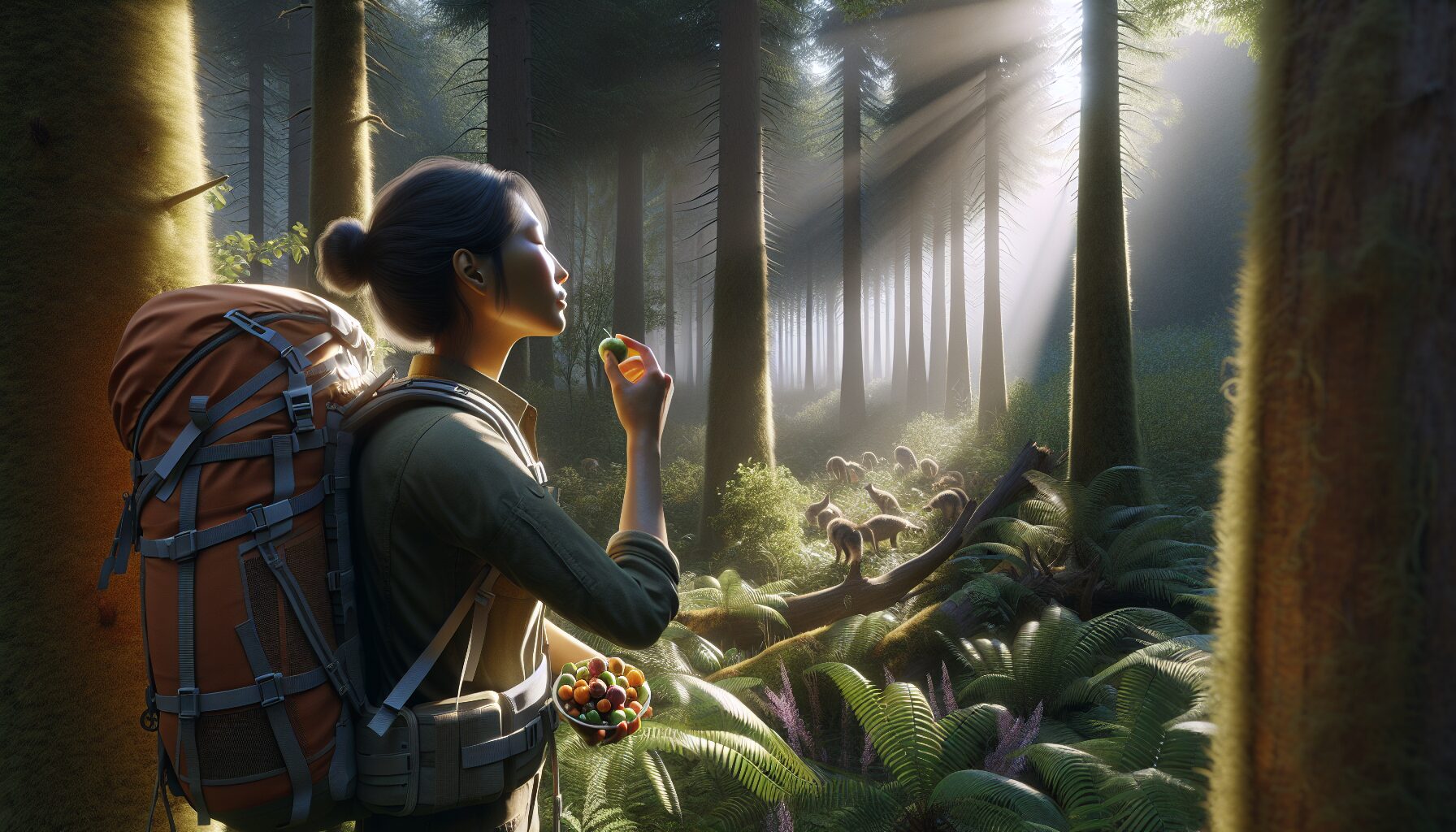
Rewilding the Self: A Journey Back to Nature
In an age dominated by urban landscapes and digital interactions, the concept of rewilding offers a refreshing return to nature, both ecologically and personally. While traditionally associated with environmental conservation, rewilding the self is a transformative journey focusing on restoring human connection with the natural world. This article explores the philosophical and practical dimensions of rewilding oneself in the modern age.
The Origin and Philosophy of Rewilding
The term “rewilding” initially gained traction in the ecological sphere, promoting the restoration of wilderness areas and biodiversity. According to Nature, rewilding efforts aim to “restore natural processes and reestablish food chains.” This restorative approach acknowledges that ecosystems flourish when they operate without excessive human interference.
However, beyond its environmental implications, rewilding has evolved into a personal ethos. It suggests that just as ecosystems thrive through rewilding, so too can individuals find balance and vitality by reconnecting with nature.
Why Rewilding the Self Matters
Modern life is often characterized by its distance from nature. Studies such as one published in The Journal of Environmental Psychology highlight that increased urbanization and technology use have led to a “nature deficit,” affecting mental health and well-being.
Carl Jung, the renowned Swiss psychiatrist, once stated, “Nature has a curious way of removing inner complexities, as a surgeon removes bulky, superfluous iron from the body, leaving behind the purest form of being.” This sentiment underscores the psychological benefits of immersing oneself in nature and simplifying life to its essentials.
Practical Steps to Rewilding the Self
Rewilding the self doesn’t necessarily mean forgoing modern conveniences. Instead, it’s about integrating nature more intentionally into our daily lives:
- Engage in Nature-Based Activities: Join groups that focus on hiking, gardening, or birdwatching. Participating in these activities not only enhances appreciation for the environment but also offers a community of like-minded individuals.
- Adopt Mindfulness Practices in Nature: Activities like forest bathing (shinrin-yoku) focus on slowing down and being present in nature. According to Global Wellbeing Institute, forest bathing can improve mood, reduce stress, and enhance overall well-being.
- Reduce Digital Consumption: Allocate technology-free periods throughout the day to explore local parks or simply sit in a backyard and observe natural surroundings.
- Implement Nature-Based Learning: If you have children, encourage them to learn through natural experiences, whether by exploring nearby trails or observing insects in the garden.
The Psychological Impact of Rewilding
The psychological benefits of rewilding the self are well-documented. A study published in Environmental Psychology indicates that individuals who engage regularly with natural environments report increased creativity, improved mood, and heightened spiritual connectivity. Nature’s rhythms and cycles offer a profound sense of grounding.
“What is a human being without roots in the earth? What genes can bioengineer the symmetry of a snowflake or replace the solace found in a canopy of trees?” – Richard Louv, Last Child in the Woods
This connection to nature invokes a reassessment of one’s place in the vastness of the world, encouraging introspection and a deeper understanding of oneself.
The Social and Environmental Benefits
Rewilding the self is also a socially and environmentally conscious act. By reconnecting with nature, individuals often become more mindful of ecological impacts and the need for sustainable living. This awareness fosters behaviors such as reducing consumption, supporting conservation efforts, and advocating for policies that protect natural habitats.
- Community Involvement: Participation in local conservation projects or community gardens can strengthen social bonds and reinforce the importance of a shared commitment to nurturing the environment.
- Lifestyle Changes: Adopting a more sustainable lifestyle by reducing waste, recycling, or even using renewable energy sources directly impacts the health of the planet.
Challenges and Considerations
Rewilding the self is not without its challenges. Modern life, with its demands and distractions, often prioritizes efficiency over tranquility. It requires conscious decision-making to step outside the confines of habitual patterns and actively pursue a natural, slower-paced lifestyle.
Moreover, issues of accessibility can arise. Urban environments may lack green spaces, forcing individuals to travel to connect with nature, which can pose logistical and economic barriers.
Conclusion
In conclusion, rewilding the self is a deeply personal journey that resonates differently with each individual. Its practice encompasses fostering relationships not only within nature but also within oneself. As Richard Louv keenly observed the importance of nature in our lives, it becomes evident that as we open ourselves to rewilding, we embrace a balance often missing in fast-paced modern existence. By doing so, we not only contribute to our own well-being but also become stewards of the natural world, ensuring that such splendor endures for future generations.
Ultimately, rewilding is an invitation to disengage from a singular, urban focus and to rediscover what it means to be human in harmony with the Earth.