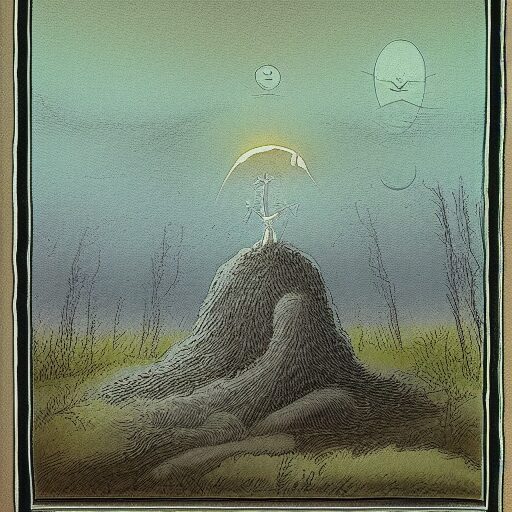
The Will-o’-the-Wisp – Following the False Lights of the Marshland
Deep within the misty marshlands, a mysterious and treacherous phenomenon has been observed by travelers for centuries. The Will-o’-the-Wisp, also known as Ignis Fatuus or Jack o’ Lantern, is a ghostly light that seems to lead wanderers deeper into the swamp.
- The Origins of the Legend According to folklore, the Will-o’-the-Wisp is the spirit of a witch who died in the marsh. Her ghost now lures unsuspecting travelers with its eerie glow, leading them to their doom.
- A Beacon of Deception The Wisp’s light appears as a faint flickering flame or a ball of fire that moves in strange patterns. Its purpose is to mislead, rather than guide, those who follow it. As the ancient proverb goes: “The Will-o’-the-Wisp leads you astray, where the bog holes await.”
- The Dangers of the Marsh The marshlands are treacherous terrain, with hidden bogs and quicksand that can swallow a person whole. Add the allure of the Wisp’s false light, and it’s no wonder many have lost their lives in this unforgiving environment.
- A Modern-Day Parallel While we may not believe in ghostly apparitions today, the concept of being misled by false promises or deceptive appearances still resonates. As the great philosopher, Heraclitus, once said: “The way up and the way down are one and the same.”
- The Wisp’s Modern Legacy The Will-o’-the-Wisp has inspired numerous works of fiction, from folklore to literature. Its allure remains strong, captivating our imagination with its enigmatic presence.
“The Will-o’-the-Wisp may be a mere illusion, but it is an illusion that can still lead you astray.” – Old English Proverb