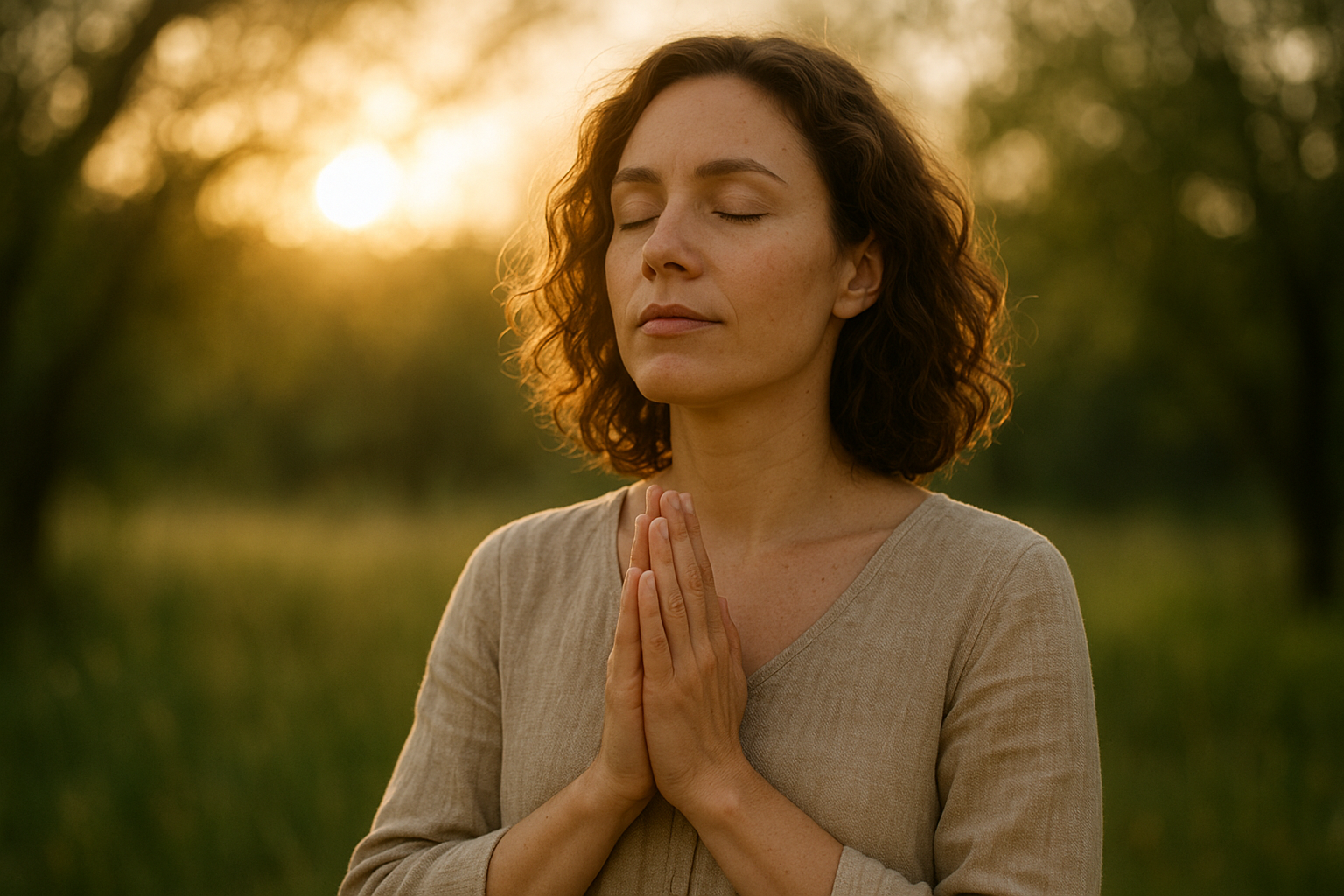
In an era characterized by increasing skepticism towards traditional religious institutions, many individuals are carving out unique paths to spiritual fulfillment. This burgeoning phenomenon, often referred to as the “post-secular sacred,” signifies a move towards finding holiness outside the confines of organized religion.
Embracing a New Spiritual Paradigm
The term “post-secular” suggests a society where secularism no longer dominates public life to the exclusion of the sacred. Rather than adhering strictly to dogmas and doctrines, people are exploring spirituality on their own terms. This trend is not simply a rejection of institutional religion but a reimagining of it. According to sociologist Peter Berger, “The world today, with some exceptions… is as furiously religious as it ever was, and in some places more so than ever” (source).
Practices and Beliefs of the Post-Secular
Post-secular spirituality manifests in varied and personal ways:
- Nature Worship: Many individuals find the divine through nature, seeing the environment as a direct reflection of the sacred. Outdoor meditations and eco-spirituality have become popular avenues for those seeking a personal connection to the divine.
- Mindfulness and Meditation: Rooted in both religious and non-religious traditions, practices like yoga and meditation enable individuals to connect with a higher state of consciousness.
- Interfaith Exploration: A growing number of spiritual seekers are attending services and ceremonies across various faiths, finding personal truths and universal sacred elements transcending individual doctrines.
“We are in the midst of a ‘spiritual revolution’ characterized by a growing offshore-institutional religion, which is giving way to more free-flowing spiritual currents,” remarks sociologist Natasha Megah.
The Future of Spirituality
As society continues to evolve, the boundaries between secular and sacred become increasingly blurred. In a world where the Internet enables unprecedented access to different spiritual practices and philosophies, individuals are empowered to craft their own understanding of the holy.
The post-secular sacred emphasizes a deeply personal spirituality—one that often merges elements of traditional faiths with newer, eclectic practices. This shift reflects a dynamically changing spiritual landscape, offering a future where spirituality is as diverse and nuanced as the individuals who practice it.
Ultimately, the quest for the sacred seems destined to continue, embracing both the ancient and the new in an ever-evolving dance of belief.