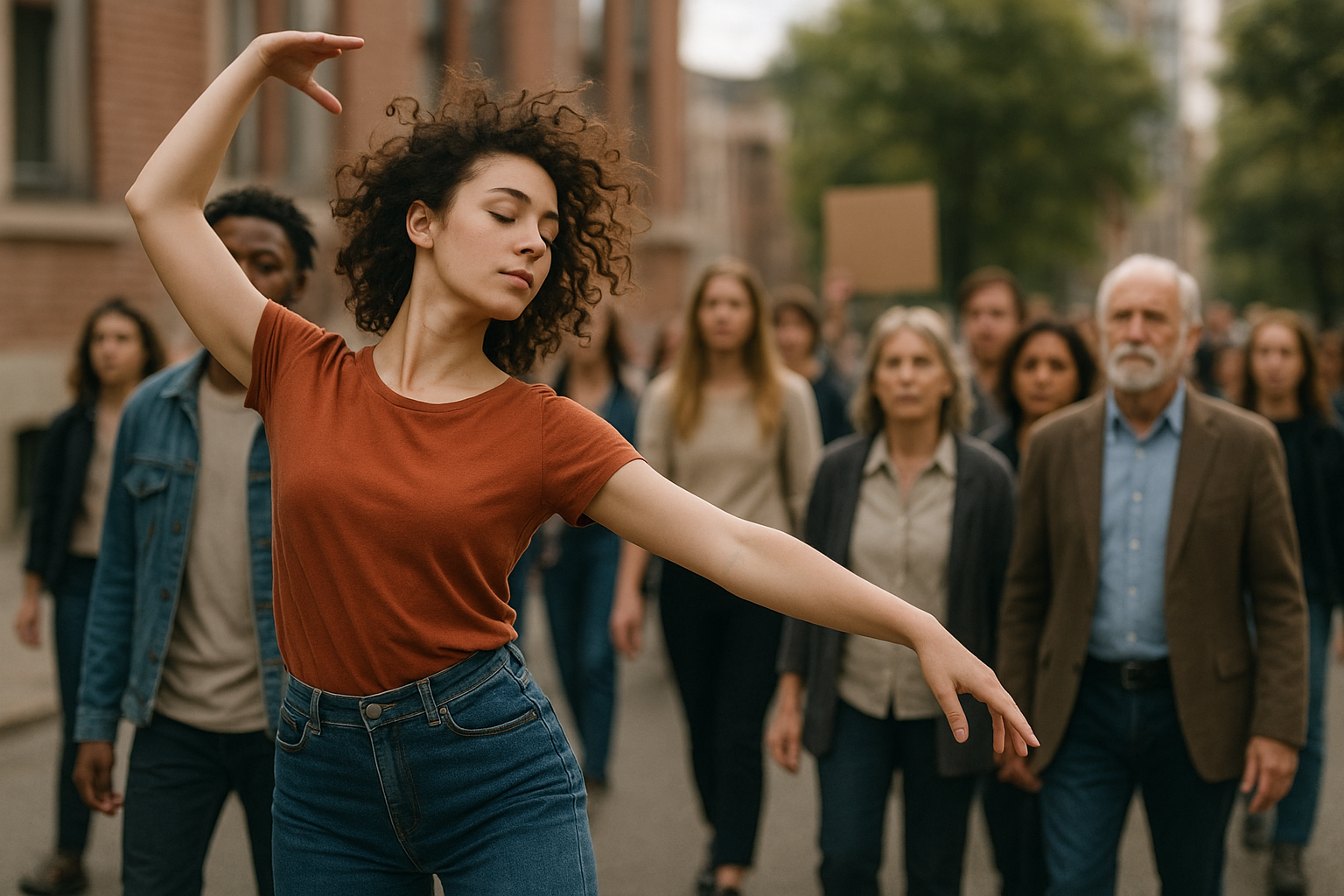
Throughout history, dance has not only mirrored the cultural values of its time but also served as an agent of change, challenging norms and inspiring transformation. From the sacred rituals of ancient civilizations to the dynamic expressions found in contemporary urban landscapes, dance continues to be a potent force in shaping and reflecting societal evolution.
Dance as a Reflection of Society
Dance is deeply woven into the cultural fabric of societies worldwide. In many cultures, it plays a crucial role in ceremonies and rituals, encapsulating sacred stories and traditions. For instance, the Hula in Hawaii is not merely entertainment but a narrative dance that tells the stories of the land and people. Such dances preserve the cultural heritage and pass it down through generations.
The Power of Dance in Social Movements
More than just a reflection, dance has also been a catalyst for social change. In the 20th century, dance movements often intersected with broader social issues. The 1920s saw the emergence of the Charleston, a dance that broke free from the formal constraints of previous eras, symbolizing the new-found freedom and rebellion of the post-war generation.
“The Charleston really did epitomize the wild and carefree exuberance of the Roaring Twenties,” says historian John Smith.
Moreover, the Civil Rights Movement in the United States saw dance emerge as a form of protest and expression. Choreographers like Alvin Ailey created works that challenged racial barriers and conveyed powerful messages about equality and inclusion. Ailey’s Revelations, a masterpiece deeply rooted in his African-American heritage, continues to resonate globally, emphasizing the enduring struggle for civil rights.
Contemporary Dance and Cultural Dialogue
In today’s globalized world, dance has become a medium for cross-cultural dialogue and exchange. Contemporary dance forms like hip-hop transcend borders, fostering understanding among diverse groups. In cities such as New York and Los Angeles, flash mobs and spontaneous public performances engage communities, create connections, and sometimes even spark discussions on pertinent social issues.
With the rise of digital platforms, dance has gained new momentum, reaching wider audiences and influencing cultural trends. This digital age offers a unique opportunity for dance to continue its role in societal evolution, challenging perceptions and promoting unity.
Conclusion
The interaction between dance and society illustrates a compelling choreography of change—a dynamic interplay that reflects and influences the spirit of the times. As long as people continue to move in harmony with rhythm and purpose, dance will remain a vital force in the evolution of human societies.