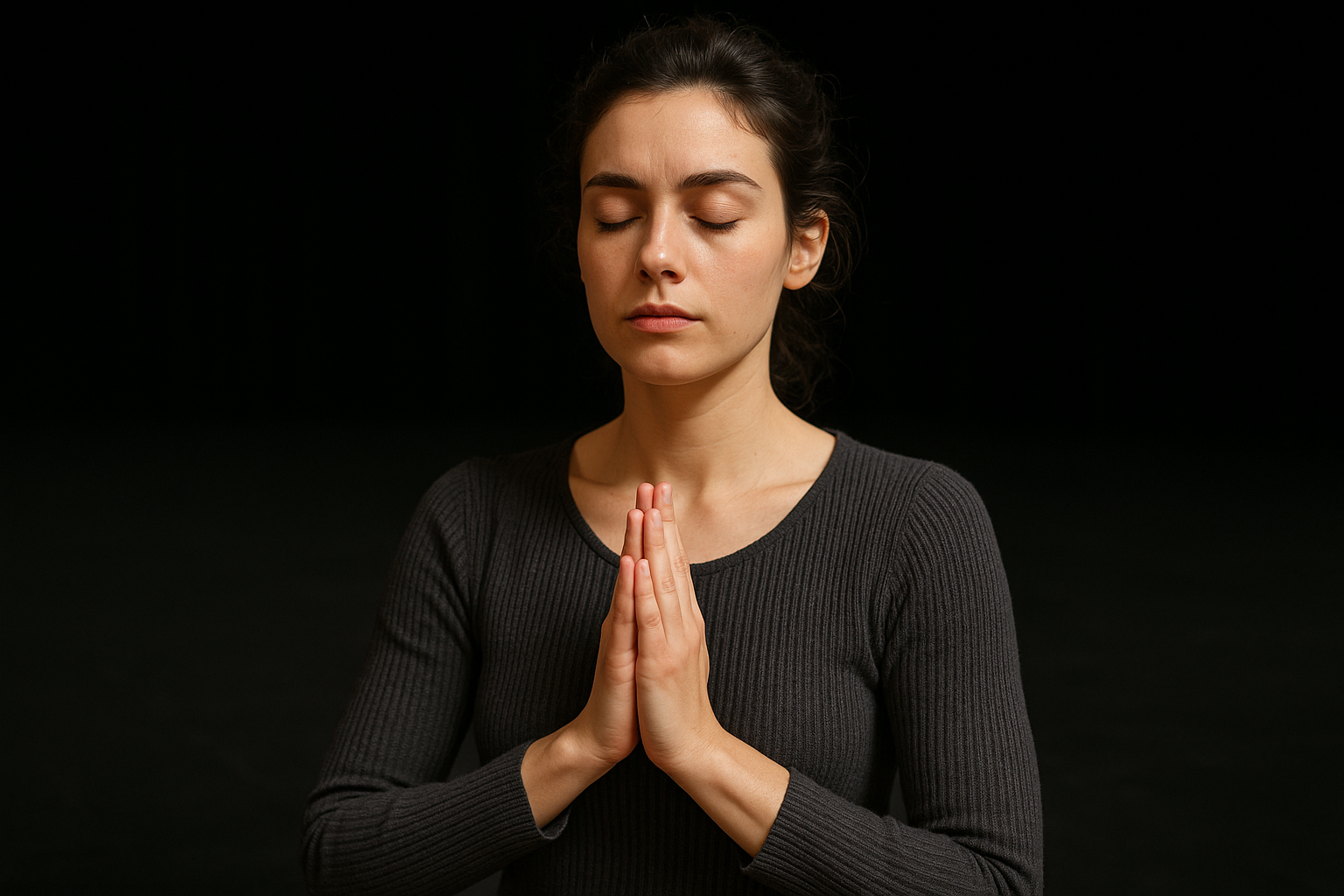
As we navigate through the complex tapestry of modern life, with its incessant demands and distractions, mindfulness has emerged not just as a trend but as an essential practice in various fields. This is particularly true in the realm of contemporary performance, where the intersection of mindfulness and art offers both practitioners and audiences a profound reconnection with the present moment.
The Role of Mindfulness in Performance
Mindfulness, characterized by paying attention in a particular way: on purpose, in the present moment, and non-judgmentally, as Jon Kabat-Zinn, founder of the Mindfulness-Based Stress Reduction program at the University of Massachusetts Medical Center, eloquently describes it, has permeated the world of performance art. Performers often deal with stressors such as stage fright, audience judgment, and the pressure to meet high expectations. Mindfulness provides a toolkit to navigate these challenges effectively.
Enhancing Creativity and Presence
Mindfulness encourages performers to remain present, fostering a deeper connection with their art. Dancer and choreographer Forsythe has famously stated, “When a dancer is truly mindful, the space opens up for creative spontaneity.” This spontaneity is critical in contemporary performance, where authenticity and originality are highly valued.
- Improved Focus: Mindfulness practices as simple as breath control and meditation can greatly enhance a performer’s focus, allowing them to fully immerse themselves in their craft.
- Emotional Regulation: By mindfully acknowledging emotions without judgment, performers can harness their emotional experiences to enrich their expressivity rather than impede their performance.
- Body Awareness: Performers often describe mindfulness as a way to develop a profound body awareness, improving physicality in movement-based performances.
The Audience Experience
Mindfulness is not just transformative for performers but equally enriching for audiences. A mindful audience member engages more deeply with the performance, noticing subtleties and more fully experiencing the art form. In the words of musician Leonard Bernstein, “To achieve great things, two things are needed: a plan, and not quite enough time.” In this ephemeral nature of performances, mindfulness enhances the ephemerality by deepening appreciation.
Case Studies in Mindful Performance
Immersive Theater
One of the most striking examples of mindfulness in contemporary performance is found in immersive theater. Productions such as Sleep No More by Punchdrunk immerse audiences in an environment where they must actively participate, requiring intense focus and presence. Audiences are compelled to engage mindfully to follow the narrative, which changes based on their movements within the performance space.
Music and Mindfulness
The musical sphere has not been untouched by the effects of mindfulness. Artists like Yo-Yo Ma, in an interview with the NPR, shared insights on mindfulness practices and how they enhance the ability to deliver emotionally compelling performances. Musicians utilize mindfulness to stay in tune not only with their music but with the collective experience shared with their audience.
Challenges and Considerations
While the integration of mindfulness in contemporary performance has significant benefits, challenges remain. Critics argue that the increasing commodification of mindfulness, branded and packaged as a quick fix, risks diluting its depth and potential. The key lies in ensuring that mindfulness practices are adapted thoughtfully, maintaining their integrity and not detracting from the authenticity of the performance itself.
Moreover, there is ongoing dialogue about accessibility and inclusion in mindful practices within performance art. Ensuring that tools and strategies are accessible to a diverse range of performers is crucial. As audiences grow more diverse, performances that mindfully reflect various cultural and social realities have the potential to resonate more deeply.
Conclusion
The integration of mindfulness into contemporary performance marks a significant shift in how art is created and consumed. As performers and audiences alike embrace mindfulness, the essence of being ‘in the moment’ transforms art into a powerful, shared experience. As Kabat-Zinn aptly notes, “The best way to capture moments is to pay attention. This is how we cultivate mindfulness.” In the realm of performance, this cultivation fosters not only better art but a more profoundly engaged audience.
In a world that often pulls towards multitasking and distraction, the presence afforded by mindful engagement in performance art offers both artists and audiences a rare and precious gift: the chance to fully embody the now. As the breath of the moment expands, so too does the appreciation for the art that so vividly occupies that space.