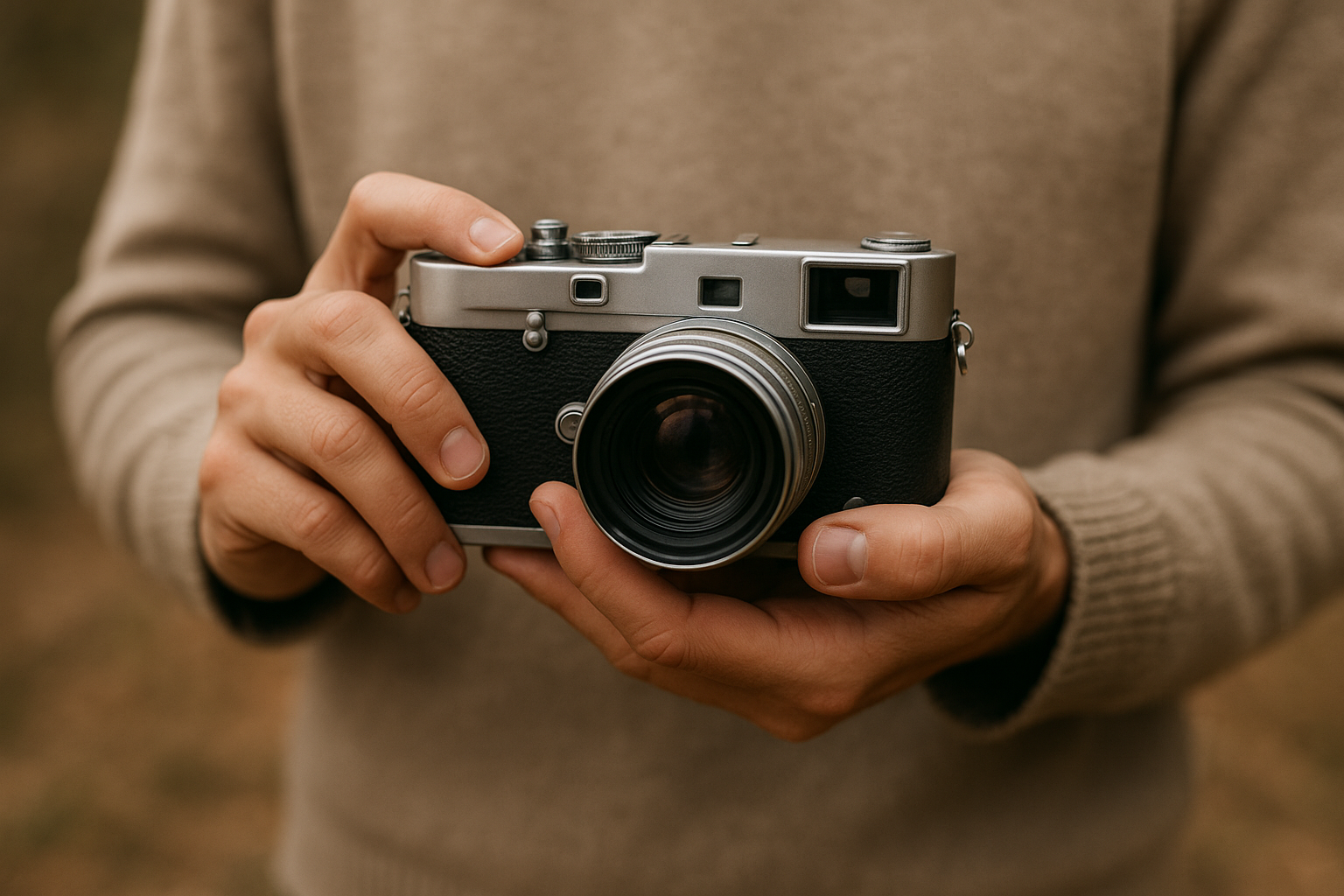
In a world swamped with images layered with filters, effects, and digital alterations, a movement is gaining momentum that champions the art of simplicity in photography. This minimalist approach emphasizes raw authenticity, focusing on the purity of the subject rather than elaborate post-processing. While modern technology offers photographers endless possibilities, there is a unique power that exists in intentional simplicity.
“The best camera is the one that’s with you,” notes Chase Jarvis, a well-known advocate of simple photography. This sentiment underscores the idea that the tools we use are secondary to the moments we capture and the stories we tell.
The Beauty of Minimalism
Minimalism in photography is not just about de-cluttering an image—it’s about centering the narrative. By embracing the constraints of simplicity, photographers often find themselves more connected to their subjects, capturing moments that are both sincere and powerful. This method requires a keen eye for the essentials, allowing light, shadow, and composition to play starring roles.
- Focus on Composition: A straightforward composition can tell a complex story. The rule of thirds, leading lines, and negative space are more apparent when extra elements are stripped away.
- Emphasis on Natural Light: Natural light offers a range of moods without the need for artificial enhancements. Shooting during the golden hours—early morning and late afternoon—can yield striking results.
- Connection with Subjects: When less time is spent on technical adjustments, photographers can foster a deeper connection with their subjects, often capturing authentic emotions and expressions.
The Influence of Purist Photographers
Some of history’s most revered photographers have long understood the power of simplicity. Ansel Adams, known for his stark landscapes that showed immense detail and depth, once said, “You don’t take a photograph, you make it.” His work demonstrated how limited tools and an artist’s vision could produce iconic art.
In today’s digital age, modern photographers continue to follow this ethos. Notable minimalist photographer Edward Furlong suggests that simplicity allows the audience to “witness the true essence of a scene without distraction.” His work invites viewers to engage deeper with the subject, allowing each detail to surface organically.
The Modern Photographer’s Choice
As this movement towards simplicity gains momentum, photographers are challenged to reconsider their approaches. It’s a call back to the basics, a reminder that the lens we choose—the humble, unadorned lens—often captures the most profound truths. Simplicity in photography is not a step back from creativity; instead, it’s a refined path that brings the photographer closer to their visual storytelling goals.