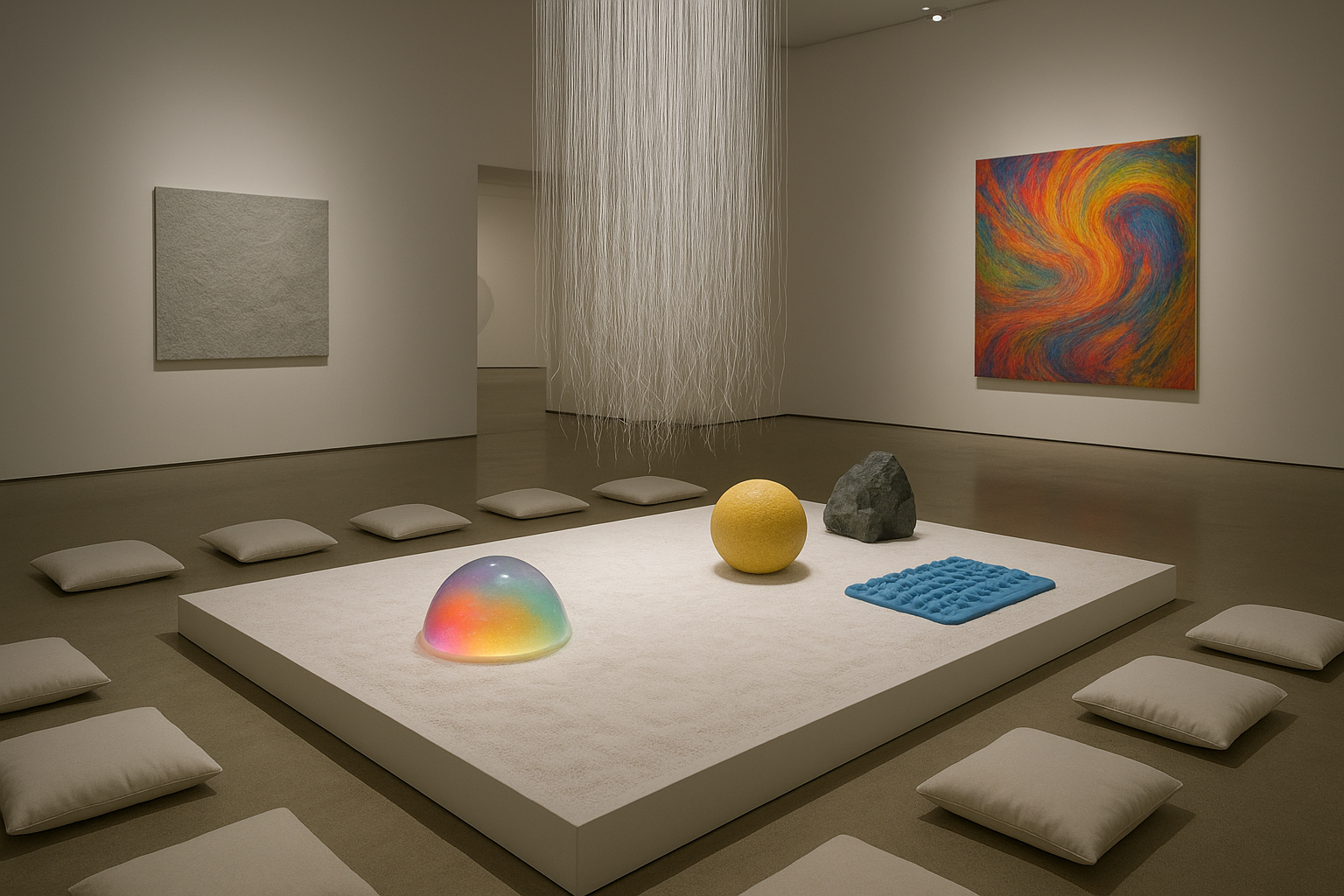
The Sensory Sacred: Engaging All Senses in Contemporary Art
Contemporary art has evolved to transcend the visual, venturing into realms that tantalize and challenge all the senses. This form of artistic expression strives to create a holistic sensory experience, leading audiences to engage with art in new and unexpected ways.
The Evolution From Visual to Multi-Sensory Art
The traditional perception of art has predominantly centered around the visual—paintings, sculptures, and photographs are all enjoyed for their visual aesthetics. However, the rise of contemporary art has seen artists embracing the non-visual by engaging other senses such as sound, smell, touch, and taste. This transformation is rooted in the desire to create more immersive experiences that captivate and challenge audiences.
Renowned contemporary artist Olafur Eliasson, known for his large-scale installations, often employs various sensory elements in his work. In Eliasson’s words, “Art addresses us across the sensory spectrum, using it to make us more aware of our environment.” [Source]
Notable Multi-Sensory Artistic Endeavors
Several contemporary artists and installations have paved the way for this immersive approach, each offering unique and profound sensory experiences:
- The Weather Project by Olafur Eliasson: A prime example of multi-sensory engagement, this installation at the Tate Modern in London used mist, heat, and light to simulate the sun, allowing visitors to feel and see an artificial sunset indoors.
- Sonic Fountain by Doug Aitken: This installation combines sound and visual stimuli by allowing water droplets to fall into a pool, creating an auditory experience that resonates with the visual beauty of the rippling water.
- Carsten Höller’s Scent Tunnel: A tunnel filled with distinct aromas invites visitors to explore the power of scent in evoking memories and emotions.
The Science Behind Sensory Engagement
Research has shown that engaging multiple senses can enhance our emotional and cognitive experiences. The use of smell, sound, touch, and taste can elicit stronger emotional responses and create lasting memories compared to visual stimuli alone.
“Multisensory experiences reshape the way our brains process environments, significantly influencing perception and cognition,” says a study published in the Journal of Cognitive Psychology.
Artists as Experience Designers
In this era of sensory exploration, artists have become experience designers, orchestrating environments that stimulate the senses in sync. The interplay of various sensory stimuli can transport audiences to new conceptual realms, allowing them to experience the artwork fully.
For instance, Japanese artist Yayoi Kusama is renowned for her immersive mirrored rooms that offer infinite reflections and distorting perspectives, challenging the visitor’s perception of space and self. Her work signifies a departure from the art object to the art experience, where the viewer is integral to the piece itself.
The Significance of Sensory Art in Modern Society
In a fast-paced digital world, sensory art offers a sanctuary—a chance to pause and fully engage with the present moment. It invites audiences to rediscover the world through their senses, fostering a deeper connection with themselves and their environment.
A multi-sensory approach also plays a crucial role in accessibility, offering those who are visually impaired an opportunity to experience art through other senses, thus democratizing art consumption.
Conclusion: An Ever-Expanding Realm
The contemporary art landscape continues to evolve, and the future promises even more integration of technology and sensory experiences. Virtual reality and augmented reality are at the forefront, offering unprecedented opportunities for sensory engagement.
As we navigate this transformative era, the role of the artist as a creator of multi-sensory environments becomes ever more essential, inviting us to explore the sensory sacred in fresh and profound ways. Whether through the warmth of sunlight in an art installation or the aroma of a scent tunnel, contemporary art continues to redefine and expand our sensory horizons.