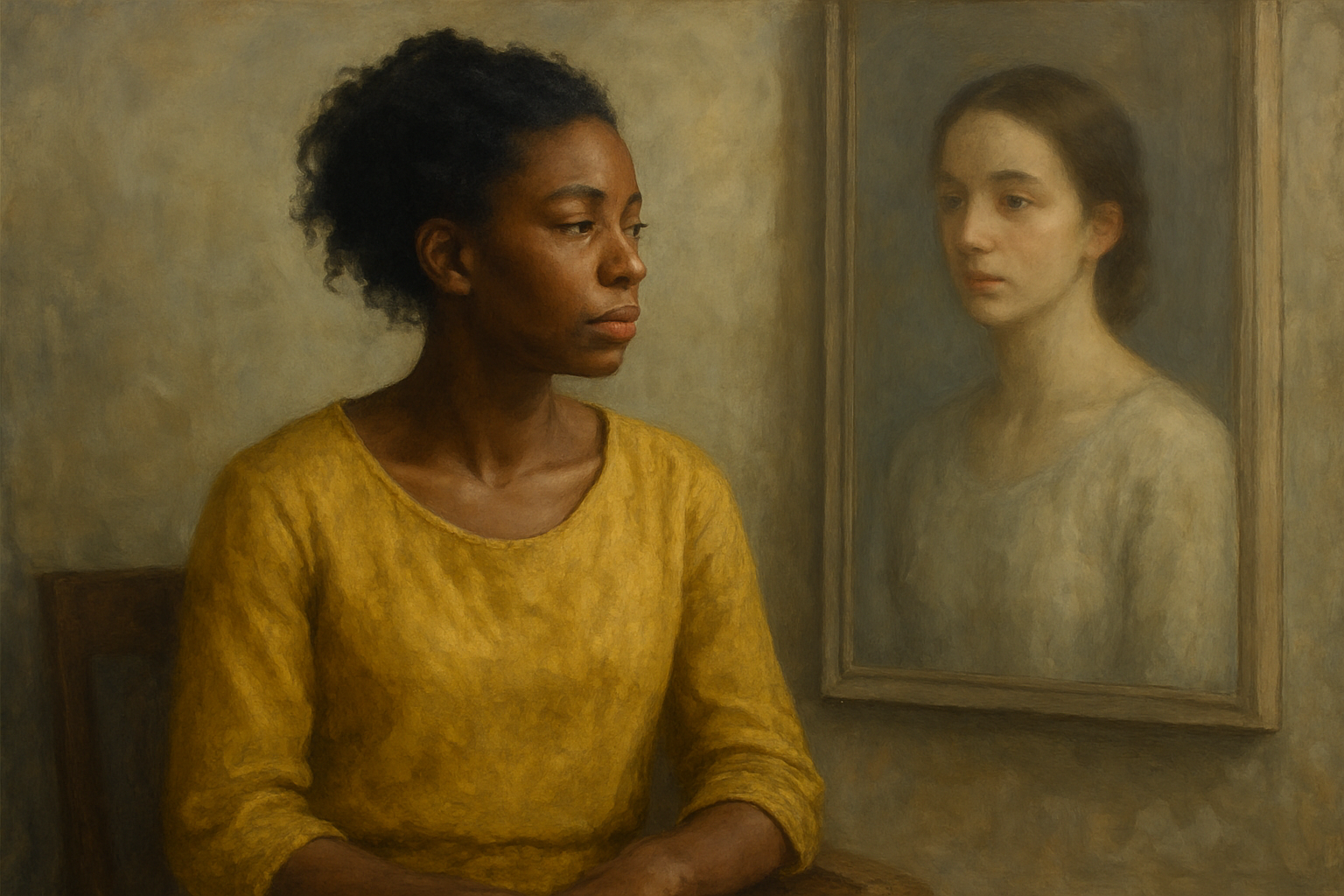
The realm of visual arts has always been a dynamic landscape where representation and abstraction dance fluidly. As we delve into the 21st century, the way artists represent reality and convey meaning is undergoing transformative changes. This article explores how contemporary artists are rethinking representation to bring fresh perspectives to visual arts.
Historical Context of Representation in Visual Arts
Before exploring current trends, it’s essential to understand the historical context of representation in art. From the Renaissance to the Impressionists, the evolution of art has often been about how reality is interpreted:
- The Renaissance Era: This period marked a return to classical ideals of beauty and realism. Artists like Leonardo da Vinci and Michelangelo epitomized the pursuit of human anatomy and proportion.
- The Impressionists: Artists such as Claude Monet and Edgar Degas sought to depict everyday life and light with vibrant brushstrokes and new techniques.
By the 20th century, movements like Cubism with Pablo Picasso, and Surrealism with Salvador Dalí, challenged the conventional means of representation, pushing towards abstraction and the exploration of the unconscious mind.
The Contemporary Shift in Representation
In contemporary times, representation in visual arts is not merely about mimicking reality but rather questioning and reinterpreting it:
“Today, the exploration of representation in art is as much about questioning the image as it is about depicting it in new and innovative ways.” – Tate
Technology as a Catalyst
- Digital Art: Technology has become a vital tool for artists, providing new platforms and tools for innovation. Digital art allows for the manipulation of images in ways that were impossible before.
- Augmented and Virtual Reality: Artists like Olafur Eliasson and Laurie Anderson are using augmented reality (AR) and virtual reality (VR) to create immersive experiences that challenge traditional notions of space and perception.
The Role of Identity and Culture
Many contemporary artists are using their work to explore themes of identity, culture, and social justice. Artists like Kara Walker and Kehinde Wiley use their art to address historical representations and question stereotypes:
- Kara Walker: Known for her silhouettes, Walker challenges historical narratives around race, gender, and power.
- Kehinde Wiley: Wiley reimagines classical portraiture by depicting people of color in the grandiose style of European Old Masters.
Redefining Perspectives with Mixed Media
Artists are increasingly using mixed media to expand the possibilities of representation. This approach allows for a blend of materials and techniques, often resulting in unexpected and provocative outcomes.
- Collage: Artists like Wangechi Mutu use collage to juxtapose different elements, creating artworks that challenge the norms of beauty and provoke thought about identity and environment.
- Installation Art: Installation pieces by artists such as Ai Weiwei confront viewers with immersive experiences that communicate powerful messages around politics and human rights.
The Democratization of Art Interpretation
With the rise of social media and online platforms, art is increasingly accessible to a broader audience. This democratization has led to diverse interpretations and dialogues about representation. Platforms like Instagram and TikTok allow artists to showcase their work globally, inviting immediate engagement and discourse.
“Digital platforms have made art more accessible than ever, allowing artists to bypass traditional gatekeepers and reach audiences directly.” – Artsy
Conclusion: Toward a New Vision
As we move further into an era where technology and globalization shape our world, artists continue to redefine representation in visual arts. The ability to see beyond the canvas and screen reveals the infinite potential of this transformation.
The reimagined representation in visual arts isn’t just a trend—it’s a revolution. It challenges us to perceive the world and our place in it with a critical yet hopeful eye. As Albert Einstein said, “Imagination is more important than knowledge. For knowledge is limited, whereas imagination embraces the entire world, stimulating progress, giving birth to evolution.” By embracing new ways of seeing, contemporary visual arts lead us to fresh understandings of reality itself.