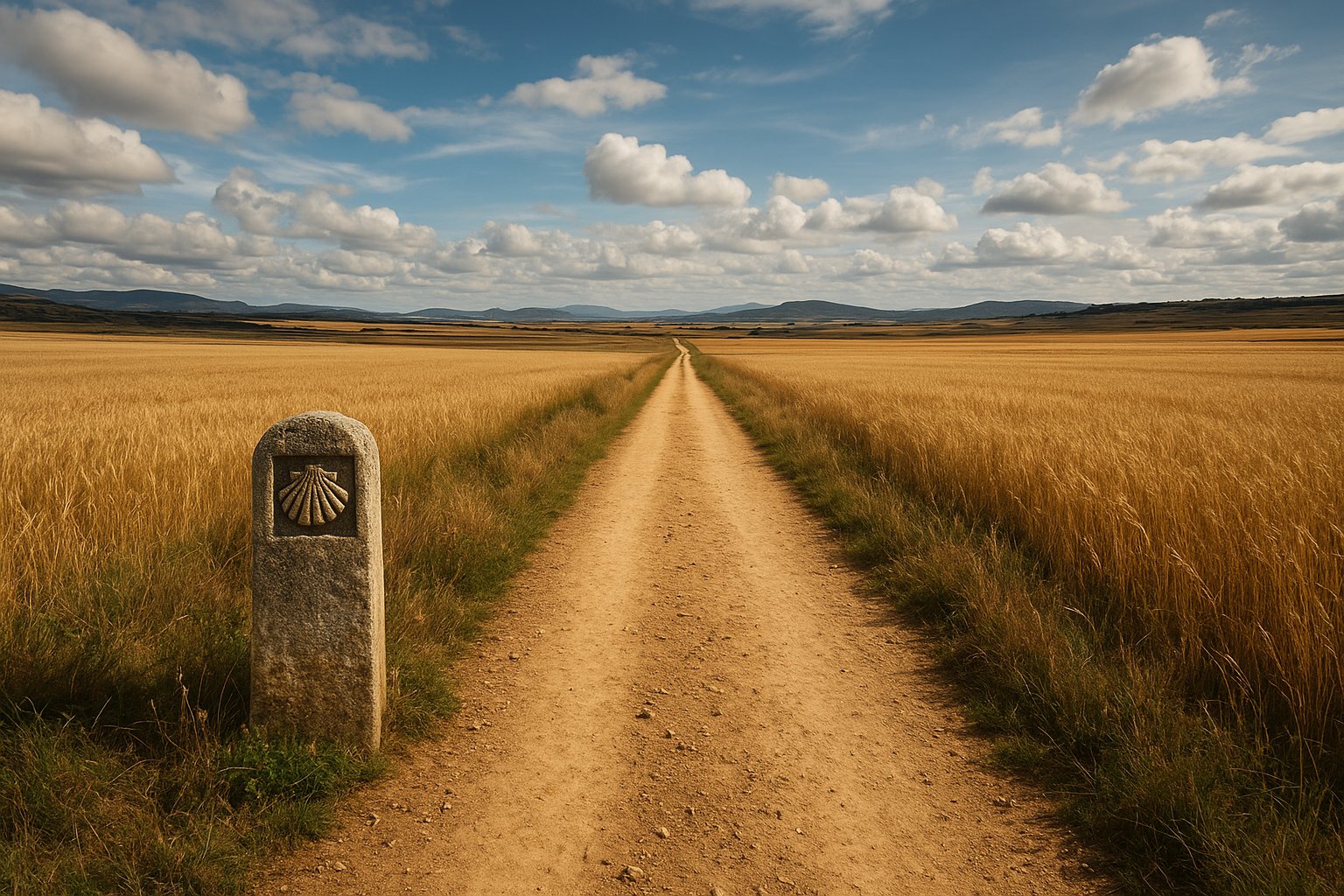
In an age where destinations are often hyped for their novelty rather than their significance, there remains a timeless journey that transcends mere travel. The pilgrimage, an ancient practice of seeking spiritual depth, echoes through the annals of time, showcasing the eternal road where the journey itself is as consequential as the destination.
“For the born traveler, traveling is a besetting vice. Like other vices, it is imperious, demanding its victim’s time, money, energy, and the sacrifice of comfort.” – Aldous Huxley
Pilgrimages have been an integral part of human culture for millennia, woven deeply into the tapestry of numerous religions and traditions. From the Camino de Santiago in Spain to the Hajj in Saudi Arabia, these journeys are deeply rooted in cultural heritage, offering not just physical challenges but also profound spiritual awakenings.
Walking into the Unknown
The premise of a pilgrimage is simple yet profound: leave behind familiarity and comfort to embark on a path towards spiritual growth and enlightenment. The winding trails, be they through verdant landscapes or desolate deserts, provide pilgrims the solitude and reflection needed to connect with the divine. As Ralph Waldo Emerson wisely noted, “Do not follow where the path may lead. Go instead where there is no path and leave a trail.”
- The Camino de Santiago: Stretching over 500 miles across Spain, this pilgrimage is a test of endurance and spirit. Pilgrims traverse the enchanting landscapes of Galicia, pausing ever so often to reflect upon the rich history and spirituality that marks each step.
- The Hajj: A journey that draws millions every year to the holy city of Mecca, fulfilling one of the Five Pillars of Islam. This pilgrimage is emblematic of unity and devotion, exemplifying the collective journey of people from diverse backgrounds in a shared quest for divine closeness.
The Journey Continues
The beauty of the pilgrimage lies not just in reaching the destination but in the journey itself. National Geographic describes these journeys as “transformative experiences,” where the path walked matters more deeply than the end itself.
In modern times, pilgrimages continue to evolve, welcoming those of all faiths and backgrounds, drawn to the journey for its promise of self-discovery, the challenge of personal limits, or the simple joy of wandering. Regardless of the destination, the road remains eternal, etched in the spirit of those who dare to tread upon it, constantly reminding us that in the search for meaning, it’s the journey that truly matters.