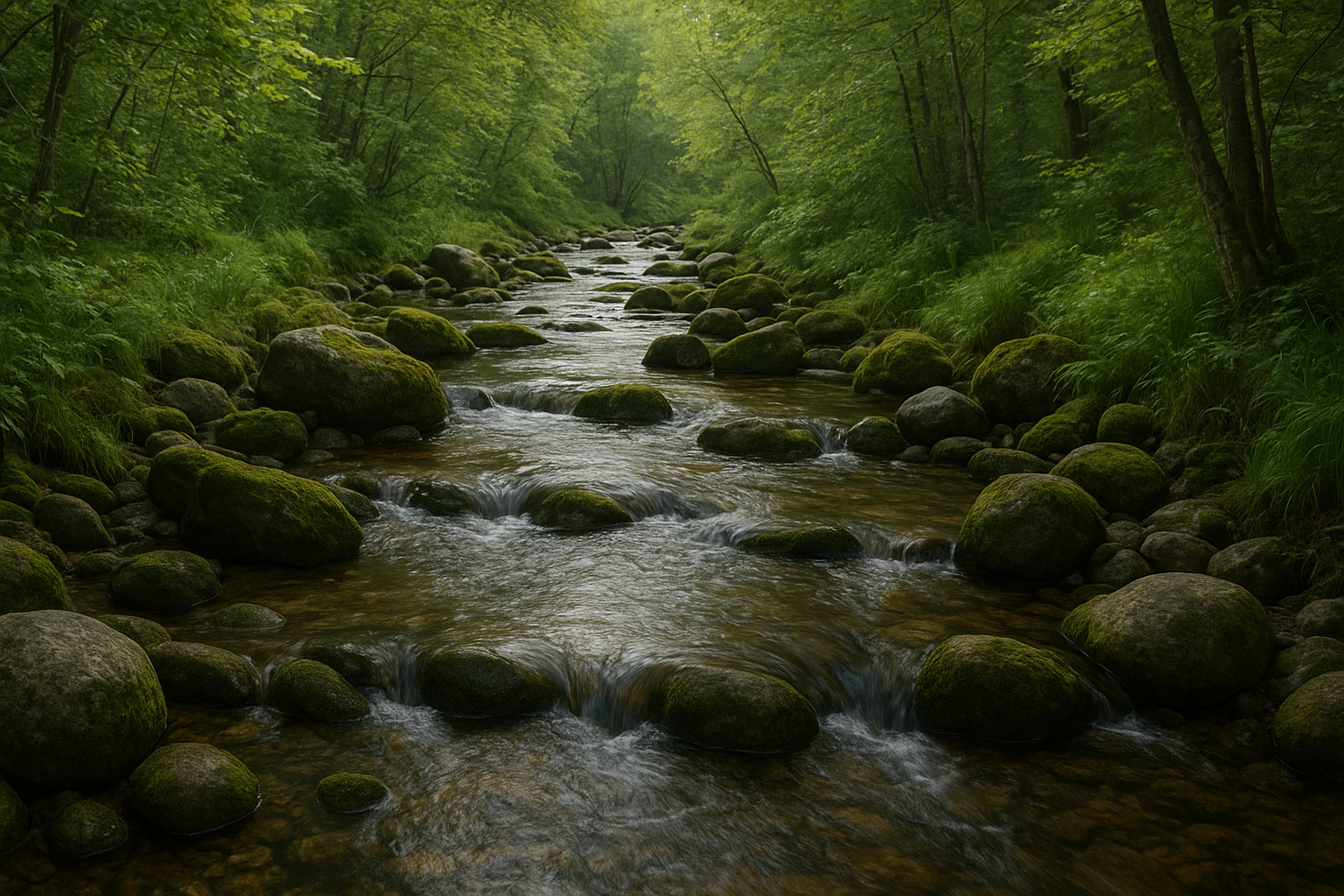
In the realm of natural phenomena, water stands as an unparalleled guide, shaping the terrain, life, and ecosystems with its gentle yet persistent flow. This elemental force follows gravity’s pull, carving valleys, nurturing life, and etching its story over eons. The water path is a journey marked by fluidity and adaptability, offering insights into resilience and interconnection. This article delves into the profound journey of water from source to sea, illustrating its vital role in sustaining life and shaping our planet.
The Beginning: Mountain Rivulets to Mighty Rivers
Water begins its terrestrial journey high in the mountains, often as snow or rain. Melting snowpacks and rainfall feed the initial threads of streams and rivulets. These small channels unite, forming the headwaters of mighty rivers. In each drop, a story of eroded rock, transported sediment, and dissolved minerals begins. According to the U.S. Geological Survey, “rivers and streams are dynamic, evolving systems that play a key role in shaping the landscape.”
Energy and Erosion
As water gains momentum, it harnesses kinetic energy, scouring and shaping the landscape. This dynamic interaction is responsible for creating dramatic canyons and fertile valleys. The Grand Canyon, formed over millions of years by the Colorado River, serves as a stunning testament to water’s power to sculpt the earth.
Annie Dillard writes, “Rivers run through us in a way that carries life from its source to its outlet, linking each breath to creation itself.”
Maturation: Sustaining Life, Bridging Worlds
Descended from the highlands, rivers traverse plains and forests, becoming lifelines for ecosystems and human communities alike. The nurturing role of rivers is multifaceted, as they provide water for drinking, agriculture, and industry while supporting a rich diversity of life along their banks.
Biodiversity Hubs
Rivers are biodiversity hubs, teeming with life. They provide critical habitats for fish, amphibians, birds, and countless other species. The Amazon River basin, for example, is home to approximately 10% of the known species on Earth. This richness highlights the importance of conserving freshwater ecosystems to maintain global biodiversity.
- Fish Migration: Rivers are crucial for migratory fish like salmon, which return from the ocean to freshwater to spawn.
- Wetland Support: Floodplains and wetlands along riverbanks offer haven for aquatic plants and animals, storing excess water and moderating floods.
- Human Communities: Towns and cities historically emerged along rivers, thriving on their resources and connectivity.
The End: Oceans, the Ultimate Reservoir
The water path culminates in the oceans, where rivers meet the sea. Oceans cover approximately 71% of the Earth’s surface and serve as massive reservoirs of water, heat, and carbon dioxide. Rivers not only bring fresh water to the oceans but also deliver nutrients and sediments that are vital for marine life.
Deltas: Fertile Meeting Grounds
At the river’s mouth, deltas form, shaped by the gentle deposition of sediments carried over long distances. These fertile regions are some of the most productive ecosystems on the planet, supporting both marine and terrestrial species.
“The delta is the water’s résumé,” wrote Michael Forsberg, “a living testimony to a river’s journey from mountains to sea.”
Challenges Along the Water Path
As we follow the water path, it’s clear that this journey is not without challenges. Climate change, pollution, and human intervention threaten the intricate balance of aquatic ecosystems, impacting their ability to sustain life.
Climate Change and Altered Cycles
Climate change alters precipitation patterns, increases droughts and floods, and raises sea levels, disrupting the delicate flow of water. According to the Intergovernmental Panel on Climate Change (IPCC), “Climate change will exacerbate current hazards and introduce new risks for natural and human systems.”
Pollution: An Obstructed Path
Water pollution from agricultural runoff, industrial waste, and plastic debris clog the water path, endangering aquatic life and human health. Addressing pollution requires multinational cooperation and stringent environmental regulations.
Human Alterations and Their Impacts
Dam building, water diversion for irrigation, and urban development alter natural watercourses, often with unforeseen consequences. These interventions can lead to habitat loss and changes in the ecological balance.
Conclusions: Embracing Water’s Wisdom
The journey of water from mountain peak to ocean deep is a profound metaphor for resilience and interconnectedness. Observing water’s path encourages us to appreciate the delicate balance sustained by this life-giving resource and the need to protect it. We are reminded by John Steinbeck, who poignantly said, “The water flowing in streams is life itself flowing, uncontrollable and integral to the fabric of existence.”
In crafting sustainable futures, understanding and respecting the water path is imperative. By embracing the wisdom of water, we can forge a deeper connection with the natural world and ensure that life’s gentle descent is preserved for generations to come.