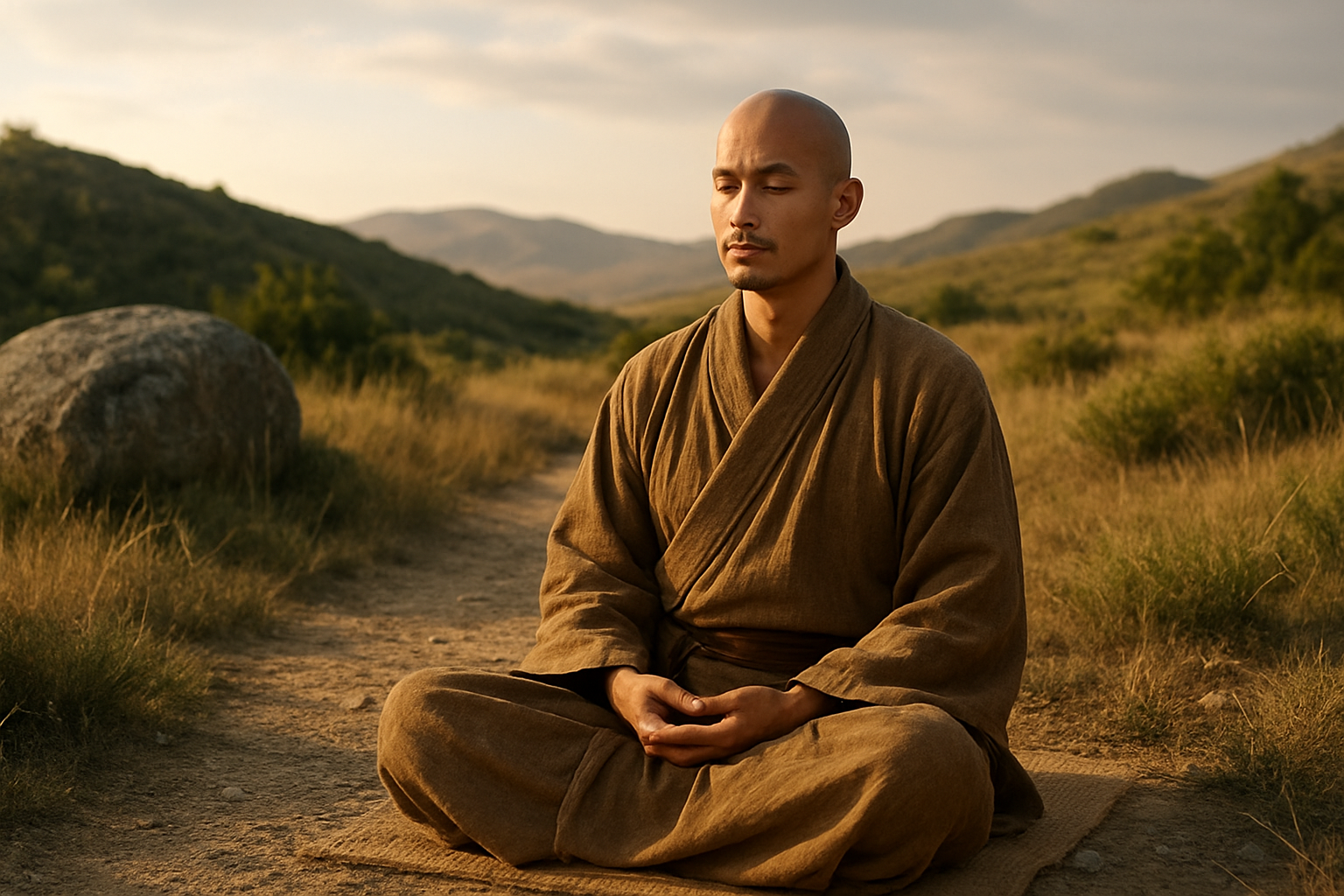
Zen Nomadism: Embracing the Art of Simple Living and Traveling
In a world that often feels restless and overwhelming, the concept of Zen Nomadism emerges as a refreshing antidote. By blending elements of Zen philosophy with the wanderlust spirit of nomadism, this lifestyle encourages a harmonious and intentional approach to living and traveling. At its core, Zen Nomadism is about simplifying one’s life, finding peace in the present moment, and embracing the joys of exploration while practicing mindfulness.
The Essence of Zen Nomadism
Zen Nomadism is rooted in the ancient practices of Zen Buddhism, which emphasize simplicity, mindfulness, and presence. The nomadic aspect adds the dimension of continual movement, exploration, and adaptation. Together, these elements forge a path toward a life that values experiences over material possessions.
“Zen is not some kind of excitement, but concentration on our usual everyday routine.” – Shunryu Suzuki
- Simplicity: Zen Nomads prioritize reducing clutter, both physical and mental, focusing instead on what truly matters.
- Mindfulness: Practicing awareness of the present moment allows nomads to fully experience their journeys and the people they encounter.
- Adaptability: The ever-changing nature of a nomadic lifestyle requires flexibility and resilience.
Benefits of Adopting a Zen Nomadic Lifestyle
There are several compelling reasons why individuals might choose to embrace Zen Nomadism:
- Freedom and Flexibility: Without the constraints of a permanent home and a rigid schedule, Zen Nomads can travel wherever they choose, often leading to experiences they might not have had otherwise.
- Mindfulness and Presence: By practicing mindfulness, individuals learn to immerse themselves in each moment, savoring experiences rather than getting caught up in a perpetual chase for more.
- Environmental Consciousness: The simplicity inherent in Zen Nomadism usually translates to a lower carbon footprint, as individuals often use fewer resources and produce less waste.
- Deep Connections: With fewer distractions, there is more space for connecting with others, fostering deep and meaningful relationships with people from various backgrounds.
Challenges and Considerations
While Zen Nomadism is appealing in many ways, it also presents unique challenges. It requires an openness to uncertainty and an ability to navigate the complexities of travel logistics, language barriers, and cultural differences.
“The traveler sees what he sees. The tourist sees what he has come to see.” – G.K. Chesterton
Furthermore, the lack of a fixed address can complicate matters such as receiving mail, maintaining personal relationships, and managing finances. It is essential for those embarking on this path to have a plan for how they will address these challenges.
Practical Steps to Embark on a Zen Nomadic Journey
- Declutter Your Life: Start by minimizing material possessions, keeping only what is essential to your journey and wellbeing.
- Cultivate Mindfulness: Incorporate daily practices of meditation and mindfulness to stay grounded.
- Research and Plan: Equip yourself with knowledge about potential destinations, including aspects of culture, language, and local customs.
- Embrace Simplicity: Opt for a simpler lifestyle that prioritizes experiences and connections over material wealth.
- Stay Open: Foster an attitude of openness and curiosity, allowing each new experience to inform and enrich your journey.
A Personal Journey: A Zen Nomad’s Story
Consider the story of Emily Adams, a former corporate executive who left her fast-paced job to pursue a life of Zen Nomadism. Emily recounts her transformation:
“I realized I had spent years accumulating things and chasing achievements that brought only fleeting satisfaction. It was when I started letting go of my possessions and embracing the unknown that I truly found peace and fulfillment.”
Emily’s journey took her to diverse destinations where she explored local communities, participated in meditation retreats, and volunteered for environmental projects. Through her travels, she achieved a profound understanding of the interconnectedness of life and the importance of being present.
Conclusion: The Way Forward
Zen Nomadism is not for everyone, but for those who feel called to it, it offers a deeply fulfilling and enriching way of life. Whether you decide to fully embrace this path or simply incorporate elements into your existing lifestyle, the teachings of Zen Nomadism—emphasizing simplicity, mindfulness, and presence—can serve as guiding principles to cultivate a more meaningful and connected life.
For more insights into the journey of living simply, consider visiting resources like The Minimalists or exploring the teachings of Zen masters such as Thich Nhat Hanh.
In the essence of Zen, may your journey be one of peace, discovery, and profound understanding.