Tag: wounded

  • Healing the King – The myth of the “Wounded Healer” in therapy.

    Healing the King – The myth of the “Wounded Healer” in therapy.


    Healing the King – The myth of the “Wounded Healer” in therapy

    Healing the King – The myth of the “Wounded Healer” in therapy

    In the realm of psychotherapy, a profound and ancient archetype emerges: the ‘Wounded Healer.’ This concept, deeply rooted in mythology, finds its modern application as a guiding principle for therapists and healers worldwide.

    There is no doctor who cures without being healed by the patient first.” – Plato (427-347 BC)

    • The Wounded Healer: The concept of the wounded healer can be traced back to the Greek myth of Asclepius, the god of medicine and healing. Asclepius himself was said to have been healed by the serpent Chrysaor, who bit him after his mother, Coronis, died in childbirth.
    • Modern Application: In contemporary psychotherapy, the wounded healer represents a therapist who has experienced significant emotional pain and has used their own healing process to empathize with and help others overcome their personal struggles. The therapist’s lived experience provides a unique understanding that fosters trust and promotes healing.
    • The Healing Process: The wounded healer emphasizes the importance of self-awareness, self-care, and ongoing professional development for therapists. This approach ensures that they remain attuned to their clients’ emotional states while maintaining their own well-being.

    Embracing the wounded healer archetype, psychotherapists are able to foster a powerful connection with those seeking healing, ultimately helping to mend both themselves and others.


  • Metaphor as Medicine – How stories heal the wounded psyche.

    Metaphor as Medicine – How stories heal the wounded psyche.


    Metaphor as Medicine – How stories heal the wounded psyche

    Metaphor as Medicine – How stories heal the wounded psyche

    Delving into the heart of ancient wisdom and modern psychology, we find a powerful bond between metaphorical storytelling and psychological healing. This article will explore the transformative capacity of narratives that serve as a balm for our troubled minds, providing insight into the timeless connection between stories and our well-being.

    “Stories are a primal means by which we attempt to understand the world around us, a tool wielded since time immemorial.”
    – Unknown

    The healing power of mythology

    In the annals of human history, tales of gods and heroes have served as a conduit for understanding the complexities of life. These ancient stories, filled with metaphorical language, have provided solace, guidance, and inspiration to countless individuals throughout the ages. From the Greeks’ Hercules and Odysseus to the Egyptians’ Osiris and Isis, these timeless narratives continue to resonate deeply within us, offering comfort and healing for our wounded psyches.

    Modern psychology recognizes the power of metaphor

    In contemporary psychology, the power of metaphors has been recognized as a crucial tool in therapeutic practice. Carl Jung, the Swiss psychiatrist and founder of analytical psychology, believed that dreams were “the royal road to the unconscious” and saw them as a treasure trove of symbolic material ripe for interpretation. He understood the importance of stories in uncovering and healing our deepest emotional wounds.

    “The psyche is like an underground river. The dream is a drip from that waterfall. Metaphors are pebbles caught in the current.”
    – Carl Jung

    Narrative therapy: using stories to heal

    Michael White, an Australian social worker and co-founder of narrative therapy, developed a unique approach to healing based on the power of storytelling. He believed that by helping individuals reauthor their lives through new stories, they could break free from the confines of limiting narratives and embrace a more empowered and fulfilling identity.

    “The primary thing any person wants is to be heard and understood.”
    – Michael White

    Stories as a bridge to self-discovery

    Through the exploration of our personal stories, we can uncover hidden truths about ourselves and gain insight into the root causes of our suffering. By reinterpreting these narratives through the lens of metaphor, we can reshape them into vehicles for healing and transformation. In this way, stories serve as a powerful bridge to self-discovery and emotional wellness.

    “We don’t see things as they are; we see them as we are.”
    – Anaïs Nin

    Conclusion: The eternal bond between stories and healing

    As we continue to navigate the complexities of our modern world, the ancient art of storytelling remains a beacon of hope and healing. By embracing the power of metaphorical narratives, we can uncover hidden truths about ourselves, find solace in the stories of those who have come before us, and forge a path toward emotional wellness and self-discovery.

    “We need the tonic of wildness…At the same time that we are earnest to explore and learn all things, we require that all things be mysterious and unexplorable, that land and sea be infinitely wild, unsurveyed and unfathomed.”
    – Henry David Thoreau
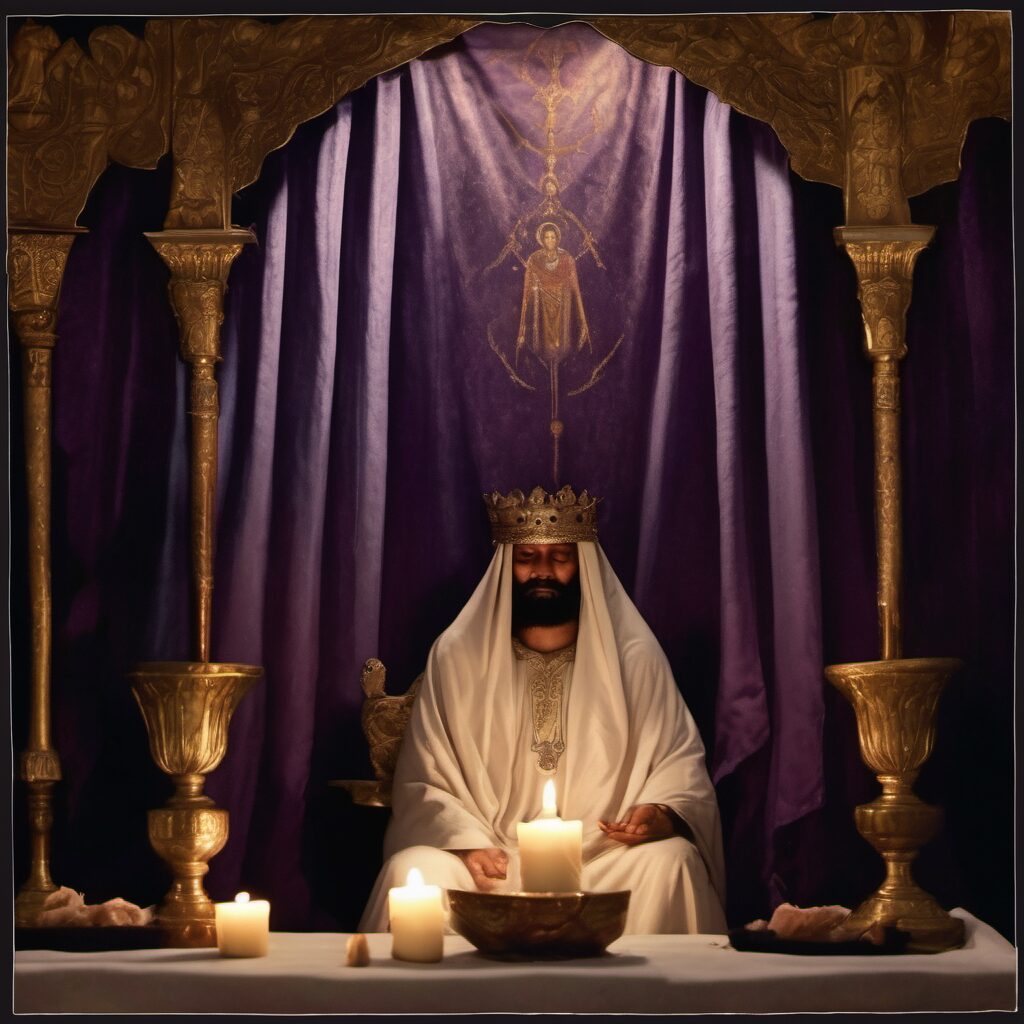
  • Hephaestus: The Wounded Creator and the Sacredness of Craft

    Hephaestus: The Wounded Creator and the Sacredness of Craft


    Hephaestus: The Wounded Creator and the Sacredness of Craft

    Hephaestus: The Wounded Creator and the Sacredness of Craft

    “Hephaestus, the Greek god of fire, metalworking, and craftsmen, is a fascinating figure in mythology. His tale is one of resilience, creativity, and the profound connection between injury and artistic endeavor.”

    Born from the union of Hera and Zeus, Hephaestus was initially rejected by his mother due to his physical deformity. This event not only marked him as an outcast but also set the stage for a unique perspective on creativity and craftsmanship.

    The Wounded God of Craft

    • Hephaestus’ physical deformity, often depicted as lame or having a limp, is a testament to the idea that even in pain and imperfection, one can create art.
    • As Hesiod writes in his “Theogony,” “Hephaestus was by nature the least strong among the gods who dwell on Olympus; but crafty beyond all the gods who were beneath the earth or who toiled upon the dark sea.”

    The Sacredness of Craft

    Despite his physical challenges, Hephaestus was revered for his unparalleled skills in craftsmanship. He was responsible for creating various iconic items in Greek mythology, such as the armor of Achilles and the marriage bed of Peleus and Thetis.

    “The art of Hephaestus is not just a skill, but a divine gift that brings beauty and utility into the world.” – Encyclopedia Britannica

    The story of Hephaestus serves as a reminder that creativity and craftsmanship are not exclusive to physical perfection but can thrive even in the face of adversity. His myth continues to inspire artists, craftsmen, and scholars alike, demonstrating the transcendent power of art.