Tag: work

  • Burnout Beyond Work: When Life Itself Feels Heavy

    Burnout Beyond Work: When Life Itself Feels Heavy


    Burnout Beyond Work: When Life Itself Feels Heavy


    Burnout Beyond Work: When Life Itself Feels Heavy

    In today’s fast-paced world, burnout is becoming increasingly common. While it is often associated with work-related stress, burnout can also manifest in various aspects of life.

    Understanding Burnout Beyond Work

    “Burnout refers to a state of emotional, physical, and mental exhaustion caused by excessive and prolonged stress. It occurs when you feel overwhelmed, emotionally drained, and unable to meet constant demands.”
    – World Health Organization

    Recognizing the Symptoms

    • Feelings of chronic fatigue and lack of energy
    • Increased mental distance from one’s job or activities
    • Reduced efficiency and productivity
    • Feelings of cynicism or negativity towards work or life in general

    Addressing Burnout Beyond Work

    “The antidote to burnout is not self-care, it’s human connection.”
    – Brené Brown, Research Professor at the University of Houston

    Building strong relationships, seeking support from loved ones, and engaging in activities that bring joy and fulfillment can help combat burnout.

    Preventing Burnout Beyond Work

    • Setting boundaries between work and personal life
    • Prioritizing self-care and wellness
    • Maintaining a positive mindset and finding meaning in daily activities


  • The Ambient Canvas: Art Designed for Contemplation

    The Ambient Canvas: Art Designed for Contemplation

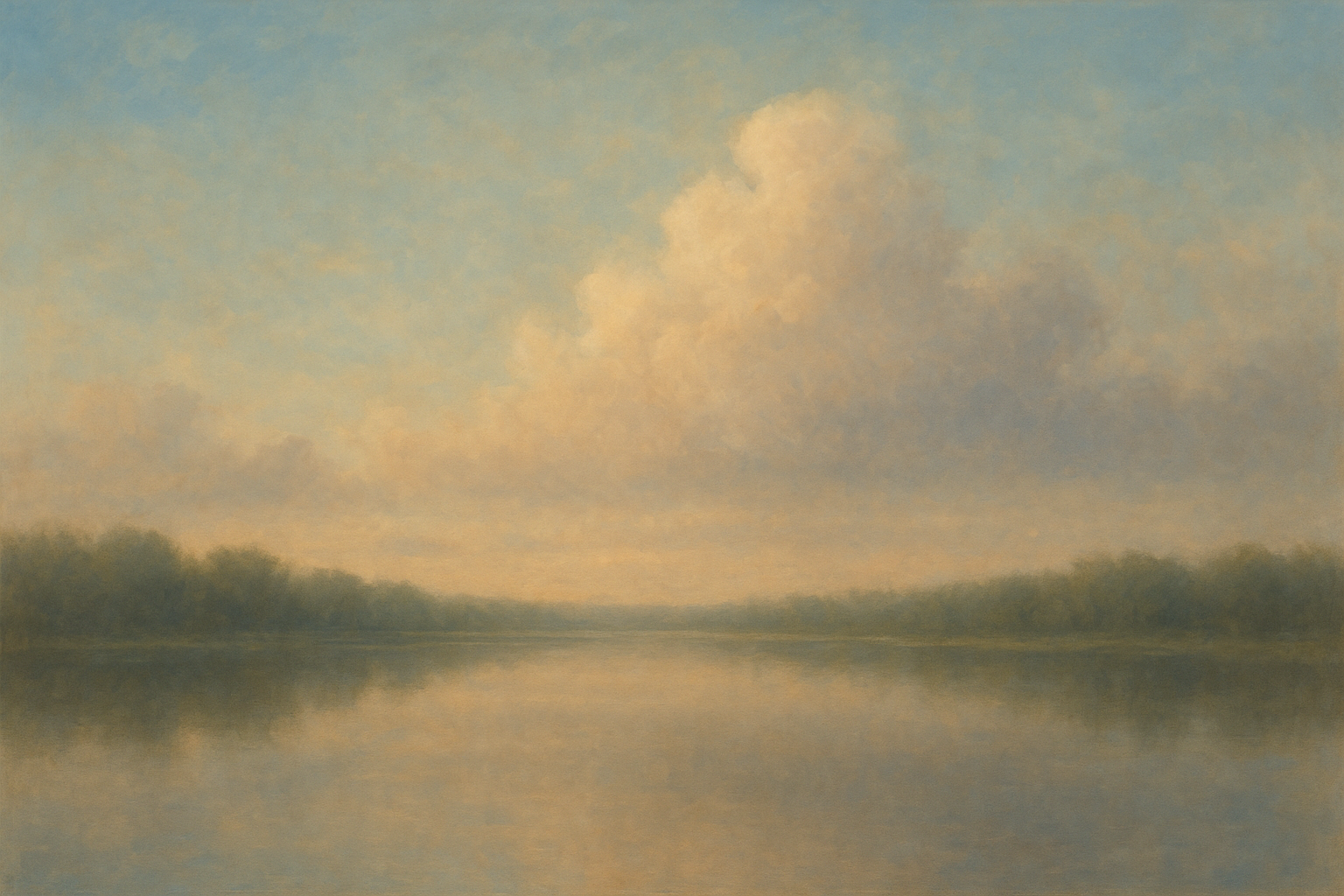
    In the whirl of today’s fast-paced world, ambient art is emerging as a haven of tranquility, inviting viewers to slow down and engage in mindful observation. This genre of art is designed not just for visual consumption but for introspective contemplation, encouraging a deeper connection between the observer and the universe.

    A New Dimension of Perception

    Ambient art blends elements of nature, light, sound, and space to create experiences that soothe and inspire. It is less about bold statements and more about the subtle interplay of elements that evoke emotion and thought.

    “Ambient art seeks to create an atmosphere, an environment where one can meditate and reflect,” says art critic James Parker in an interview with The Atlantic. “It’s like a gentle whisper amid the clamor of everyday life.”

    Artists Leading the Movement

    • Olafur Eliasson: Known for his installations that challenge perceptions of nature and reality, Eliasson’s work often uses ephemeral elements like light and water. His Weather Project at the Tate Modern is a prime example of art that engulfs the viewer in a new atmospheric reality.
    • James Turrell: Turrell’s work focuses on light and space, creating environments where viewers can lose themselves in the contemplation of color and form. His Skyspaces installations, for example, provoke a deep meditative state through their simplicity and elegance.
    • Yayoi Kusama: Famous for her infinite mirror rooms, Kusama creates immersive spaces where the boundaries between the self and the work blur, encouraging introspection and engagement with the infinite.

    The Impact on Mental Wellbeing

    Ambient art offers not only aesthetic pleasure but also therapeutic benefits. The study of “slow art” shows it can help reduce stress and promote mindfulness. According to a report in Psychology Today, “Engaging with art in a meaningful way can lead to a state similar to meditation, reducing anxiety and promoting a sense of wellbeing.”

    An Invitation to Pause

    In a society that values speed and immediate results, ambient art stands out as a gentle reminder of the beauty in taking a moment to pause, reflect, and simply be. It does not demand comprehension or critique; instead, it offers an open invitation for personal exploration and discovery. As art continues to evolve, ambient art proves the enduring power of stillness in the cacophony of modern life.

  • Digital Nomads, Spiritual Roots

    Digital Nomads, Spiritual Roots

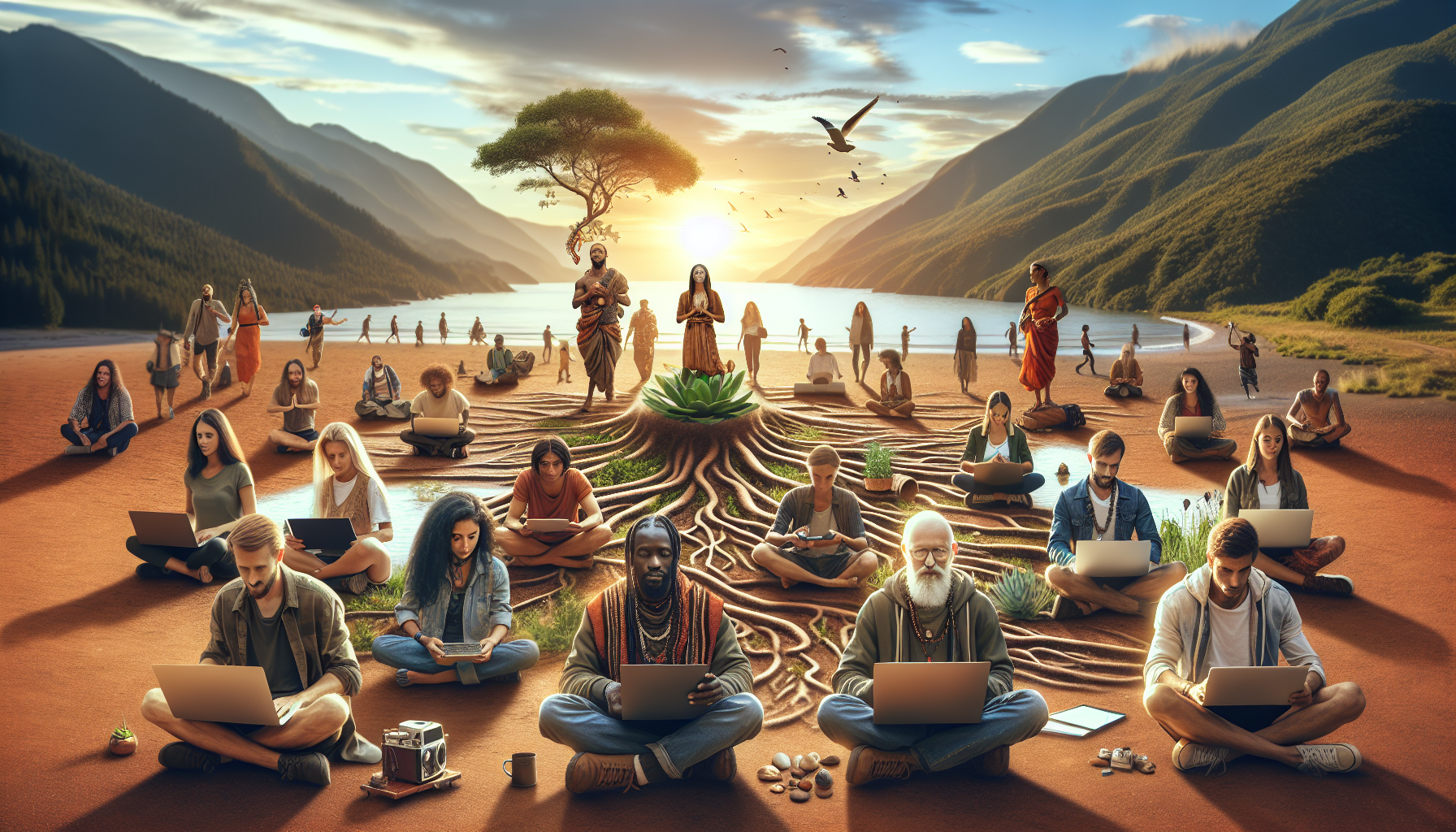
    In recent years, the term digital nomad has become synonymous with a lifestyle that blends work and travel, allowing individuals to earn a living while exploring the world. However, beyond the surface allure of exotic locations and flexible schedules lies a deeper connection to age-old spiritual practices.

    The Rise of the Digital Nomad

    The digital nomad lifestyle has been facilitated by advancements in technology and a shift towards remote work. According to a 2020 study by MBO Partners, there were approximately 10.9 million digital nomads in the United States alone, a figure that has been steadily rising.

    “The freedom to work from anywhere has given people the opportunity to reassess their work-life balance and align their lifestyles with personal values,” says Sarah Harvey, author of Kaizen: The Japanese Method for Transforming Habits, One Small Step at a Time.

    Seeking Spiritual Connection

    Many digital nomads are increasingly seeking out environments that offer more than just a picturesque landscape. They are drawn to destinations known for their spiritual significance, such as Bali, Thailand, and India, where the promise of both inner and outer exploration beckons.

    • Bali: Often referred to as the “Island of the Gods,” Bali is known for its vibrant Hindu culture and is a popular destination for yoga retreats and meditation.
    • Thailand: With its rich Buddhist heritage, Thailand offers numerous temples and meditation centers that attract those seeking spiritual growth.
    • India: As the birthplace of yoga and a land of diverse spiritual traditions, India remains a pivotal destination for those on a path of self-discovery.

    A Harmonious Lifestyle

    For digital nomads, the integration of work and spirituality can lead to a more fulfilling life. By embracing practices such as mindfulness, yoga, and meditation, they find ways to navigate the challenges of remote work while maintaining mental and emotional well-being.

    Dr. Emma Seppälä, a psychologist at Stanford University, notes in her book The Happiness Track,

    “Mindfulness and meditation can increase your focus and creativity, helping you perform better under pressure.”

    Conclusion

    As the world becomes increasingly interconnected, the digital nomad lifestyle continues to evolve, offering a unique blend of modern work flexibility and ancient spiritual practices. For those embarking on this journey, the quest is not only for professional success but also for personal enrichment and a deeper understanding of the self.