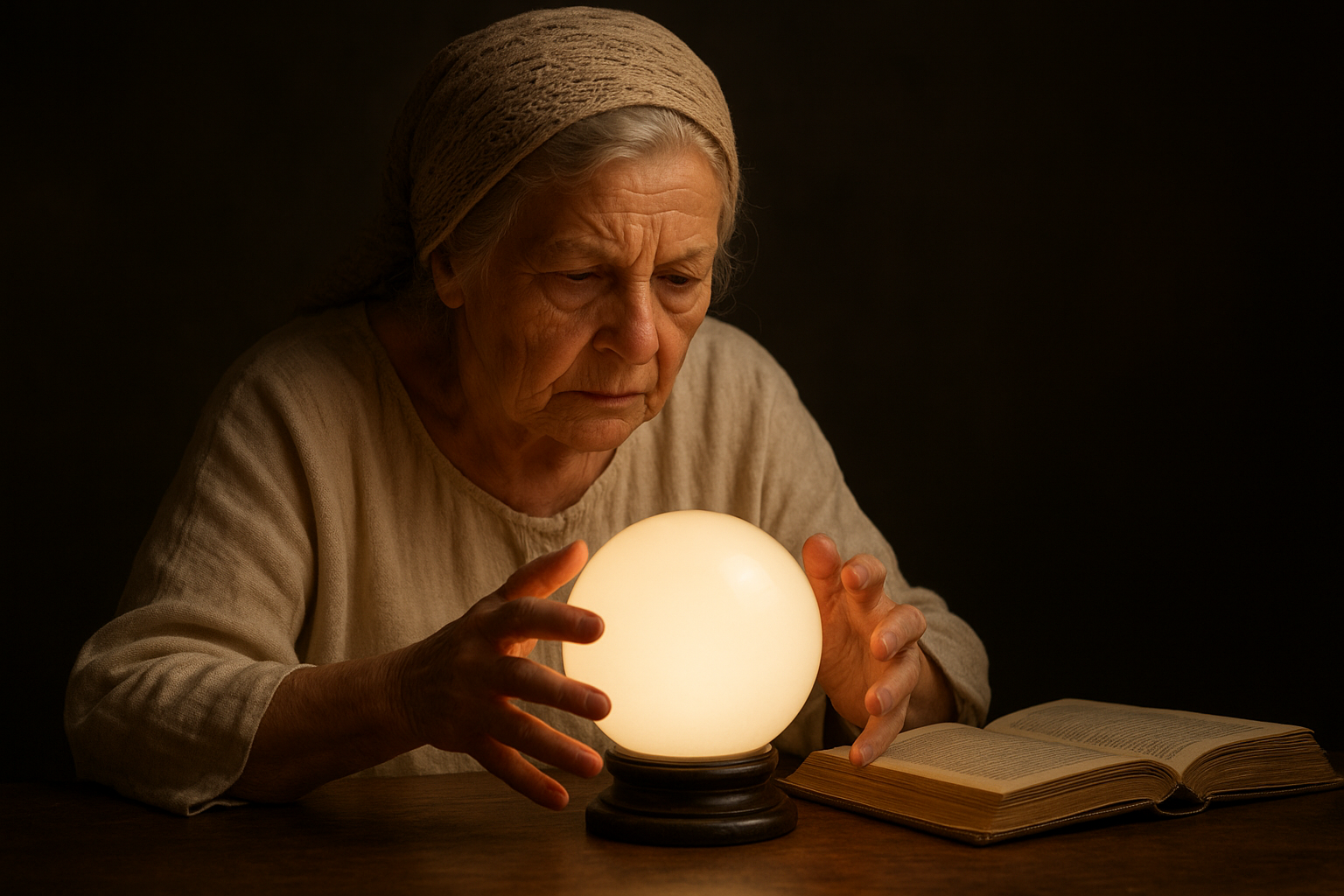
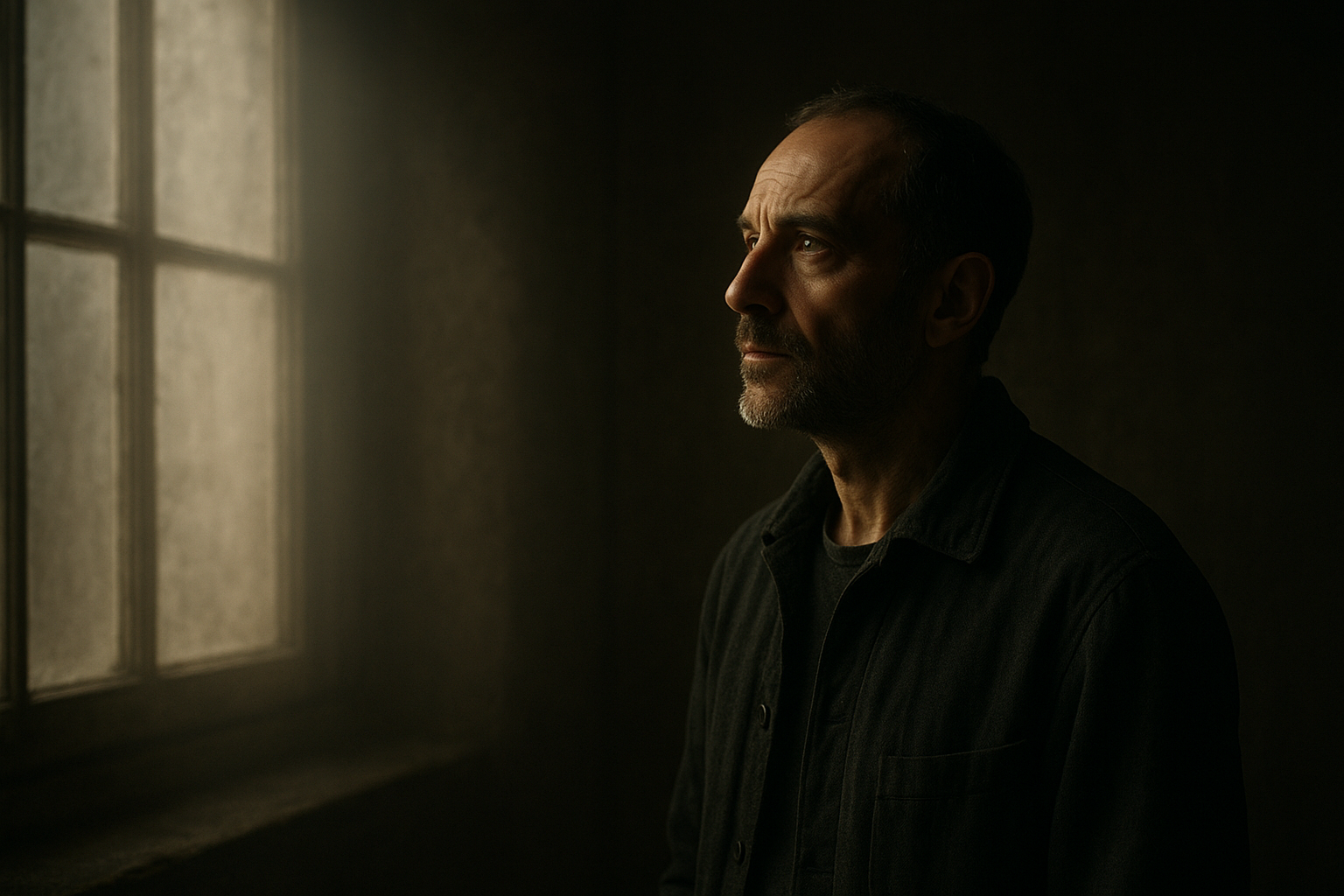
Photography, since its inception in the early 19th century, has been more than a mere technological innovation. It has served as a profound medium for existential inquiry—a vehicle which allows humanity to ponder purpose, identity, and the passage of time. This article delves into the relationship between photography and existentialism, exploring how the act of capturing light reflects our deeper quest for meaning.
The Origin of Photography’s Philosophical Underpinnings
When Joseph Nicéphore Niépce first captured a permanent image in 1826 using a camera obscura and a pewter plate coated with bitumen, he likely did not foresee the philosophical implications his invention would herald. Photography introduced a new way of seeing, providing a seemingly objective reality fixed on film or glass plates. This shift inspired both wonder and contemplation. As French painter and early photographer Louis Daguerre remarked, the camera offered “a miraculous occurrence, a testimony of the visible in our absence.”
The Camera’s Role as an Existential Tool
In the hands of an artist or a thinker, a camera becomes much more than a tool for visual documentation. It transforms into an interrogator, asking profound questions about our existence. Existentialists, who emphasize the role of individual experience in the search for truth, find in photography an ally. As photographer and philosopher Susan Sontag noted in her seminal work, On Photography, “Photographs furnish evidence. Something we hear about, but doubt, seems proven when we’re shown a photograph of it. In one of its aspects, the photograph is thus a mildly totalitarian version of reality, an attempt to understand and control it.”
Capturing the Fleeting Moment
One of photography’s most existential qualities is its ability to capture a fleeting moment, preserving it forever. Yet, this preservation paradoxically highlights the impermanence of life. The photograph becomes a symbol of the inevitability of time’s passage. French photographer Henri Cartier-Bresson’s concept of the “decisive moment” suggests that amidst the chaos of life, there exists a fraction of time that holds the essence of its subject, rich with emotion and meaning.
“To photograph: it is to put on the same line of sight the head, the eye and the heart.”
Exploring Identity Through the Lens
Photography also serves as an inquiry into identity, both personal and collective. Portraiture, in particular, invites questions about the self and the gaze, as famously explored by photographer Cindy Sherman. Sherman’s self-portraits challenge viewers by depicting a mutable identity, thus questioning the nature of self-perception. In doing so, she illustrates photographer Roland Barthes’ thinking in Camera Lucida, where he claimed every photograph contains three elements—what the photographer intended, what the subject experienced, and what the viewer perceives.
“I wanted to create something that acts like a mirror—the viewer gets back only what they put into it.”
The Intersection of Reality and Creation
At its core, photography juxtaposes reality and creation, bridging the gap between what is seen and what is perceived. Like existentialism, which often questions the objective nature of reality, photography challenges perceptions through its subjective lens. Each photograph is shaped by the artist and their choices of framing, lighting, and content. Renowned photographer Ansel Adams viewed the photographic process not as the capture of reality but as an expressive interpretation. According to Adams, “You don’t take a photograph, you make it.”
Photography and Mortality
Perhaps the most profound existential aspect of photography is its confrontation with mortality. As Sontag wrote, “All photographs are memento mori. To take a photograph is to participate in another person’s (or thing’s) mortality, vulnerability, mutability.” By freezing time, photographs serve as reminders of life’s temporality and fragility.
The late American photographer Robert Mapplethorpe often addressed themes of mortality and sexuality in his work. His black-and-white portraits starkly highlight life’s beauty and its fragility, emphasizing the transient nature of existence. To engage with Mapplethorpe’s work is to engage in a meditation on life and death.
Conclusion: A Continuous Dialogue
Photography, in its essence, is a deeply philosophical art form. It engages both creators and viewers in a dialogue about existence, perception, and time. As technology evolves and photography becomes even more democratized, its role as an instrument for existential inquiry only grows. Cameras are no longer just mechanical devices but integral parts of our personal exploration and human expression.
As contemporary photographers continue to push boundaries and philosophies, the world looks on, both as witness and participant in the intricate dance between light and life, seeking meaning through each captured image, each flash of light.
In essence, photography, much like life itself, is about capturing the transient moments that define us. Each click of the shutter invites us to pause, reflect, and understand our place in the ever-evolving tapestry of existence.