Tag: wandering

  • Wandering Without Shadow – Dissolving the Self in Nature

    Wandering Without Shadow – Dissolving the Self in Nature

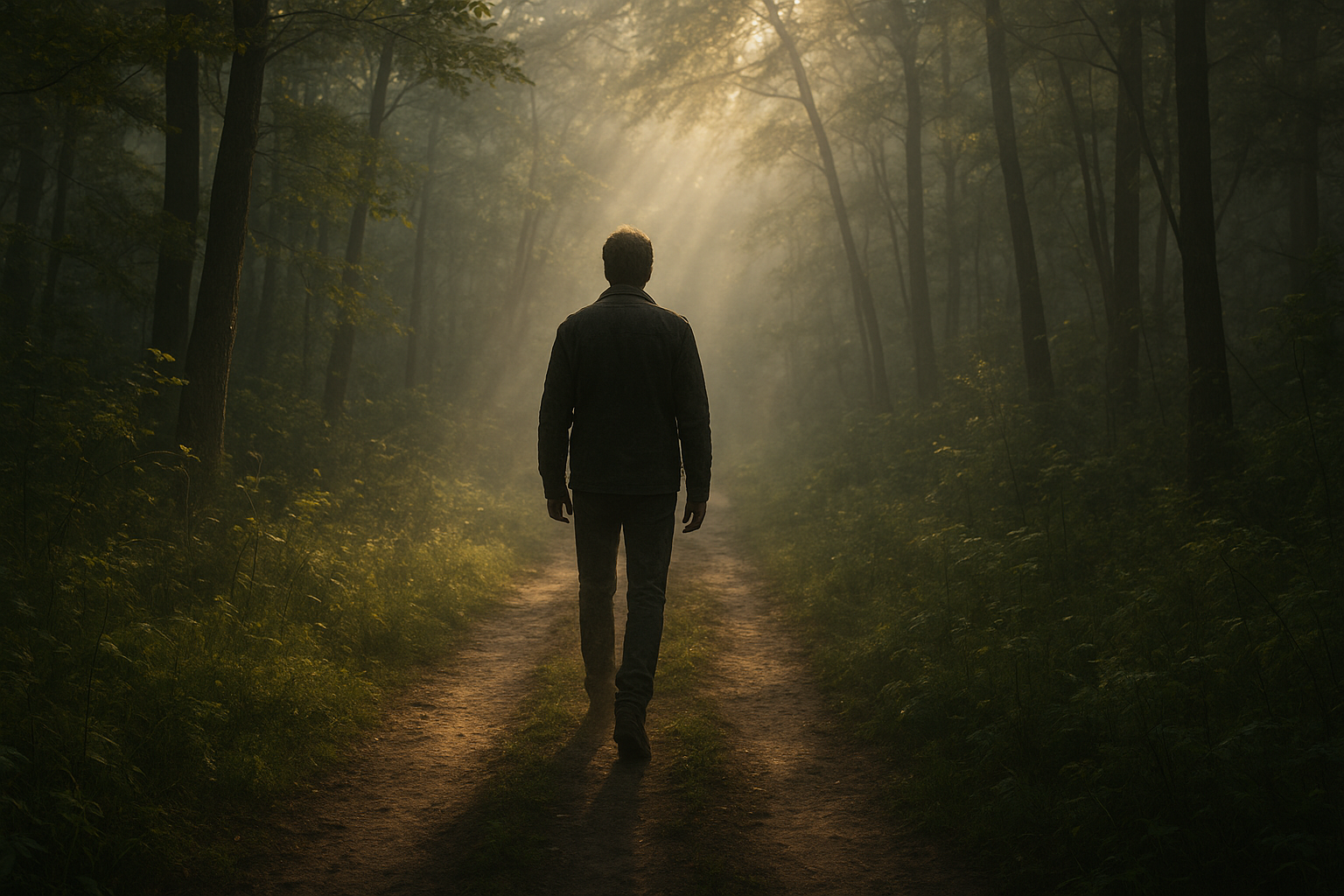
    In the dance between earth and sky, where the soul finds solace in its most unadulterated form, there lies a path laden with serenity and renewal. The practice of wandering without shadow, an ancient pursuit of dissolving the self into the essence of nature, invites us to shed the burdens of individuality and embrace unity with the universe. This journey is not one of isolation, but of profound connection.

    The Concept of Dissolution

    The idea of losing oneself in nature is not new. It finds resonance in many spiritual and philosophical traditions. The Daoist sage Lao Tzu revered the simplicity and profundity of nature, asserting that we can find tranquility by aligning with its eternal rhythms. “Nature does not hurry, yet everything is accomplished,” he said, capturing the essence of silent wisdom found in the natural world (source).

    Embarking on the Journey

    Embracing nature as a means to dissolve the ego involves several practices:

    • Mindful Walking: As Thoreau once mused, “An early-morning walk is a blessing for the whole day.” Walking mindfully invites us to experience each step with acute awareness, to feel the earth beneath our feet, and to breathe in harmony with our surroundings.
    • Silent Reflection: Spending time in silence amidst nature allows us to listen to the symphony of the wild—the rustling leaves, the chirping birds, and the whispering winds.
    • Grounding Practices: Simple techniques such as barefoot walking or lying on grass can create a conductive bond with the earth, enhancing our energetic connection and providing a sense of rootedness.

    The Transformational Impact

    When we surrender our individual selves and merge with the boundless beauty of nature, we embark on a transformative journey. This dissolution fosters a sense of peace and belonging, reminding us of our integral role in the cosmic tapestry.

    “In every walk with nature one receives far more than he seeks.”

    Ultimately, wandering without shadow is an invitation to transcend the confines of self-imposed limitations and to immerse oneself in the infinite mystery and majesty of the natural world. As we fade into the tranquility of the wilderness, we discover that we are, indeed, both the seeker and the destination.
  • Wandering Sage – The Art of Traveling Without Thought

    Wandering Sage – The Art of Traveling Without Thought

    Wandering Sage: The Art of Traveling Without Thought

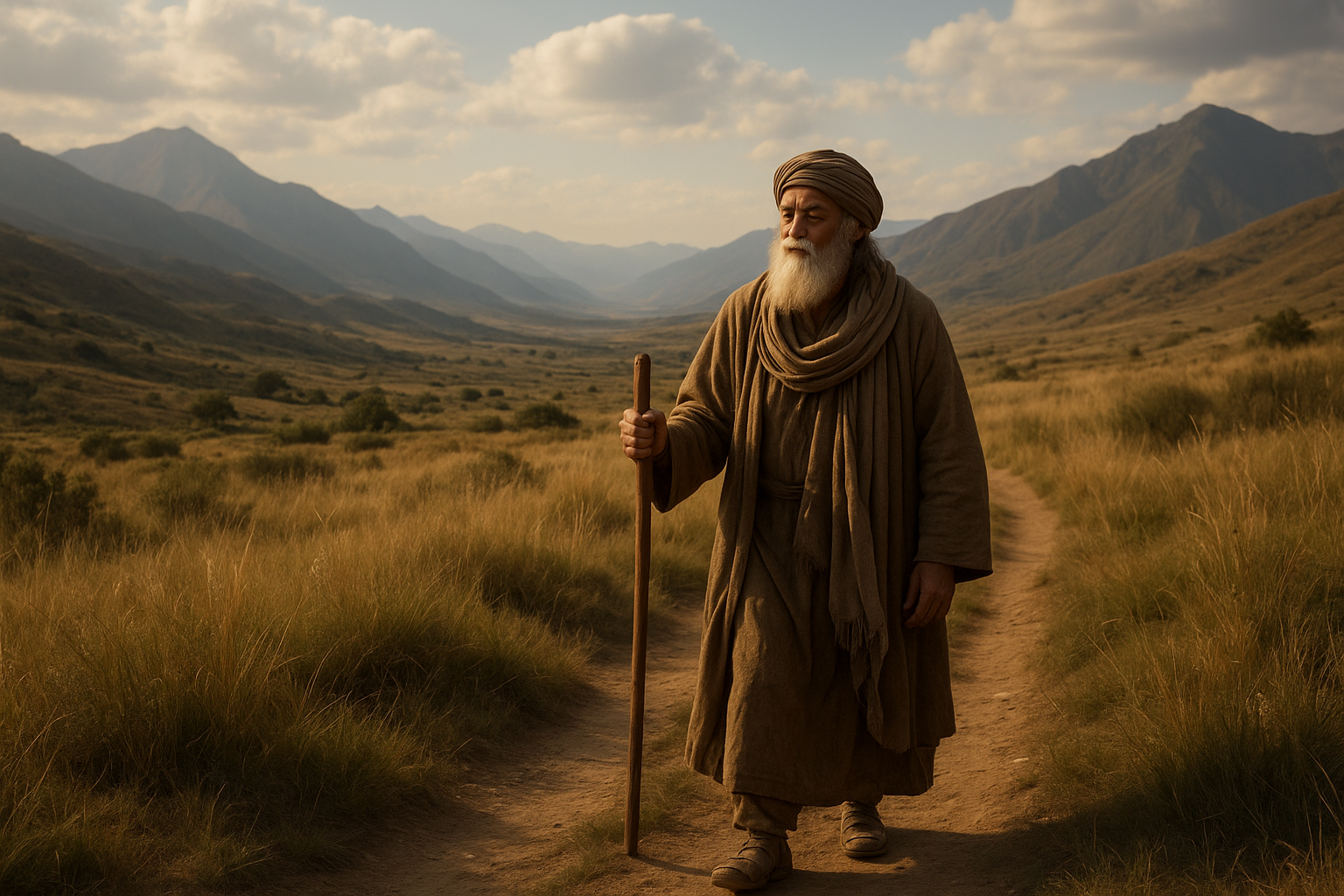
    Traveling without a rigid itinerary can be one of the most liberating experiences. This style of travel, often referred to as “The Art of Wandering,” allows adventurers to embrace spontaneity and cultivate a deeper connection with their surroundings. Much like the wandering sages of myth and history, this approach to travel encourages discovery, mindfulness, and personal growth.

    “Not all those who wander are lost.” —J. R. R. Tolkien

    The Essence of Wandering

    The art of wandering is not aimless drifting; rather, it is purposeful rambling without the constraints of a schedule. Travelers who embrace this style emphasize the journey over the destination. According to Psychology Today, wandering stimulates creativity, relieves stress, and enhances emotional well-being. The lack of a defined goal allows travelers to engage fully with the present moment.

    The Mythical Wanderers

    Throughout history and mythology, many figures have embodied the wandering sage archetype. These characters often embark on journeys that are transformative, both for themselves and the world around them.

    • Odysseus: The hero of Homer’s “Odyssey” undertakes a long and circuitous journey home. While his travels are fraught with challenges, they ultimately lead to profound personal insights.
    • Siddhartha Gautama: Before becoming the Buddha, Siddhartha wandered for years, seeking enlightenment. His journey is a quintessential example of travel as a path to self-discovery.
    • Cáin: In Irish mythology, Cáin is a nomadic musician who wanders the land, spreading wisdom and bridging human and fairy worlds.

    The Modern-Day Wanderer

    In contemporary society, the travel bug acts as the modern equivalent of the mythical journey. However, with the advent of technology and abundant travel resources, the impulse to pre-plan every aspect can be overwhelming. To truly embrace the wandering sage mindset, one must find a balance between preparation and spontaneity.

    Tips for Embracing the Wanderer’s Path

    • Travel Light: A sage travels unburdened. Packing light not only makes moving easier but also symbolizes the freedom from material constraints.
    • Stay Open: Be open to experiences without preconceived notions. Allow local culture, people, and landscapes to guide you.
    • Embrace Uncertainty: Planning every detail can stifle discovery. Find joy in the unknown and let chance determine your itinerary.
    • Reflect Daily: Spend time each day journaling or meditating. Reflect on your experiences, insights gained, and how they might inform your ongoing journey.

    Real-Life Stories of Wandering

    Modern-day wanderers often share tales that inspire others and demonstrate the profound impact of this style of travel.

    “I left without a plan and discovered more than I ever imagined, stumbling upon hidden cafes, meeting locals who became lifelong friends, and finding beauty in the unexpected. The journey was the destination.” —Anonymous Travel Blogger

    These stories underscore the idea that true wanderers embrace each moment, finding nourishment for their souls in the simplicity of the journey itself. For those who seek to understand the deeper truths of life, traveling without thought becomes both a personal evolution and a profound learning opportunity.

    Conclusion

    The art of wandering invites both novice and seasoned travelers to let go of expectations and rediscover the joy of travel in its purest form. Channeling the wisdom of sages, this approach reminds us that the unknown can be our greatest teacher. By relinquishing control, we open ourselves to the vast tapestry of experiences the world offers.

    So, the next time you pack your bags, remember the words of Lao Tzu: “A good traveler has no fixed plans and is not intent on arriving.” Embrace the journey, for the art of traveling without thought might just lead you to your own path of wisdom.

  • Still Waters, Wandering Souls

    Still Waters, Wandering Souls

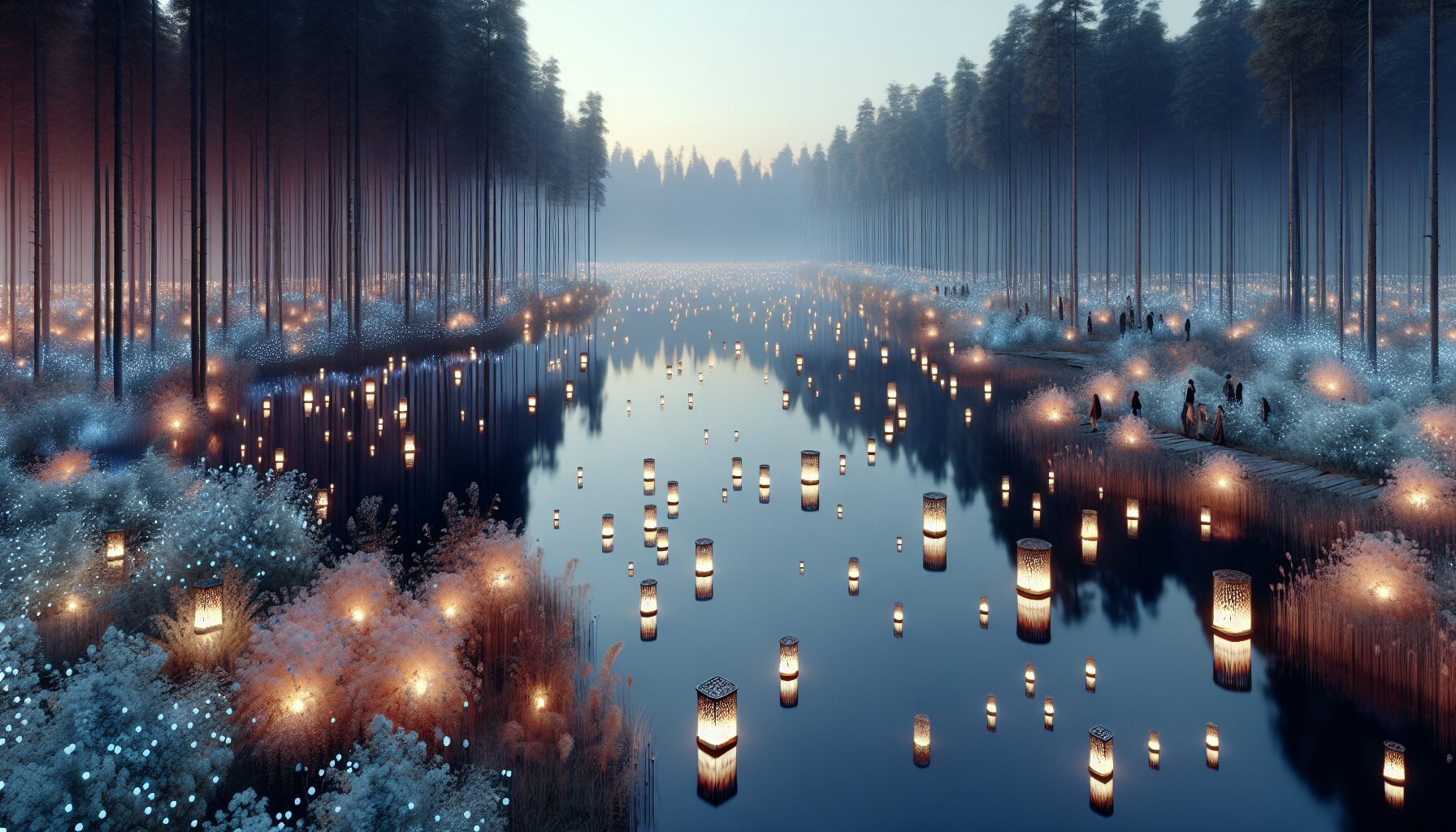
    There is a profound connection between the tranquility of still waters and the restless yearnings of wandering souls. This relationship has been celebrated through art, literature, and music, serving as a poignant metaphor for introspection and the search for meaning.

    The Power of Water

    Throughout history, water has symbolized various aspects of human existence. Its calm surface often represents serenity and clarity, while beneath lies a world of unknown depth and mystery. This duality speaks to the human condition—where we strive for peace yet harbor countless questions and desires within.

    “Water is the driving force of all nature.” — Leonardo da Vinci

    This renowned quote by da Vinci captures water’s essential role in both the natural and spiritual realms. Just as water sustains life, its presence in art and culture sustains the human spirit, offering solace and inspiration to those seeking it.

    The Call of the Unknown

    The concept of “wandering souls” taps into the universal urge for exploration, whether outwardly across the world or inwardly into the recesses of one’s mind. Many cultures depict wandering as a noble pursuit, an opportunity to learn and grow.

    • In literature: The theme is prevalent in works like Hermann Hesse’s Siddhartha, where the protagonist’s spiritual journey reflects the search for inner peace.
    • In music: Folk and blues legends often portray characters who wander not just physically but emotionally, in search of redemption or understanding.
    • In philosophy: Existentialism deals heavily with the theme of wandering through life in search of meaning.

    The Intersection of Water and Wandering

    The juxtaposition of still waters and wandering souls also serves as a metaphor for balance. Just as a serene lake reflects the sky, a well-traveled soul reflects the experiences that have shaped it. It invites us to pause, reflect, and dare to journey into the unknown.

    Today, in a world that often feels chaotic and fast-paced, the imagery of still waters provides a refuge for the wandering mind. It reminds us to seek moments of calm and introspection amid our quests for meaning and connection.

    Ultimately, both the stillness of water and the journey of the soul teach us to embrace uncertainty and find strength in stillness. As we navigate life’s vast oceans, may we remember the words of poet Rainer Maria Rilke:

    “The only journey is the one within.”