Tag: viewers

  • The Silent Conversation: The Relationship Between Viewer and Art

    The Silent Conversation: The Relationship Between Viewer and Art

    The enduring connection between viewer and art is a silent conversation, a dialogue without words that transcends time and space. This relationship is not merely an emotional journey but a transformative experience that offers profound insights into the human condition. As Vincent van Gogh aptly stated, “I am seeking, I am striving, I am in it with all my heart.” This sentiment encapsulates the immersive experience that art invites a viewer into—a search for meaning, beauty, and truth.

    The Historical Context

    Since the dawn of civilization, art has been a medium for expressing human experiences and emotions. From the cave paintings of Lascaux to the grandeur of the Renaissance, art has served both as personal reflection and societal commentary. Each piece, a mirror, reflects the time and culture from which it springs, yet it also reaches forward to speak to future generations. The Metropolitan Museum of Art describes this journey through history as a continuous narrative that connects humanity.

    The Viewer’s Role

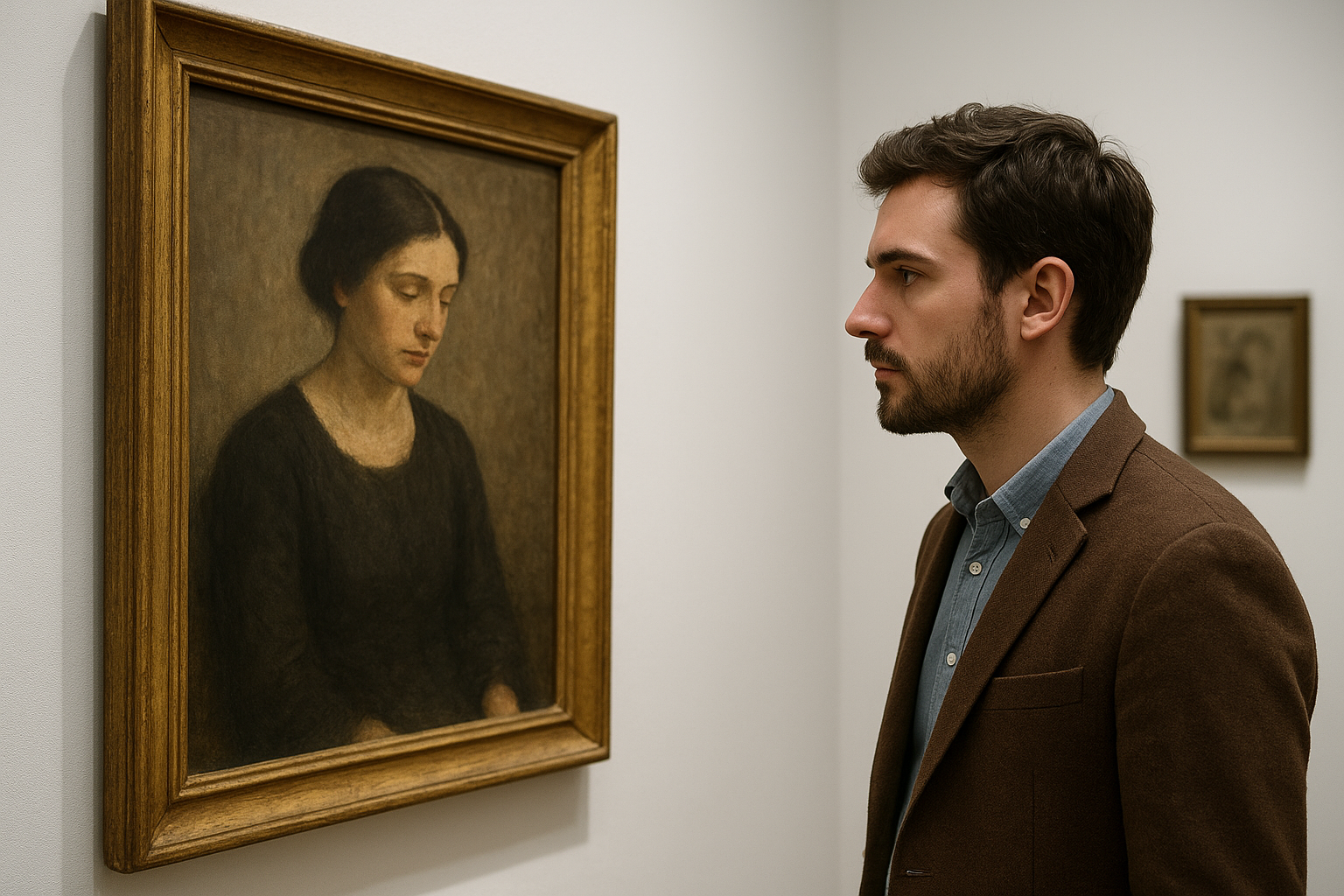
    A viewer stands before a piece of art not as a passive observer but as an active participant. In the words of Marcel Duchamp, “The viewer completes the work of art.” This interaction brings art to life and breathes meaning into its form. The viewer’s perceptions, emotions, and experiences meld with the artist’s intentions, creating a unique interpretation.

    • Emotional Response: The initial impact of a piece of art often triggers an emotional reaction. This can range from joy, sadness, or tranquility to confusion or even discomfort, each valid and reflective of the viewer’s personal narrative.
    • Analytical Engagement: Beyond emotional response, viewers often engage with art on an intellectual level, seeking to understand the techniques, mediums, and historical context employed by the artist.
    • Reflective Interaction: Finally, art often prompts introspection, allowing viewers to reflect on their own lives and the broader human experience.

    The Artist’s Intention vs. Viewer Interpretation

    The relationship between artist intent and viewer interpretation is complex and often varies widely. While artists may imbue their work with specific meanings or messages, these are not always directly transferrable to viewers. This discrepancy opens the door for personal interpretations that can be as diverse as the viewers themselves.

    “What is art but a way of seeing?” – Saul Bellow

    This quote from Saul Bellow encapsulates the subjective nature of art appreciation. As the viewer engages with the piece, they apply their own framework of understanding, informed by their life experiences and cultural background.

    Case Study: The Silent Conversation in Modern Art

    Modern art often exemplifies the silent conversation between viewer and art through its break from traditional forms and narratives. Artists like Jackson Pollock and Mark Rothko create pieces that defy conventional interpretation, demanding viewer engagement for meaning to emerge.

    • Jackson Pollock: Known for his technique of drip painting, Pollock’s work invites viewers to step into a realm of chaos and creation. The seemingly random patterns force an active engagement, asking audiences to find order or narrative within the chaos.
    • Mark Rothko: Rothko’s expansive color fields are less about depiction and more about eliciting emotional states. Viewers often find themselves enveloped in the contemplative silence of his paintings, encouraging a personal dialogue with the work.

    The Silent Conversation in Different Art Forms

    While paintings and sculptures offer palpable interactions, other art forms such as music, theater, and digital art also engage viewers in unique conversations.

    • Music: Like visual art, music facilitates a deep emotional and psychological engagement. Tracks and symphonies narrate stories without words, allowing listeners to conjure images and feelings in response to rhythms and melodies.
    • Theater: This live art form creates an immediate dialogue between performers and audience, with each performance adding new dimensions to the storyline, colored by audience interaction.
    • Digital Art: In our digital era, new art forms challenge traditional viewer perceptions. Interactive and virtual reality art installations invite viewers to become part of the artwork, actively shaping their experiences.

    Conclusion

    Whether confronting the haunting eyes of Frida Kahlo’s self-portraits or the serene landscapes of Claude Monet, viewers engage in a silent conversation with art—a dialogue that transcends generations. This relationship is dynamic, shaped by the ever-changing perspectives each viewer brings. Much like life itself, the conversation with art is ongoing and evolving, tapping into our innate human desire for expression and connection.

    As we continue to engage with art, let us embrace Pablo Picasso’s insight: “Art washes away from the soul the dust of everyday life.” In this ever-changing dialogue, we find solace, challenge, and ultimately, a deeper understanding of ourselves and the world around us. Thus, the silent conversation continues, inviting us to explore, question, and reflect on the infinite canvases of human experience.


  • The Photographic Confession: Intimacy and Vulnerability in Art

    The Photographic Confession: Intimacy and Vulnerability in Art

    In the age of digital saturation, where every moment is captured, filtered, and shared, the art of photography continues to serve as a powerful medium for exploring themes of intimacy and vulnerability. The photograph, in its raw and unedited form, often reveals more than what meets the eye. It tells stories of human emotion, connection, and authenticity.

    “Photography can strip away the masks we wear, delve beneath the surface and capture the essence of who we are at a particular moment in time.”

    Maria Popova

    The Power of Intimacy

    Intimate photography, by its nature, invites viewers into a personal space, often exposing the photographer’s own vulnerabilities or those of the subject. This genre creates a bridge between the artist and the observer, fostering an empathetic connection that words alone cannot convey.

    • Personal Narratives: Photographers like Nan Goldin and Sally Mann have captured the rawness of everyday life, embracing imperfections to portray truthful and moving stories.
    • Emotional Depths: The stark candidness in their works often forces viewers to confront their own feelings, bridging the gap between personal introspection and public gaze.

    Vulnerability as Strength

    In a society often averse to weakness, photography challenges this notion by presenting vulnerability as a source of strength and beauty. The act of revealing one’s true self, with all its imperfections, can be empowering for both the photographer and the subject.

    • Authentic Connections: Projects like Humans of New York highlight the universality of human experiences through candid, heartfelt stories.
    • Breaking Taboos: Photographers who tackle challenging subjects such as mental health, identity, or loss break down societal taboos, encouraging open dialogues and greater understanding.

    As viewers, we are left to ponder the images before us—sometimes uncomfortable, often profound. The vulnerability captured in these moments becomes a catalyst for reflection and change.

    “The camera is an instrument that teaches people how to see without a camera.”

    — Dorothea Lange

    In conclusion, the photographic confession holds significant artistic and cultural value, encouraging us to embrace intimacy and vulnerability. These images serve not just as memories but as catalysts for deeper connections in an increasingly disconnected world, reminding us of our shared humanity.

  • The Aesthetics of Absence: What Modern Photography Leaves Out

    The Aesthetics of Absence: What Modern Photography Leaves Out

    In the age of digital saturation, where an estimated 1.8 billion images are uploaded every day, modern photography encompasses a striking paradox: the aesthetics of absence. This phenomenon challenges both photographers and viewers to explore the stories untold, the moments unlived, and the spaces unoccupied.

    The Power of What Isn’t Seen

    Modern photography often captures what is present, but its true artistry can lie in what is left out. As the acclaimed photographer Dorothea Lange once said,

    “Photography takes an instant out of time, altering life by holding it still.”

    With this power, photographers wield the choice to exclude, creating a narrative that invites imagination.

    • Negative Space: Absence in photography can manifest through negative space. This compositional technique allows simplicity to speak volumes, encouraging viewers to contemplate the void rather than the subject itself.
    • Missed Moments: Photographers may intentionally forego documenting chaotic, fleeting moments to focus on lingering emotions. This empowers viewers to craft personal stories, drawing from their own experiences.
    • Unoccupied Spaces: Images of empty urban landscapes or deserted interiors evoke a sense of transience and nostalgia. These photographs remind us of human presence through their notable absence.

    Impact on Audiences

    The aesthetics of absence in photography have a profound impact on how audiences interact with images. When subjects are omitted, the imagination fills gaps, which can make an image more personal and profound. According to an article by Tate, Lange’s iconic Migrant Mother is a prime example of this technique. Despite the absence of the father’s figure, the viewer senses his shadow looming over the family’s story of hardship and resilience.

    The Role of Technology

    Rapid advancements in technology offer tools that simultaneously expand and limit photographers’ choices. While photo editing software enables greater control over the final product, the integrity of absence can be compromised by temptation to overfill. Embracing minimalism, therefore, becomes a conscious counterbalance to the excess of possibilities.

    To fully appreciate modern photography’s aesthetics of absence, audiences must engage with what is missing as much as what is shown. As famed artist Henri Cartier-Bresson remarked,

    “The photograph itself doesn’t interest me. I want only to capture a minute part of reality.”

    Thus, what modern photography leaves out is just as crucial as what it includes, inviting viewers to construct their own narratives and find meaning beyond the frame.

  • The Glimpse of Eternity: Time and Stillness in Photography

    The Glimpse of Eternity: Time and Stillness in Photography

    Photography, at its core, is a medium that captures a single moment in time, allowing it to be observed in perpetuity. This unique capability transforms transitory moments into eternal records, offering viewers a chance to experience the intersection of time and stillness.

    The Essence of Capturing Time

    Time, an ever-flowing force, often seems intangible. Yet, photography provides a means to grasp it briefly and examine its nuances. In the words of renowned photographer Henri Cartier-Bresson, “To me, photography is the simultaneous recognition, in a fraction of a second, of the significance of an event” (Magnum Photos).

    This decisive moment, as Cartier-Bresson famously called it, underscores the power of photography to freeze a particular fraction of time and encapsulate the emotions, movements, and narratives of that instant. While the world moves on, that captured moment remains untouched by the relentless passage of time.

    Stillness in Motion

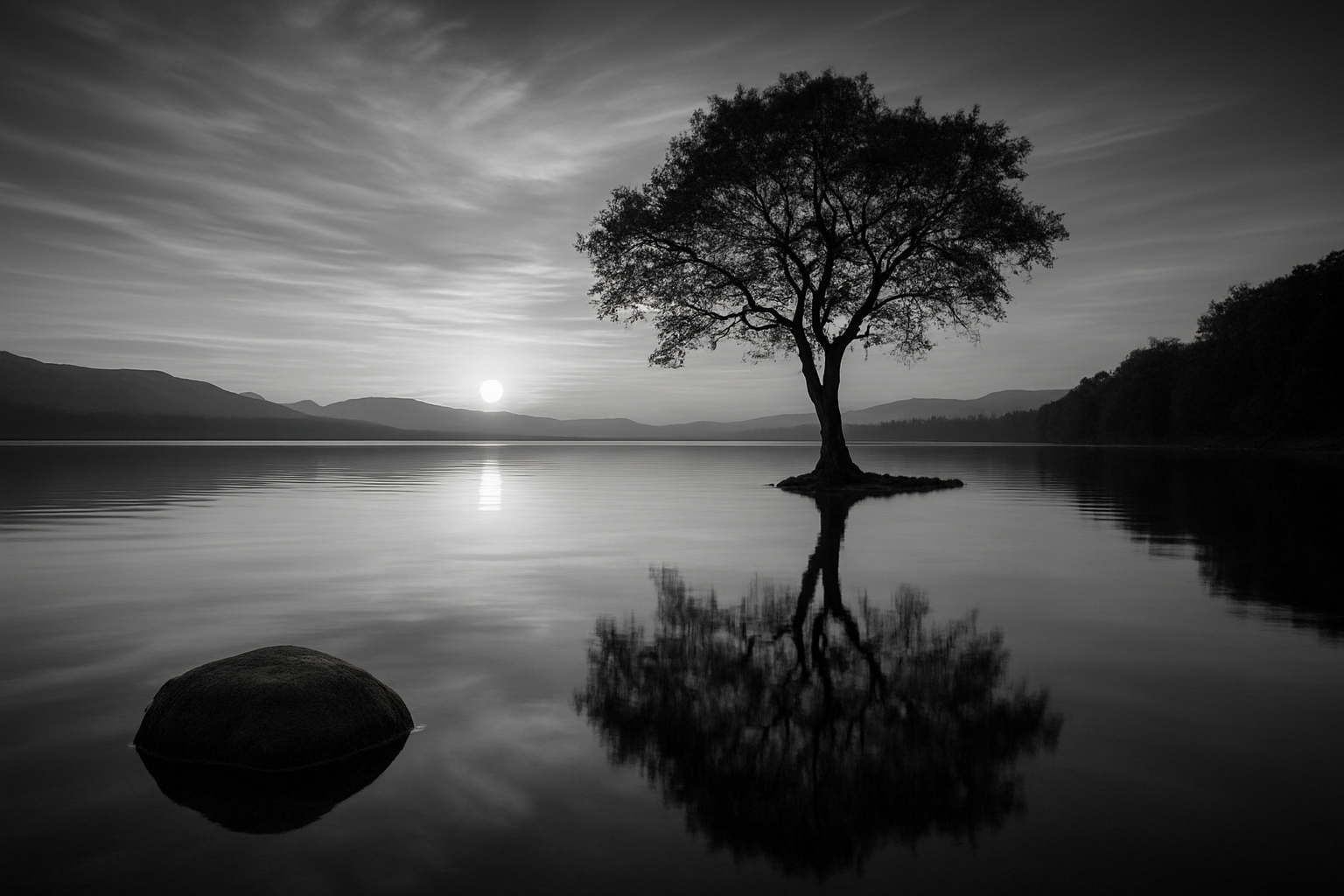
    In contrast to its ability to stop time, photography also highlights stillness amid chaos. Consider landscapes captured with long exposures; what should be a blur of activity becomes a calm vista, providing a sense of tranquility. These images offer a fresh perspective, urging viewers to find peace and beauty in the constant flow of life’s moments.

    • Long Exposure: Creates serene and ethereal landscapes by portraying moving elements as static.
    • Nature Photography: Captures the timeless beauty of the natural world, emphasizing the enduring nature of the environment.
    • Portraiture: Freezes expressions, allowing a moment of introspection and emotional connection.

    Alfred Stieglitz, a pioneer of modern photography, encapsulated this duality of time and stillness when he said, “In photography, there is a reality so subtle that it becomes more real than reality” (Wikiquote). His work not only highlighted the fidelity of photographic moments but also demonstrated photography’s potential to transcend mere representation.

    Endless Moments

    The future of photography lies in evolving technology, but its essence remains the same: the delicate blend of time and stillness. As photographers and viewers, the journey is in exploring these captured moments and allowing them to shape our perception of time’s passage and the beauty of the present.

    Ultimately, photography offers us a glimpse into the eternal—a silent narrative of the past, present, and perhaps the future, encouraging us to pause, reflect, and appreciate the world through its timeless lens.

  • Breaking the Mold: Why Abstract Art Still Matters

    Breaking the Mold: Why Abstract Art Still Matters

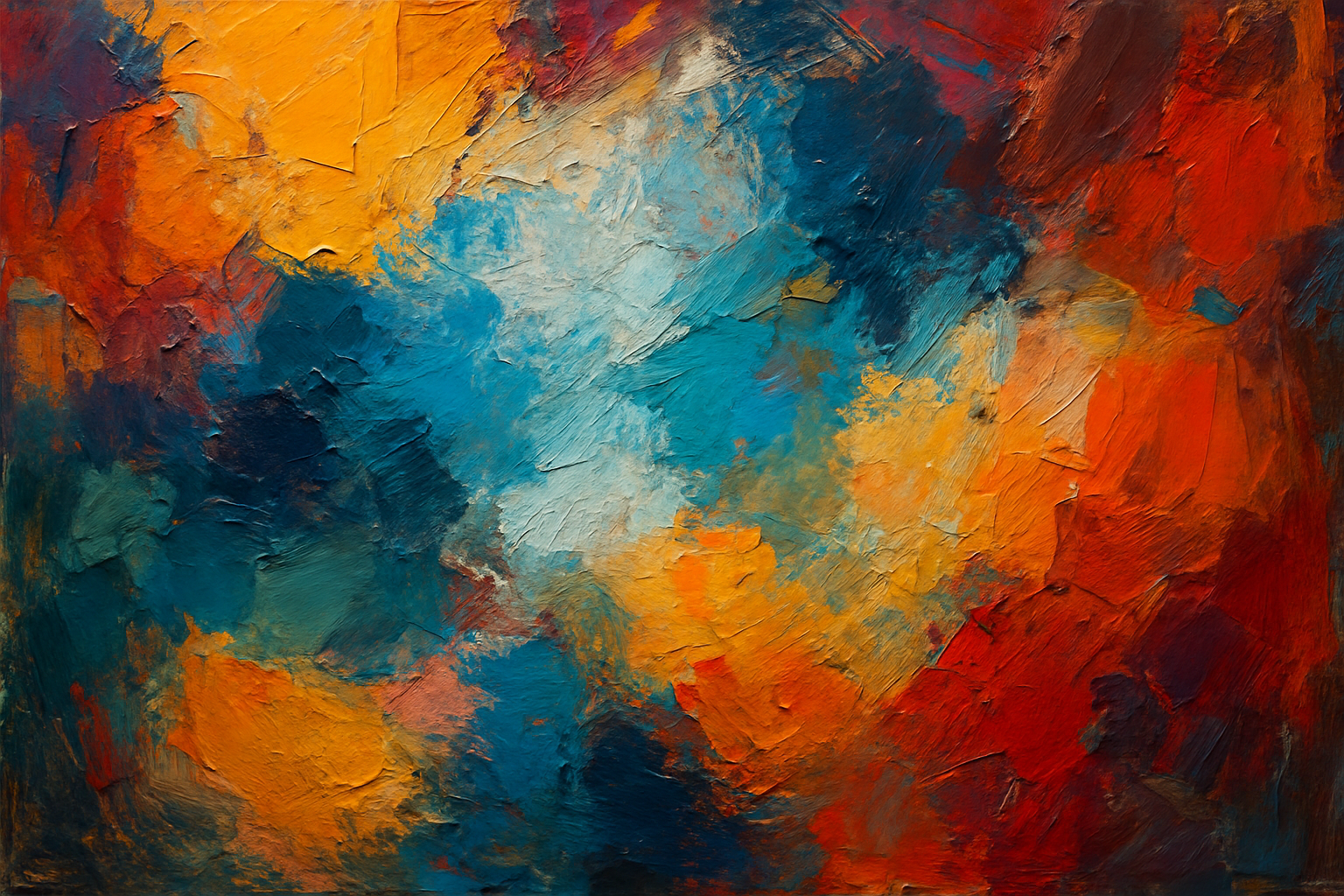
    Abstract art, with its roots in the early 20th century, continues to captivate and provoke, challenging our ideas about reality and the role of art in society. While some critics may question its relevance in our contemporary world, abstract art persists, demanding both critical and emotional engagement from viewers. But why does abstract art still matter today?

    The Historical Significance of Abstract Art

    Abstract art emerged as a radical departure from traditional representation. Artists like Wassily Kandinsky, Piet Mondrian, and Kazimir Malevich sought to convey ideas and emotions without depicting the physical world directly. As Tate Modern describes, abstract art “uses a visual language of shape, form, color, and line to create a composition which may exist with a degree of independence from visual references in the world.”

    The significance of this shift cannot be overstated. It represented a break from centuries of art history that celebrated realistic portrayal and paved the way for new ways of thinking about what art could be. Mark Rothko once expressed that “a painting is not a picture of an experience, but is the experience.” This perspective elevated art from mere representation to an embodied experience.

    Abstract Art as a Medium of Expression

    One reason abstract art remains important is its capacity for personal expression. Unlike representational art, which often aims to depict the material world, abstract art can convey more complex ideas and emotions. As Jackson Pollock famously stated, “I have no fear of making changes, destroying the image, because the painting has a life of its own.” This dynamic process allows abstract artists to explore the unconscious and communicate on a deeply personal level.

    The Impact on Contemporary Art

    The influence of early abstract art on contemporary artists is indisputable. Modern artists continue to explore abstraction in new ways, utilizing advanced technology and media to push boundaries further. As noted in the Museum of Modern Art collections, artists like Gerhard Richter and Agnes Martin have expanded on the principles of abstraction to explore themes of perception and reality.

    Richter once said, “I pursue no objectives, no system, no tendency; I have no program, no style, no direction. I have no time for specialized concerns, working themes, or variations that lead to mastery.” This philosophy highlights the enduring appeal of abstract art: its rejection of conventions and embrace of the uncertainties of expression.

    The Role in Societal Reflection and Change

    Abstract art also plays a critical role in reflecting and responding to societal changes. In periods of political turmoil or cultural shifts, abstract forms can articulate collective anxieties and hopes. The Black Arts Movement of the 1960s, for instance, saw artists using abstraction to address themes of identity and empowerment.

    This tradition continues today as artists such as Julie Mehretu challenge notions of geography, history, and politics through complex abstract works. Mehretu’s layered paintings encapsulate the chaos and interconnectedness of the modern world, asking viewers to engage with pressing global issues.

    Emotional Resonance

    Despite its often intellectual underpinnings, abstract art resonates on an emotional level. As Rothko noted, “Art to me is an anecdote of the spirit, and the only means of making concrete the purpose of its varied quickness and stillness.” This emotional depth invites viewers to connect with art in a visceral way, accessing feelings that might not be accessible through logical discourse or representational imagery.

    Conclusion

    Abstract art remains a powerful force within the art world and beyond because it challenges, provokes, and inspires. It defies easy interpretation, pushing viewers to contemplate not only what they see but how they feel. As society continues to evolve, abstract art serves as both a mirror and a questioner, encouraging us to reconsider the boundaries of reality and the possibilities of human expression.

    In a world increasingly driven by data and realism, abstract art offers a necessary counterbalance: a reminder of the unquantifiable elements of human experience. As such, it remains as vital and relevant today as it was a century ago.