
Tag: truth

  • The Map Is Not the Territory – Mythic truth versus factual accuracy

    The Map Is Not the Territory – Mythic truth versus factual accuracy

    The Map Is Not the Territory: Mythic Truth versus Factual Accuracy

    The phrase “The map is not the territory” rings true in both the realms of geography and philosophy. Originally coined by philosopher Alfred Korzybski, it suggests that our interpretations of reality, like maps, are merely representations and not the reality itself. This concept beckons us to explore the distinction between mythic truth and factual accuracy in our understanding of the world.

    Understanding Mythic Truth

    Mythic truth refers to the notion that certain stories, symbols, or traditions hold significance beyond their factual content. They resonate on a level that connects individuals to larger cultural or spiritual narratives. As Joseph Campbell, famed mythologist, states, “Myths are public dreams, dreams are private myths.” This suggests that myths provide shared societal dreams, offering insights into fundamental human experiences and desires.

    Consider the story of the Tortoise and the Hare. Factually, we know animals don’t race in this manner, yet the story imparts valuable life lessons about perseverance and humility. This is the power of mythic truth—its ability to convey truths about human behavior and society through storytelling.

    Factual Accuracy: The Need for Precision

    On the other hand, factual accuracy emphasizes precise, verifiable information. In science and history, this attention to detail ensures that theories and narratives are reliable reflections of reality. In an age of information overload, the need to distinguish between fact and fiction becomes imperative for informed decision-making and maintaining trust in various societal institutions.

    “The good thing about science is that it’s true whether or not you believe in it.” – Neil deGrasse Tyson

    Tyson’s words highlight the intrinsic value of verified facts in a scientifically driven world. While factual accuracy provides us with clarity and assurance, it’s also imperative to understand that it isn’t the sole way to perceive truth.

    Balancing Myth and Fact

    The challenge lies in striking a balance between these two domains. While facts help ground us in reality, myths offer us rich, qualitative insights into our existence. In personal development, both should be embraced to lead holistic lives.

    Integrating mythic truth with factual accuracy allows us to appreciate both the poetic and practical aspects of existence. As Korzybski’s phrase reminds us, our modeled interpretations, whether mythic or factual, can never capture the full essence of reality. Instead, recognizing the interplay between these elements can lead to a deeper, more nuanced understanding of the world.

    Ultimately, balancing both perspectives enriches our worldview, positioning us to navigate the complexities of life with both wisdom and knowledge.
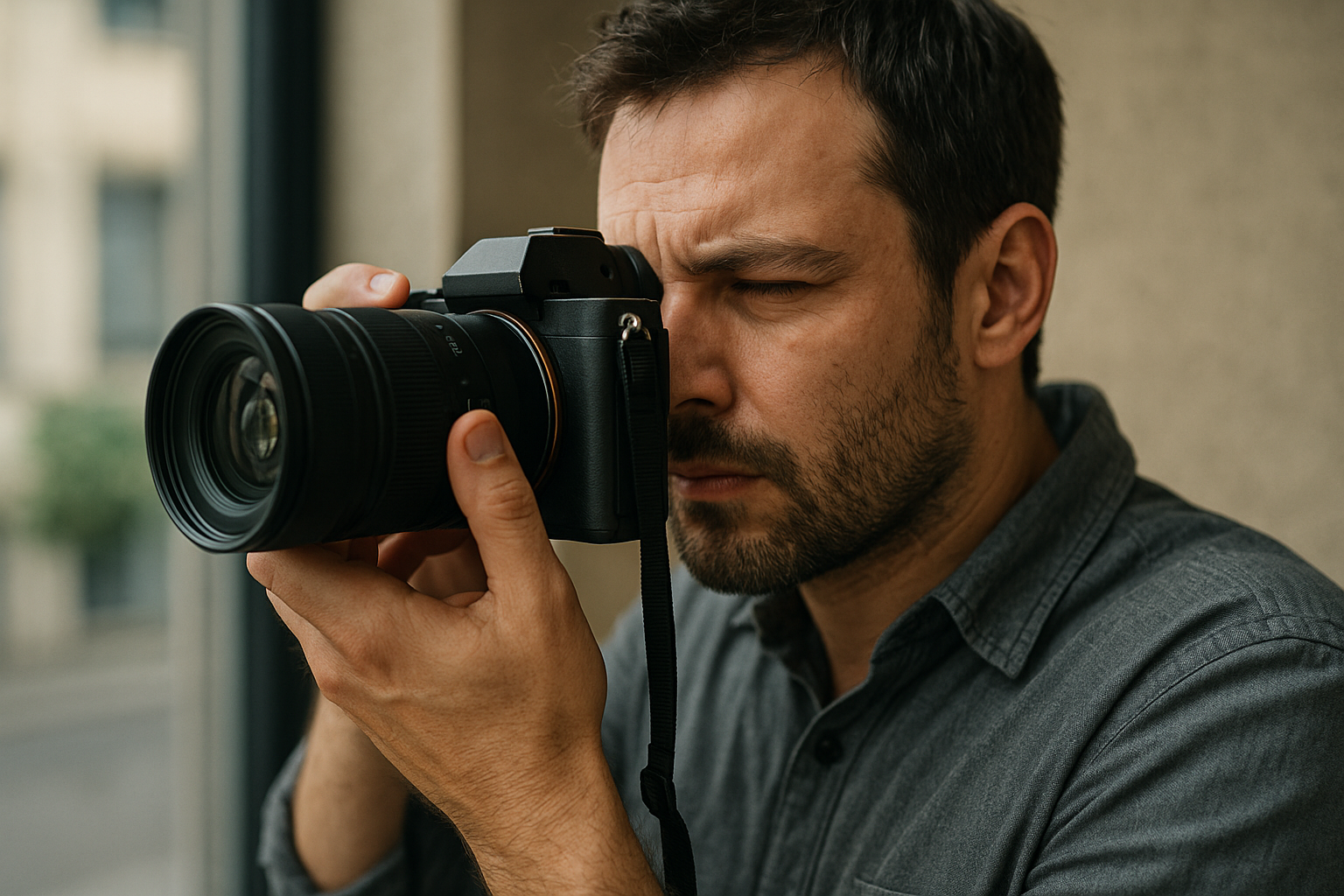
  • The Authenticity Filter: Truth and Post-Truth in Photography

    The Authenticity Filter: Truth and Post-Truth in Photography

    In an era where visual content inundates our digital spaces, photography stands at the crossroads of truth and manipulation. The authenticity of a photograph, once considered a faithful depiction of reality, is increasingly under scrutiny in the post-truth age. As technology evolves, so too do the tools that alter our perceptions of reality, casting doubt on the integrity of the photographic image.

    The Historical Lens

    Photography has long been revered for its ability to capture a moment in time, rendering the complex textures of life into still images. From the harrowing portraits of the Great Depression by Dorothea Lange to the indelible landscapes photographed by Ansel Adams, the camera was once considered a trustworthy witness.

    “Photography takes an instant out of time, altering life by holding it still.” – Dorothea Lange

    The Digital Revolution

    The advent of digital technology has equipped photographers with sophisticated tools to enhance and manipulate images, leading to a new era of photography where the lines between reality and fiction blur. Digital editing software like Adobe Photoshop enables users to transform ordinary pictures into extraordinary fabrications, paving the way for innumerable creative possibilities, yet simultaneously raising ethical questions about authenticity.

    The digital manipulation of images can range from simple color corrections to complete overhauls that create entirely new compositions. This leads to the pertinent question: when does alteration become deception?

    Photographic Authenticity in the Post-Truth Era

    In today’s post-truth society, where emotions and personal beliefs often overshadow objective facts, photography’s role as a purveyor of truth is increasingly complicated. Social media platforms amplify this issue, as images can be easily shared without context, sometimes being stripped of their original meaning. As noted by Errol Morris, a renowned filmmaker and author, “The problem with photographs is that they are so easily manipulated.”

    Errol Morris’ work delves into the complexities of photography and truth-seeking, and emphasizes the personal responsibility of photographers to uphold honesty in their art.

    Conclusion: Striking a Balance

    While the post-truth era challenges the concept of authenticity in photography, it also presents an opportunity to explore the medium’s inherent subjectivity. Photographers may need to establish a tacit agreement with their audience, clearly delineating between reality, artistic interpretation, and outright manipulation.

    As photography continues to evolve, it is imperative to consider how these images are created, shared, and perceived—ultimately striving to preserve the nucleus of truth that makes a photograph compelling.