Tag: traditional

  • Iconoclasts and Insights: The Clash of Modern and Traditional Faith

    Iconoclasts and Insights: The Clash of Modern and Traditional Faith

    Faith, as a profound aspect of human existence, has been a source of comfort, community, and conflict throughout history. In the contemporary epoch, a fascinating dichotomy emerges between traditional adherence and modern interpretations. This clash, while rooted in age-old practices, thrives in the dynamic environment of modern society. In examining both sides, we gain insights into the evolving nature of belief and spirituality.

    The Foundations of Traditional Faith

    Traditional faith systems hold significant authority and continuity across generations. Anchored in time-honored beliefs and practices, these systems often serve as bedrock institutions within cultures globally. Such faith manifests through rituals, ceremonies, and doctrines that provide individuals with a grounded sense of identity and purpose.

    • Preservation of Legacy: Traditional faith emphasizes the unbroken transmission of customs and teachings from one generation to the next. The stability and predictability offered through orthodoxy have been pivotal to communities seeking refuge in a world of constant change.
    • Collective Identity: The shared experiences and narratives found within these traditional frameworks foster a strong sense of belonging and unity among adherents.
    • Scriptural Authority: For many, the sacred texts offer divine guidance and dictate the course of ethical and moral life. As it is often asserted: “It is written in the Holy Book,” which signifies the deep-seated reverence for scripture.

    However, modernity’s rapid advancement has sparked a reconsideration of these ancient tenets.

    Modern Faith and the Spirit of Innovation

    Modern faith is characterized by an openness to reinterpret and re-envision traditional beliefs through a contemporary lens. This is propagated by increased globalization, scientific advancements, and the rise of individualism.

    • Individual Spirituality: A growing number of people embrace a personal, rather than institutional, approach to spirituality. As noted in a recent survey by the Pew Research Center, “The proportion of Americans who identify as ‘spiritual but not religious’ has surged, signaling a shift from organized religion to personal spirituality.” (Source: Pew Research Center).
    • Scientific Inquiry: Many modern practitioners seek to harmonize scientific understanding with spiritual belief. They often view the universe’s intricate workings as a testament to greater consciousness rather than a contradiction of faith.
    • Interfaith Dialogues: The rise of interfaith movements exemplifies the modern approach to religious belief. These conversations emphasize universal values such as compassion, equality, and love, extending respect and understanding across diverse religious traditions.

    This convergence of faith and inquiry heralds a new era of innovation while posing challenges to established norms.

    The Intersection and Its Implications

    The clash between traditional and modern faith is not merely academic—it is evident in societal, political, and cultural domains worldwide.

    The Social Dynamics

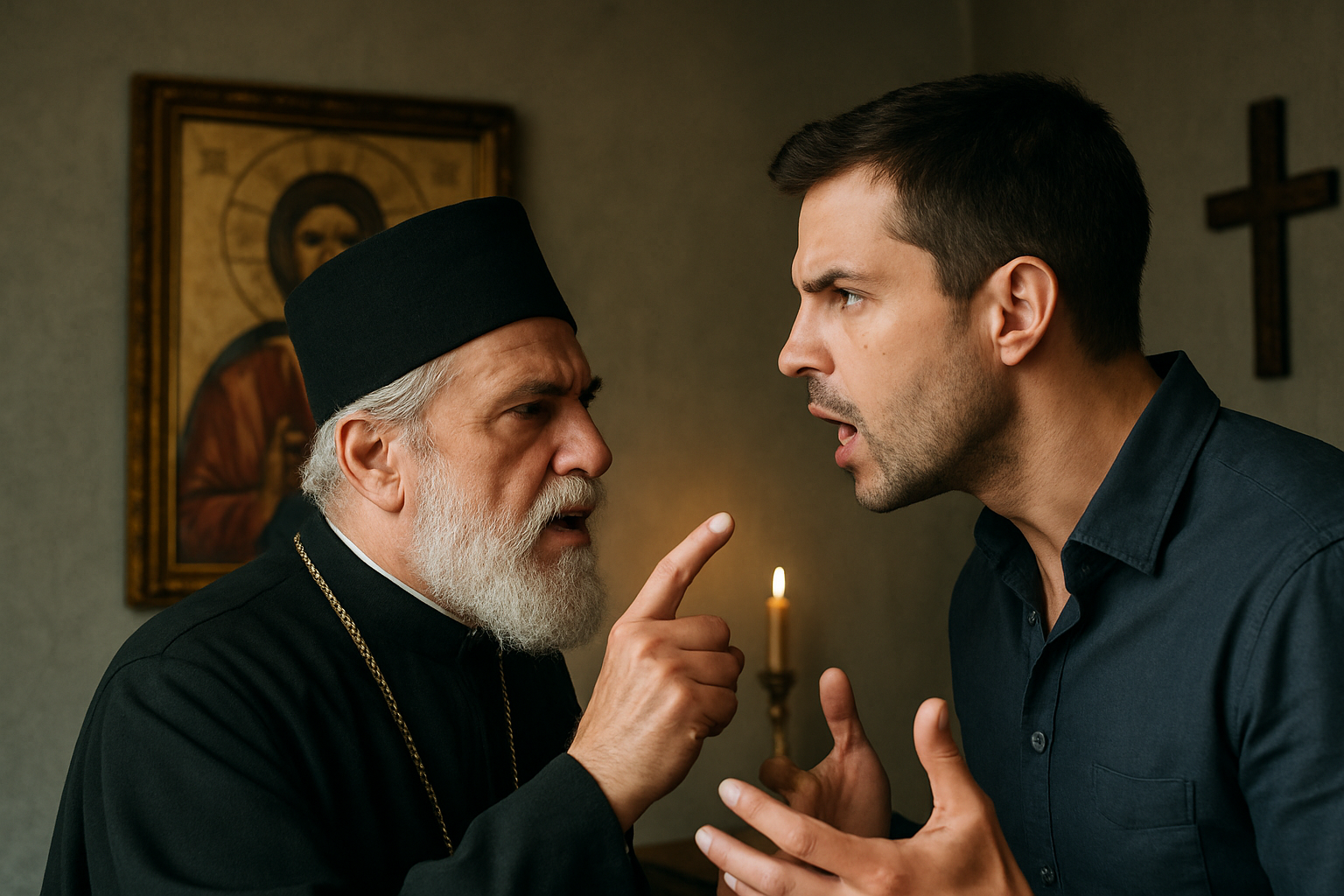
    At a societal level, tension often arises in communities divided by generational views. Older groups may resist what they see as the erosion of core values, while younger generations may argue for the relevance and adaptation of faith to contemporary issues.

    “The test of a first-rate intelligence is the ability to hold two opposed ideas in mind at the same time and still retain the ability to function,” as F. Scott Fitzgerald poignantly notes. This sentiment captures the challenge faced by many in reconciling these divergent worlds. (Source: Quote Investigator)

    Political and Cultural Repercussions

    In many parts of the world, the friction between traditionalists and modern innovators influences political landscapes, policy-making, and cultural expressions. Legal systems in various countries grapple with issues of religious freedom, secularism, and how to accommodate evolving spiritual views within a traditional framework.

    • Governance and Policy: Countries like India and Turkey exemplify the struggle to balance secular governance with religious conservatism, leading to vibrant public debates and sometimes contentious political environments.
    • Cultural Expressions: Literature, film, and art often challenge traditional religious paradigms, sparking conversations and, at times, controversy.

    Bridging the Divide

    While conflict dominates much of the discourse, the potential for synergy and synthesis between traditional and modern beliefs is both feasible and promising.

    Emerging practices, such as integral spirituality, seek to harmonize conventional religious practices with new age spirituality. They propose an encompassing vision that acknowledges the wisdom of ancient traditions while embracing the insights of modernity.

    • Educational Initiatives: Programs promoting religious literacy and interfaith education contribute to breaking down misconceptions and fostering mutual respect.
    • Community Leadership: Faith leaders who advocate for dialogue and inclusivity often play pivotal roles in nurturing environments where diverse spiritual beliefs can coexist and collaborate.
    • Technology and Connectivity: The digital age has democratized access to religious texts and ideas, enabling individuals to explore various beliefs and practices, thus broadening their spiritual horizon.

    The interaction between the traditional and the modern is not a zero-sum game. Instead, it reflects the vibrancy and diversity of human belief systems. By embracing our differences and seeking common ground, we transcend merely surviving these shifts and begin to thrive through the enrichment such diversity offers.

    Ultimately, both traditional and modern faith framework strives for knowledge, meaning, and understanding—timeless quests of human beings. As we move forward, our ability to navigate these waters with compassion and openness may well define the spiritual landscape of the future.

    This article serves as a reflection on the current state of faith, where the lines between old and new are continually redrawn, offering not just conflict, but tremendous opportunity for growth and understanding in the tapestry of human spirituality.

  • Dissonance and Discovery: New Forms in Auditory Art

    Dissonance and Discovery: New Forms in Auditory Art

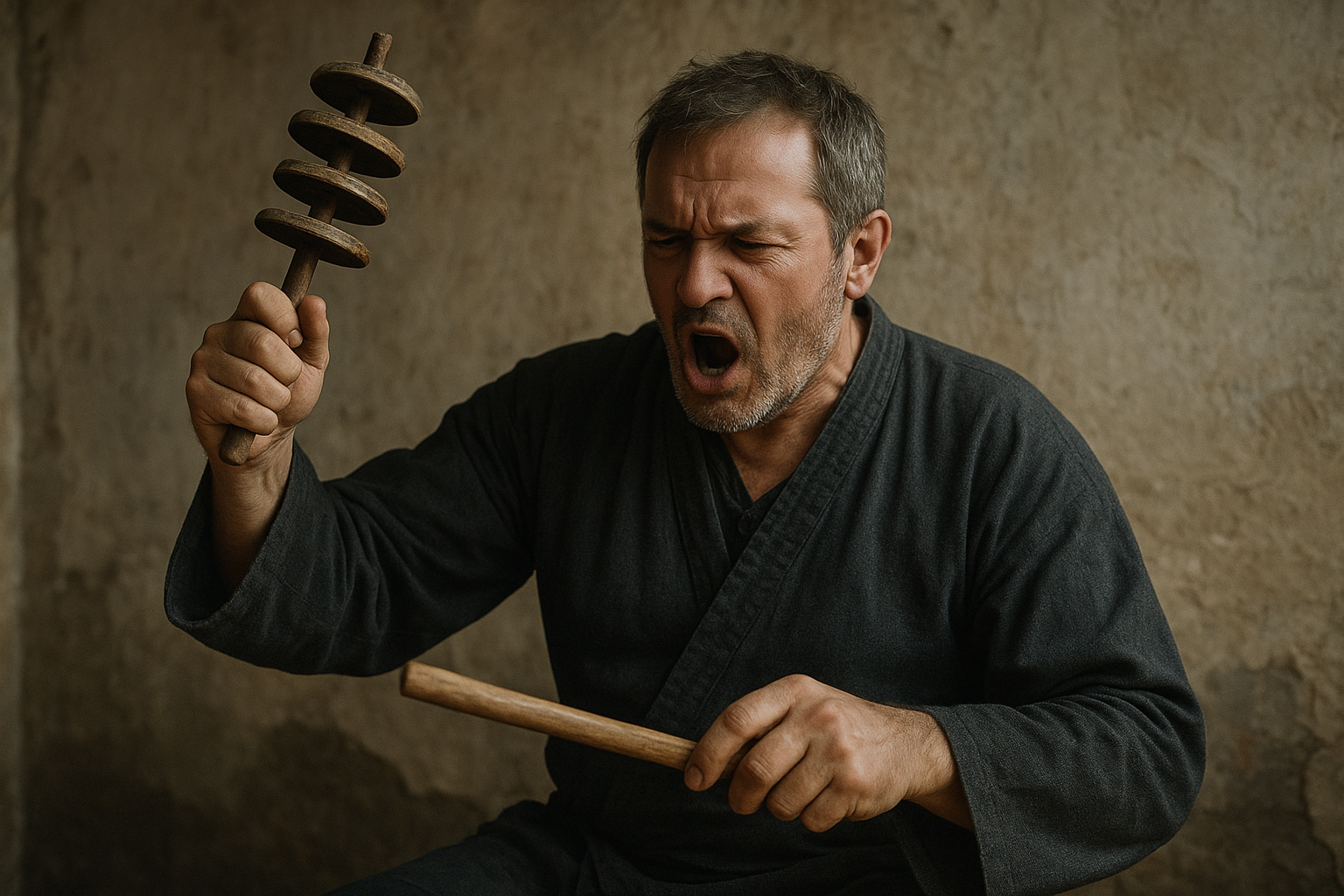
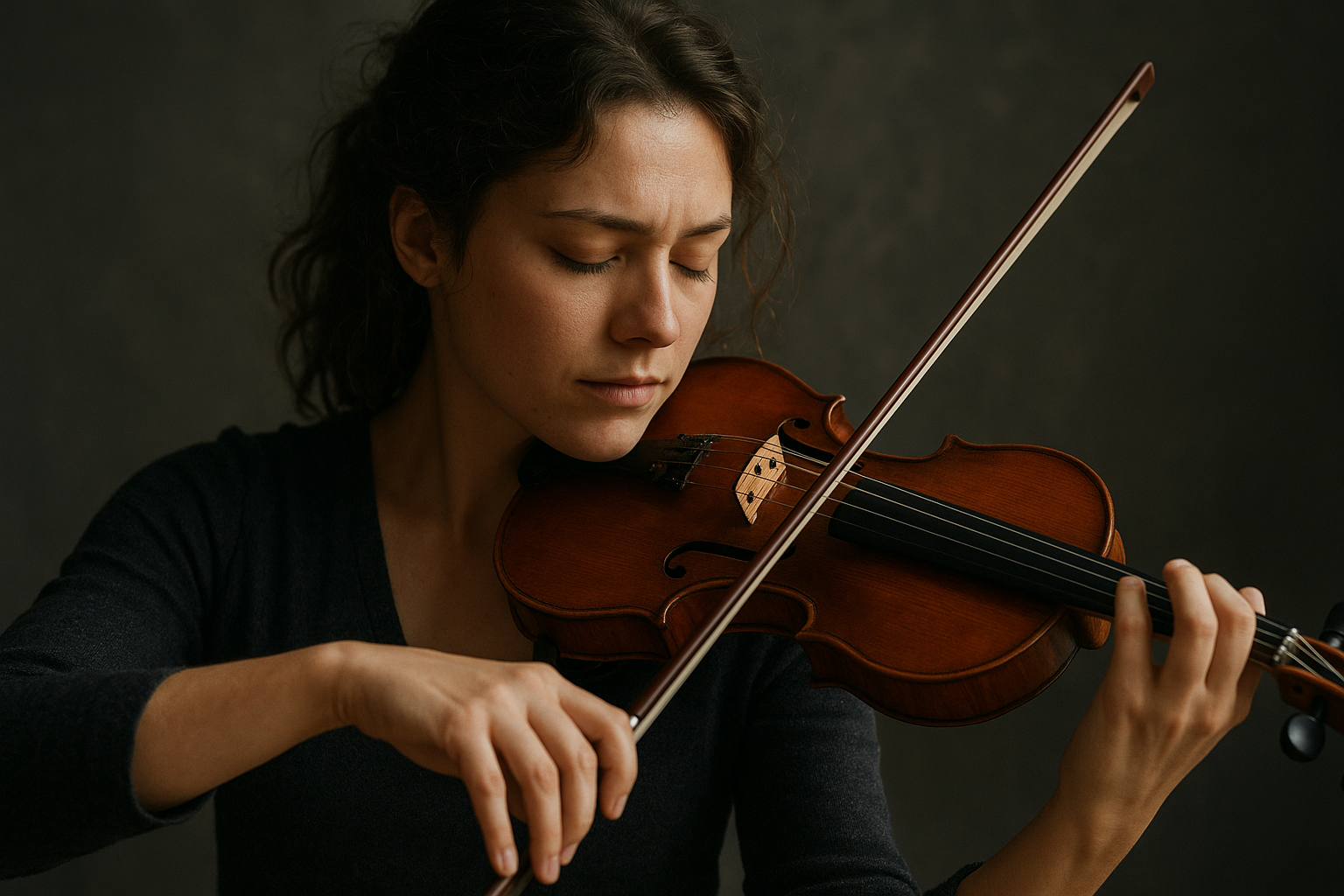
    Auditory art, a realm where sound transcends traditional musical boundaries, has always been a dynamic field of exploration. In recent years, an exciting trend has emerged: the embrace of dissonance as a tool for discovery. Artists are harnessing the power of unconventional sound structures to challenge listeners and expand the auditory experience.

    The Nature of Dissonance

    Dissonance, often characterized by tension and instability in sound, breaks away from harmonious norms. While harmony aims to soothe and unify, dissonance provokes and incites a reaction. According to Encyclopaedia Britannica, dissonance “creates a sense of unrest,” paving the way for resolution or further exploration.

    Modern Auditory Explorations

    Contemporary auditory artists are increasingly incorporating dissonance as a critical component of their work, hoping to evoke deeper emotional responses from their audiences. These artists move beyond traditional melodies and rhythms to craft landscapes of sound that invite introspection.

    • Experimental Music: Musicians like John Zorn and Meredith Monk employ dissonance extensively. Monk, in particular, uses vocal techniques that challenge conventional tonal beauty, transforming voice into a multifaceted instrument.
    • Sound Installations: Sound installations leverage dissonance to engross audiences in new auditory worlds. Max Neuhaus’s “Times Square” plays with ambient noise, encouraging listeners to reconsider their acoustic environments.
    • Electronic Avant-Garde: Artists such as Aphex Twin and Autechre embrace the chaotic potential of electronic instruments, producing complex soundscapes that often defy traditional compositional logic.

    The Impact on Listeners

    Dissonance in auditory art invites listeners to move past mere consumerism and engage critically with what they hear. As Philip Ball notes in The Music Instinct: How Music Works and Why We Can’t Do Without It, “Dissonance challenges our brain, inviting us to use parts of perception that we often neglect” (Philip Ball).

    “There is no excellent beauty that hath not some strangeness in the proportion.” — Francis Bacon

    This historical perspective highlights the inherent beauty of dissonance, encouraging audiences to discover the aesthetics in what might initially seem jarring or unfamiliar.

    A Future of Sonic Innovation

    As auditory artists continue to experiment, the possibilities for innovation are boundless. By embracing the strange and unfamiliar, they not only redefine the limits of sound but also challenge cultural and emotional perceptions, leading us into uncharted auditory territories.

    Indeed, the journey through dissonance and discovery is not merely for artists but for all who are willing to listen and find beauty in the unexpected.

  • Rhythmic Revolutions: How Contemporary Dance Rejects Tradition

    Rhythmic Revolutions: How Contemporary Dance Rejects Tradition

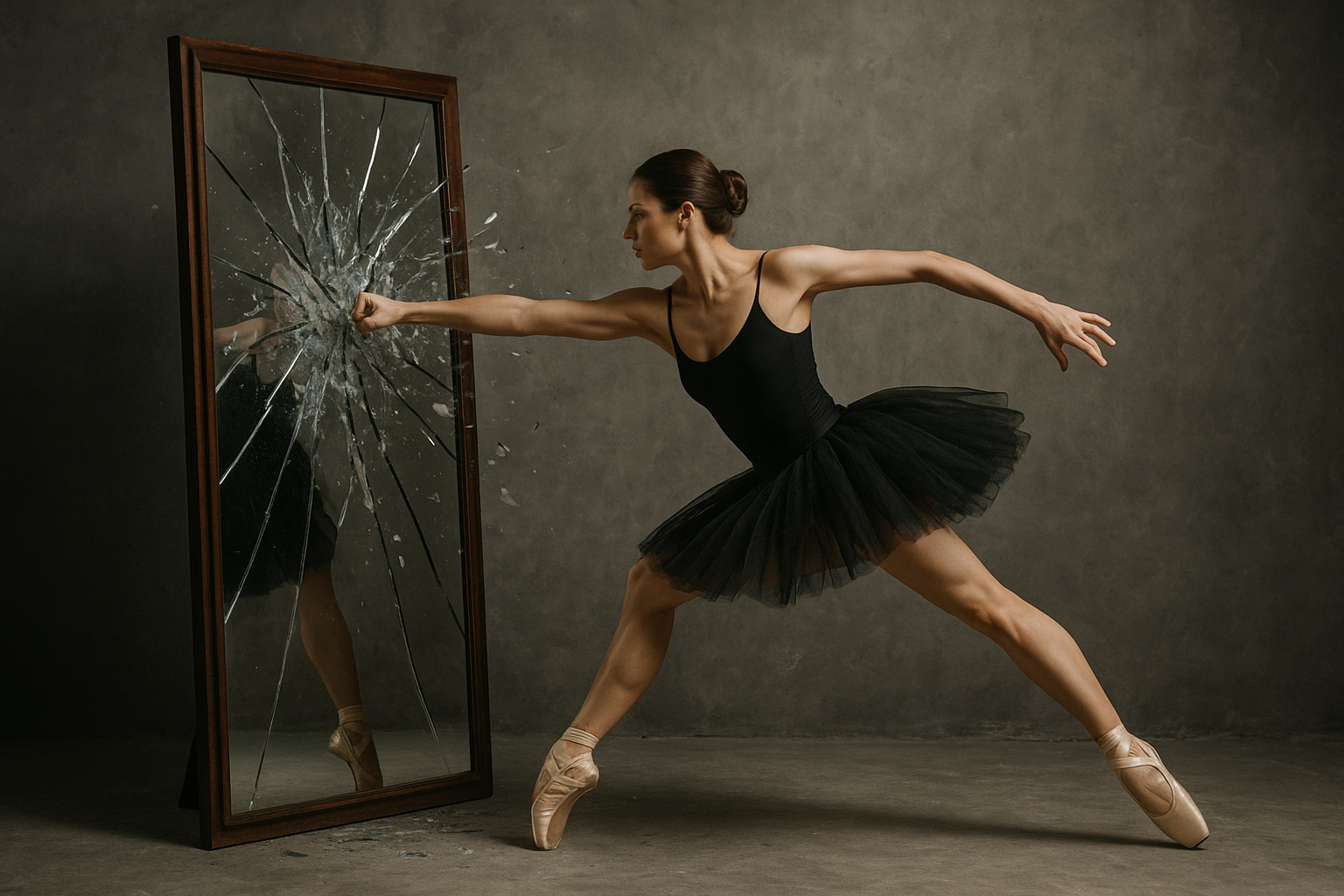
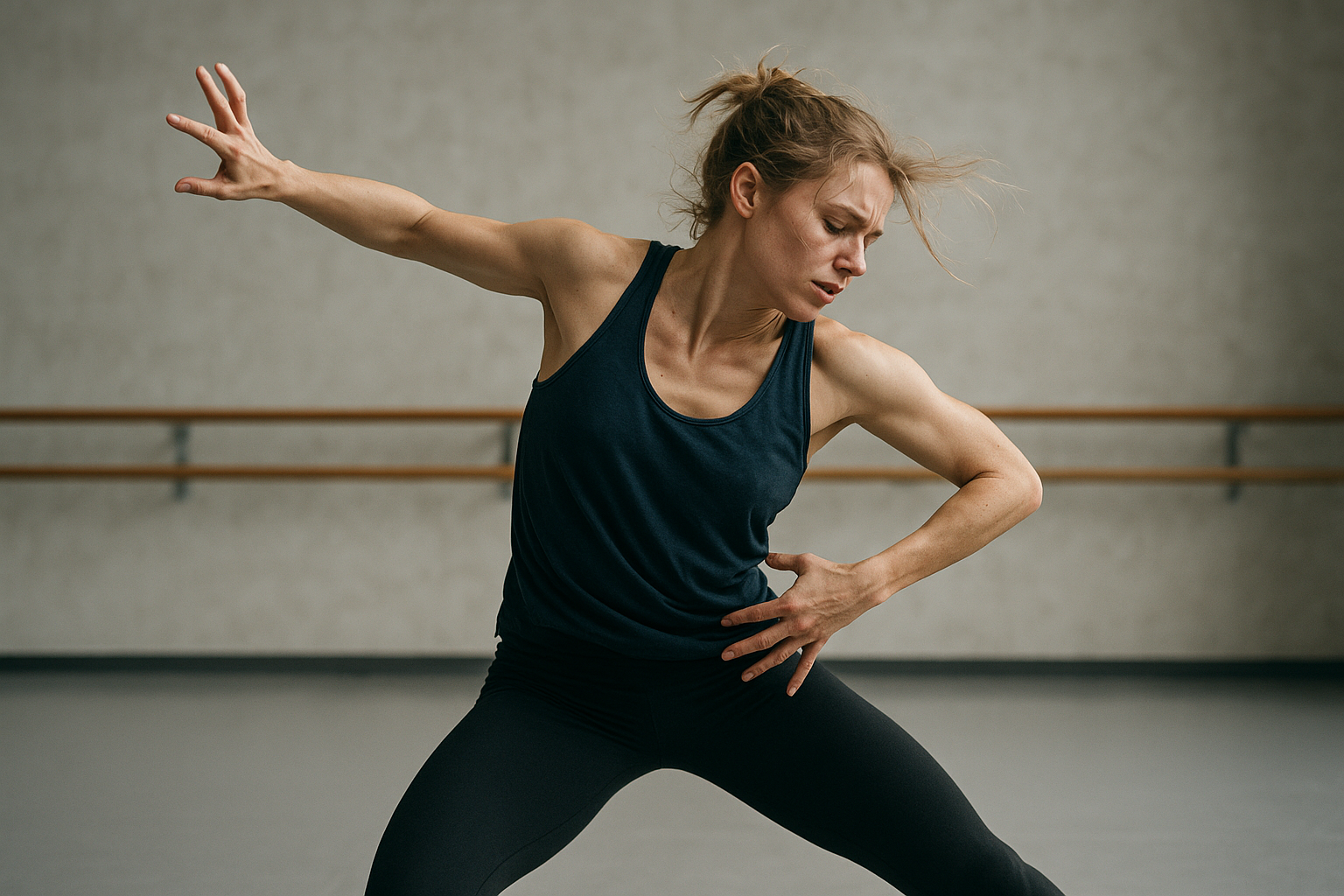
    Dance, an art form as ancient as human civilization itself, has experienced an evolution that reflects the complexities and nuances of the societies that nurture it. Amongst the myriad of dance styles that have emerged over time, contemporary dance stands out for its revolutionary approach, breaking away from the constraints of traditional forms. It defies conventional boundaries and embraces innovation, making it a powerful vehicle for creative expression in today’s world.

    The Origins of Contemporary Dance

    The roots of contemporary dance can be traced back to the early 20th century. During this time, pioneers like Isadora Duncan and Ruth St. Denis began to challenge the rigidity and formality of classical ballet. They sought freedom in movement and sought to express a range of emotions and ideas that traditional techniques couldn’t encapsulate. This rebellion against the existing norms laid the foundation for what we now recognize as contemporary dance.

    Defining Characteristics

    • Fluidity and Freedom: Contemporary dance is characterized by its fluid movement, often allowing dancers to explore space in unconventional ways. There is an emphasis on organic movements and a connection with the floor.
    • Emotional Expression: Unlike ballet, which often prioritizes aesthetic form, contemporary dance places a significant focus on conveying emotion. Dancers are encouraged to express their personal stories and inner conflicts through movement.
    • Inclusivity and Diversity: Contemporary dance is often more inclusive than its predecessors. It blends elements from various dance forms across the world, such as modern, jazz, hip-hop, and even folk styles.
    • Innovation and Experimentation: There are no standard movements in contemporary dance. Choreographers are constantly inventing and experimenting with new ways to use the body and interact with the environment.

    Rejecting Convention: A Reflection of Society

    Contemporary dance’s inclination to reject traditional structures can be seen as a mirror of modern society’s continuous struggle against imposed norms and limitations. This dance form encourages breaking free from gender roles, cultural confines, and social expectations. As noted by artist and scholar Mary Wigman:

    “Dance should be a reflection of the spirit, the pulse of the times, and not just steps to be memorized.”

    A Global Phenomenon

    Contemporary dance is not limited to Western contexts; it is a global phenomenon. For instance, choreographers like Akram Khan infuse traditional Indian dance forms with contemporary dance, creating rich narratives that speak to global audiences. Similarly, Ohad Naharin, known for his development of the “Gaga” movement language, uses contemporary dance to celebrate the capabilities and imperfections of the human body.

    Controversies and Critiques

    While many celebrate contemporary dance for its boundless creativity, it is not without its critics. Some argue that the lack of structure and traditional technique can sometimes lead to performances that are incoherent or inaccessible to audiences not versed in the language of contemporary dance. Nonetheless, this very aspect makes contemporary dance an exciting and unpredictable art form.

    Embracing Technology

    The incorporation of technology in contemporary dance is yet another testament to its revolutionary spirit. From the use of digital media and projections to the integration of virtual reality, contemporary dance is at the forefront of merging technology with art. Choreographer Wayne McGregor, for example, often partners with scientists to explore how technology can extend the human body’s capabilities and explore new dimensions in dance.

    The Role of Education and Community

    Dance education and community engagement play vital roles in spreading contemporary dance’s revolutionary ethos. Dance institutions across the world offer programs that encourage students to explore and create, rather than replicate pre-existing works. This educational philosophy nurtures dancers who are innovators and thinkers, prepared to break norms and contribute to the ever-evolving dance landscape.

    Conclusion

    Contemporary dance, in its rejection of tradition, offers a platform for limitless expression and innovation. It captures the chaos and beauty of the contemporary world and allows both artists and audiences to engage with it in a deeply personal and profound way. As we continue to confront the challenges of the modern era, contemporary dance remains a powerful testament to human resilience and creativity.

  • Beyond the Canon: Finding Soul in Modern Spiritual Practice

    Beyond the Canon: Finding Soul in Modern Spiritual Practice

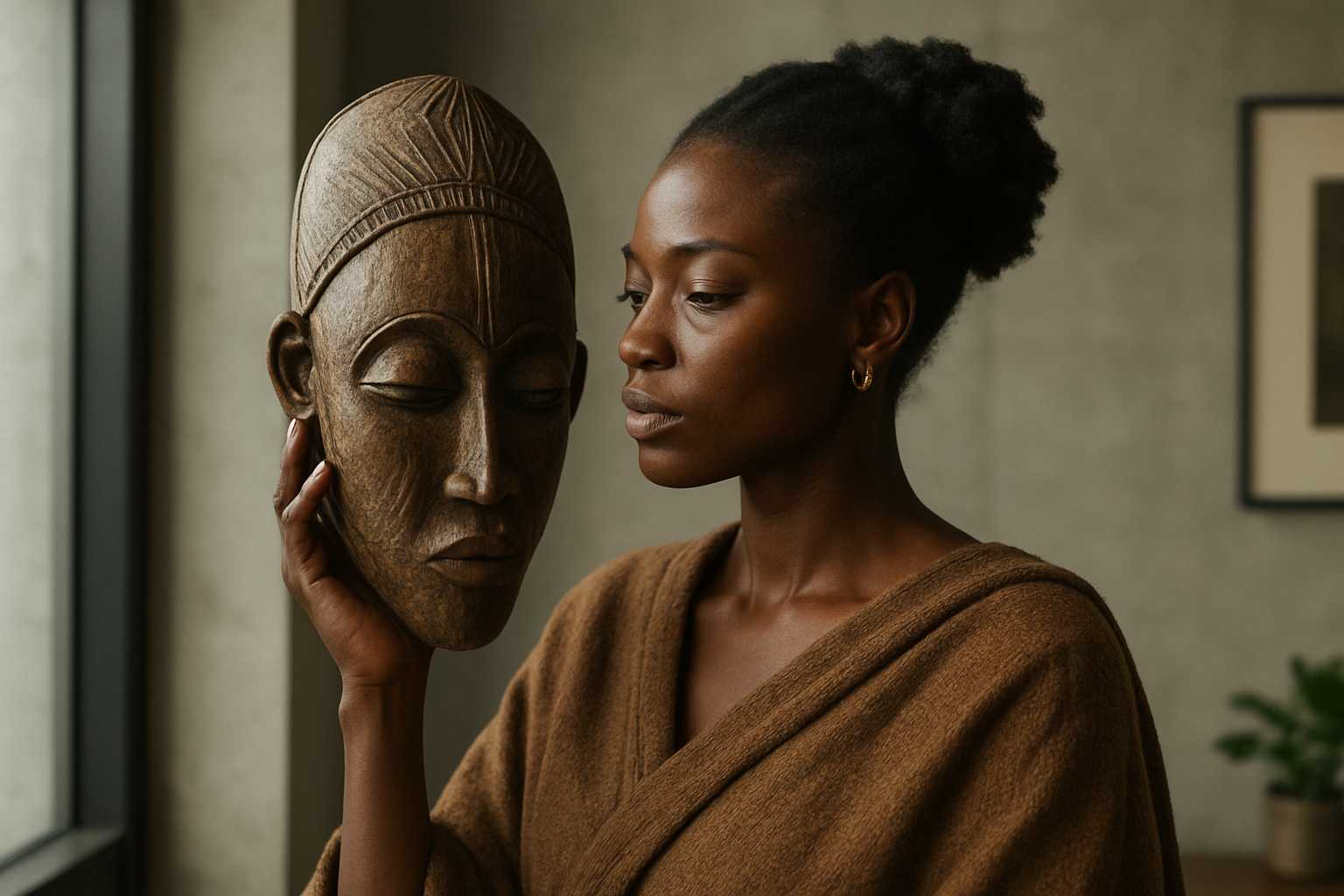
    In an era where the rigidity of traditional religious practices often seems at odds with the fluidity of modern life, a shift is occurring. People worldwide are seeking spiritual fulfillment outside the boundaries of established religions. This evolution in spiritual practice invites individuals to create an individual connection with the divine, nourishing their souls in ways that align with their personal beliefs and lifestyles.

    The Decline of Traditional Religion

    The decline of traditional religions, especially in Western societies, has been significant over the past few decades. According to a 2021 survey by Pew Research Center, the number of people identifying as religiously unaffiliated has increased dramatically, making up nearly 30% of the U.S. population.

    “The unaffiliated are growing, not only in the United States but all over the world,” notes Pew Research.

    This shift is not necessarily indicative of a move away from spirituality; rather, it suggests a search for a more personal and meaningful connection with one’s sense of the sacred.

    Emergence of Modern Spiritual Practices

    As traditional religious engagement wanes, diverse spiritual practices have emerged, often drawing on ancient philosophies while adapting to contemporary contexts. These practices emphasize personal experience and inner transformation over dogma and institutional adherence.

    • Meditation and Mindfulness: Rooted in ancient traditions such as Buddhism and Hinduism, meditation has found a new home in the West. Practitioners use it to cultivate mindfulness, reduce stress, and build a deeper sense of empathy and awareness.
    • Yoga: Originally a spiritual practice in the Indian subcontinent, yoga has evolved in the West primarily as a form of physical exercise. However, for many, it remains a deeply spiritual practice that promotes harmony between mind, body, and spirit.
    • Nature-based Spirituality: A re-engagement with nature offers spiritual fulfillment to many. Be it through eco-spirituality, Druidry, or simply spending time in nature, people find solace and connection with the divine in the natural world.
    • Energy Healing and Reiki: Practices focused on the human energy field, such as Reiki, have gained popularity. They are seen as pathways for balancing energy and achieving spiritual and emotional health.

    These practices are often combined, allowing individuals to craft a personalized spiritual path that speaks to their soul and lifestyle.

    Technology and Spirituality

    The digital age has also contributed to the evolution of modern spirituality. Technology enables access to spiritual teachings and communities like never before. Apps dedicated to meditation, yoga practice, and even astrology garner millions of monthly users.

    Furthermore, online communities provide a platform for individuals to connect with like-minded individuals across the globe. As The New York Times observes, these digital spaces have become crucial for those seeking support and guidance outside traditional religious settings.

    “Platforms like Headspace and Insight Timer make spiritual practices accessible and customizable, appealing to a generation seeking mindfulness and calm amidst modern chaos,” The New York Times reports.

    The Individual’s Spiritual Journey

    While organized religion often provides a well-defined spiritual path, the growing preference for personalized spirituality allows for exploration and self-discovery. This individualistic approach enables people to engage with spiritual texts, rituals, and practices in a way that feels authentic and resonant with their personal lives.

    Indeed, Psychology Today suggests that such personal exploration can lead to a “rich and fulfilling spiritual life,” encouraging individuals to seek truths and wisdom across wisdom traditions and philosophical teachings.

    Despite the risks of cultural appropriation and commodification—challenges well-documented by scholars—modern spiritual seekers advocate for respectful and informed engagement with diverse spiritual practices.

    Conclusion

    Spirituality beyond the canon represents a significant evolution in how we understand and engage with the divine. It empowers individuals to find meaning and connection in a multifaceted world, emphasizing a deeply personal journey and the search for one’s own truth.

    As society continues to evolve, so too will these modern spiritual practices, reflecting the dynamic and ever-changing landscape of human belief and experience. In this search beyond the canon, new traditions may emerge, blending the wisdom of the ages with the insights of modernity, continually renewing the soul of spirituality itself.