Tag: tradition

  • The Power of Perspective: Re-examining the Frame of Tradition

    The Power of Perspective: Re-examining the Frame of Tradition

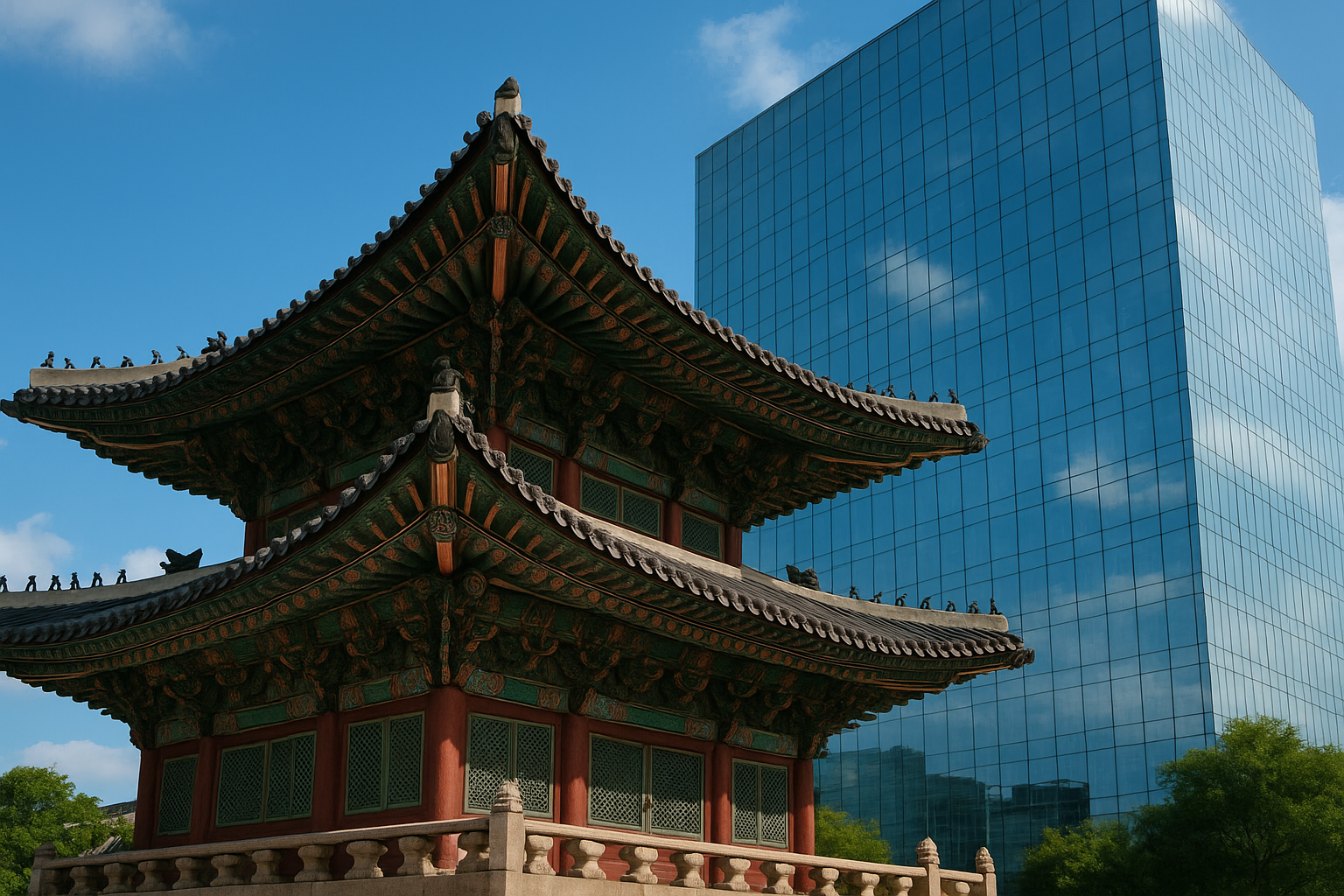
    Tradition is a cornerstone of culture and identity, offering a comforting familiarity and a sense of continuity across generations. It serves as an anchor in the sea of rapid societal changes. However, as society evolves, it becomes crucial to re-examine these traditions through a modern lens to ensure they continue to serve the greater good.

    Re-evaluating traditions is not about dismissing the past but rather enhancing our understanding of its relevance in today’s world. As the philosopher Friedrich Nietzsche once opined, “The snake which cannot cast its skin has to die. As well the minds which are prevented from changing their opinions; they cease to be mind.” This idea encourages us to shed outdated practices while embracing the valuable core that traditions uphold.

    The Importance of Adaptation

    Adaptation is vital in ensuring that traditions serve the present and future in meaningful ways. Consider the evolution of family values. While the traditional family structure is undergoing changes, the essence of family—support, love, and unity—remains constant. This shift is reflected in modern media, such as the 2017 animated film Coco, which celebrates the Mexican tradition of Dia de los Muertos. The film highlights family bonds while engaging with contemporary themes about self-identity and personal aspiration.

    Cultural Perspectives and Growth

    Viewing traditions through different cultural perspectives can provide the clarity needed for growth and transformation. A compelling example is the recent rise of interest in indigenous practices and perspectives, as seen in the works of author Robin Wall Kimmerer. In her book Braiding Sweetgrass, Kimmerer integrates indigenous wisdom with scientific knowledge, promoting a harmonious relationship with the environment.

    “We are all bound by a covenant of reciprocity: plant breath for animal breath, winter and summer, predator and prey, grass and fire, night and day, living and dying.”

    Conclusion

    Re-examining tradition does not imply resistance to cultural heritage but, rather, an evolution of understanding. It is about ensuring cultural practices grow with the society they shape. By doing so, we maintain a dynamic relationship with our traditions, acknowledging both where we come from and where we’re heading.

    In summary, tradition, when re-evaluated with an open perspective, can be a powerful force that upholds the values we cherish while encouraging progress. It is through this balance of reverence and innovation that we can continue to find value and purpose in the traditions of our ancestors.

  • The Echo Chamber: Tradition’s Influence on Contemporary Music

    The Echo Chamber: Tradition’s Influence on Contemporary Music

    The Echo Chamber: Tradition’s Influence on Contemporary Music

    In the ever-evolving landscape of contemporary music, the past resonates with a powerful presence. The echo chamber of tradition shapes the soundscape of modern compositions, infusing them with echoes of familiar motifs and structures. Whether it’s through the deliberate integration of classical elements or the adaptation of historical genres, today’s artists accredit much of their innovation to musical legacies long established.

    Revival of Classical Elements

    Recent years have seen a noticeable resurgence in the integration of classical music techniques within contemporary compositions. The likes of Max Richter and Olafur Arnalds exemplify this trend, as they infuse modern electronic music with orchestral elements that harken back to the 18th and 19th centuries.

    “I want people who might not necessarily engage with classical music to understand that it’s this beautiful, living language,” said Max Richter in an interview with NPR.

    Richter’s work, such as his recomposition of Vivaldi’s “The Four Seasons,” highlights an inclination towards preserving the essence of classical music while enveloping it in a contemporary context. This not only preserves traditional elements but also introduces them to new audiences.

    Adapting Historical Genres

    Another poignant method through which tradition permeates modern music is the adaptation of historical genres. Genres such as jazz and blues have not only persisted but have also transformed, influencing a myriad of modern music styles from pop to indie.

    • Jazz: Once a cornerstone of musical evolution, today’s jazz influences artists like Norah Jones and Kamasi Washington, both of whom blend classic jazz elements with modern-day narratives.
    • Blues: The soulful sounds of blues underpin much of the storytelling found in contemporary music genres, most notably in works by artists like Adele and Jack White.

    The Future Resonates with the Past

    Modern musicians, rather than eschewing the old, continue to draw from the well of tradition to craft innovative sounds that are both fresh and familiar. As the industry evolves, the fusion of traditional and contemporary elements seems set to expand, reaffirming that the echoes of the past will continue to reverberate through the music of the future.

    In essence, the tradition acts as both an anchor and a springboard in the creation of contemporary music, ensuring that while we move forward, we are perpetually reminded of the rich tapestry of our musical heritage.

  • Shattering the Mirror: The Deconstruction of Dance Tradition

    Shattering the Mirror: The Deconstruction of Dance Tradition

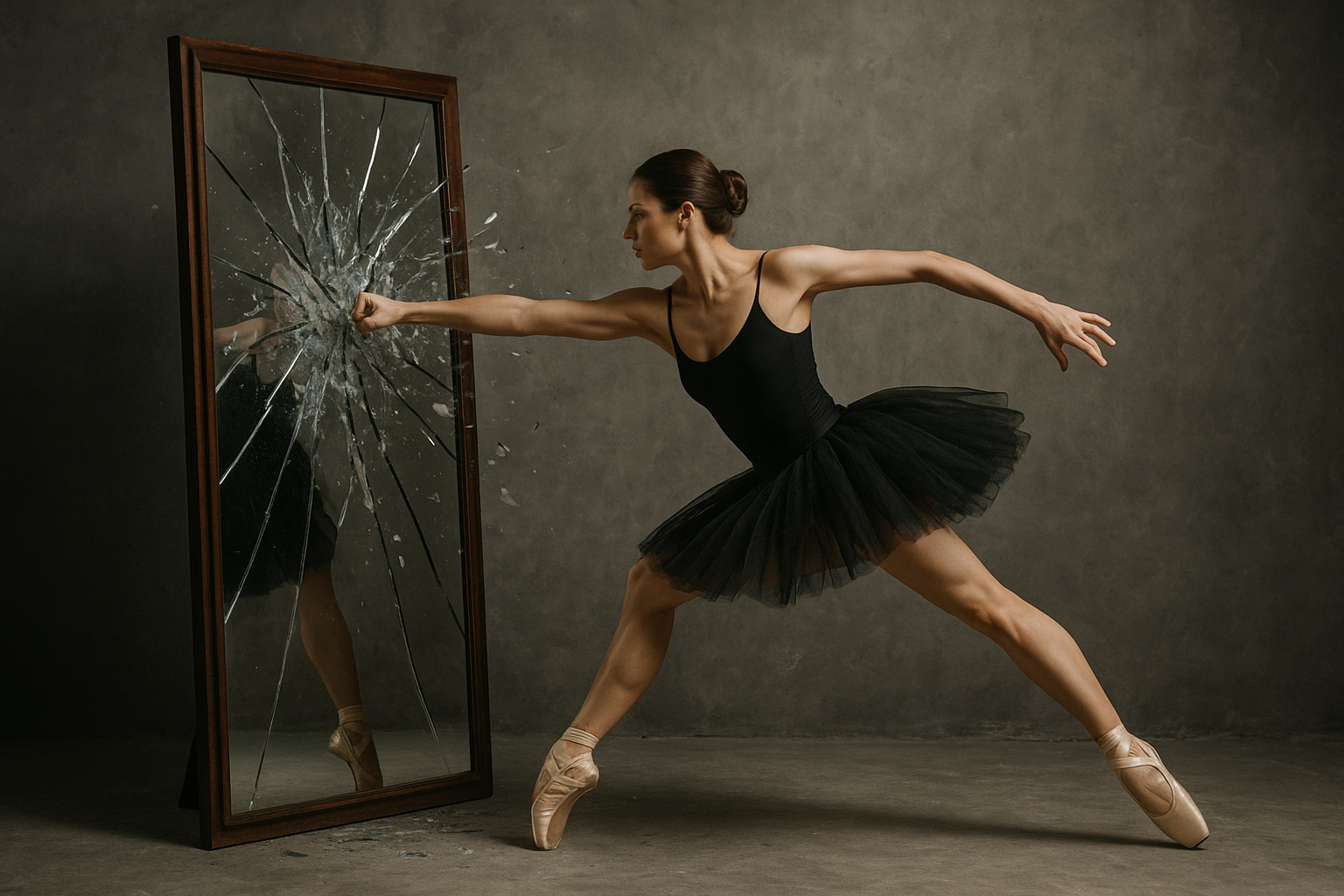
    Dance, a universal language, has been a reflection of cultural identity, tradition, and evolution. It is both an art and a form of communication, able to convey deep emotions and stories without words. Yet, in recent years, the traditional mirror of dance reflects not an unyielding gaze into the past, but a kaleidoscope of deconstruction, innovation, and new narratives. This article delves into how dance traditions are being re-examined, deconstructed, and reimagined in contemporary contexts.

    The Historical Foundation of Dance

    Throughout history, dance has served as a vehicle for storytelling and cultural preservation. Consider classical ballet, which epitomizes the codification of movement and narrative. Originating in the courts of the Italian Renaissance before spreading to France and Russia, ballet became a highly structured art form, as referenced by Britannica, which states, “The dance form reached its peak as a complex danced drama during the 19th-century Romantic ballet.”

    Similarly, traditional dances such as India’s Bharatanatyam or Spain’s Flamenco are steeped in cultural rituals, often being passed down through generations. Each style not only embodies artistic expression but also serves as a living history of its people.

    Challenging the Status Quo

    While honoring tradition is vital, the modern era has ushered in waves of change that urge us to rethink established norms, including those in dance.

    The Influence of Postmodern Dance

    In the 1960s, the postmodern dance movement emerged, challenging existing perceptions by questioning the very essence of dance. Pioneering artists like Yvonne Rainer and Trisha Brown embraced the phrase ‘no to spectacle’ and questioned narrative and form. Their work eschewed the traditional elements of structured choreography, costumes, and mood-setting music.

    Rainer, in her “No Manifesto”, famously declared, “No to spectacle, no to virtuosity, no to transformations and magic and make-believe, no to the glamour and transcendency of the star image.”

    The Rise of Contemporary Dance

    Contemporary dance, distinct from its classical predecessors, merges elements from various styles, fostering an open-ended platform for expression. Its very nature is one of fusion and reinvention. As such, it serves as a powerful mechanism for deconstructing traditional dance and reconstructing it with new relevance.

    According to the Dance Consortium, a collective that aims to increase public interest in dance, contemporary dance is “characterized by its expressive nature, its use of unconventional techniques, and its acceptance of a wide array of influences.”

    Cultural Intersections

    Dance is increasingly seen as a reflection of globalization, where cross-cultural exchanges enrich traditional practices. This intersection has given rise to innovative collaborations and hybrid dance forms.

    • Interactive Fusion: Dancers frequently integrate elements from diverse traditions, creating unique expressions. For instance, the ‘Bollywest’ genre blends Bollywood and Western modern dance, appealing to broad audiences.
    • Cultural Dialogues: Modern-day choreographers often engage with issues of identity and belonging, expressing themes of diaspora, migration, and cultural hybridity. Choreographer Akram Khan, whose works intertwine Kathak and contemporary dance, exemplifies this blend.

    In an interview with The Guardian, Khan discusses how, “Dance has become a dialogue between cultures, an interaction where traditional boundaries dissolve into shared humanity.”

    Social and Political Narratives

    Dance is more than an art form; it’s a powerful tool for social commentaries and political movements.

    • Protest and Activism: Dance has been prominently featured in movements such as Black Lives Matter, where dancers use their bodies to protest against racial injustices.
    • Gender and Representation: Many choreographers focus on breaking gender stereotypes, questioning norms, and opening up spaces for underrepresented voices in the dance community.

    Dance in this century, thus, is not insular but deeply interconnected with societal currents, boldly addressing the issues of the day through innovative performance.

    The Digital Revolution

    The rise of digital platforms and technology has further expanded the canvas of dance. Virtual reality and digital mapping allow for unforeseen possibilities, as performances are released from traditional spaces and extended into digital realms.

    Live-streamed performances and online dance challenges on platforms like TikTok democratize and decentralize the art form, engaging global audiences and influencing new styles and trends.

    Conclusion: Realigning the Mirror

    As dance continues to evolve, breaking free from its own constraints, it calls into question what it means to preserve tradition while embracing change. The creative deconstruction of dance tradition is not the erasing of history but its reimagining, offering audiences new perspectives. As this dynamic art form continues to develop, it invites both artists and audiences alike to reflect on, challenge, and contribute to its bold narrative.

    Indeed, as choreographer Martha Graham aptly summarized, “Dance is the hidden language of the soul.” As we deconstruct its traditions, may we uncover even deeper meanings beneath its mesmerizing surface.

    This shattering of the mirror is not a critique but an evolution—an opportunity to see beyond reflections and discover the vast possibilities of human expression that lie beyond.

  • Shifting Perspective: When Tradition Becomes Inspiration

    Shifting Perspective: When Tradition Becomes Inspiration

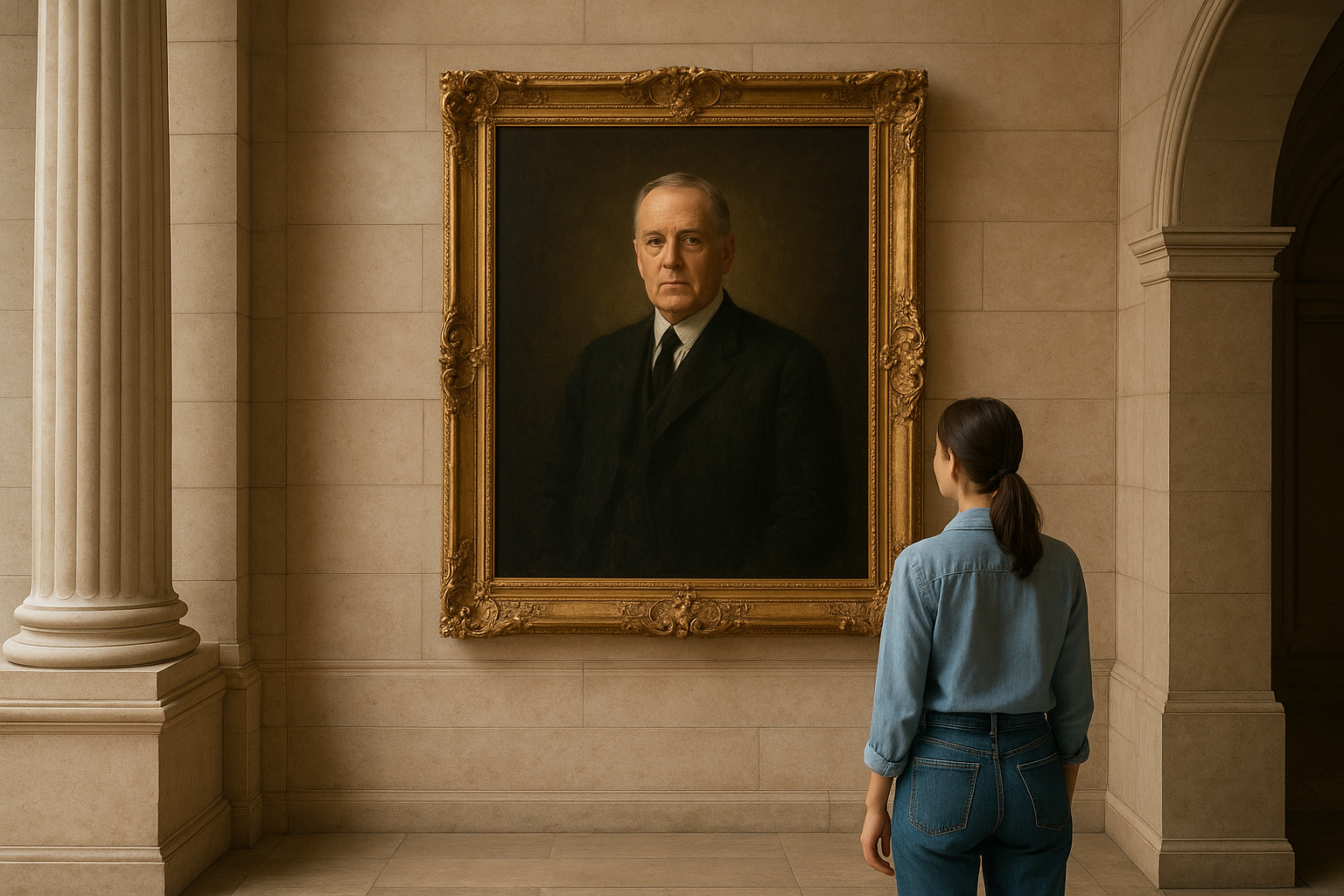
    In a rapidly evolving world, the delicate balance between innovation and tradition often fuels debates across diverse fields—from technology to art and culture. As society advances, there is an inclination to view traditions as relics of the past. However, many are beginning to realize that traditions can serve as a profound source of inspiration, bridging the generational gap and fostering a sense of identity and continuity.

    The Role of Tradition in Modern Society

    Traditions are the bedrock of cultural identity. They provide a sense of belonging and continuity that is pivotal amidst the transient nature of contemporary life. According to a Britannica article, “Traditions offer a way for societies to maintain a connection with their cultural heritage while providing frameworks within which new ideas can be explored.”

    The past decade has seen a resurgence of interest in cultural practices and traditional crafts. From artisanal goods becoming increasingly popular among younger generations to the adoption of sustainable farming practices inspired by traditional methods, the old is becoming new again.

    Tradition as a Catalyst for Innovation

    Interestingly, rather than stifling creativity, traditions often serve as a springboard for innovation. Historically, many great innovators have drawn deeply from traditional knowledge and practices. For example, architect Frank Lloyd Wright famously stated, “Every great architect is — necessarily — a great poet. He must be a great original interpreter of his time, his day, his age.”

    Wright’s designs, such as the iconic Fallingwater, are testaments to the seamless integration of modernist designs with natural landscapes, drawing from Japanese traditional aesthetics that emphasize harmony with nature.

    Examples of Tradition Fueling Innovation

    • Fashion: The fashion industry continually revisits traditional attire. For instance, the Indian sari is continuously reimagined by designers worldwide who incorporate modern fabrics and cuts while retaining its essence.
    • Technology: In the tech world, traditional algorithms and ancient problem-solving methods are often revisited and adapted to solve new-age problems. The inspiration from the abacus, an ancient calculating tool, can be seen in today’s computer programming.
    • Cuisine: Culinary arts also demonstrate the fusion between tradition and innovation with chefs globally taking classic dishes and giving them a modern twist, like molecular gastronomy that transforms traditional Indian spices into new forms.

    Preservation Versus Progress

    While the blend of tradition and innovation can lead to remarkable outcomes, this synergy often comes against a backdrop of tension between preservation and progress. The fear is that as we innovate, we might lose sight of the original cultural significance of these traditions.

    “The risk of transforming traditions is that they might lose their authenticity,” notes cultural anthropologist Dr. Emily Ryder. “However, when approached with respect and an understanding of their origins, innovation can lead to a revitalization of these traditions, making them relevant to younger generations.”

    Therefore, the challenge lies in ensuring that while traditions are being transformed, their essence remains intact, allowing them to inspire future generations.

    The Future of Tradition-Inspired Innovation

    The future holds exciting potential for tradition-inspired innovation. As global awareness of cultural diversity improves, the appreciation for traditional knowledge and practices is likely to deepen. This growing sensitivity can facilitate more responsible and respectful adaptations of traditions in modern endeavors.

    One notable example is the increased incorporation of indigenous knowledge in environmental conservation efforts. By integrating traditional ecological knowledge with modern scientific practices, environmentalists can develop more sustainable approaches to managing natural resources. A report by the Intergovernmental Panel on Climate Change highlights, “Combining indigenous and local knowledge with the latest scientific research contributes to greater resilience and reduces vulnerability to climate change.”

    Conclusion

    In conclusion, traditions should not be viewed solely as instruments of the past but rather as dynamic, living entities capable of inspiring novel expressions across various disciplines. By respecting and embracing the lessons embedded in traditions, society can unlock a wellspring of inspiration that fuels innovation while retaining a strong sense of identity.

    As we move forward, the challenge for individuals and communities alike will be to strike a harmonious balance—honoring the rich tapestry of our cultural heritage while simultaneously forging paths toward a future that is both innovative and deeply rooted in tradition.