Tag: toward

  • The Mountain Within – Climbing Toward Inner Stillness

    The Mountain Within – Climbing Toward Inner Stillness

    The Mountain Within: Climbing Toward Inner Stillness

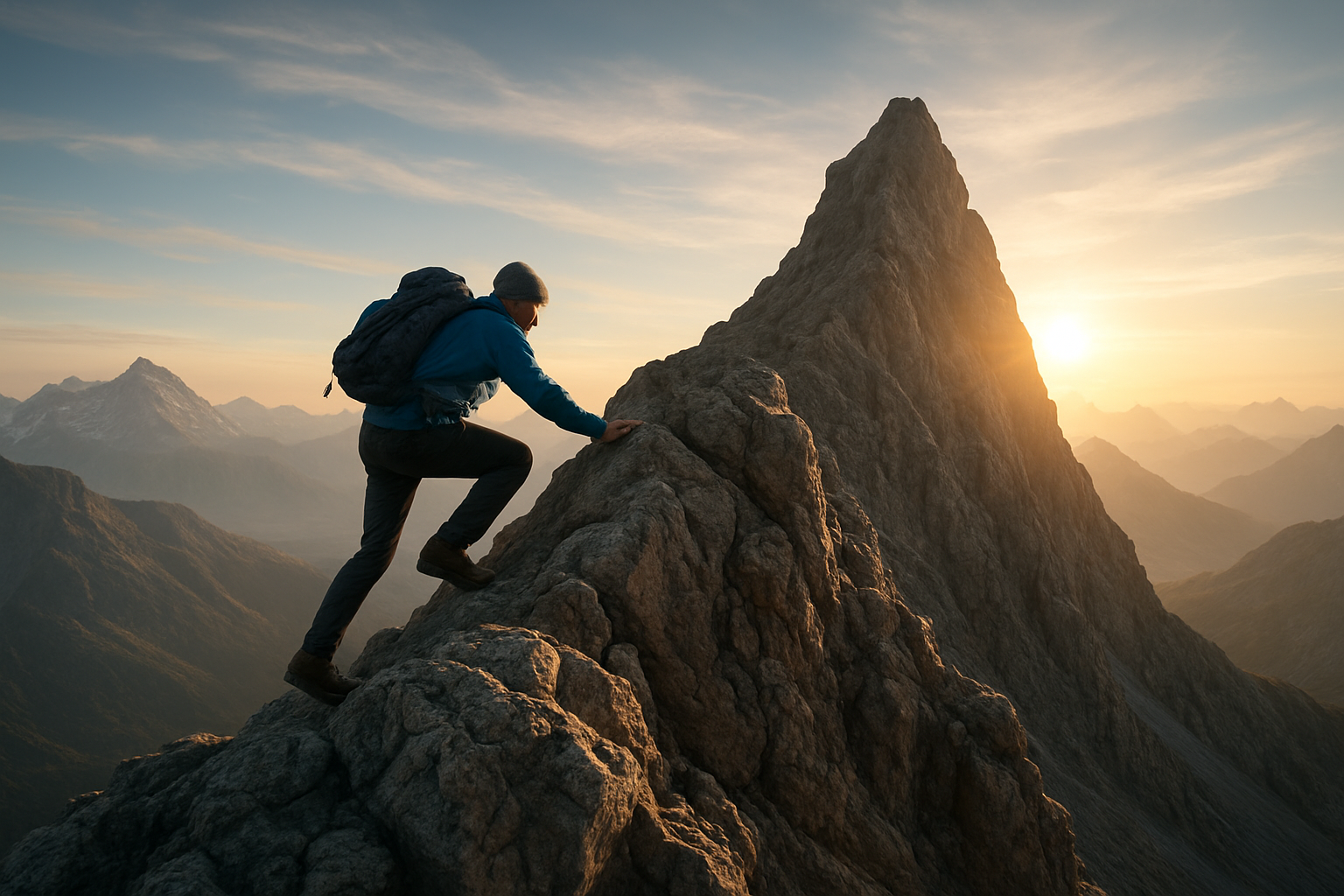
    In a world dominated by noise and relentless pace, the quest for inner stillness remains a pursuit as compelling as summiting the highest peaks. Those who have experienced the transformative power of climbing a mountain often draw parallels between this physical journey and the spiritual exploration of finding peace within. In both paths, the aim is discovery—of the world, yes, but more profoundly, of oneself.

    The Call of the Mountains

    The allure of mountains is timeless and universal, pulling adventurers and spiritual seekers alike toward their lofty summits. As John Muir, the renowned naturalist, famously said,

    “The mountains are calling, and I must go.”

    His words capture the irresistible pull of these majestic landscapes, representing both an outward journey into nature and an inward journey toward self-discovery.

    • Challenge and Growth: The physical challenges posed by mountains can reflect the hurdles one faces on their inner journey. The patience, resilience, and courage developed while navigating treacherous terrain are the same traits necessary for cultivating inner peace.
    • Perspective and Clarity: Standing atop a mountain affords a view that stretches beyond the horizon, offering clarity and perspective. Similarly, climbing the metaphorical mountain within allows individuals to rise above the chaos of daily life, gaining insight and understanding.
    • Solitude and Reflection: Time spent in the mountains is often characterized by solitude, which provides a fertile ground for reflection and introspection. Such environments encourage mindfulness and help individuals connect with their innermost selves.

    Steps to Climb the Inner Mountain

    While the ascent of actual peaks requires physical preparation and equipment, climbing the mountain within demands a different toolkit. These are the steps that can expedite the journey toward inner stillness:

    Cultivating Mindfulness

    Mindfulness is the practice of being present in the moment, a skill essential for both physical and spiritual climbing. According to Psychology Today, “Mindfulness is a state of active, open attention to the present.” It allows individuals to embrace their thoughts and feelings without judgment, fostering a sense of inner calm.

    Embracing Silence

    Amidst the frenetic pace of modern life, silence is a rare commodity. Yet, it is in silence that inner stillness can be truly cultivated. As Paul Tillich wisely put it,

    “The first duty of love is to listen.”

    Embracing silence creates the space to listen to oneself deeply.

    Practicing Gratitude

    • Keeping a gratitude journal can shift focus from anxiety to appreciation, fostering a more peaceful internal environment.
    • Gratitude enables individuals to accept and learn from their life experiences, akin to reaching one peak before moving toward another.

    The Role of Nature in Finding Inner Stillness

    Nature is a profound teacher in the quest for peace. The therapeutic effects of spending time in natural settings are well-documented, providing a crucial backdrop for inner exploration. An article from Frontiers in Psychology highlights how “exposure to natural environments has been associated with a range of benefits, including improved mood and reduced stress levels.”

    Moreover, the patterns and cycles of nature offer wisdom for those looking inward. The rhythmic ebb and flow of the tides, the quiet yet powerful growth of trees, and the patient erosion of mountains all teach lessons of perseverance, patience, and tranquility.

    Conclusion: The Summit of Inner Peace

    Whether scaling physical mountains or navigating the inner landscape of the mind, the journey toward stillness is one of the most rewarding endeavors one can undertake. By cultivating mindfulness, embracing silence, and drawing inspiration from the natural world, individuals can reach new heights within themselves. As we climb the mountains that stand before us—both literal and metaphorical—may we find the peace and clarity that come from standing at the summit.

    Embrace the journey, and discover the mountain within.

  • Pilgrimage to Stillness – Walking Toward the Heart of Nothingness

    Pilgrimage to Stillness: Walking Toward the Heart of Nothingness

    In a world overwhelmed by noise and relentless turmoil, the quest for stillness becomes a profound pilgrimage. This journey, often undertaken within the depths of one’s own mind, seeks to walk toward the heart of nothingness — a concept that both mystifies and liberates the seeker.

    The Quest for Silence

    The pilgrimage to stillness is paradoxical in its nature. It asks travelers to venture outwards, into the chaos of existence, while simultaneously delving inward, peeling away layers to reach the serene abode of nothingness. This nothingness, rather than being an emptiness, is a space brimming with potential and clarity.

    Ancient traditions have long heralded the importance of moving towards inner tranquility. Practitioners of Zen Buddhism, for instance, often engage in meditation practices that emphasize satori — a state of nothing but pure presence and awareness. According to the Zen master Takuan Soho, “The mindset of no-mindedness transcends thinking and touch-the-earth, so that all that remains is the spontaneous and the inevitable.”

    Steps Along the Path

    The journey towards the heart of nothingness can be intimidating, yet approachable if broken into several key steps:

    • Embrace Simplicity: Detaching from the unnecessary clutter — both physical and mental — can help pave the way for more profound insights. The minimalist movement preaches decluttering to find clarity; a principle that holds strong even in spiritual journeys.
    • Practice Mindfulness: Being fully present in each moment without judgment allows one to experience each facet of existence more vividly. A study from Harvard University highlights that mindfulness can improve emotional regulation and increase mental clarity, akin to clearing a fogged mirror of its haze.
    • Seek Silence: Intentionally incorporating periods of silence into daily life can help cultivate an inner stillness. Whether it’s through meditation, nature walks, or simply sitting in silence, this practice can allow the paradox of nothingness to emerge.
    • Embrace Solitude: Time spent in solitude does not equate to loneliness. Instead, it can nurture self-discovery and prepare the mind for the epiphanies that often accompany a stillness-centered life.

    The Heart of Nothingness

    At the core of this pilgrimage lies the hauntingly beautiful concept of nothingness. Philosophically, this state might sound barren, yet it is quite the opposite. The philosopher Laozi once said: “To the mind that is still, the whole universe surrenders.” This emphasizes that the true potential of nothingness lies in its capacity to receive, comprehend, and transform.

    Stillness is where the fragmented pieces of life come together in a seamless dance, enabling clarity and understanding. It’s where one hears the whisper of the universe, undistracted by the cacophony of daily life. It is the place from where creation itself springs forth.

    Modern Implications

    In today’s hyper-connected world, the pilgrimage not only holds spiritual significance but also resurfacing psychological benefits. The American Psychological Association reports that meditation and mindfulness exercises, which are gateways to stillness, can reduce stress, improve attention, and enhance one’s overall well-being.

    “The quieter you become, the more you can hear.” — Ram Dass

    This nous aligns with a growing societal recognition of the need to disconnect in order to reconnect — to ourselves, each other, and the world around us.

    Conclusion

    The pilgrimage to stillness is a timeless journey that beckons those yearning for purpose and peace within the chaos of life. By walking towards the heart of nothingness, we open the door to infinite possibilities where insight lay dormant and tranquility reigns supreme.

    As we each embark upon this pilgrimage, the footprints we leave behind may well be in the sand — lightly trodden, yet profound in their silent declaration. It is a journey toward simplicity, clarity, and the elusive, yet ever-present, heart of nothingness.