Tag: through

  • Wind, Dust, and Dharma

    Wind, Dust, and Dharma

    In the vast expanse of spiritual exploration, the imagery of wind and dust often emerges to symbolize the impermanence of life and the continual journey of dharma. These elements not only permeate the physical realm but also resonate deeply within the philosophical and spiritual teachings of Buddhism. Understanding these elements through the lens of dharma can offer profound insights into our own spiritual paths.

    The Wind: A Metaphor for Change

    The wind, in many spiritual traditions, is a powerful symbol of change and transformation. In Buddhism, it represents the ever-present force of anicca—impermanence. As Buddhist epistemology suggests, everything is subject to change, and nothing is permanent. The wind, with its ability to shift landscapes and alter environments, embodies this dynamic nature of existence.

    “Just as the wind moves, so should we let go and move in our spiritual journey,” emphasizes Thich Nhat Hanh, a renowned Zen master and author.

    • Embrace Change: Just as the wind reshapes the earth, embracing change allows personal growth.
    • Adaptability: The flexibility of the wind teaches us adaptability in our spiritual quest.

    Dust: The Residue of Life

    In contrast, dust represents the remnants of what has been—tiny particles that linger, symbolizing the transient nature of our physical forms and experiences. The Buddha taught that clinging to the physical is akin to trying to grasp at dust; it will slip through your fingers, leaving you with nothing but the memory of its presence.

    Dust invites reflection on the Five Aggregates, which are form, sensation, perception, mental formations, and consciousness. Understanding these aggregates allows individuals to see that just like dust, these components are ephemeral and ultimately insubstantial.

    “He who binds to himself a joy, does the winged life destroy; but he who kisses the joy as it flies, lives in eternity’s sunrise,” poet William Blake encourages a similar release of attachment through his words.

    Finding Balance Through Dharma

    The essence of dharma is to find balance amidst the winds of change and the dust of the past. The Buddhist path encourages followers to cultivate mindfulness and live in accordance with the teachings of the Buddha, thereby experiencing the middle way—a state of harmony between extremes.

    • Mindful Living: By living mindfully, one can remain grounded yet flexible, like a tree swaying in the wind.
    • Letting Go: Releasing attachment to the material realm allows spiritual liberation.

    In summary, the interplay of wind, dust, and dharma invites us to reflect deeply on our existence. Through understanding these elements, we can navigate our spiritual journeys with grace and equanimity, continually aligning ourselves with the path of wisdom and compassion.

  • Awakening Through the Landscape

    Awakening Through the Landscape

    Awakening Through the Landscape: Discovering New Sensations in Nature

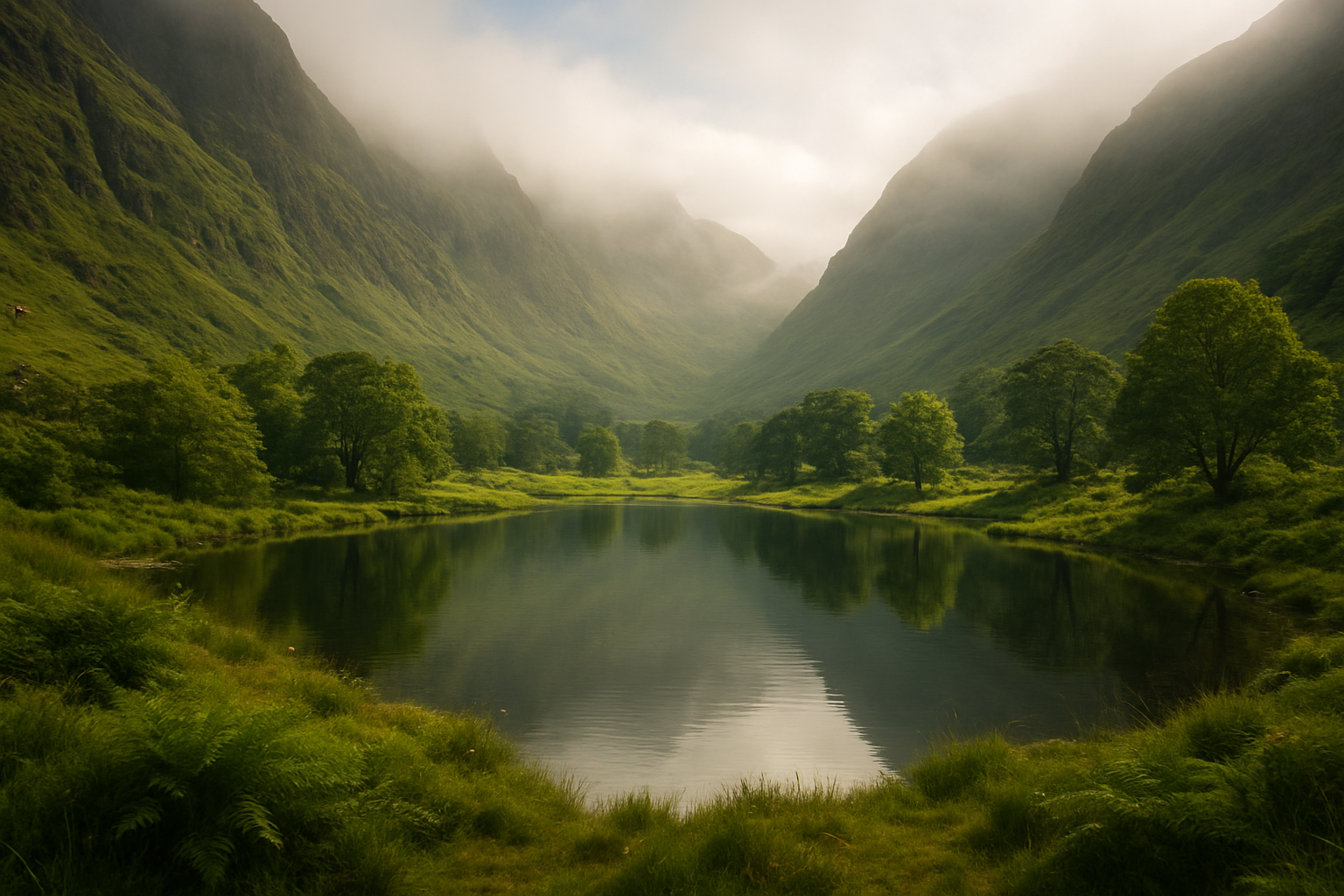
    In an increasingly urbanized world, the call of the natural landscape offers a reprieve from the incessant pace of modern life. The desire to immerse oneself in nature speaks to an innate need to connect with environments older than human civilization. This awakening through the landscape is not just a physical journey but also a profoundly transformative experience.

    The Therapeutic Power of Nature

    Research has extensively documented how nature impacts our mental health. According to a study published by SAGE Journals, spending time in natural settings can significantly improve one’s mood and reduce symptoms of anxiety and depression. The variety of textures, colors, and scents found in natural landscapes stimulate a sensory awakening, profoundly affecting our well-being.

    “In every walk with nature, one receives far more than he seeks.” — John Muir

    Rediscovering the Simple Joys

    The landscape’s ability to awaken our senses can be boiled down to simplicity. This simplicity encourages us to engage in the moment, far removed from digital distractions. Through the landscape, people rediscover the joys of hearing birdsong, feeling the crunch of leaves beneath their feet, and watching the dance of light across a rippling stream.

    Engaging all senses, these experiences help foster a sense of peace and broaden our perspectives. Urban environments often confine our senses within narrow parameters, whereas the vast expanses of a natural landscape call out to every facet of our sensory palette.

    The Spiritual Connection

    For many, nature is a pathway to a deeper, spiritual connection. Native wisdom and ecospirituality commonly acknowledge the landscape as a sacred space. The Ecospirituality Foundation describes this connection as a deep respect for the Earth, a belief ingrained in countless indigenous cultures around the world.

    Experiencing the raw beauty of a landscape can feel akin to a spiritual revelation, serving as a reminder of one’s place within the larger tapestry of life. This awareness frequently leads to an internal journey, fostering a profound sense of humility and gratitude.

    Landscapes as Teachers

    The landscape not only provides a backdrop for reflection but also acts as a teacher. Figures like Henry David Thoreau in Walden emphasize the lessons nature has to teach us about self-sufficiency, patience, and harmony.

    “Look deep into nature, and then you will understand everything better.” — Albert Einstein

    • Observation: Tuning into the subtle changes in a landscape reveals nature’s rhythms and cycles, teaching valuable lessons about adaptability and resilience.
    • Patience: Watching an unfolding sunrise requires us to slow down and appreciate the present, reminding us that not all progress needs haste.
    • Interconnectedness: Witnessing the delicate balance of an ecosystem imparts an understanding of how every action ripples through the environment, emphasizing sustainability and responsibility.

    Practical Ways to Start Awakening Through the Landscape

    For those eager to embark on a journey through the landscape, several practical approaches can help deepen this connection:

    • Micro-Adventures: Even short ventures into local parks or green spaces can offer dramatic benefits.
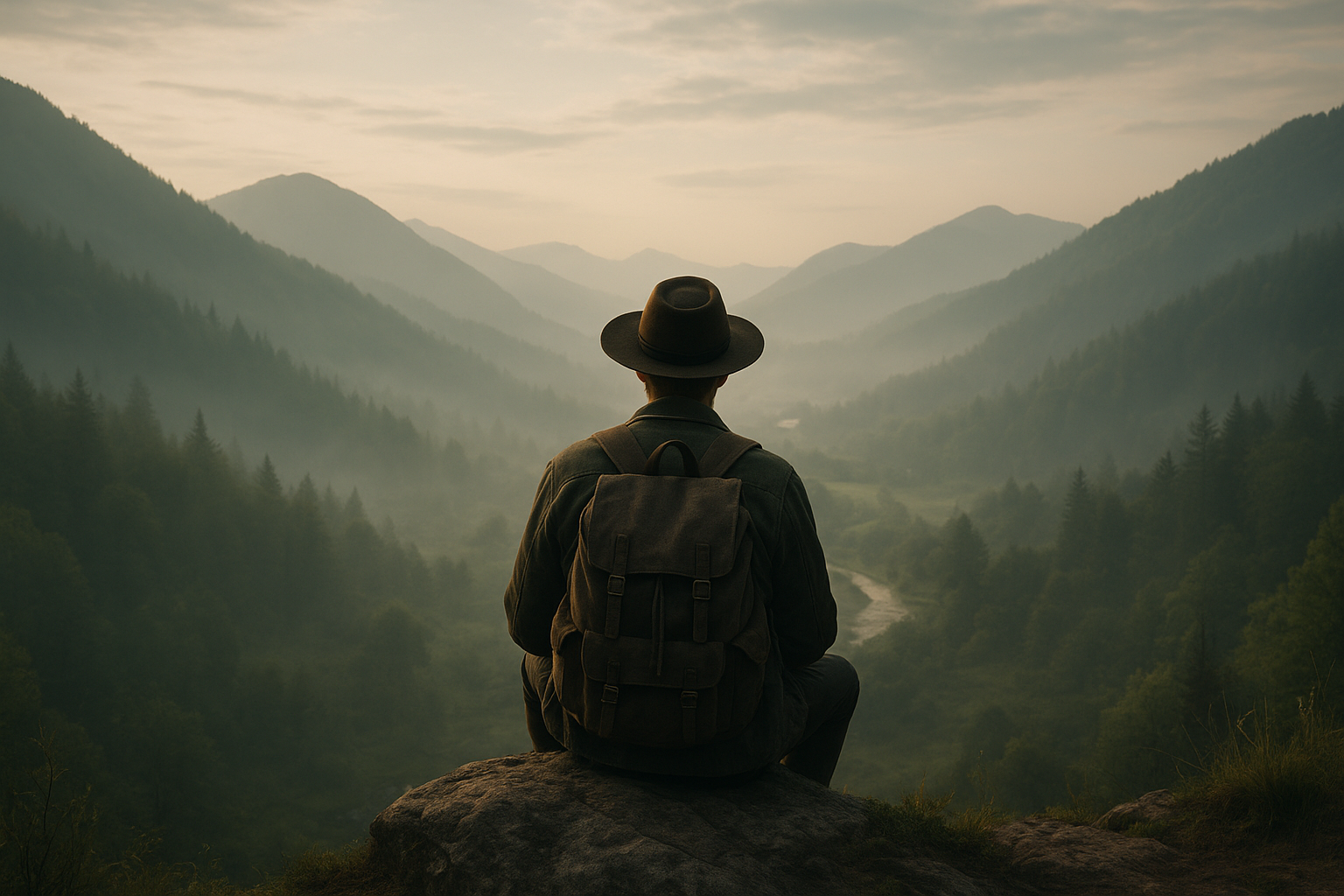
    • Mindful Hiking: Treat each step as a meditation, focusing on the physical sensations and the beauty around you.
    • Nature Journals: Recording thoughts, sketches, or observations fosters deeper reflection and engagement with the landscape.

    Awakening through the landscape encourages a lifelong journey, beginning with tentative footsteps on a trail and culminating in a deeper understanding of ourselves and our world. The landscape beckons, ready to impart its ancient wisdom to those who seek it.

  • Chi and the River

    Chi and the River

    Chi and the River: Exploring Spirituality and Connection Through Water

    The concept of Chi, also known as Qi, has been a fundamental part of Eastern philosophy and traditional medicine for centuries. Often described as the life force or vital energy that flows through all living things, Chi is integral to practices such as Tai Chi, Feng Shui, and various forms of Chinese medicine. In recent years, Western audiences have become increasingly fascinated by this concept, exploring its implications in various aspects of life, including the natural world. One of the most captivating analogies is seeing Chi mirrored in the flowing dynamics of a river.

    “Chi is the circulating life energy that in Chinese philosophy is thought to be inherent in all things. In traditional Chinese culture, it’s believed that disruptions to your Chi can result in illness and imbalance.” – Encyclopedia Britannica

    The River as a Metaphor for Chi

    Rivers are often used symbolically in literature and art to represent the flow of time, life’s journey, and the constant change inherent in our existence. In the study of Chi, these flowing waters serve as a poignant metaphor for how energy courses through our bodies and the universe at large:

    • Flow and Movement: Just as a river flows continuously, unhindered, so should the Chi within us. Any blockage in this flow can lead to disruptions, much like a dam causing a buildup of pressure in a river.
    • Interconnectedness: All rivers eventually reach an ocean, highlighting the interconnectedness of different parts of a larger system. This is akin to Chi, which connects us to the environment, others, and the cosmos.
    • Adaptability: A river adapts to its path, curving around obstacles, which symbolizes resilience and flexibility – key aspects when cultivating a balanced Chi.
    • Purification: The flow of a river often symbolizes purification, as the moving water cleanses itself and its banks. Similarly, practices that enhance Chi often include elements of cleansing and detoxification.

    Practices to Synchronize with River Chi

    Incorporating the essence of river-inspired Chi into daily life can be both a spiritual and physical journey. Here are a few practices commonly recommended:

    • Meditation by Water: Sitting by a stream or river and meditating can help synchronize one’s own energy with the natural flow of the water, promoting peace and mental clarity.
    • Tai Chi and Qigong: These exercises are designed to enhance Chi flow through slow, deliberate movements, often performed in natural settings to harmonize with the environment.
    • Breathing Techniques: Focused breathing exercises draw inspiration from the rhythmic flow of water, facilitating a seamless flow of energy within.
    • Visualization: Envisioning oneself as a river can mentally unblock emotional or physical obstacles, allowing energy to move freely.

    The Cultural Significance of Rivers

    In addition to its spiritual parallels, rivers have played critical roles in the development of civilizations around the world. Many great ancient cultures, such as those along the Nile, Tigris-Euphrates, and the Yellow River, flourished because of the resources and transportation benefits provided by these waterways.

    Each river, with its unique characteristics, tells a story. The Yangtze River, for example, is often referred to as the cradle of Chinese civilization and has long been integral to trade, agriculture, and cultural development in the region. Its representation in local folklore and art further underscores its cultural and spiritual significance.

    “The Yangtze River is not only a major waterway, but it is also an important thread in the historical and cultural narrative of China, linking towns through its banks and connecting communities over millennia.” – National Geographic

    Reflections on Chi and Nature

    Understanding Chi through the lens of natural elements like rivers provides a holistic perspective on the connection between humans and the environment. It emphasizes the importance of maintaining balance and harmony, drawing parallels between natural processes and human life.

    Practitioners of various disciplines affirm that by appreciating and emulating the flow of a river, individuals can enhance their own vitality and connectivity with the world around them. As we continue to explore the concept of Chi, it becomes clear that rivers offer profound insight into how we can live in balance and harmony with ourselves and our environment.

    For more information about Chi and its applications in daily life, check out resources such as The Qigong Institute.

  • Breath, Earth, Sky

    Breath, Earth, Sky

    Breath, Earth, Sky: A Journey Through Mindful Living

    In a world filled with noise, finding moments of tranquility can be elusive. Yet, the simplest elements—breath, earth, sky—offer a gateway to balance and introspection. These elements are not only the essence of our planet but also of spiritual practices that date back centuries. Understanding and connecting with them can lead us on a journey towards mindful living.

    The Power of Breath

    Breath, the giver of life, is often taken for granted. However, it is a cornerstone of many spiritual and meditative practices. Breathwork is a transformative practice aimed at calming the mind and body. It connects us deeply to the present moment, which is the very essence of mindfulness.

    “Breath is the link between mind and body.” — Thích Nhất Hạnh

    According to Harvard Health, controlled breathing can reduce stress levels, lower blood pressure, and improve heart rate. Techniques such as pranayama in yoga, or focused breathing in Zen meditation, teach us to harness this power for spiritual and physical well-being.

    Grounded in Earth

    The earth represents stability and foundation. It is our home, providing sustenance and the natural rhythms of life. Engaging with the earth, whether through physical contact or mindfulness, can deepen our sense of belonging and responsibility for the environment.

    • Earthing or Grounding: This involves physically connecting with the earth’s surface, supposedly balancing our energy levels through electron exchange. The practice claims to alleviate inflammation and reduce stress.
    • Gardening as Therapy: Digging your hands into soil has been shown to release serotonin, a natural mood enhancer. As Alice Walker poignantly reminds us, “In search of my mother’s garden, I found my own.”

    The teachings of indigenous cultures often highlight our interdependence with the earth. In the words of Chief Seattle, “The earth does not belong to us. We belong to the earth.”

    The Infinite Sky

    The sky represents vastness and freedom. It is a reminder of the limitless potential and the things beyond our immediate grasp. Observing the sky can inspire awe and encourage a broader perspective on life.

    Many spiritual teachings incorporate the contemplation of the sky and stars as a way to realize our place in the universe. The philosopher Immanuel Kant once wrote, “Two things fill the mind with ever-increasing wonder and awe… the starry heavens above me and the moral law within me.”

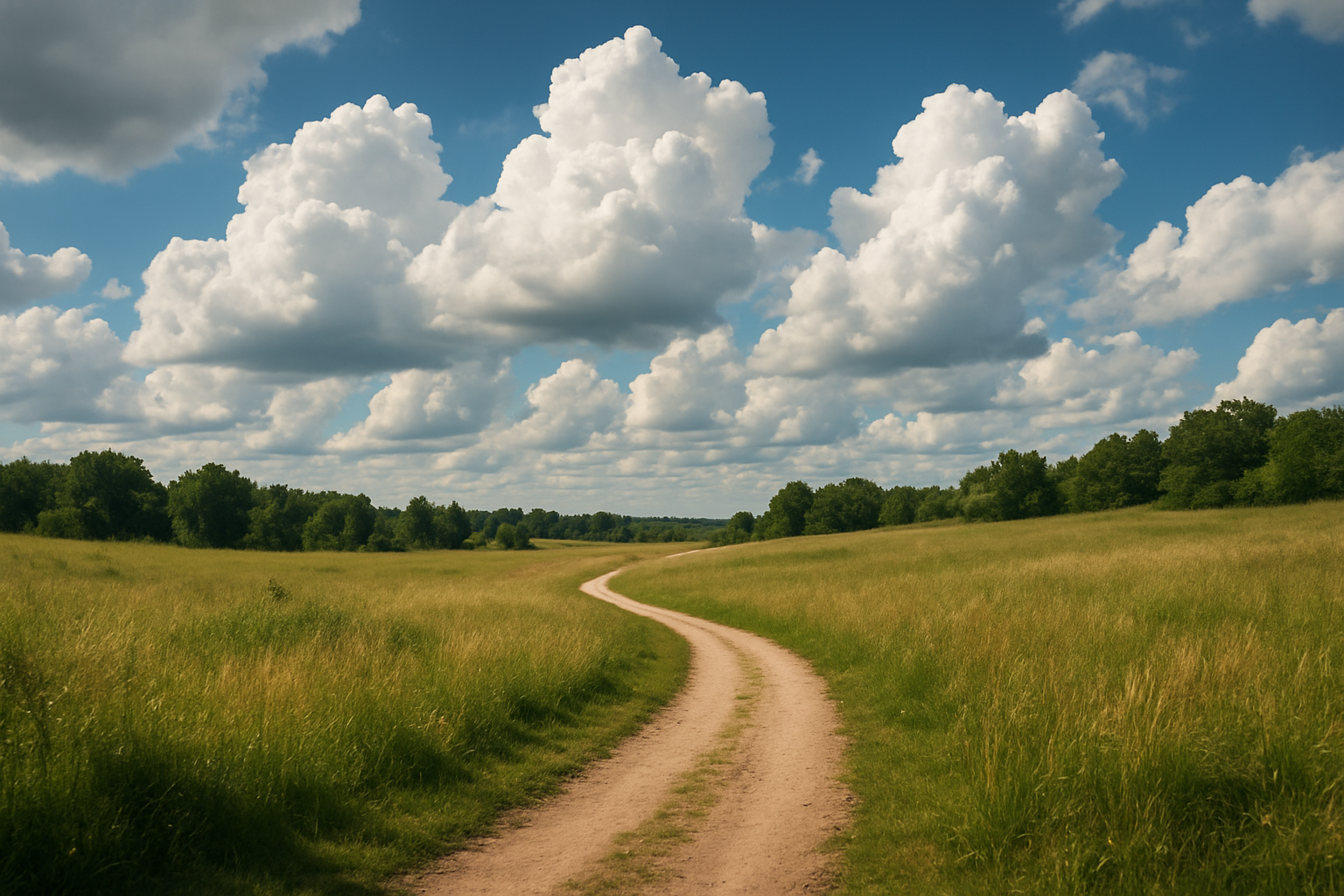
    • Cloud Gazing: Allows the mind to drift and explore creativity and imagination.
    • Sunrise and Sunset Meditation: These natural phenomena reinforce the cyclical nature of time and offer a moment of gratitude and peaceful observation.

    Integrating Breath, Earth, Sky into Daily Life

    How can we integrate these elements into our modern lives? Here are a few practical ways:

    • Morning Ritual: Start your day with a few minutes of deep breathing and gratitude as you observe the sky.
    • Mindful Walks in Nature: Consciously connect with the earth below, feeling each step and observing the natural world around you.
    • Evening Reflection: Spend time at the end of the day reflecting under the night sky, acknowledging the day’s blessings and challenges.

    Ultimately, the practice of mindful living through breath, earth, and sky is about creating a symbiotic relationship with the natural world and honoring the simple yet profound rituals that remind us of our place within it. As we consciously engage with these elements, we cultivate a greater sense of peace and purpose.

    Conclusion

    Breath, earth, and sky invite us to explore the depths and expanses of our existence. By incorporating these elements into daily practice, we open ourselves to a profound transformation that aligns our inner world with the rhythms of the natural world. In doing so, we find solace, wisdom, and clarity amidst the noise of modern life.

    May we all find the serenity to navigate our journeys with mindful awareness, imbibing the essence of life itself.