Tag: these

  • The Forgotten Road – Rediscovering Ancient Daoist Paths

    The Forgotten Road – Rediscovering Ancient Daoist Paths

    The Forgotten Road: Rediscovering Ancient Daoist Paths

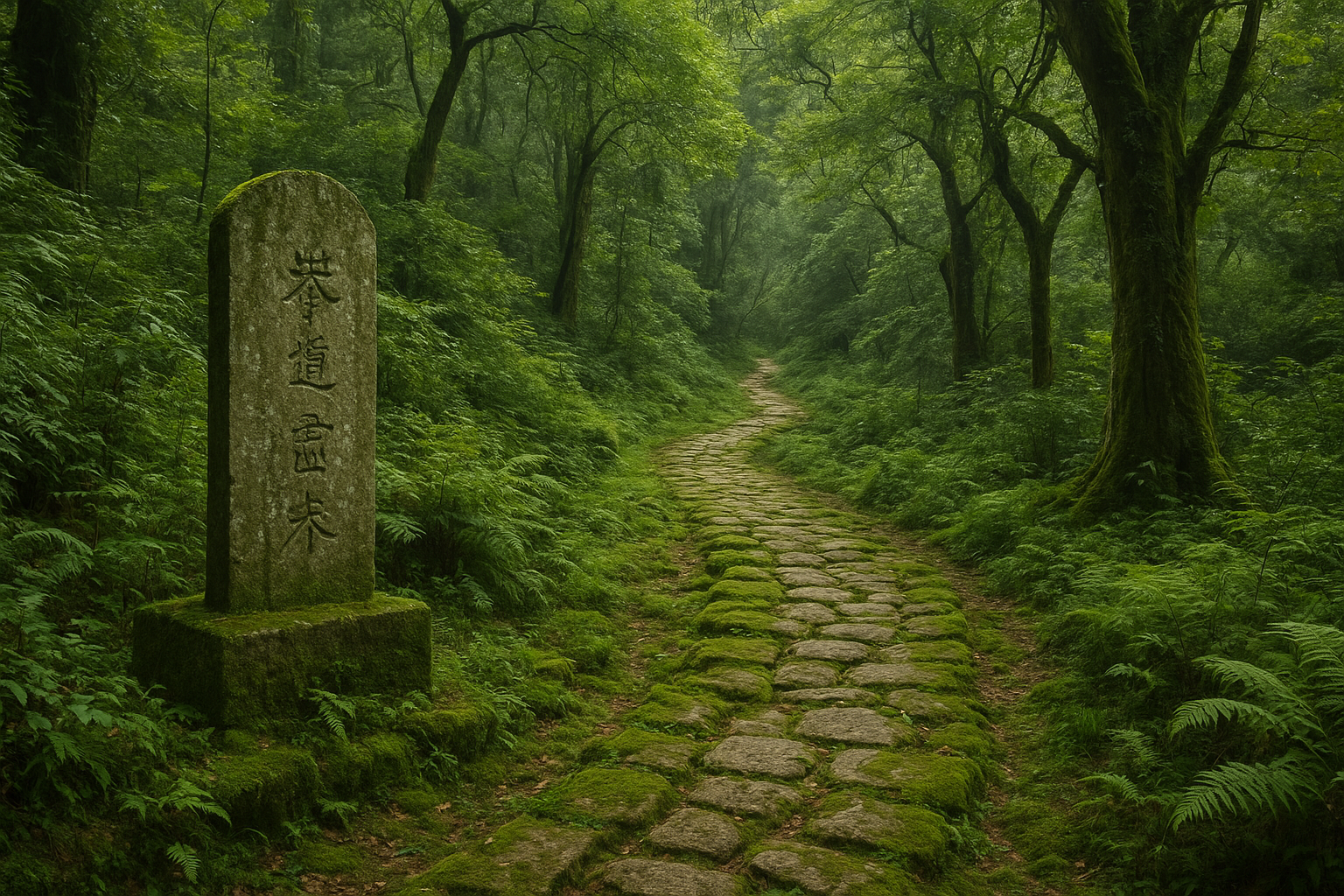
    The rich tapestry of Daoism is interwoven with teachings, rituals, and sacred sites, many of which have been forgotten by time. Among these are the ancient Daoist paths—sacred trails that once hosted the contemplative footsteps of monks and seekers. These paths served as a journey into the self as much as a physical route across the land. Today, there is a resurgence of interest in rediscovering these mystical trails and reviving their ancient wisdom.

    The Origins of Daoist Paths

    Daoism, or Taoism, is a philosophical and spiritual tradition that emphasizes living in harmony with the Dao, which translates closely to “the Way.” Originating during the Eastern Han Dynasty as an organized religion, Daoism evolved from earlier shamanistic traditions and nature worship. The Daoist paths were more than mere roads; they were spiritual journeys laid out by the geography of ancient China.

    “The essence of Daoism is a return to nature and a journey towards immortality—in body or spirit.”

    The Purpose and Structure of the Paths

    The ancient paths often connected remote mountainous temples and hermitages, weaving through lush landscapes, which provided the ideal backdrop for contemplation and meditation. These routes symbolized the intricate and often challenging path toward enlightenment, embodying both a literal and metaphorical journey.

    • Spiritual Pilgrimage: Traversing these paths was part of a spiritual journey, where each step was a meditation and each breath a prayer.
    • Communion with Nature: The natural surroundings allowed practitioners to align themselves with the tangibles of the world around them and the intangibles within.
    • Solitude and Reflection: These secluded trails offered a respite from the distractions of the world, allowing for deep contemplation.

    Rediscovery and Modern Relevance

    In recent decades, there has been a growing interest in exploring these paths anew, ignited by a global resurgence in spiritual tourism and ecological consciousness. This revival is not just about historical curiosity; it’s a movement that taps into a universal longing for authenticity and connection with nature.

    Reconnecting with Heritage

    In China, efforts are underway to restore these paths, revitalize local communities, and integrate the trails into broader cultural tourism plans. This initiative is not only a boon for cultural preservation but also for local economies, bringing sustainable tourism to underserved areas.

    Global Impact

    Beyond China, the teachings of Daoism resonate worldwide, encouraging millions to seek wisdom from this ancient tradition. The ancient paths embody a commitment to reconnect with the earth, promoting practices like simplicity and eco-awareness that are increasingly relevant in today’s world grappling with environmental challenges.

    Notable Ancient Paths

    Several routes of historical significance continue to intrigue in the quest for ancient Daoist wisdom.

    • Wudang Mountains: Renowned for their stunning scenery and deep spiritual significance, the paths crisscrossing these mountains are steeped in the mystical practices of internal alchemy.
    • Mount Qingcheng: A cradle of Daoism, this site offers a labyrinth of trails that once led adepts to profound meditation and understanding.
    • The Longhu Mountain Trails: Often considered as one of the birthplaces of Daoism, these paths are famed for their connection to celestial masters and ancient rituals.

    A Personal Trek

    For those who yearn to walk these paths themselves, the journey is not merely physical. It is a pilgrimage into one’s soul, tracing footsteps laid hundreds of years ago, engaging with the same vistas and pondering the same existential mysteries.

    “The great way is not difficult for those who hold no preferences.” This ancient Daoist saying captures the essence of the journey, inviting travelers to embrace each path as it comes, with equanimity and openness.

    The Legacy of Ancient Paths

    Ultimately, rediscovering ancient Daoist paths enriches both the traveler and the tradition. By seeking these roads, we do not only preserve the paths themselves but also the ethos they embody—a harmony with nature, a balance between mind and body, and a quest for spiritual fulfillment.

    “In returning and rest shall you be saved; in quietness and trust shall be your strength.”

    Conclusion: Continuing the Journey

    The forgotten Daoist roads are being walked once again, symbolizing perhaps not a grand return to ancient ways, but rather a modern quest for understanding and balance. As we tread softly upon these ancient paths, we carry forward their legacy—a reminder of the delicate, enduring connection between humanity and the cosmos.
  • Stone and Sky – Daoist Meditations in the Mountains

    Stone and Sky – Daoist Meditations in the Mountains

    Stone and Sky: Daoist Meditations in the Mountains

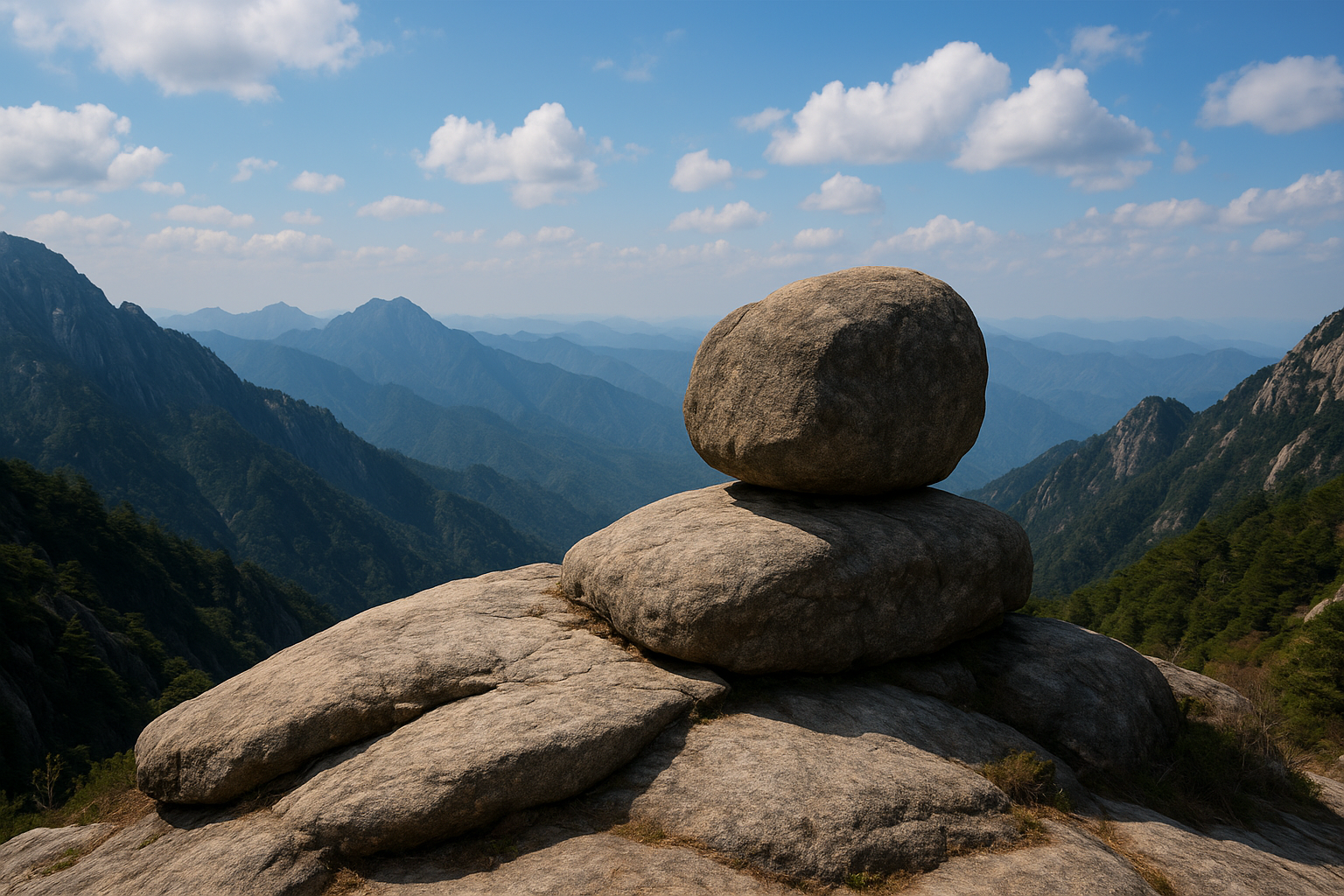
    The Daoist tradition, rich with an understanding of nature and existence, often returns to the mountains as a source of inspiration and insight. The interplay between stone and sky becomes a metaphor for the duality and unity intrinsic to Daoist philosophy. Amidst these ancient heights, practitioners find a perfect environment for meditation, introspection, and spiritual growth.

    The Mountains as Spiritual Sanctuaries

    For centuries, mountains have been considered sacred spaces in Daoism. They represent an interface between heaven and earth—a place to experience the balance of yin and yang. The Daoist sage Zhuangzi once mused, “He who goes to the trouble to travel to a mountain or forest, or explore water-ringed caves, to observe wonders, to contemplate the Many and the One, achieves spontaneous harmony with the essence of their surroundings.”

    This harmony is central to Daoist meditation, where the aim is to reconnect with the universal Dao, or “The Way”. As practitioners position themselves amidst the rugged serenity of mountains, they immerse in the silence and stillness, prompting a deep inner transformation.

    The Duality of Stone and Sky

    The concept of duality is persistent within Daoist thought, yet it is understood as an opportunity for balance rather than opposition. The firmness of stone represents the material and terrestrial, while the vast openness of the sky symbolizes the spiritual and ethereal. As noted by the philosopher Laozi, “To the mind that is still, the whole universe surrenders.”

    This surrender symbolizes the blending of oppositions, a journey from the material pursuit to spiritual clarity. The sound of wind sweeping through crevices and the sight of clouds resting on summits serve as reminders of the transient but interconnected nature of reality.

    Daoist Meditation Practices

    In these tranquil enclaves, practitioners engage in various forms of meditation and Qi Gong. These practices center around breathing, posture, and internal awareness—bridging the gap between mind and nature.

    • Seated Meditation: Known as Zuòwàng, or “sitting and forgetting”, this practice focuses on letting go of the illusion of separation and embracing the flow of life.
    • Walking Meditation: Daoist monks often practice slow, mindful walking, using the contours of the landscape as a guide for their inner journey.
    • Qi Gong: These dynamic exercises harness the energy of the surroundings to cultivate inner strength and harmony.

    Each practice encourages a fusion with nature, promoting a deeper understanding of the Daoist principles of simplicity, patience, and compassion. The elemental beauty of mountains provides both a literal and metaphorical backdrop to these ancient rituals, encouraging practitioners to shed mental clutter and embrace the essence of being.

    Modern Applications of Daoist Mountain Meditation

    Today, the teachings of mountain meditation have transcended their historical roots, influencing modern mindfulness and wellness practices. Experts note that nature therapy capitalizes on the inherent tranquility found in natural surroundings to cultivate a sense of peace and purpose, a cornerstone of Daoist philosophy.

    The benefits of such practices extend beyond tranquility; they foster resilience, enhance creativity, and promote emotional and physical health. In a world frequently marred by stress and distraction, returning to natural sanctuaries—be they literal or metaphorical—provides a much-needed refuge.

    “Nature does not hurry, yet everything is accomplished.” – Laozi

    This quote embodies the spirit of Daoist mountain meditation. Amidst stone and sky, practitioners learn that patience and presence hold the key to true understanding.

    Conclusion

    In the towering silence of the mountains, Daoist philosophy finds its fullest expression. Here, the interplay of stone and sky offers profound insights into the balance of life, urging one to sit, breathe, and simply be. As the ancient wisdom of Daoism continues to influence modern practices, its meditative techniques rooted in nature remind us of the importance of harmony, patience, and simplicity—principles that are as crucial today as they were millennia ago.

  • Footprints in Mist – Impermanent Marks on the Eternal Way

    Footprints in Mist – Impermanent Marks on the Eternal Way

    Footprints in Mist: Impermanent Marks on the Eternal Way

    In the dance of life, nothing embodies the concept of impermanence quite like the ephemeral footprints we leave behind. These footprints, metaphorical and literal, carve paths into our shared journey and silently echo the profound interplay between nature, humanity, and time. Like shadows in the mist, they tell the story of our existence—an existence marked by change, growth, and the relentless passage of time.

    Footprints Transcending Time

    The concept of footprints is fascinating in its duality. On the one hand, they are transient, disappearing with the next breath of wind or wave. On the other, they are eternal, representative of the lasting impact we have on the world and on each other.

    “The best way to find yourself is to lose yourself in the service of others.” – Mahatma Gandhi

    Gandhi’s words remind us that while footprints are temporary, the trails that they blaze can lead to enduring change. These legacies—shaped through actions, relationships, and service—can transcend time, leaving a lasting imprint on the fabric of our society.

    The Footprints of Nature

    In the ecological realm, footprints can highlight both the fragility and resilience of natural systems. Consider, for example, the footprints left by migrating animals. The ancient migratory pathways trodden by generations of creatures are whispers of nature’s rhythms, a testament to the interconnectedness of ecosystems.

    • Animal Footprints: Each trail tells a story of survival and adaptation. The well-trodden paths of elephants in Africa, the spectral dance of sea turtles returning to the same beaches, and the annual migration patterns of monarch butterflies each speak volumes about the resilience and beauty of wildlife.
    • Human Impact: In contrast, human footprints can sometimes mar these natural narratives. Urban sprawl, deforestation, and pollution disrupt the ancient trails of wildlife, reshaping them in ways that frequently threaten biodiversity.

    As noted by WWF, the impacts of such changes can be profound and far-reaching, emphasizing the critical need for conservation efforts that safeguard these ephemeral paths.

    Footprints in Time and Memory

    Beyond the physical realm, footprints traverse the landscapes of time and memory. They find form in the stories we pass down—metaphors of our lives etched into the annals of human history. These footprints remind us of who we are, where we come from, and guide our steps into the future.

    “Life, to be sure, is nothing much to lose, But young men think it is, and we were young.” – A. E. Housman

    History has witnessed countless individuals whose transient footprints left indelible impressions. The footprints of those who lived through transformative events like the Dust Bowl or World War II are etched in our collective memory, serving as poignant reminders of resilience and fortitude.

    Technological Footprints

    In our digital age, footprints have taken on a new dimension. The impermanent marks left behind in cyberspace—our digital footprints—have become significant indicators of identity and presence. Just as physical footprints can tell a story, so too can the trails we leave online.

    • Social Media: Every post, tweet, and comment contributes to a digital narrative that reflects our lives and values.
    • Data Trails: As we navigate the web, we leave behind trails that companies and organizations interpret to predict behaviors and trends.

    According to a recent survey, understanding the impact and management of one’s digital footprint is now crucial, as it shapes both personal and collective futures.

    Footprints in Creativity

    The arts have long celebrated the concept of footprints, immortalizing them in a myriad of creative expressions. From poetry to music, the transient nature of footprints has inspired countless works that explore themes of impermanence and legacy.

    • Poetry: Poets like Robert Frost, in “Stopping by Woods on a Snowy Evening,” evoke imagery of paths and places imbued with deeper meaning.
    • Visual Arts: Many artists capture the fleeting beauty of footprints with powerful visual motifs, inviting audiences to ponder the passage of time.

    Conclusion

    In the end, footprints serve as poignant symbols of our deepest desires and vulnerabilities—expressions of our hope to leave a mark upon the world, even as we recognize our ephemeral nature. As we walk through the mist of life, our footprints blend with those of countless others, forming a shared path upon which we can all tread. In this interconnected tapestry, each step resonates with meaning, embodying the delicate balance between the impermanent and the eternal.

  • Unseen Rivers – Following the Hidden Flow Beneath All Things

    Unseen Rivers – Following the Hidden Flow Beneath All Things

    Unseen Rivers: Following the Hidden Flow Beneath All Things

    Water, nature’s vital lifeblood, is often celebrated for its majestic lakes, vast oceans, and sprawling rivers. Yet, beneath this visible splendor lies a network of hidden waterways, quietly sustaining ecosystems and civilization alike. These unseen rivers flow beneath the very earth we tread, shaping landscapes in ways often unnoticed by the untrained eye.

    The Mystery of Subterranean Waterways

    Below the surface of our planet, intricate networks of aquifers and underground rivers play crucial roles in maintaining ecological balance. These hidden channels form through a natural process called karstification, where the dissolution of soluble rocks like limestone creates vast voids and cavities. As time progresses, these void spaces evolve into conduits for water flow, silently carrying resources essential for life above.

    “[Karst aquifers] provide approximately 25% of the world’s population with water for drinking, irrigation, and other uses. They are among the most productive but also the most vulnerable groundwater systems. Karst areas host many of the planet’s most fragile and unique ecosystems.”

    Ecological Significance

    The significance of these unseen rivers extends beyond mere geology. They serve as vital reservoirs, ensuring freshwater supply during dry periods. Moreover, they support a host of unique ecosystems home to species uniquely adapted to these dark, nutrient-rich environments.

    • Unique Habitats: Subterranean environments nurture specialized life forms, including rare fungi and cave-dwelling invertebrates.
    • Ecological Connectivity: During times of drought, these hidden reserves become lifelines, supporting surface water bodies and maintaining ecological continuity.
    • Natural Filtration: As water percolates through soil and rock, it undergoes natural filtration processes, which help purify it before surfacing.

    Human Dependence on Hidden Waters

    On a human scale, unseen rivers bear significant responsibilities. They underpin agricultural systems, supply drinking water, and drive industrial processes worldwide. An estimated two billion people rely on groundwater, including aquifers fed by these hidden channels. Their importance is particularly pronounced in arid regions where surface water is scarce.

    “Groundwater is critically vital for food production, with approximately 38% of irrigated land worldwide depending on it. As food demand escalates, there’s increased pressure on these hidden sources.”

    The Perils Facing Hidden Rivers

    Despite their importance, these subterranean systems face a host of threats stemming from human activity and climate change:

    • Pollution: Agricultural run-off, industrial waste, and toxic spills contribute to groundwater contamination, jeopardizing both ecosystems and human health.
    • Unsustainable Extraction: Excessive extraction for agricultural and urban needs leads to aquifer depletion, causing issues like land subsidence.
    • Climate Change: Altered precipitation patterns disrupt the natural recharge of aquifers, threatening their long-term viability.

    Efforts to protect these unseen rivers are mounting, but progress is slow amidst the competing demands and pervasive impact of human development.

    Exploring and Mapping the Unseen

    Advancements in technology are shedding light on this hidden world. With tools like ground-penetrating radar and LiDAR, scientists are uncovering more about the extent and characteristics of these subterranean networks.

    Maps and models of ancient underground aquifers like the Great Artesian Basin in Australia or the Ogallala Aquifer beneath the American Great Plains help better understand these systems. Not only do they offer insights into their size and scope, but also provide data crucial for water management and conservation efforts.

    A Call to Action

    Understanding and protecting these hidden rivers is paramount. As climate change intensifies and demands on water resources grow, there is an urgent need for a sustainable approach that considers these subterranean sources. Collaborative international efforts and stricter regulations on groundwater extraction and pollution are vital, along with policies that support scientific research and innovation.

    Educating communities about the irreplaceable value of these secret waterways can spur coordinated conservation efforts, fostering a holistic view of earth’s interconnected water systems.

    Conclusion

    Unseen rivers, those enigmatic and vital layers of our planet’s hydrology, are much more than geological curiosities. They sustain us, provide refuge and habitat for life forms, and carry out natural processes far beyond our typical field of vision. Remembering their importance—and the fragility—reminds us to tread carefully on the surface, forever aware of the hidden worlds that lie beneath.

  • Paths Made of Rain – Ephemeral Journeys through the Living World

    Paths Made of Rain – Ephemeral Journeys through the Living World

    Paths Made of Rain: Ephemeral Journeys through the Living World

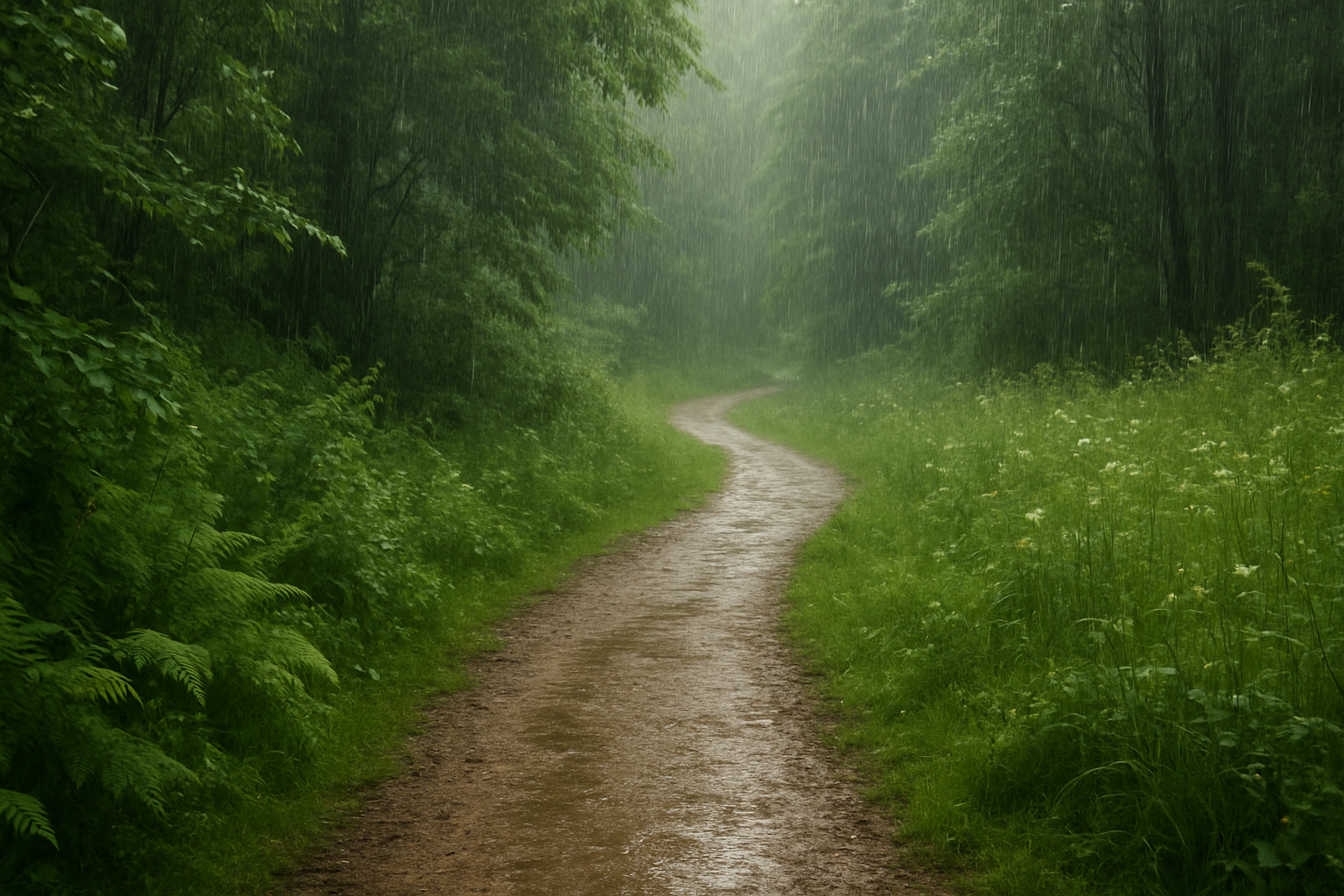
    In the heart of our complex and multifaceted world lies a profound beauty as fleeting and transient as the paths made of rain. These ephemeral journeys are not confined to ordinary travel; they transcend it, offering reflections on the temporality of existence and the delicate interplay between human perception and the natural environment. Through examining these rain-crafted pathways, one uncovers insights about life, existence, and the world we inhabit.

    The Essence of Ephemeral Paths

    Ephemeral paths, by their very nature, assert the impermanence of the world around us. These paths exist only in the presence of rain, whispering the tale of their brevity as water traces trails across landscapes. As Heraclitus famously stated, “No man ever steps in the same river twice, for it’s not the same river and he’s not the same man.” This captures the transient essence by which paths made of rain are governed—a continuous flux that defies permanence.

    Philosophical Underpinnings: Impermanence and Existence

    The concept of impermanence is a fundamental aspect of many philosophical discourses. Within Buddhist teachings, impermanence—or anicca—is one of the three marks of existence. The ephemeral nature of rain paths can be seen as an embodiment of this principle. Each journey carved by raindrops is a testament to the understanding that all things are in a state of perpetual change.

    “Understanding the impermanence of things creates nothing less than a radical transformation in the way we regard the present moment and its possibilities.”
    Plato

    Thus, paths made of rain invite us to engage with the present, to pause and observe the fleeting moments that constitute our journeys. In doing so, one finds a deeper appreciation for the world’s transient beauty.

    Sensory Interactions: Connecting with the Natural World

    There is a profound sense of connection when walking along paths made of rain. The rhythmic sound of droplets, the scent of wet earth, and the sight of glistening reflections create an immersive experience. Rain paths invite an active engagement with the natural environment that grounds one in the present. This sensory participation fosters a mindfulness that is often lost in the hurried pace of modern life.

    Author and philosopher Henry David Thoreau wrote extensively about the need for such connectivity with nature, asserting that “All good things are wild and free.” Here, the interface between wildness and temporality plays out, as rain transforms the ordinary into a canvas of reflections and temporary beauty.

    Artistic Reflections: Influence in Art and Literature

    A glimpse into art and literature reveals how ephemeral journeys have inspired creators across genres. Impressionist painters like Claude Monet captured transient light and fleeting conditions, much akin to the ephemeral paths made of rain. Monets’s water lilies, for instance, are vivid embodiments of both light and reflection—a visual symphony of transience.

    Furthermore, Japanese haiku poets such as Matsuo Bashō encapsulated the essence of fleeting moments. Bashō wrote, “Winter solitude / in a world of one color / the sound of wind.” This haiku, though not about rain specifically, encapsulates the ephemeral sensory experience akin to observing rain paths.

    The Imperative of Ephemeral Journeys

    In a world increasingly dominated by dynamic shifts and unforeseen transformations, recognizing and appreciating ephemeral journeys through the living world becomes imperative. It fosters resilience, adaptability, and a better understanding of the transient nature of life. These paths, crafted by the touch of rain, call us to reconsider the nature of our existence.

    A modern interpretation could delve into the environmental sphere, considering how climate change affects these natural occurrences. As weather patterns fluctuate, the frequency, intensity, and nature of rain change, further influencing how these paths manifest and are experienced.

    Conclusion: Reflecting on the Passage

    In reflecting on paths made of rain, we are reminded of the intricate yet transient journey of life itself—our perceptions honed by the beauty of transition and the impermanence of our surroundings. As we walk these ephemeral journeys, let us not only admire their beauty but also derive meaning and insight from their fleeting existence.

    Through engagement with these experiences, we can cultivate a deeper understanding of nature’s transient wisdom, embedding a sense of harmony and mindfulness within our own passages. Thus, journeys on paths made of rain become profound meditations on the ephemeral yet enduring essence of our world.

  • The Breath of Mountains – Listening to the Dao of Stone and Sky

    The Breath of Mountains: Listening to the Dao of Stone and Sky

    Mountains have stood as eternal sentinels over the earth, their silent magnificence inspiring awe and reverence through the ages. The ancient practice of Daoism, with its profound respect for nature, offers a unique lens through which we can understand the deep connection between stone and sky, and the subtleties of their silent communication.

    “In the presence of eternity, the mountains are as transient as the clouds.” – Robert Green Ingersoll

    The Dao, or “The Way,” emphasizes living in harmony with the natural order of things. Mountains, in their unyielding presence and towering silence, embody the Dao itself. These majestic formations teach us patience and resilience, with each layer of stone marking the passage of time, just as clouds drift serenely overhead.

    Listening to the Silence

    The concept of Wu Wei, often translated as “effortless action,” is a cornerstone of Daoist philosophy. Mountains epitomize Wu Wei, existing effortlessly within the grand scheme of things. In their stillness, they encourage us to embrace moments of quiet reflection.

    Listening to the mountains involves tuning into their subtle vibrations: the rustling of leaves on a windy day, the calls of distant birds, the soft trickle of a hidden stream. Through these sounds, we learn the art of peaceful observation, letting the tranquility wash over us, an isle of calm in a frenetic world.

    Lessons from Stone and Sky

    • Strength in Stillness: The mountains teach us that sometimes strength lies not in movement, but in remaining steadfast in the face of change.
    • Unity with Nature: As Daoism advocates, understanding our connection to the world around us is essential. The mountains remind us of the unity between earth and sky.
    • Embracing Change: Though the mountains appear immutable, they are continually shaped by the elements. This cycle of change mirrors our own lives, urging us to embrace transformation.

    “The breath of mountains” is more than just a poetic phrase; it is a tangible experience. For those who stand among these giants and listen, the mountains offer profound wisdom, whispered through the Dao of stone and sky. They remind us of our place in the cosmos, encouraging us to seek balance and harmony in all aspects of life.

    In this eternal dialogue between the earth and heavens, the mountains invite us to pause, to breathe, and to listen. Only then can we truly appreciate the beauty and wisdom of their timeless presence.

  • Zen in the Dust – Finding Clarity on Forgotten Pilgrim Trails

    Zen in the Dust: Finding Clarity on Forgotten Pilgrim Trails

    In a world teeming with noise and incessant distractions, the ancient practice of pilgrimage offers a unique opportunity for mindfulness and serenity. These forgotten pilgrim trails are more than mere footpaths; they are conduits to clarity and spiritual renewal.

    The Allure of Ancient Paths

    For centuries, pilgrim trails have woven through landscapes, supporting those seeking enlightenment or purification. In Japan, the Kumano Kodo is one such revered route. Designated a UNESCO World Heritage site, it invites modern travelers to step back in time and immerse themselves in the serene rhythm of nature.

    “Walking the Kumano Kodo is akin to embracing a living prayer, where every step resonates with the footsteps of countless pilgrims before you.” – Lonely Planet

    • Historical Significance: Pilgrimages have been a crucial aspect of many religions, serving as a means to connect with the divine.
    • Path to Inner Peace: The journey on these trails can be as profound as the destination itself, offering a meditative escape from the cacophony of modern life.
    • Cultural Immersion: Walking these paths provides unique insights into the culture and history of a region.

    Experiencing Zen Through Pilgrimage

    The philosophy of Zen revolves around the practice of mindfulness, a state of active, open attention to the present. The simplicity of walkings — the rhythmic fall of footsteps, the rustle of leaves, and the whisper of the wind — cultivates this mindfulness, fostering a connection to the present moment.

    This act of walking as a form of meditation has been recognized in numerous studies, such as the one conducted by Dr. Melissa Baker who noted, “Walking meditation conjoins the discipline of meditation with the intentional act of walking.”

    The Spiritual Resonance of Forgotten Trails

    There are myriad trails around the world that offer the communion of nature and spirituality. While some, like the Camino de Santiago in Spain, are widely known, others remain cloaked in mystery and solitude. Here we explore some lesser-known pilgrim trails:

    The Via Francigena

    Traversing from Canterbury to Rome, this trail combines European charm with spiritual grandeur. Pilgrims from various parts of Europe converge to walk paths trodden by apostles and emperors alike.

    “Each mile walked is a step back through the pages of history, as the ancient road conveys tales of past travelers.” – The Telegraph

    The Nakahechi Trail

    Part of the Kumano Kodo, this trail stretches through verdant forests and ancient shrines, embodying Shinto reverence towards nature’s spirits.

    • Duration: Averaging five days to complete.
    • Highlights: The Oyunohara, an austere sandbank that serves as a traditional pilgrimage point on the trail.

    The Abraham Path

    Spanning over 1200 kilometers, this modern pilgrimage follows the legendary footsteps of Abraham through the Middle East, promoting understanding and hospitality.

    “In retracing the steps of ancient prophets, this path becomes a journey of reconciliation and peace.” – Abraham Path Initiative

    The Solace of Solitude

    Often, the forgotten trails are less traveled, offering pilgrims a profound sense of solitude. This solitude becomes an integral part of the experience, providing time for reflection and self-discovery. As the philosopher Lao Tzu wisely put it, “Silence is a source of great strength.” In these remote pathways, one can discover that silence and strength in abundance.

    Embracing the Pilgrim’s Journey

    The experience of walking these forgotten trails is an invitation to embrace simplicity and the purity of the journey itself. These trails offer a respite, a chance to disconnect from today’s hyper-connected world and reconnect with oneself.

    “In finding our way through the dust of these ancient paths, we often find our way back to ourselves.” – Unknown Pilgrim

    As we venture upon these dusty trails and seek the clarity they promise, we carry forward the tradition of pilgrims before us, discovering not only the outer landscapes but the landscapes within.

    Practical Tips for Your Pilgrimage

    • Plan Ahead: Research the trail beforehand; understand its history, geographical challenges, and the best seasons to visit.
    • Pack Wisely: Keep your gear minimal yet comprehensive to ensure comfort and safety.
    • Respect the Path: Remember these are sacred spaces for many; respect local customs and natural surroundings.

    Ultimately, Zen in the Dust invites us to tread where others once did, seeking not just destinations, but revelations. In these journeys, the clarity we find is as much about the physical path as it is about the journey within.

  • Wind, Dust, and Dharma

    Wind, Dust, and Dharma

    In the vast expanse of spiritual exploration, the imagery of wind and dust often emerges to symbolize the impermanence of life and the continual journey of dharma. These elements not only permeate the physical realm but also resonate deeply within the philosophical and spiritual teachings of Buddhism. Understanding these elements through the lens of dharma can offer profound insights into our own spiritual paths.

    The Wind: A Metaphor for Change

    The wind, in many spiritual traditions, is a powerful symbol of change and transformation. In Buddhism, it represents the ever-present force of anicca—impermanence. As Buddhist epistemology suggests, everything is subject to change, and nothing is permanent. The wind, with its ability to shift landscapes and alter environments, embodies this dynamic nature of existence.

    “Just as the wind moves, so should we let go and move in our spiritual journey,” emphasizes Thich Nhat Hanh, a renowned Zen master and author.

    • Embrace Change: Just as the wind reshapes the earth, embracing change allows personal growth.
    • Adaptability: The flexibility of the wind teaches us adaptability in our spiritual quest.

    Dust: The Residue of Life

    In contrast, dust represents the remnants of what has been—tiny particles that linger, symbolizing the transient nature of our physical forms and experiences. The Buddha taught that clinging to the physical is akin to trying to grasp at dust; it will slip through your fingers, leaving you with nothing but the memory of its presence.

    Dust invites reflection on the Five Aggregates, which are form, sensation, perception, mental formations, and consciousness. Understanding these aggregates allows individuals to see that just like dust, these components are ephemeral and ultimately insubstantial.

    “He who binds to himself a joy, does the winged life destroy; but he who kisses the joy as it flies, lives in eternity’s sunrise,” poet William Blake encourages a similar release of attachment through his words.

    Finding Balance Through Dharma

    The essence of dharma is to find balance amidst the winds of change and the dust of the past. The Buddhist path encourages followers to cultivate mindfulness and live in accordance with the teachings of the Buddha, thereby experiencing the middle way—a state of harmony between extremes.

    • Mindful Living: By living mindfully, one can remain grounded yet flexible, like a tree swaying in the wind.
    • Letting Go: Releasing attachment to the material realm allows spiritual liberation.

    In summary, the interplay of wind, dust, and dharma invites us to reflect deeply on our existence. Through understanding these elements, we can navigate our spiritual journeys with grace and equanimity, continually aligning ourselves with the path of wisdom and compassion.

  • Breath, Earth, Sky

    Breath, Earth, Sky

    Breath, Earth, Sky: A Journey Through Mindful Living

    In a world filled with noise, finding moments of tranquility can be elusive. Yet, the simplest elements—breath, earth, sky—offer a gateway to balance and introspection. These elements are not only the essence of our planet but also of spiritual practices that date back centuries. Understanding and connecting with them can lead us on a journey towards mindful living.

    The Power of Breath

    Breath, the giver of life, is often taken for granted. However, it is a cornerstone of many spiritual and meditative practices. Breathwork is a transformative practice aimed at calming the mind and body. It connects us deeply to the present moment, which is the very essence of mindfulness.

    “Breath is the link between mind and body.” — Thích Nhất Hạnh

    According to Harvard Health, controlled breathing can reduce stress levels, lower blood pressure, and improve heart rate. Techniques such as pranayama in yoga, or focused breathing in Zen meditation, teach us to harness this power for spiritual and physical well-being.

    Grounded in Earth

    The earth represents stability and foundation. It is our home, providing sustenance and the natural rhythms of life. Engaging with the earth, whether through physical contact or mindfulness, can deepen our sense of belonging and responsibility for the environment.

    • Earthing or Grounding: This involves physically connecting with the earth’s surface, supposedly balancing our energy levels through electron exchange. The practice claims to alleviate inflammation and reduce stress.
    • Gardening as Therapy: Digging your hands into soil has been shown to release serotonin, a natural mood enhancer. As Alice Walker poignantly reminds us, “In search of my mother’s garden, I found my own.”

    The teachings of indigenous cultures often highlight our interdependence with the earth. In the words of Chief Seattle, “The earth does not belong to us. We belong to the earth.”

    The Infinite Sky

    The sky represents vastness and freedom. It is a reminder of the limitless potential and the things beyond our immediate grasp. Observing the sky can inspire awe and encourage a broader perspective on life.

    Many spiritual teachings incorporate the contemplation of the sky and stars as a way to realize our place in the universe. The philosopher Immanuel Kant once wrote, “Two things fill the mind with ever-increasing wonder and awe… the starry heavens above me and the moral law within me.”

    • Cloud Gazing: Allows the mind to drift and explore creativity and imagination.
    • Sunrise and Sunset Meditation: These natural phenomena reinforce the cyclical nature of time and offer a moment of gratitude and peaceful observation.

    Integrating Breath, Earth, Sky into Daily Life

    How can we integrate these elements into our modern lives? Here are a few practical ways:

    • Morning Ritual: Start your day with a few minutes of deep breathing and gratitude as you observe the sky.
    • Mindful Walks in Nature: Consciously connect with the earth below, feeling each step and observing the natural world around you.
    • Evening Reflection: Spend time at the end of the day reflecting under the night sky, acknowledging the day’s blessings and challenges.

    Ultimately, the practice of mindful living through breath, earth, and sky is about creating a symbiotic relationship with the natural world and honoring the simple yet profound rituals that remind us of our place within it. As we consciously engage with these elements, we cultivate a greater sense of peace and purpose.

    Conclusion

    Breath, earth, and sky invite us to explore the depths and expanses of our existence. By incorporating these elements into daily practice, we open ourselves to a profound transformation that aligns our inner world with the rhythms of the natural world. In doing so, we find solace, wisdom, and clarity amidst the noise of modern life.

    May we all find the serenity to navigate our journeys with mindful awareness, imbibing the essence of life itself.

  • Nomadic Enlightenment

    Nomadic Enlightenment

    Nomadic Enlightenment: Embracing Wisdom Through Movement

    The concept of nomadic enlightenment combines the age-old practices of nomadic societies with the philosophical pursuit of enlightenment. As the modern world grapples with environmental challenges and a fast-paced lifestyle, looking back at nomadic traditions for wisdom offers a pathway to a more thoughtful existence.

    The Nomadic Way of Life

    Nomadic lifestyles have been part of human history for thousands of years. These communities live in harmony with their environments, moving periodically to find resources. This transient way of life is not merely a survival strategy but a profound expression of living with the land.

    • Adaptation: Nomads have developed incredible adaptability to various climates and terrains, reflecting a partnership with nature rather than domination over it. Anthropologist David Pearce notes, “Nomads move with the seasons, and their intimate knowledge of their environment is unparalleled.”
    • Community and Sharing: In nomadic cultures, community is key. Resources are shared, and cooperation is essential for survival. These values foster deep social connections and a strong sense of belonging.
    • Simplicity: Nomads live with minimal possessions, prioritizing utility over accumulation. This aligns with the minimalist movement seen in contemporary society, which seeks freedom from material excess.

    The Path to Enlightenment

    Enlightenment, in a philosophical and spiritual sense, refers to achieving understanding, wisdom, and insight into the nature of reality. It’s a state where one perceives beyond the illusions of material life to grasp deeper truths.

    • Philosophical Roots: Enlightenment philosophies encourage the shedding of ego and material attachments to uncover inner peace and wisdom. Lao Tzu, a revered sage, once said, “Knowing others is intelligence; knowing yourself is true wisdom.”
    • Mindfulness and Awareness: Key to enlightenment is cultivating mindfulness—a practice of being present in the moment. This is akin to the nomadic focus on the immediate needs of life, preventing stagnant thoughts or regrets of the past and anxieties of the future.

    Interweaving Nomadic Traditions with Enlightenment

    Combining these two philosophies, nomadic and enlightenment, offers practical lessons for modern living:

    “Learning to let go is not a loss, it’s the beginning of the path.” – Thich Nhat Hanh

    • Embracing Change: Just as nomads adapt to new environments, those seeking enlightenment understand that change is a constant. Accepting and learning from these changes can lead to personal growth.
    • Environmental Stewardship: Nomads live lightly, adapting their needs according to what their environment can sustainably provide. Similarly, those on an enlightened path often become more conscientious of their ecological footprint.
    • Foster Connection: Engaging with the community and forming meaningful relationships can be both a source and goal of enlightenment, echoing the nomadic emphasis on cooperation and shared living.

    Lessons for the Modern World

    Nomadic enlightenment isn’t about abandoning urban life but rather integrating ancient wisdom into modern contexts:

    • Minimalism and Conscious Consumption: In a world driven by consumerism, nomadic teachings encourage us to assess our true needs and declutter our lives.
    • Sustained Focus on Experiences Over Possessions: Prioritize experiences that cultivate joy and knowledge, much like nomadic tribes whose wealth lies in stories and traditions.
    • Adopting Resilience and Flexibility: As the global landscape changes rapidly, the ability to adapt is increasingly valuable. The nomadic approach to life offers a blueprint for resilience in uncertain times.

    A Global Shift

    Incorporating elements of nomadic enlightenment into our daily lives could catalyze a shift toward more sustainable and fulfilling lifestyles. As E.O. Wilson suggested in his writings, “The real problem of humanity is the following: we have paleolithic emotions, medieval institutions, and god-like technology.” Bridging these divides requires wisdom from both ancient practices and modern insights.

    The journey to nomadic enlightenment can lead us to a life that is more harmonious with nature and fulfilling in its simplicity, weaving the strength of traditional nomadic life with the pursuit of profound understanding. By embracing these principles, humanity stands to rediscover its roots and step into a future enriched by the wisdom of the past.