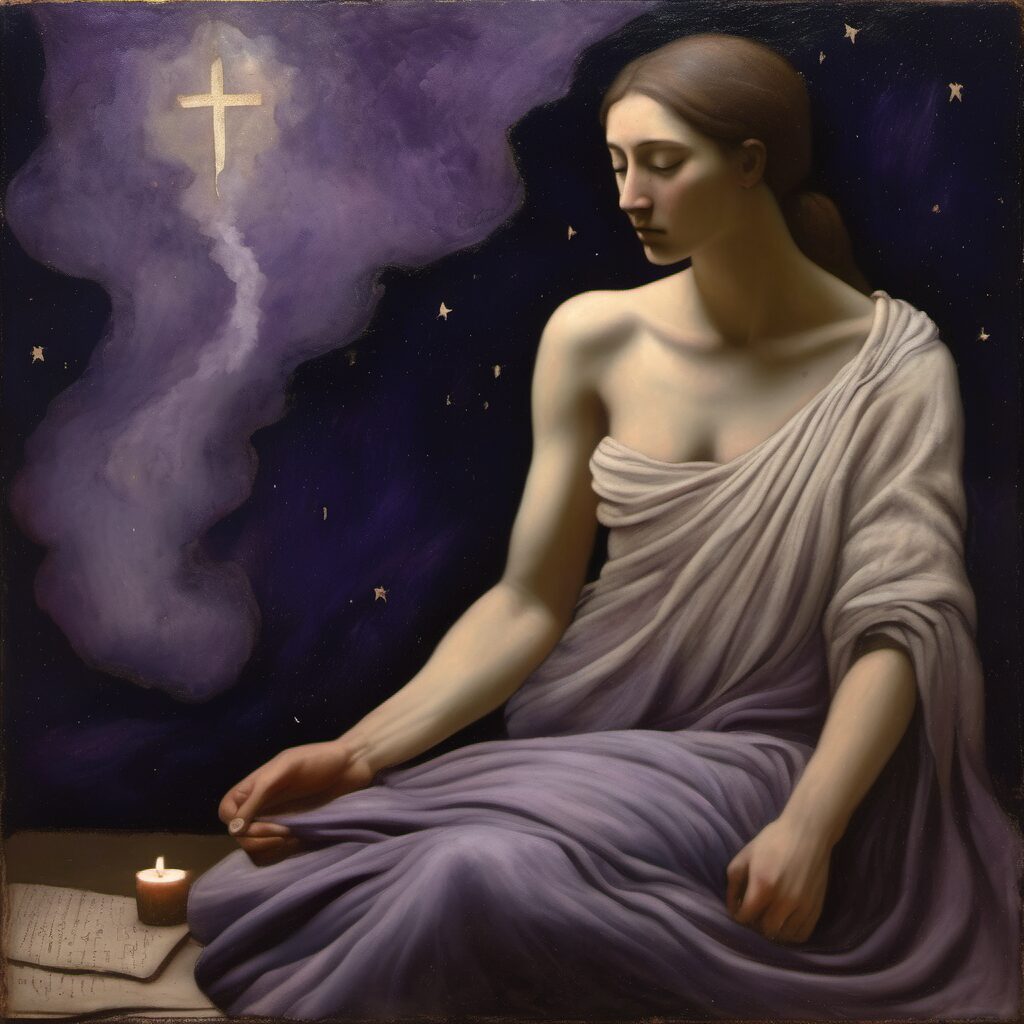
Tag: there

  • The Power of Doing Less—Earlier

    The Power of Doing Less—Earlier


    The Power of Doing Less—Earlier

    In the quiet corners of the soul, a whisper

    An introductory confession: I have been a slave to the clock, a captive of the hustle. My days were filled with ceaseless motion, each moment a struggle for survival in a world that never seemed to slow.

    I. The first breath

    • A recognition: In the stillness of dawn, I began to see – there is power in doing less, in choosing fewer battles. For in every action, there lies an equal and opposite inaction.
    • “Be not afraid of growing slowly, be afraid only of standing still.” – Chinese Proverb (Source)

    II. The second breath

    A revelation: I found that the hours saved by doing less were not to be hoarded, but invested wisely in the moments of the day when they could do the most good.

    • “We are all poor walkers; for in heaven’s name, who ever walks without stopping?” – Henry David Thoreau (Source)

    III. The third breath

    A conclusion: By doing less—earlier, I learned that the rhythm of life need not be a relentless march but rather a gentle dance, where each step has intention and purpose.
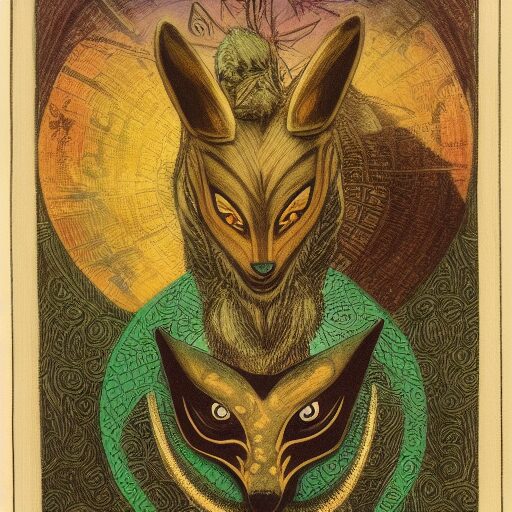
  • The Trickster’s Grin – Why Coyote, Loki, and Anansi are essential to order.

    The Trickster’s Grin – Why Coyote, Loki, and Anansi are essential to order.

    The Trickster’s Grin – Why Coyote, Loki, and Anansi are Essential to Order

    In many cultures around the world, there exists a type of mythological figure known as the trickster. These characters embody the concept of chaos and disorder, often using their cunning and wit to challenge the status quo and push boundaries.

    • Coyote, from Native American folklore, is one such trickster figure. With a mischievous grin, Coyote often finds himself at the center of humorous stories that demonstrate his cleverness and cunning.
    • Loki, from Norse mythology, is another well-known trickster character. Known for his cunning and ability to shape-shift, Loki’s pranks and mischief often wreak havoc on the gods and mortals alike.
    • Anansi, from West African folklore, is a spider trickster known for his cleverness and storytelling abilities. He is said to have originated the art of storytelling itself, spinning tales that capture the hearts of all who hear them.

    Despite their reputation for causing chaos, these tricksters play an essential role in maintaining order within their respective mythological realms. Their antics serve as a reminder that even in the midst of disorder, there is always the potential for change and growth.

    “Mythology is the bridge between the world we know and the world we don’t.” – Neil Gaiman

    The trickster’s grin can be seen as a symbol of the power of chaos to shape our understanding of the world. By embracing the unpredictability that these characters represent, we are reminded that even in the midst of uncertainty, there is always the potential for growth and transformation.