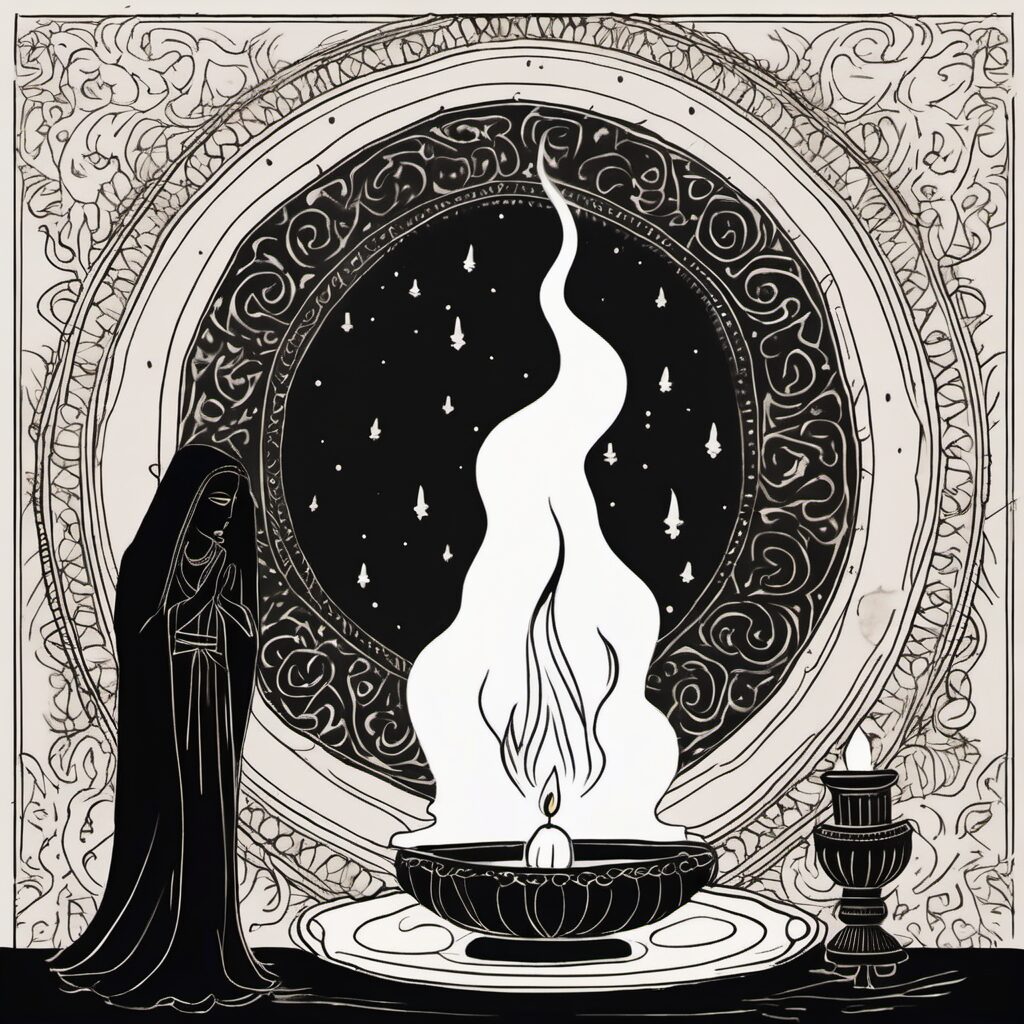
Myth as Operating System: The Symbolic Code Beneath Human Cognition
In the realm of human consciousness, myths serve as the unseen processors embedded within our cultural psyche. They function much like an operating system, setting the parameters within which societies understand themselves and their place in the universe. Just as an operating system provides the basic instructions for managing hardware and executing tasks, myths encode the fundamental beliefs and archetypes that shape human cognition and behavior.
The Nature of Myth
Joseph Campbell, a renowned mythologist, defined myths as “the secret opening through which the inexhaustible energies of the cosmos pour into human cultural manifestation”. (Source). These narratives are not merely stories of ancient times but are deeply embedded patterns that guide human behavior and understanding. Myths are potent precisely because they resonate with the depths of our psyche, speaking to the universal experiences of being human.
Myths and Archetypes
Swiss psychiatrist Carl Jung introduced the concept of archetypes, fundamental human motifs that reside within the collective unconscious. He posited that these patterns are found across cultures and eras, suggesting a universal symbolic language. Jung wrote, “Myths are first and foremost psychic phenomena that reveal the nature of the soul”. (Source)
- The Hero: Seen in figures like Gilgamesh, Hercules, and even modern heroes such as Luke Skywalker, representing the journey of self-discovery and triumph over adversity.
- The Wise Old Man: A figure of wisdom and guidance, often appearing as Merlin or Gandalf.
- The Shadow: Representing the dark, unseen aspects of our personality that must be acknowledged and integrated for personal growth.
Myth’s Role in Cognitive Framework
Myths influence cognitive frameworks by providing a symbolic language through which humans interpret their experiences. Anthropologist Claude Lévi-Strauss argued that myth is a language, orchestrated by symbols to convey meaning and to navigate the human experience. According to Lévi-Strauss, “the purpose of myth is to provide a logical model capable of overcoming contradictions”. (Source)
“It would not be true to say that myth serves to explain the world, but rather it is used to overcome certain contradictions that cannot be resolved through ordinary human actions and thought.”
Operating Systems of the Mind
In software, an operating system manages resources and provides services to applications that run on a computer. Similarly, in cultures around the world, myths provide the metaphorical framework needed for individuals to process their life experiences. They offer a way to navigate and make sense of existence, as seen in:
- World Creation Myths: These myths address fundamental questions of origin and existence, offering a schema within which science and faith can coexist.
- Mythical Morality Tales: Stories like the Pandora’s Box or the tales of the Buddha offer ethical guidelines, presenting a moral landscape that guides personal and collective behavior.
- End-of-World Narratives: Myths about apocalypses, like Ragnarök or the Christian Apocalypse, prepare societies to face the inevitability of change and transformation.
Application in Modern Society
While contemporary society often views myths as quaint or outdated narratives, their impact remains unmistakably potent. Advertisers and filmmakers, knowingly or unknowingly, utilize mythic structures to craft compelling narratives that touch audiences deeply. For instance, the hero’s journey — a classic narrative template — is the backbone of many modern blockbusters. As mythologist Michael Vannoy Adams notes, “Myth is not what happened in the past. Myth is what happens all the time” (Source), suggesting that myth continues its evolutionary role in contemporary culture.
The Interplay between Myth and Technology
In our digital age, it is fascinating to explore how technology itself perpetuates new myths. The myth of the computer as an all-knowing oracle has parallels with ancient deities of wisdom. Furthermore, digital narratives echo mythic structures, reflecting our enduring quest for understanding and mastery over the world. The internet, a vast network of knowledge, can be likened to a modern-day Akashic Record—a mythological compendium of infinite wisdom.
Conclusion
Myths provide the symbolic maps needed to navigate the complexities of human consciousness and cultural identity. As operating systems of the psyche, they organize our perceptions of reality and imbue life with meaning. Despite advancements in science and technology, myths remain central to our understanding of the world and ourselves, continually evolving and adapting to meet the needs of each new era.
By recognizing the mythic frameworks that underlie our cognition, we gain insight not only into ancient narratives but also into the codes that continue to shape our lives. As we explore the intersection of myth, cognition, and culture, we become better equipped to understand the past and present fabric of human experience.