Tag: stories

  • Corporate Mythos – How brands use storytelling to create modern “tribes.”

    Corporate Mythos – How brands use storytelling to create modern “tribes.”


    Corporate Mythos – How Brands Use Storytelling to Create Modern “Tribes.”

    Corporate Mythos – How Brands Use Storytelling to Create Modern “Tribes.”

    Introduction

    In today’s interconnected world, the power of storytelling transcends traditional narratives and permeates the realm of corporations. This article delves into the fascinating ways in which brands craft compelling stories to forge connections with their audiences and cultivate modern “tribes.”

    Storytelling as a Marketing Strategy

    “Storytelling is the essential human activity. When we are telling a story, there is no gap between ourselves and the other. We are one being.” – Irish novelist Neil Gaiman

    Brands understand this inherent human connection with stories and use it to their advantage in the marketplace. By weaving narratives around their products or services, companies can create emotional bonds with consumers, fostering brand loyalty and advocacy.

    Building Emotional Connections

    • Sharing Values: Companies like Patagonia and Warby Parker have built their brands around a shared ethos, appealing to consumers who resonate with their commitment to sustainability and social responsibility.
    • Personalizing Brands: Nike’s “Just Do It” campaign speaks directly to individuals seeking motivation and self-improvement, creating a sense of personal connection that extends beyond the product itself.

    The Role of Digital Media in Storytelling

    The advent of digital media has enabled brands to craft immersive stories across various platforms. From captivating social media campaigns to engaging video content, these narratives engage audiences on a deeper level and facilitate the formation of modern “tribes” around shared interests and values.

    The Future of Corporate Storytelling

    “Storytelling is the most powerful way to put ideas into the world today.” – Robert McKee, screenwriting guru

    As consumer expectations evolve and the marketplace becomes increasingly saturated, the power of storytelling will undoubtedly continue to play a crucial role in brands’ efforts to stand out, connect with their audiences, and build enduring relationships.

  • Cinematic Archetypes – Why we keep remaking the same ten stories.

    Cinematic Archetypes – Why we keep remaking the same ten stories.

    “`html


    Cinematic Archetypes – Why we keep remaking the same ten stories.

    Cinematic Archetypes: A Perennial Cycle of Storytelling

    “Storytelling is the most powerful way to put ideas into the world today.” – Robert McKee

    In the realm of cinema, an intriguing pattern emerges – the constant revisiting and remaking of the same ten stories. This phenomenon is rooted in the fundamental human fascination with certain archetypal narratives that resonate universally.

    The Hero’s Journey

    • Star Wars (1977) — A New Hope
    • Indiana Jones and the Raiders of the Lost Ark (1981)
    • The Lion King (1994)

    Love Conquers All

    • Romeo and Juliet (1968)
    • Titanic (1997)
    • The Notebook (2004)

    A Battle of Good versus Evil

    • Lord of the Rings: The Fellowship of the Ring (2001)
    • The Matrix (1999)
    • Avengers: Infinity War (2018)

    “Great stories are about emotional truth, not factual truth.” – Malcolm Gladwell

    Regardless of whether these stories originate from literature, folklore, or comics, their enduring appeal is rooted in the fundamental emotions they evoke – love, heroism, and the eternal struggle between good and evil. As we continue to explore these narratives through various media, it is evident that the power of a compelling story transcends time and culture.


    “`

  • Urban Legends as Myth – Why we still tell stories of the “hook” and the “hitchhiker.”

    Urban Legends as Myth – Why we still tell stories of the “hook” and the “hitchhiker.”


    Urban Legends as Myth – Why we still tell stories of the “hook” and the “hitchhiker.”

    Urban Legends as Myth: Unveiling the Persistence of “Hook” and “Hitchhiker” Stories

    In the realm of modern folklore, urban legends have emerged as a captivating genre that continues to intrigue and frighten us. One need only mention names such as “the hook” or “the hitchhiker,” and chills run down the spine. Yet, the question remains: why do these stories persist in our collective consciousness?

    “Urban legends are a way of expressing and exploring the fears and anxieties that are part of everyday life.” – Jan Harold Brunvand, folklorist and author. (Jan Harold Brunvand)

    The Allure of Urban Legends: A Psychological Perspective

    • Moral instruction: Many urban legends serve as cautionary tales, teaching us lessons about trust, judgment, and the perils of deviating from societal norms.
    • Cultural reflection: These stories often mirror the fears and values of their time, offering insights into contemporary society.
    • Collective bonding: Sharing urban legends allows individuals to bond over shared experiences and feelings, reinforcing social connections.

    The Survival of Urban Legends: A Sociological Perspective

    Urban legends have survived for centuries due to their adaptability. As societies evolve, so too do the settings and characters within these stories. The hookman, for example, has transformed from a fearsome figure on the road to a menacing presence in our online lives.

    “Urban legends have shown an amazing ability to change and adapt as culture changes.” – Jan Harold Brunvand (Jan Harold Brunvand)

    The Enduring Appeal of the Urban Legend

    As we navigate our increasingly complex and interconnected world, urban legends continue to offer us a sense of familiarity amidst uncertainty. These stories provide a means of processing our fears, understanding our culture, and strengthening our social bonds – making them a vital part of the human experience.


  • Eco-Mythology – Creating new stories to save a changing planet.

    Eco-Mythology – Creating new stories to save a changing planet.

    “`html


    Eco-Mythology – Creating new stories to save a changing planet

    Eco-Mythology: A New Narrative for Environmental Conservation

    In the face of unprecedented environmental challenges, a new form of mythology is emerging – Eco-Mythology. This innovative approach leverages storytelling to foster ecological awareness and encourage sustainable practices.

    “The world needs new stories,”
    David Orr, Oberlin College Environmental Studies Professor

    The Power of Storytelling in Eco-Mythology

    • Empathy and Awareness: Eco-Myths create emotional connections between people and the environment, fostering empathy and understanding for ecosystems and wildlife.
    • Behavior Change: By presenting engaging narratives that highlight ecological issues, eco-mythology encourages positive action and promotes sustainable behavior changes.
    • Cultural Relevance: Eco-Myths are rooted in various cultures, allowing for the preservation of traditional stories while emphasizing environmental conservation within those contexts.

    Examples of Eco-Mythology in Action

    • The Rainforest Foundation US: Utilizes storytelling to raise awareness about the destruction of the Amazon rainforest and the indigenous cultures that rely on it. Visit: Rainforest Foundation US
    • The Story of Stuff Project: An initiative dedicated to educating the public about the environmental impacts of consumerism through engaging, narrative-driven content. Visit: Story of Stuff Project

    Embracing Eco-Mythology for a Sustainable Future

    As our planet faces urgent environmental challenges, eco-mythology offers a powerful tool to engage people in creating sustainable solutions. By weaving compelling narratives that emphasize ecological awareness and conservation, we can empower individuals to play an active role in shaping a more environmentally friendly world.


    “`

  • The Heart of Mythcoeur – Why we are made of stories.

    The Heart of Mythcoeur – Why we are made of stories.


    The Heart of Mythcoeur – Why we are made of stories.

    The Heart of Mythcoeur: Exploring the Power of Stories in Our Lives

    In the vast landscape of human history, myths and legends have always played a significant role, serving as both entertainment and a reflection of our collective consciousness. One such realm that has captivated many is Mythcoeur, a world where stories come alive. Let us delve into its heart to understand why we are made of stories.

    The Echoes of Stories in Our Souls

    “Stories are wild creatures, the kind that lurk just beyond the edge of our vision, and grow larger and more terrifying with each telling.” – Ally Condie

    As we immerse ourselves in tales of heroism, love, and adventure, we are subtly shaped by their powerful narrative. The experiences, emotions, and lessons they offer often resonate within us, shaping our perspectives and influencing our actions.

    The Mirror Reflecting Our Fears and Dreams

    “Fairy tales do not tell children that dragons exist. Children already know that dragons exist. Fairy tales tell children the dragons can be killed.” – G.K. Chesterton

    Myths and legends serve as mirrors, reflecting the deepest fears, desires, and aspirations of a culture or society. By confronting these issues within stories, we are better equipped to face them in our own lives.

    The Inheritance of Cultural Identity

    “Each story is a new universe waiting for you to explore it.” – Miska Rosenkrantz

    Through tales of mythical creatures, ancient heroes, and magical lands, we tap into the rich tapestry of our cultural heritage. By passing down stories from generation to generation, we preserve and strengthen our unique identity as a society.

    The Connection that Unites Us All

    “We are all in the same boat, in a stormy sea, and we owe each other a terrible loyalty.” – G.K. Chesterton

    Stories have the power to bridge divides, connecting people across cultures, time, and space. Through shared narratives, we forge bonds of empathy and understanding, fostering a sense of unity among humanity.

  • Metaphor as Medicine – How stories heal the wounded psyche.

    Metaphor as Medicine – How stories heal the wounded psyche.


    Metaphor as Medicine – How stories heal the wounded psyche

    Metaphor as Medicine – How stories heal the wounded psyche

    Delving into the heart of ancient wisdom and modern psychology, we find a powerful bond between metaphorical storytelling and psychological healing. This article will explore the transformative capacity of narratives that serve as a balm for our troubled minds, providing insight into the timeless connection between stories and our well-being.

    “Stories are a primal means by which we attempt to understand the world around us, a tool wielded since time immemorial.”
    – Unknown

    The healing power of mythology

    In the annals of human history, tales of gods and heroes have served as a conduit for understanding the complexities of life. These ancient stories, filled with metaphorical language, have provided solace, guidance, and inspiration to countless individuals throughout the ages. From the Greeks’ Hercules and Odysseus to the Egyptians’ Osiris and Isis, these timeless narratives continue to resonate deeply within us, offering comfort and healing for our wounded psyches.

    Modern psychology recognizes the power of metaphor

    In contemporary psychology, the power of metaphors has been recognized as a crucial tool in therapeutic practice. Carl Jung, the Swiss psychiatrist and founder of analytical psychology, believed that dreams were “the royal road to the unconscious” and saw them as a treasure trove of symbolic material ripe for interpretation. He understood the importance of stories in uncovering and healing our deepest emotional wounds.

    “The psyche is like an underground river. The dream is a drip from that waterfall. Metaphors are pebbles caught in the current.”
    – Carl Jung

    Narrative therapy: using stories to heal

    Michael White, an Australian social worker and co-founder of narrative therapy, developed a unique approach to healing based on the power of storytelling. He believed that by helping individuals reauthor their lives through new stories, they could break free from the confines of limiting narratives and embrace a more empowered and fulfilling identity.

    “The primary thing any person wants is to be heard and understood.”
    – Michael White

    Stories as a bridge to self-discovery

    Through the exploration of our personal stories, we can uncover hidden truths about ourselves and gain insight into the root causes of our suffering. By reinterpreting these narratives through the lens of metaphor, we can reshape them into vehicles for healing and transformation. In this way, stories serve as a powerful bridge to self-discovery and emotional wellness.

    “We don’t see things as they are; we see them as we are.”
    – Anaïs Nin

    Conclusion: The eternal bond between stories and healing

    As we continue to navigate the complexities of our modern world, the ancient art of storytelling remains a beacon of hope and healing. By embracing the power of metaphorical narratives, we can uncover hidden truths about ourselves, find solace in the stories of those who have come before us, and forge a path toward emotional wellness and self-discovery.

    “We need the tonic of wildness…At the same time that we are earnest to explore and learn all things, we require that all things be mysterious and unexplorable, that land and sea be infinitely wild, unsurveyed and unfathomed.”
    – Henry David Thoreau

  • The Architecture of Belief – How our stories build our reality.

    The Architecture of Belief – How our stories build our reality.


    The Architecture of Belief – How our stories build our reality

    The Architecture of Belief – How our stories build our reality

    In the realm of mythology, belief and reality intertwine in a dance as old as human civilization itself. This article delves into the profound impact that our collective stories have on shaping our understanding of the world and our place within it.

    “Stories are powerful instruments of culture, education, and personal growth. They shape our perception, guide our actions, and transmit values from one generation to the next.” – Donald A. MacGillivray, Professor Emeritus of Folklore, Indiana University

    The Power of Mythology in Structuring Reality

    • Cosmogonic myths: These ancient tales provide explanations for the origins of the universe, helping early societies make sense of the unknown and establish a shared understanding of their world.
    • Heroic epics: By chronicling the deeds of larger-than-life figures, these stories instill values such as courage, honor, and perseverance within the community.
    • Foundational myths: These narratives explain the origins of tribes, cities, and nations, fostering a collective identity and promoting social cohesion.

    The Role of Mythology in Personal Growth

    On an individual level, mythology offers insight into the human psyche and serves as a guide for personal development. By examining the journeys of mythological heroes, we can learn valuable lessons about self-discovery, overcoming adversity, and attaining wisdom.

    “Myth is the secret opening through which the inexhaustible energies of the cosmos pour into human cultural manifestation.” – Joseph Campbell, American mythologist

    The Enduring Influence of Mythology Today

    Although many ancient myths have long since been eclipsed by scientific explanations, their spirit continues to permeate modern culture. From literature and film to art and music, the narratives and archetypes of mythology continue to captivate audiences and inspire new works that reflect our ongoing quest for meaning and understanding in an ever-changing world.

  • The Beauty and the Beast – Decoding the “Monstrous Bridegroom” trope.

    The Beauty and the Beast – Decoding the “Monstrous Bridegroom” trope.


    The Beauty and the Beast – Decoding the “Monstrous Bridegroom” trope

    The Beauty and the Beast: Decoding the “Monstrous Bridegroom” Trope

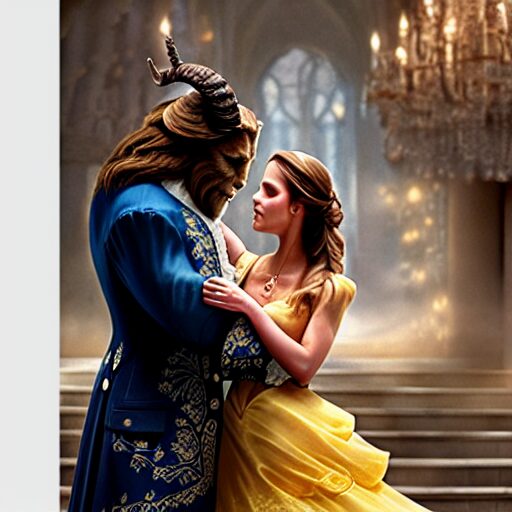
    The classic fairytale, “Beauty and the Beast,” is a captivating narrative that transcends generations. One of its most intriguing aspects is the trope of the “monstrous bridegroom.” This article delves into this compelling theme, exploring its origin, evolution, and significance in the story.

    The Origins of the Monstrous Bridegroom

    “There are two kinds of stories in this world: love stories and ghost stories. All other stories are variations on those two themes.” – Neil Gaiman

    The “Beauty and the Beast” folklore has roots dating back to ancient Greece, where it was known as Cupid and Psyche (Cupid and Psyché). However, it wasn’t until the 18th century that the modern interpretation of the tale emerged in Jeanne-Marie Leprince de Beaumont’s short novel. The “monstrous bridegroom” trope was firmly established in this version, where the Beast is a cursed prince and the love interest of Belle.

    The Evolution of the Monstrous Bridegroom

    Over time, adaptations of “Beauty and the Beast” have evolved to reflect societal changes. For instance, in Disney’s 1991 animated film, the Beast was reimagined as a more sympathetic character, emphasizing his humanity beneath the beastly exterior. This change reflected a shift in popular sentiment towards acceptance of those who appear different or ‘monstrous.’

    The Significance of the Monstrous Bridegroom

    The “monstrous bridegroom” trope serves several purposes within the story. Firstly, it offers a critique of superficial beauty, as Belle falls in love with the Beast for his kindness and character rather than his appearance. Secondly, it explores themes of transformation and redemption, as the Beast undergoes changes both internally and externally to win Belle’s heart.

    Conclusion

    The “monstrous bridegroom” trope in “Beauty and the Beast” offers a compelling exploration of love, acceptance, and transformation. Its enduring popularity underscores the timeless nature of these themes, making the story as relevant today as it was when first told centuries ago.

    Further Reading

  • Symbol Over Statistic – Why stories outlive studies

    Symbol Over Statistic – Why stories outlive studies

    Symbol Over Statistic – Why Stories Outlive Studies

    body {
    font-family: Arial, sans-serif;
    line-height: 1.6;
    max-width: 800px;
    margin: 0 auto;
    padding: 20px;
    }
    h2 {
    color: #2c3e50;
    }
    blockquote {
    background: #f9f9f9;
    border-left: 10px solid #ccc;
    margin: 1.5em 10px;
    padding: 0.5em 10px;
    font-style: italic;
    }
    ul {
    list-style-type: square;
    margin: 1em 0;
    padding-left: 40px;
    }

    Symbol Over Statistic – Why Stories Outlive Studies

    In the realm of human understanding and communication, both anecdotes and data hold significant places. Yet, throughout history, it has become evident that stories often outlive studies. The symbols embedded in narratives resonate on an emotional level that statistics struggle to achieve. Let’s delve deeper into the reasons why stories have enduring power over mere data.

    Engagement and Memory Retention

    Human brains are wired for stories. Studies by neuroeconomist Paul Zak have demonstrated that when we hear a story, our brains release oxytocin, a hormone that builds empathy and connection—the cornerstones of effective communication.

    “The chemistry of storytelling is reflected in how our brain processes stories. By engaging both the cognitive and emotional parts of our brain, stories help us to remember facts far better than when presented with numbers alone.” – Paul Zak

    This idea is further supported by research published in Sage Journals, which highlights that narratives activate different parts of the brain compared to analytical information. The engagement and retention offered by stories can be pivotal for education, marketing, and even policy-making.

    Humanization of Information

    Statistics, by nature, are abstract. Numbers and data represent collective truths but can often obscure individual experiences. Stories, on the other hand, bring these numbers to life by providing personal context. The tale of one person’s struggle or success can embody a broader statistic much more powerfully than the abstract number itself. This human connection is crucial for empathy and understanding.

    • Consider the power of a single personal testimony when discussing a widespread issue.
    • Stories make large-scale problems, like poverty or disease, relatable on a personal level.

    Symbols and Metaphors

    One of the most enduring elements of stories is their use of symbols and metaphors. These literary devices allow complex ideas to be communicated succinctly and profoundly:

    • The “Hero’s Journey,” a narrative pattern identified by Joseph Campbell, illustrates the universal nature of the struggle and triumph found in countless cultures’ stories.
    • Metaphors, like George Orwell’s “Big Brother,” encapsulate abstract concepts like surveillance and authoritarianism in intuitive and memorable ways.

    “Metaphor lives a secret life all around us. We utter about six metaphors a minute. Metaphors are as omnipresent as they are inescapable.” – James Geary

    A Guide for Action

    Stories not only inform but also inspire action. While statistics may alert us to a problem, stories motivate us to solve it. This is particularly visible in movements for social change, where narratives galvanize collective action by identifying with human experiences, struggles, and triumphs.

    Surviving the Test of Time

    Consider the tales of ancient civilizations or religious texts, which have been handed down through generations not just as historical artifacts but as continual shapers of human cultures and belief systems. These stories endure because they are more than just their literal meanings. They offer lessons, invoke emotions, and foster connections across generations.

    • The myth of Icarus, for instance, teaches lessons about hubris and ambition, transcending time and still being relevant today.
    • The moral tales from Aesop’s Fables continue to be told, imparting wisdom and guiding ethical behavior centuries after their origin.

    “Stories are the creative conversion of life itself into a more powerful, clearer, more meaningful experience. They are the currency of human contact.” – Robert McKee

    A Complement, Not a Substitute

    It is crucial to note, however, that stories don’t negate the importance of statistics. In an era where data drives decision-making, the combination of both narrative and numeric evidence provides a balanced perspective. But in the debate on which is more enduring or impactful, stories hold a unique place in shaping our understanding and our world.

    To leverage the full potential of communication, embracing the symbiotic relationship between stories and statistics can lead to a more enlightened and connected world.

    For further reading, consider exploring Harvard Business Review’s article on storytelling and its impacts on the human brain and decision-making processes.

    As we look ahead, stories will continue to rule not only as a source of entertainment but as a fundamental tool for understanding the nuances of human experience—and this is a testament to their unparalleled power over mere statistics.

  • Myth as Emotional Infrastructure – The hidden architecture of culture

    Myth as Emotional Infrastructure – The hidden architecture of culture

    Myth as Emotional Infrastructure: The Hidden Architecture of Culture

    In the tapestry of human culture, myths are the golden threads that weave together our shared understanding, beliefs, and values. Often dismissed as mere fairy tales or relics of past civilizations, myths are, in fact, the emotional infrastructure upon which societies build their beliefs, ethics, and philosophies. This article explores the essential role that myths play in shaping cultural narratives and sustaining the emotional and moral architecture of human communities.

    The Timelessness of Myth

    Myths are not just stories; they are a crucial part of the human experience. Joseph Campbell, a prominent mythologist, once noted, “Myths are public dreams, dreams are private myths.” Myths serve as a vehicle for conveying profound truths and universal experiences. They transcend time, offering insights not only into past civilizations but also into contemporary society.

    “Every society needs a myth to live by, to anchor its identity in the chaos of the universe.” – Mircea Eliade

    The power of myth lies in its ability to resonate with fundamental aspects of the human experience—identity, purpose, morality, and mortality. As a cultural touchstone, myths provide a collective narrative that helps individuals make sense of their personal and communal existence.

    Myths as Emotional Infrastructure: Understanding the Architecture

    Myths function as emotional infrastructure by providing a shared framework for understanding the world. They are the hidden architecture that supports the weight of cultural values and morals. Here are some key ways in which myths serve as this foundational support:

    • Identity and Belonging: Myths offer narratives that help define who we are as individuals and as members of a community. They give us a sense of belonging and continuity, linking us to our ancestors and their experiences.
    • Ethical Guidelines: Through legendary tales of gods, heroes, and historical events, myths provide moral and ethical guidelines. They offer lessons on courage, justice, and the consequences of human actions.
    • Cultural Cohesion: Myths create a shared history and purpose, fostering unity and cohesion within a society. They bridge the gap between the individual and the collective, harmonizing personal dreams with cultural narratives.
    • Explaining the Unknown: Myths often address existential questions and explain natural phenomena, offering comforting frameworks for understanding the world’s mysteries.

    Examples of Myths Across Cultures

    Each culture has its own set of myths that carry unique insights and values:

    • Greek Mythology: The stories of Olympian gods and ancient heroes like Hercules and Persephone embody themes of power, hubris, and the interplay between fate and free will. As History notes, these myths have significantly influenced Western literature and thought.
    • Aboriginal Dreamtime: In Australian Aboriginal cultures, Dreamtime stories explain the origin of the world, its creatures, and human customs. According to Queensland Department of Communities, these stories are vital for cultural preservation and teaching Aboriginal law and morality.
    • Norse Mythology: Tales of Odin, Thor, and Ragnarok reflect themes of bravery, the inevitability of fate, and the cyclical nature of time and creation. The Encyclopædia Britannica highlights how these myths continue to influence modern literature and popular media.

    The Relevance of Myths in Modern Culture

    In contemporary society, the relevance of myths can often be overlooked, yet they continue to shape our worldviews and cultural expressions. Consider, for example, the role of myths in pop culture, where superhero stories function as modern epic tales. They convey messages about responsibility, power, and the battle between good and evil, tapping into age-old archetypes recognized across cultures.

    Similarly, popular movies, such as Star Wars and The Lord of the Rings, embody mythical themes and structures, creating new myths for modern audiences. George Lucas, the creator of Star Wars, famously acknowledged Joseph Campbell’s influence, using the hero’s journey as a template for his saga. As Campbell wrote in The Power of Myth, “The hero is the man or woman who has been able to battle past his or her personal and local historical limitations to the generally valid, normally human forms.”

    Preserving and Transforming Myths

    As collective narratives, myths are never static. They evolve with societies, adapting to new contexts while preserving core values. This dynamic nature enables myths to remain relevant, providing continuity amid societal change. The digital age offers new platforms for myth-making, with virtual realities and interactive media extending mythic storytelling to new frontiers.

    Myths’ adaptability is crucial, especially in times of cultural upheaval. They act as stabilizers, comforting societies by reaffirming shared values and beliefs. However, their transformation also raises questions about authenticity and cultural appropriation, as myths are retold across diverse cultures and media.

    Conclusion: Understanding the Unseen Infrastructure of Myths

    Recognizing myths as emotional infrastructure allows for a deeper understanding of culture’s architecture—the unseen framework that supports and shapes human civilizations. Myths are more than ancient stories; they are living pieces of our cultural identity. As such, understanding their role is essential for appreciating the emotional and historical depth of human society.

    In a world where globalization and technological advances are rapidly altering cultural landscapes, myths remind us of our fundamental human connections and shared experiences. They anchor us, weaving a rich tapestry of stories that continue to guide, teach, and inspire across generations.