Tag: stillness

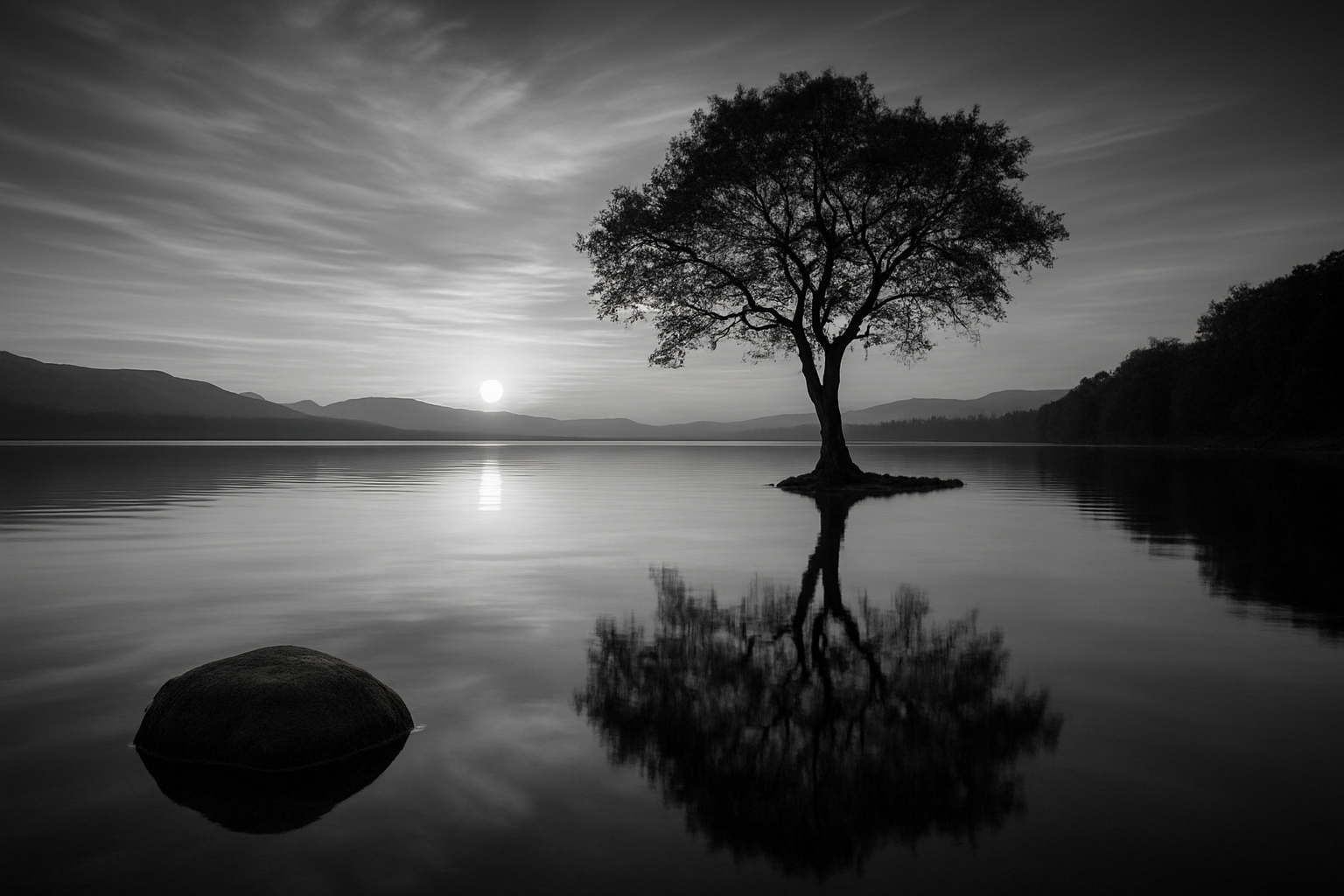
  • The Sound of Stillness – Hearing the Universe Breathe

    The Sound of Stillness – Hearing the Universe Breathe

    The Sound of Stillness: Hearing the Universe Breathe

    In the cacophony of modern life, silence seems like a distant promise, a forgotten melody overshadowed by the relentless clamor of technology and obligations. Yet, in the depths of stillness, there lies an opportunity to tune into a more profound symphony: the sound of the universe itself.

    The concept of listening to the universe breathing might sound abstract, almost mystical. However, this idea points to an ancient understanding and practice that transcends cultures and philosophies. From the meditative silences of Zen Buddhism to the contemplative prayers of Christian monks, silence acts as a gateway to a deeper connection with the cosmos.

    Embracing Silence

    • Transformative Power: Silence is often described as a sanctuary, a space where the mind can reach stillness. Thich Nhat Hanh, a renowned Vietnamese Zen master, once noted, “Silence is essential. We need silence just as much as we need air, just as much as plants need light.” In this silence, we find clarity and a greater sense of presence.
    • Mindful Listening: In mindfulness meditation, practitioners are encouraged to focus not just on quieting the mind, but also on being acutely aware of the silence itself. This practice opens the door to an expansive awareness where one can begin to “hear” the universe breathe.

    Historical Perspectives on Cosmic Sound

    Throughout history, many cultures have touched upon the idea of a cosmic sound, an ethereal hum that represents the underlying order of the universe. The ancient Indian scriptures acknowledge Om as the primordial sound, a vibration echoing through the universe and embodying the source of all creation. Similarly, the Greeks spoke of the Music of the Spheres, a philosophical concept that regarded the movements of celestial bodies as a form of silent music, harmonious and serene.

    “The personality of the sound is determined by the constellations in which the planets are located.” — Johannes Kepler

    The Science of Silence

    Modern science offers a fascinating perspective on this ancient wisdom. Quantum physics suggests that all matter vibrates at specific frequencies. The universe, from the tiniest particle to the vast expanse of galaxies, is a symphony of vibrations. As we attune ourselves to silence, we might begin to sense these subtle energies and recognize the universe’s breath in our own.

    Researchers have also studied the effects of silence on the human brain. A study published in the journal ‘Neuron’ found that two hours of silence per day promoted cell development in the hippocampus, the brain region related to the formation of memory. These findings underscore how silence is not merely the absence of sound, but a fertile ground for mental and spiritual growth.

    Practical Steps to Hear the Universe Breathe

    • Create Silence: Find a quiet space where you can sit undisturbed. Close your eyes, take a deep breath, and let the world begin to fade away. Focus on the space between sounds rather than the sounds themselves.
    • Deep Listening: As the initial distractions subside, try to listen beyond the immediate environment. Imagine expanding your awareness to the cosmic scale. Feel the rhythm of your breath aligning with a greater, universal pulse.
    • Reflect: After your practice, take a moment to reflect on what you experienced. Did you feel a sense of connection or peace? Did the silence communicate insights or emotions?

    Concluding Thoughts

    The sound of stillness, the notion of hearing the universe breathe, is an invitation to enter a state of profound awareness and connection. It calls us to step back from the noise of everyday life and harmonize with the quiet, ever-present hum of the cosmos. By doing so, we might not only hear the universe’s breath but also find our place within its vast, intricate design.

    Ultimately, this practice is a reminder that we are all part of something much larger than ourselves, a universe that resonates with melody and meaning beyond sound. Embracing silence, we open ourselves to the wisdom and mysteries that the stillness can reveal.

  • The Traveler’s Rest – Stillness in the Midst of Motion

    The Traveler’s Rest – Stillness in the Midst of Motion

    In a world that is constantly on the move, finding moments of stillness has become a rare luxury. The traveler’s life, marked by endless journeys and ever-changing plans, can quickly become overwhelming. Yet, within this whirlwind of activity, there exists a profound opportunity: discovering stillness amidst motion. This balance is not only achievable but essential for the mindful traveler.

    The Art of Stillness

    “Sometimes the most productive thing you can do is relax,” said Mark Black, a motivational speaker and author. For travelers, embracing moments of stillness is about more than just taking breaks; it’s about cultivating a space within oneself that remains tranquil and centered regardless of external circumstances.

    “It’s not about being still in the physical sense, but rather about finding that stillness mentally and spiritually,” notes Pico Iyer, a renowned travel writer. In his piece for the New York Times, he discusses how embracing stillness enriches the travel experience, allowing individuals to reflect and rejuvenate.

    Mindful Practices for Travelers

    Incorporating mindfulness into your travel routine can help maintain an inner calm. Here are a few practices to consider:

    • Meditative Breaks: Dedicate a few minutes each day to meditation, whether it’s a deep breathing session or guided meditation. Apps like Headspace and Calm offer useful resources for travelers.
    • Journaling: Keep a travel journal where you pen down your thoughts and experiences. This practice not only documents your journey but also serves as a reflective exercise.
    • Digital Detox: Allocate specific times to disconnect from digital devices. Use this time to observe your surroundings, engage with local culture, or simply relax.

    Creating and Finding Restful Spaces

    Finding a haven of peace is crucial, especially for those constantly on the go. Whether it’s a serene café, a quiet corner in a bustling city, or the tranquility of nature, restful spaces recharge and inspire.

    • A Taste of Local Life: Visiting local markets or attending community events can provide a unique perspective and a sense of connectedness.
    • Parks and Open Spaces: Natural settings, even within urban environments, offer respite from travel hustle. Parks, gardens, and riverside walks can be particularly rejuvenating.
    • Silent Retreats: Consider joining a short retreat or workshop focused on wellness and mindfulness. These experiences offer structured environments tailored to cultivating inner peace.

    The Traveler’s Journey Within

    The external journey through different landscapes and cultures becomes more meaningful when complemented by an internal journey. Author and philosopher Lao Tzu famously said, “A journey of a thousand miles begins with a single step.” This metaphorical journey towards inner stillness accompanies the traveler always, adding depth to their adventures.

    “Travel far enough, you meet yourself,” states David Mitchell in his novel Cloud Atlas. The notion underscores that as travelers venture into the world, they also delve within, encountering aspects of their identity in novel circumstances.

    Conclusion

    In the constant motion of travel, finding stillness may seem counterintuitive, yet it is this stillness that bestows clarity and mindfulness. The traveler’s rest is an invitation to pause, reflect, and absorb the richness of their experiences. As you plan your next journey, consider not just the destinations on a map, but also how you can cultivate spaces of inner tranquility along the way. These moments of rest will not only enhance your travels but also nourish your soul.

  • The Hidden Valley – Where Stillness Hides from Noise

    The Hidden Valley – Where Stillness Hides from Noise

    The Hidden Valley: Where Stillness Hides from Noise

    In the heart of our increasingly noisy and bustling world, there exists a sanctuary where tranquility reigns supreme—a place aptly called the Hidden Valley. This remarkable enclave offers a profound escape from the cacophony of modern life, enveloping visitors in a serene embrace that feels a world apart.

    The Journey to Silence

    Located in the sprawling hinterlands of the Sierra Nevada, the Hidden Valley is a treasure trove of natural beauty and stillness. As described by renowned nature writer John Muir, “The clearest way into the Universe is through a forest wilderness.” His words perfectly capture the essence of trekking into this secluded paradise, where the natural world unfolds in its most pristine form.

    The Hidden Valley is accessed through winding trails that carve through dense woodlands, as the whispering of leaves and the occasional call of a distant bird create a soundtrack of nature’s own composition. Each step deeper into this sylvan retreat marks a shift away from the relentless noise of urbanity towards the harmonious silence of the wild.

    Nature’s Symphony

    The valley itself is a stunning confluence of geographical marvels and ecological diversity. Majestic pine trees rise like sentinels to hold the sky, while the valley floor is carpeted with a tapestry of wildflowers and verdant grasses. The stillness here is profound, interspersed only by the gentle flowing of the Hidden River that weaves its way through the landscape.

    “Nature is not a place to visit. It is home.” — Gary Snyder

    The Hidden River is a lifeline through the valley, creating habitats for a variety of wildlife. Observers will find themselves entranced by the dance of dragonflies skimming the water’s surface and the serene grace of deer pausing to drink along the banks. This abundance of life thrives in the absence of human interference, embodying the delicate balance of an unspoiled ecosystem.

    The Science of Silence

    Recent studies suggest that exposure to quiet environments has profound physiological and psychological benefits. According to research published in the Journal of Environmental Psychology, natural silence can reduce stress levels significantly, lower blood pressure, and boost mental clarity. The Hidden Valley serves as a living laboratory for these findings, offering a natural antidote to the pressures of modern living.

    Moreover, the valley’s tranquility supports biodiversity. A study by the World Wildlife Fund highlights that areas with minimal human noise allow native species to thrive without disturbances, maintaining essential ecological processes.

    Preserving Tranquility

    Efforts to preserve the Hidden Valley are paramount. As human activity continues to expand, conservationists emphasize the importance of protecting such sanctuaries from development and pollution. The National Park Service works tirelessly to ensure that areas like the Hidden Valley remain untouched for future generations to experience.

    In the words of Rachel Carson, “Those who contemplate the beauty of the earth find reserves of strength that will endure as long as life lasts.” It is essential to not only appreciate these serene spaces but also to take active roles in their preservation.

    The Call of the Quiet

    For those fortunate enough to find themselves in the Hidden Valley, the experience is transformative. Visitors report a heightened sense of awareness and connectivity with nature, a renewal of spirit that is difficult to attain amidst urban environments. This profound connection is a testament to the valley’s power to refresh and inspire.

    As the world grows louder, places like the Hidden Valley become invaluable refuges. They remind us of the enduring beauty of silence and the need to preserve these pockets of serenity. In an era defined by its clamor, finding stillness is both an art and a necessity, for it is within these silent sanctuaries that we rediscover the richness of life itself.

    Thus, the Hidden Valley stands not just as a physical space, but as an emblem of nature’s unwavering resilience. It calls out to each of us to step lightly on its paths, listen deeply to its silence, and join the chorus of voices committed to its protection.

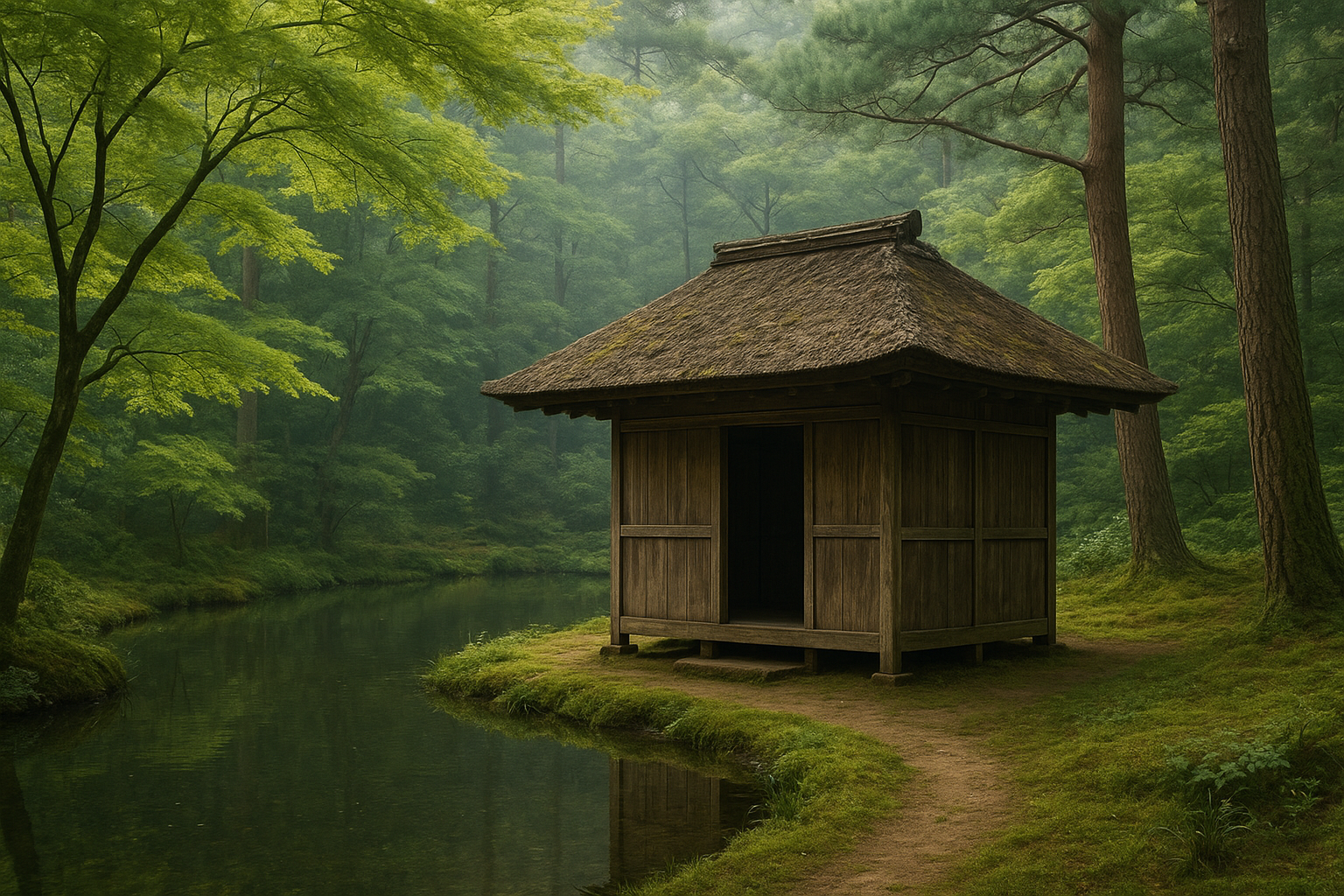
  • The Empty Hut – Where Zen and Nature Meet in Stillness

    The Empty Hut – Where Zen and Nature Meet in Stillness

    The Empty Hut – Where Zen and Nature Meet in Stillness

    The Empty Hut – Where Zen and Nature Meet in Stillness

    The Empty Hut is a profound exploration of the intersection between Zen philosophy and nature’s tranquility. Directed by the visionary filmmaker, Kiyoshi Nakagawa, this film invites us into a world where stillness speaks louder than words.

    “In the world of Zen, the empty hut isn’t just a dwelling place, but a metaphor for the clarity and peace achieved in an unclouded mind,” explains Nakagawa.

    A Visual Meditation

    • Cinematography: The film’s cinematography captures the raw beauty of Japan’s remote landscapes, intertwining them with elements of Zen architecture. Lush forests, serene rivers, and ancient temples are depicted in stunning detail.
    • Sound Design: Complemented by a minimalist sound design, the whisper of wind through leaves and the gentle flow of water create a meditative soundscape that enhances the viewer’s sense of presence.

    The Empty Hut does not follow a conventional narrative structure. Its pacing is deliberately slow, demanding patience and reflection. Viewers are encouraged to let go of distractions, much like the Zen practitioners whose stories are subtly woven throughout the film. Nakagawa weaves a tapestry of visual and auditory experiences that mirror the practice of Zen meditation, emphasizing deep introspection over action.

    The Essence of Zen

    At the heart of the film is a solitary monk who retreats to an isolated hut in the mountains, symbolizing the journey of returning to simplicity. His practice is not just of austerity but of an intentional embrace of the present moment. As the monk tends to a moss garden or sits in silent meditation, the viewer is invited to join him in contemplating the profound peace found in simplicity.

    This movie resonates strongly with those familiar with the tenets of Zen Buddhism and anyone who finds solace in nature’s embrace. Critics have noted that The Empty Hut is “like a haiku brought to life,” as stated in a review by Zen Filmmakers Journal.

    A Profound Experience

    In conclusion, The Empty Hut offers an exquisite escape into the world where Zen and nature coexist in profound serenity. Its ability to capture the essence of stillness and the beauty of the natural world makes it a standout piece that nurtures the soul.

    “A silent journey within—where one can meet the true self,” echoes within the closing scenes, a perfect summation of the film’s deeper message.

  • The Circle of Return – Cycles of Journey and Stillness

    The Circle of Return – Cycles of Journey and Stillness

    The Circle of Return – Cycles of Journey and Stillness

    The Circle of Return: Cycles of Journey and Stillness

    Life is often conceived as a series of linear progressions, where we move from point A to point B in pursuit of goals and dreams. However, if one takes a closer look, it becomes evident that life also unfolds in cycles, embodying a dynamic dance between moments of movement and moments of stillness. This is the essence of the circle of return—an endless loop that defines our existence and experiences.

    The Concept of Cycles

    Many ancient cultures observed life as a cyclical process, a concept best evidenced by the changing seasons, lunar phases, and even the tide. This view affirms that “everything comes back around,” tapping into a rhythm that has been part of human consciousness for millennia. As philosopher Alan Watts posits:

    “There is a peculiar rhythm that thrills through our lives, revealing that one must dissipate and then regather their energies in a constant cycle.” (Alan Watts)

    This everlasting cycle of return underscores seminal phases in our lives. Whether in the ebb and flow of our personal development or the inevitable rise and fall of civilizations, understanding these cycles is crucial to grasping the core of our journey through life.

    Journey: The Cycle of Movement

    The journey phase of the cycle is characterized by action and exploration. It is a period where we venture outward, engage with the world, and seek new experiences. In this mode, humans are akin to the migrating birds that navigate countless miles, driven by instinct and the lure of the unknown.

    • Travelling to new places contributes to our personal growth.
    • Pursuing education or career advancements represents another form of this cycle.
    • Engaging in relationships and building connections are part of our social journey.

    This cycle of movement is fueled by curiosity and desire. As renowned author J. R. R. Tolkien wrote, “Not all those who wander are lost,” highlighting how this aspect of the cycle is essential for discovering new terrains—both external and internal.

    Stillness: The Cycle of Return

    The cycle of stillness is equally critical, contrasting the active journey. These are the moments when we pause, reflect, and fully internalize our experiences. It is a time of rest and rejuvenation, echoing the winter that follows a bountiful harvest season.

    • Reflecting on past journeys helps integrate lessons learned.
    • Periods of rest are essential to prevent burnout and maintain well-being.
    • Mindfulness and meditation practices fall within this cycle, offering spiritual sustenance.

    As Eckhart Tolle notes, “Stillness is where creativity and solutions to problems are found.” (Eckhart Tolle) By embracing these pauses, individuals are better equipped to navigate future journeys with enhanced perspectives and refreshed resilience.

    Finding Balance in the Cycle

    The harmony between journey and stillness fosters an enriched life. Balancing these cycles invites a deeper connection to our own nature and the world around us. Here are some ways to integrate this understanding effectively:

    • Adopt practices that emphasize both movement and rest—such as yoga or tai chi.
    • Engage in continuous learning, alternating between active application and reflection.
    • Cultivate a lifestyle that values experiences without losing sight of moments for introspection and peace.

    Understanding the circle of return allows one to navigate life’s challenges and opportunities with wisdom and grace. It reminds us that moments of pause are not setbacks but essential parts of our cyclical existence.

    Conclusion

    The circle of return envelops our lives, manifesting as intertwined cycles of journey and stillness. By appreciating this beautiful rhythm, we can move through life with greater awareness and serenity, acknowledging that each step forward is balanced by moments of gentle return. The dance between action and repose, progress and quietude, becomes a path to a life steeped in meaning and fulfillment.

    Ultimately, it is the understanding and acceptance of these cycles that empower us to grow. With every journey concluded by a period of stillness, we emerge renewed—equipped for the next leg of our life’s adventurous journey.

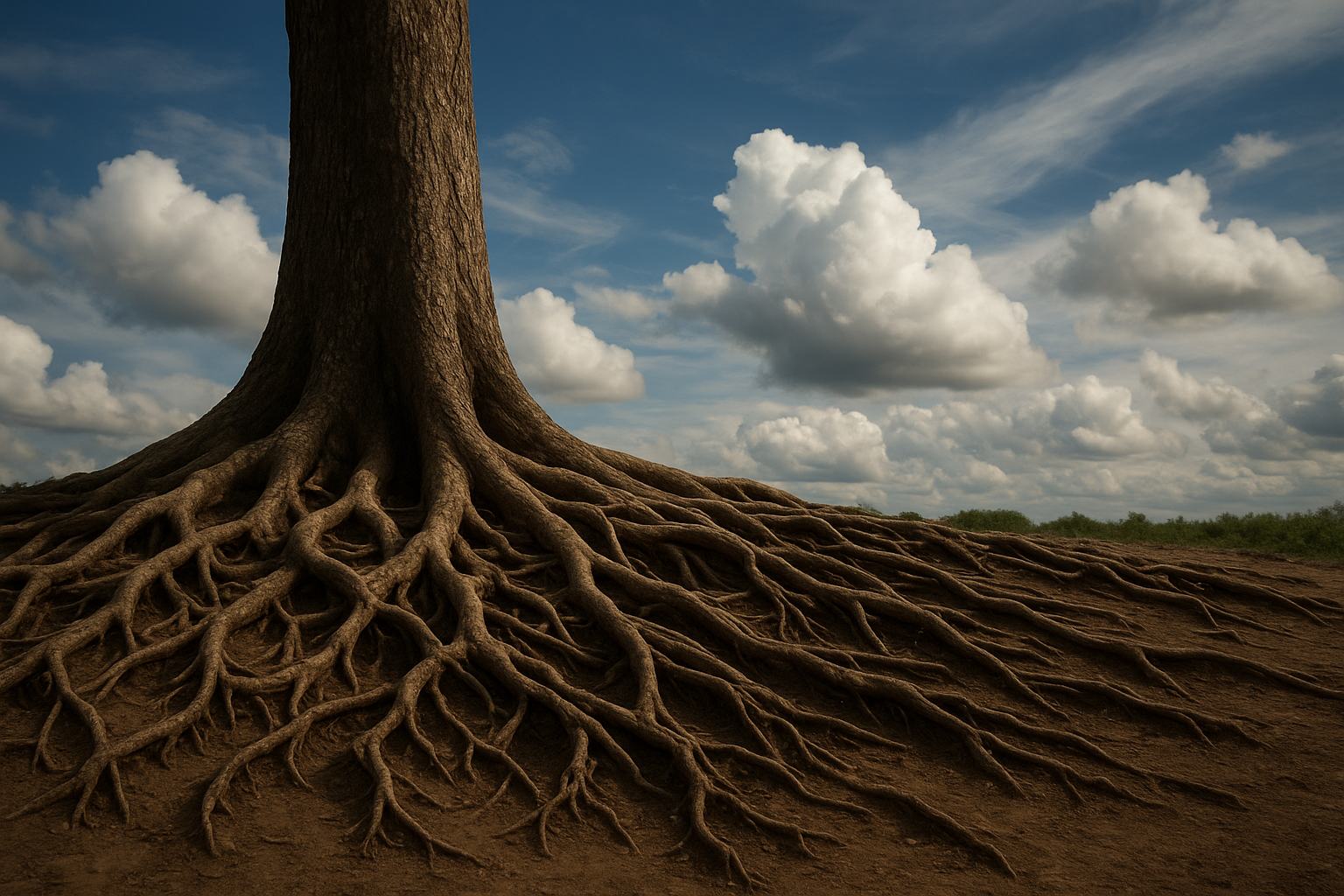
  • Roots and Clouds – The Dual Nature of the Dao in Movement and Stillness

    Roots and Clouds – The Dual Nature of the Dao in Movement and Stillness

    Roots and Clouds: The Dual Nature of the Dao in Movement and Stillness

    The ancient philosophical teachings of Daoism offer profound insights into the interplay between movement and stillness, symbolized by the imagery of roots and clouds. Grounded yet expansive, these concepts illustrate how harmony with the Dao is achieved through understanding and embodying these dual aspects of existence.

    The Roots: Firmness in Stillness

    Roots, in the context of Daoist philosophy, symbolize stability, groundedness, and strength. Just as roots anchor a tree to the earth, the concept of roots reflects the importance of a firm foundation in life. This foundational stability allows for growth and resilience.

    • Rootedness in Practicing the Dao: Daoist practices such as meditation and Tai Chi emphasize stillness and connection to the earth. This practice cultivates a form of inner quietude and strength, akin to being deeply rooted. As Laozi suggests in the Tao Te Ching, “To the mind that is still, the whole universe surrenders.
    • Balance and Harmony: Just as roots draw nourishment from the soil, individuals grounded in their practice are able to draw wisdom and strength from their surroundings, achieving a balance with the world.

    The Clouds: Freedom in Movement

    Contrasting with the steadfast nature of roots, clouds embody the essence of freedom, movement, and change. They are ever-moving, never confined to one shape or form, which is reflective of the Daoist view of the universe as fluid and dynamic.

    • Flexibility and Impermanence: The transitory nature of clouds teaches adaptability. Movement, in this sense, is not chaotic but a flexible response to life’s transient nature. The Internet Encyclopedia of Philosophy discusses how the Dao is continually transforming, like the clouds.
    • Creative Force: Where roots signify grounding, clouds represent the boundless possibilities that come with embracing change. As Zhuangzi notes, “The perfect man employs his mind like a mirror – going after nothing, welcoming nothing, responding but not storing.” This mirrors the freedom clouds have in drifting and shaping at will.

    The Harmony of Movement and Stillness

    The Dao is often described as existing in harmony with all things, embodying a dynamic balance between opposites: movement and stillness. Like yin and yang, these elements are interdependent, each defining and giving rise to the other.

    “Those who flow as life flows know they need no other force.” – Laozi.

    This statement highlights the Daoist appreciation for an existence that embraces fluidity and settledness. By becoming attuned to both roots and clouds, individuals can navigate life with serenity and grace.

    • Mindfulness in Action and Stillness: Practice involves being mindful of the present moment, whether in quiet contemplation or dynamic activity. This duality facilitates a deeply transformative experience where one is fully engaged yet maintains a peaceful center.
    • Philosophical Implications: The Daoist approach underscores the futility of resisting the natural ebb and flow of life. By highlighting both stillness and movement, Daoism encourages a surrender to the natural course of existence, fostering resilience and adaptability.

    Practical Applications

    Drawing from the principles of roots and clouds, the Dao offers practical applications for modern living:

    • Cultivating a Grounded Presence: Engage daily in grounding practices, whether it is through meditation, mindful walking, or simple stillness, providing the stability needed to face the world’s chaos.
    • Embracing Change: Like clouds, allow yourself to be open to possibilities and transformation. This adaptability enhances personal development and robust coping mechanisms.
    • Integrative Practices: Activities that combine stillness and movement, such as Tai Chi, not only improve physical health but also promote mental and emotional balance, reflecting the dual nature of the Dao.

    As the world continues to evolve at an exponential pace, the ancient wisdom of Daoism remains relevant. The balance of roots and clouds within the Dao provides a timeless template for living in harmony with both the stability of the earth and the freedom of the sky. By integrating these dual natures, individuals can embrace a life of depth, flow, and profound connection with the universe.

  • Pilgrimage to Stillness – Walking Toward the Heart of Nothingness

    Pilgrimage to Stillness: Walking Toward the Heart of Nothingness

    In a world overwhelmed by noise and relentless turmoil, the quest for stillness becomes a profound pilgrimage. This journey, often undertaken within the depths of one’s own mind, seeks to walk toward the heart of nothingness — a concept that both mystifies and liberates the seeker.

    The Quest for Silence

    The pilgrimage to stillness is paradoxical in its nature. It asks travelers to venture outwards, into the chaos of existence, while simultaneously delving inward, peeling away layers to reach the serene abode of nothingness. This nothingness, rather than being an emptiness, is a space brimming with potential and clarity.

    Ancient traditions have long heralded the importance of moving towards inner tranquility. Practitioners of Zen Buddhism, for instance, often engage in meditation practices that emphasize satori — a state of nothing but pure presence and awareness. According to the Zen master Takuan Soho, “The mindset of no-mindedness transcends thinking and touch-the-earth, so that all that remains is the spontaneous and the inevitable.”

    Steps Along the Path

    The journey towards the heart of nothingness can be intimidating, yet approachable if broken into several key steps:

    • Embrace Simplicity: Detaching from the unnecessary clutter — both physical and mental — can help pave the way for more profound insights. The minimalist movement preaches decluttering to find clarity; a principle that holds strong even in spiritual journeys.
    • Practice Mindfulness: Being fully present in each moment without judgment allows one to experience each facet of existence more vividly. A study from Harvard University highlights that mindfulness can improve emotional regulation and increase mental clarity, akin to clearing a fogged mirror of its haze.
    • Seek Silence: Intentionally incorporating periods of silence into daily life can help cultivate an inner stillness. Whether it’s through meditation, nature walks, or simply sitting in silence, this practice can allow the paradox of nothingness to emerge.
    • Embrace Solitude: Time spent in solitude does not equate to loneliness. Instead, it can nurture self-discovery and prepare the mind for the epiphanies that often accompany a stillness-centered life.

    The Heart of Nothingness

    At the core of this pilgrimage lies the hauntingly beautiful concept of nothingness. Philosophically, this state might sound barren, yet it is quite the opposite. The philosopher Laozi once said: “To the mind that is still, the whole universe surrenders.” This emphasizes that the true potential of nothingness lies in its capacity to receive, comprehend, and transform.

    Stillness is where the fragmented pieces of life come together in a seamless dance, enabling clarity and understanding. It’s where one hears the whisper of the universe, undistracted by the cacophony of daily life. It is the place from where creation itself springs forth.

    Modern Implications

    In today’s hyper-connected world, the pilgrimage not only holds spiritual significance but also resurfacing psychological benefits. The American Psychological Association reports that meditation and mindfulness exercises, which are gateways to stillness, can reduce stress, improve attention, and enhance one’s overall well-being.

    “The quieter you become, the more you can hear.” — Ram Dass

    This nous aligns with a growing societal recognition of the need to disconnect in order to reconnect — to ourselves, each other, and the world around us.

    Conclusion

    The pilgrimage to stillness is a timeless journey that beckons those yearning for purpose and peace within the chaos of life. By walking towards the heart of nothingness, we open the door to infinite possibilities where insight lay dormant and tranquility reigns supreme.

    As we each embark upon this pilgrimage, the footprints we leave behind may well be in the sand — lightly trodden, yet profound in their silent declaration. It is a journey toward simplicity, clarity, and the elusive, yet ever-present, heart of nothingness.

  • Practicing Stillness While in Motion

    Practicing Stillness While in Motion

    Practicing Stillness While in Motion

    Practicing Stillness While in Motion

    In today’s fast-paced world, the idea of finding stillness seems almost paradoxical when we are constantly on the move. However, discovering tranquility amid activity is not only possible but also a path to greater mindfulness and peace. Practicing stillness while in motion can be an essential skill for enhancing focus, reducing stress, and achieving a balanced life.

    The Concept of Stillness

    “Stillness is not about focusing on nothingness. It’s about creating an emotional clearing to see what is actually there.” – Oprah Winfrey

    Stillness, as defined by spiritual leaders and mindfulness practitioners, does not necessarily mean the absence of movement; rather, it implies a centeredness and clarity achieved through intentionality. As noted in the spiritual teachings, stillness is about finding peace within chaos.

    Finding Stillness in Daily Activities

    Integrating stillness into daily life can transform ordinary routines into opportunities for mindfulness and inner calm. Here are some key practices to incorporate stillness even while engaged in activity:

    • Mindful Walking: Instead of rushing from one task to another, practice mindful walking by focusing on each step. Feel the ground beneath your feet and the rhythm of your breath.
    • Focused Breathing: While commuting or during work breaks, engage in deep, conscious breathing. Inhale for four counts, hold, and exhale slowly, letting go of tension.
    • Active Meditation: Transform repetitive actions like washing dishes or gardening into meditative experiences by giving full attention to the activity at hand.

    Developing a Mindset for Stillness

    Achieving stillness begins with a shift in mindset. Here’s how you can cultivate a mentality that supports stillness in motion:

    • Embrace Imperfection: Accept that stillness doesn’t require perfection. It’s an ongoing practice that grows with patience and persistence.
    • Set Intentions: Begin each day by setting an intention to remain centered, no matter the external circumstances. Such an approach guides the mind towards calmness.
    • Practice Gratitude: Regularly acknowledging gratitude fosters a sense of contentment, which supports inner peace and stillness.

    Benefits of Practicing Stillness

    Embracing stillness as a practice offers numerous benefits that contribute to overall well-being:

    • Reduced Stress: Mindful practices activate the parasympathetic nervous system, lowering stress levels and fostering a sense of peace.
    • Increased Focus: Regular stillness practices enhance concentration and attention, improving productivity in professional and personal life.
    • Enhanced Emotional Health: Stillness enables individuals to gain greater control over their emotional responses, promoting resilience.

    Mindful Practices Around the World

    Different cultures have long recognized the importance of stillness, integrating unique practices into daily life:

    • Japan: The Japanese tradition of Zen emphasizes satori, or enlightenment through meditation and appreciation of simplicity and nature.
    • India: Yoga, originating in India, combines physical postures with controlled breathing and meditation to achieve peace and balance.
    • Thailand: Thai Buddhism recommends Vipassana meditation, cultivating insight through mindfulness of body and mind.

    Conclusion

    Practicing stillness while in motion doesn’t mean halting life’s activities but living them with awareness and intention. By adopting techniques to find peace within the chaos, you can cultivate a profound sense of stillness, regardless of external circumstances. Start with small steps, such as incorporating mindful walking or deep breathing into your routine. As you incorporate these practices, you’ll discover a tranquility that transforms not only your actions but also your perspective on life.

    For further reading on the power of stillness and mindfulness, visit Mindful.org.

  • Stillness in Motion

    Stillness in Motion

    Stillness in Motion: Finding Calm in a Rapidly Changing World

    In an era where technological advancements and societal shifts happen at lightning speed, finding moments of stillness can seem like an elusive ideal. Yet, the concept of “stillness in motion” is gaining traction as a necessary practice for maintaining mental health and fostering creativity.

    Amidst the chaos, embracing stillness does not mean ceasing all activity. Instead, it involves cultivating a state of mind where calmness and awareness coexist with the constant flow of life.

    The Science of Stillness

    Recent studies have highlighted the benefits of incorporating stillness into our daily routines. According to a report from the National Institutes of Health, mindfulness practices can significantly reduce stress and enhance cognitive function. This balance of activity and tranquility is essential for sustaining productivity and well-being.

    “Stillness does not mean the absence of movement or activity, but rather a state of inner peace and mindfulness amid the hustle and bustle of life.” – Psychology Today

    Techniques to Achieve Stillness

    Incorporating moments of stillness into a busy schedule requires intentionality and practice. Here are a few strategies to help achieve this balance:

    • Mindful Meditation: Dedicate a few minutes each day to meditation. Focus on your breath and let go of distracting thoughts.
    • Nature Walks: Spend time in nature to disconnect from technology and reconnect with the natural world. The rhythmic motion of walking can provide both physical exercise and mental clarity.
    • Digital Detox: Regularly unplug from digital devices to reduce information overload and allow your mind to rest.
    • Creative Expression: Engage in creative activities such as painting, writing, or playing music. These can serve as meditative practices that promote inner calm.

    Conclusion

    Finding stillness in motion is more than a paradox; it’s a vital practice for thriving in today’s fast-paced world. By integrating mindfulness into our routines, we create space for reflection and innovation. As the world continues to evolve, the ability to maintain inner peace amidst external chaos will be a defining skill of the future.

    For more insights into mindfulness and mental well-being, visit the Mindful website.