Tag: spirituality

  • The Quest for Kinship: Community and Connection in Modern Spirituality

    The Quest for Kinship: Community and Connection in Modern Spirituality

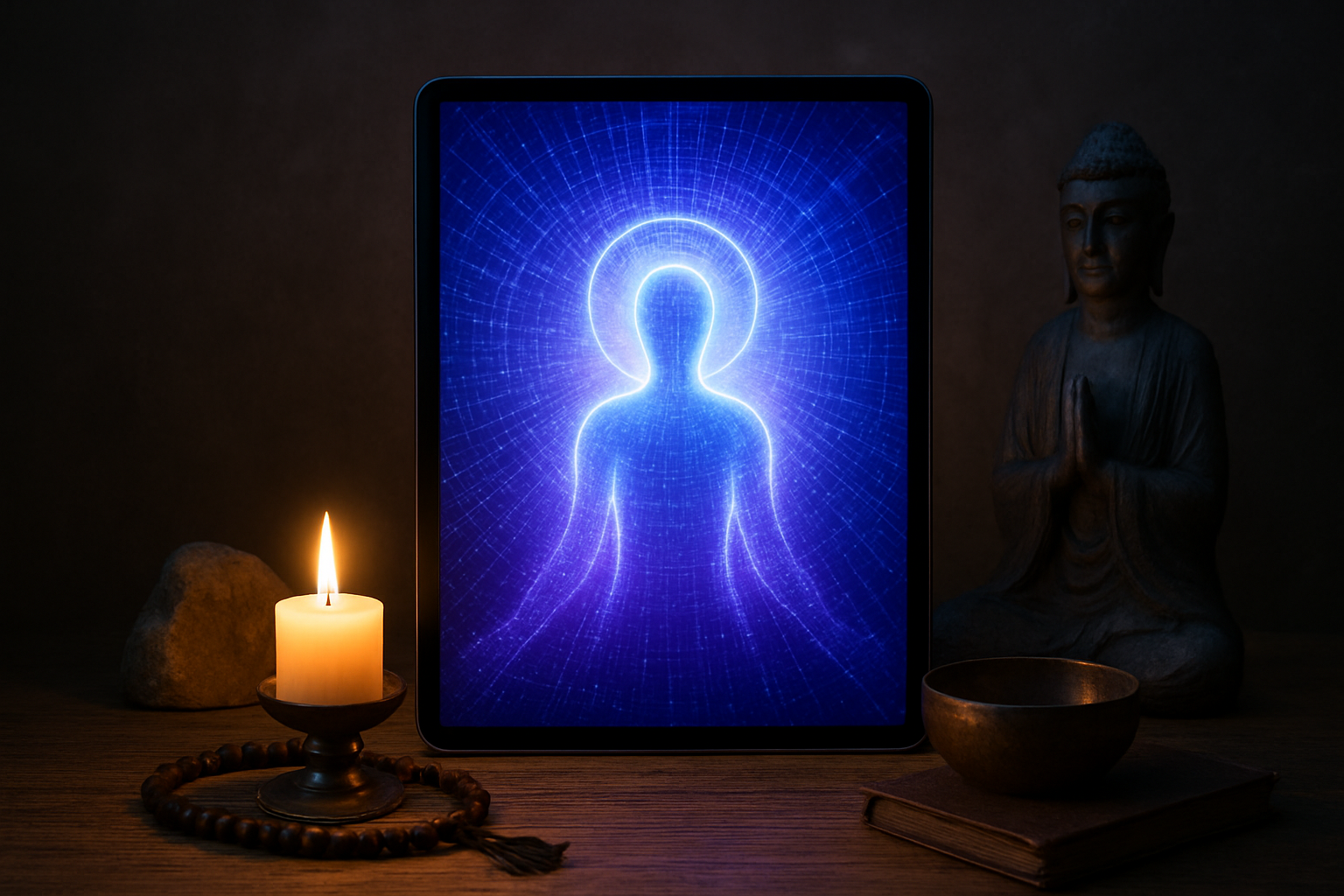
    In an age defined by digital interactions and individualism, the quest for kinship through community and connection in modern spirituality is thriving. From the rise of online spiritual communities to the resurgence of ancient practices, individuals are seeking solace and meaning through shared spiritual journeys. This exploration of community not only enhances personal growth but also fosters a sense of belonging and interconnectedness in a fragmented world.

    The Digital Congregation

    The digital revolution has notably transformed how people experience spirituality. Social media platforms and online forums have become gathering spaces for spiritual seekers around the globe. These virtual communities allow individuals to explore a multitude of spiritual practices, ranging from mindfulness meditation to Pagan rituals, without geographic constraints.

    “For many, these online communities provide a sanctuary to express beliefs, share experiences, and feel part of something larger than themselves,” notes Kathryn Lofton, a scholar of religious studies.

    Online spirituality groups offer the flexibility of connecting on one’s own terms. Whether through guided meditations on YouTube or live-streamed church services on Facebook, individuals can choose their level of engagement—from passive consumption to active participation.

    Revival of Ancient Practices

    Despite (or perhaps because of) the digital fervor, many are also turning back to ancient spiritual practices to seek meaningful connections. Practices like yoga, tai chi, and Indigenous ceremonies are witnessing a resurgence as people look to cultivate mindfulness and harmony with the earth.

    • Yoga and Meditation: Once primarily found in Eastern traditions, yoga and meditation have permeated Western frameworks as methods to manage stress and cultivate inner peace. These practices are not just individual exercises but are increasingly seen as communal activities that create bonds through shared physical and mental discipline.
    • Indigenous Practices: Reclaimed by Native communities and embraced by others, Indigenous rituals often emphasize community and interconnectedness with nature, promoting a holistic sense of belonging.
    • Pagan and Neopagan Rituals: The celebration of sabbats, or seasonal festivals, offers opportunities for community gatherings where participants engage in shared rituals that honor the cycles of nature and human life.

    “People are seeking authenticity and connection, and these practices offer both a sense of longstanding tradition and a communal way to engage with the mysteries of life,” says Anthony Howard, in an article on modern spirituality for The Guardian.

    The Role of Spiritual Leaders

    Spiritual leaders, both traditional and contemporary, play pivotal roles in fostering community and connection. Whether religious figures, yoga instructors, or online spiritual mentors, these leaders guide individuals through spiritual practices and help forge a collective identity among adherents.

    Spiritual leaders also act as connectors, facilitating relationships within their communities. They create safe spaces for individuals to share personal stories, seek guidance, and collaborate on service projects or community events, all of which reinforce communal ties.

    Challenges and Opportunities

    Despite the many benefits of spiritual communities, they also face challenges. The increasingly commodified nature of spirituality, where teachings and practices are often sold as products, can sometimes hinder genuine connections. The line between community and market often blurs, leading some to question the authenticity of certain spiritual experiences.

    Moreover, the global pandemic shifted many traditional spiritual gatherings online, making it difficult for some to form deep, lasting bonds without face-to-face interaction initially. However, this shift has also offered an opportunity to reach and include those who might have previously felt isolated or unwelcome in traditional settings.

    Building Lasting Connections

    Lasting connections in spiritual communities are fostered through shared values and collective purpose. Whether engaging in community service or coming together to celebrate spiritual milestones, these actions form the glue that binds members together. By participating in these shared experiences, individuals reinforce their community’s core principles and strengthen interpersonal bonds.

    In conclusion, the quest for kinship within modern spirituality is a multifaceted journey shaped by digital innovation, traditional revival, and the enduring human desire for connection. As individuals navigate their spiritual paths, the communities they form, both virtual and physical, are vital touchstones for shared growth and understanding.

    Whether seeking community to deepen personal beliefs or simply to find belonging in a constantly shifting world, modern spirituality offers myriad opportunities for meaningful connections. In a world where loneliness and isolation are ever-present threats, spiritual communities offer a beacon of hope and unity—illuminating the path to true kinship.
  • The Inner Landscape: Spirituality in the Age of Self-Help

    The Inner Landscape: Spirituality in the Age of Self-Help

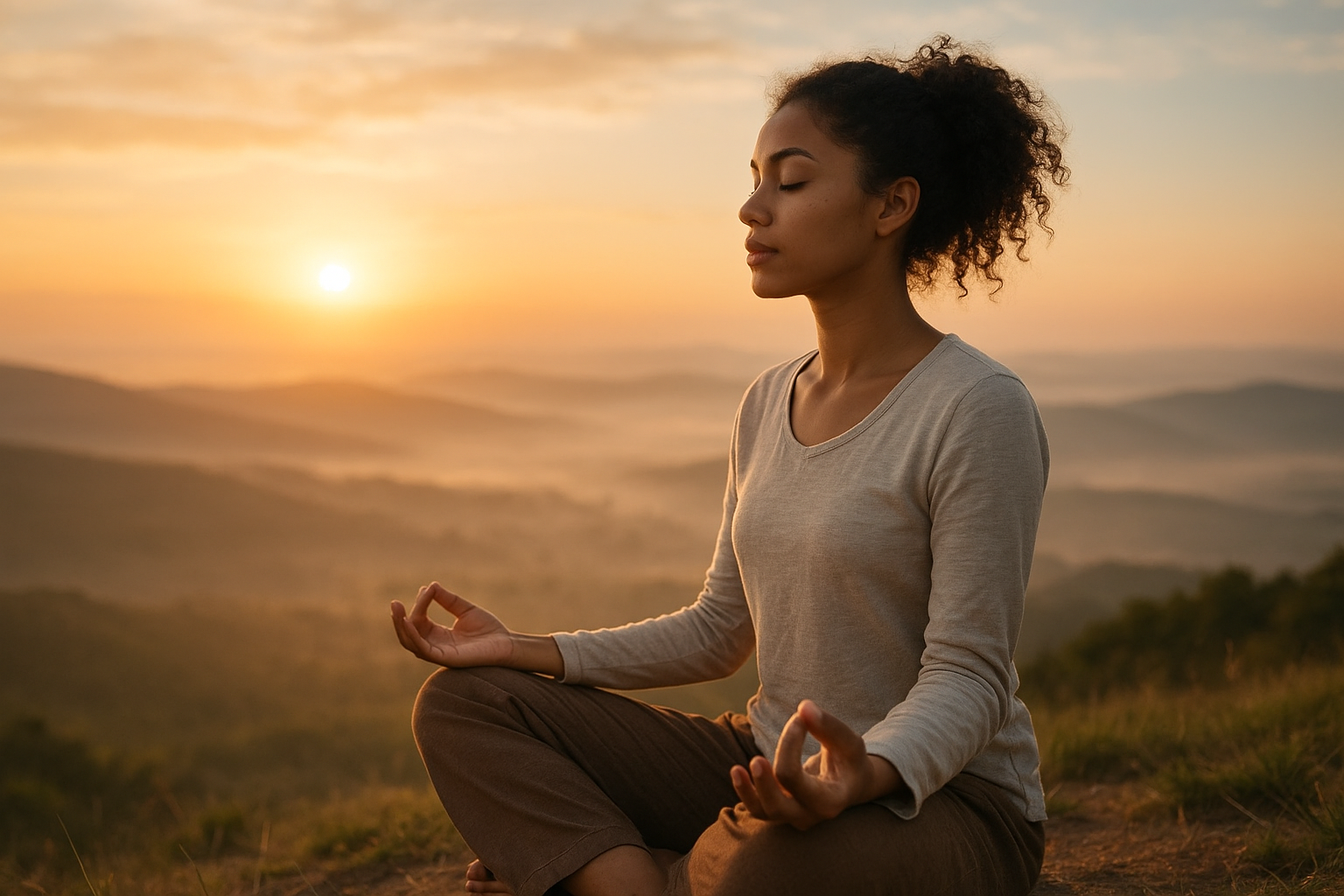
    In today’s fast-paced world, where information is available at the click of a button, individuals are increasingly turning inward to explore their own spiritual landscapes. The age of self-help has ushered in an era where personal empowerment and spiritual growth are intertwined, creating a rich tapestry of inner discovery.

    The Rise of Self-Help

    The self-help industry has grown exponentially, offering a multitude of tools and techniques designed to improve life satisfaction and personal development. According to the Forbes, the global self-help market was valued at $10.5 billion in 2020 and continues to expand. From podcasts to workshops, the resources available today cater to a wide array of personal growth needs.

    Integrating Spirituality

    Spirituality, often regarded as a core element of human experience, is finding its place within the self-help movement. While traditional religions offer structured paths, contemporary spiritual seekers often prefer a more personalized journey. This shift is captured well by the spiritual teacher, Pema Chödrön, who stated, “We are all capable of becoming fundamentalists because we get addicted to other people’s wrongness” (Pema Chödrön Foundation).

    “True spirituality is a mental attitude you can practice at any time.” — Dalai Lama

    Building a Personal Practice

    In the quest for personal enlightenment, modern seekers often create their own practices by blending elements from different traditions. Here are some common elements many incorporate:

    • Meditation: A cornerstone in both ancient and modern spiritual practices, meditation helps individuals find peace and clarity.
    • Mindfulness: Incorporates being present in the moment, often linked with better emotional and mental well-being.
    • Gratitude Journaling: By reflecting on the positives, individuals cultivate a sense of appreciation and joy.
    • Affirmations: Positive statements used to challenge and overcome self-sabotaging and negative thoughts.

    The Path Ahead

    As the lines between self-help and spirituality blur, there is no one-size-fits-all approach. Each individual’s journey is uniquely personal. The contemporary focus on personal empowerment and introspection signals a collective shift towards recognizing the significance of the inner landscape. As Ralph Waldo Emerson once remarked, “What lies behind us and what lies before us are tiny matters compared to what lies within us.”

    As we deepen our exploration of the spiritual path, we uncover not only who we are but who we are meant to be.

  • Beyond Belief: Non-Dogmatic Approaches to Modern Spirituality

    Beyond Belief: Non-Dogmatic Approaches to Modern Spirituality

    In an era characterized by rapid technological advancement and an ever-expanding horizon of knowledge, traditional modes of religiosity often feel insufficient. Many people today are seeking spiritual fulfillment without the confines of dogmatic beliefs, turning instead to individualized practices that resonate on a deeper, more personal level.

    The Shift Towards Spiritual Independence

    As globalization brings the world’s diverse spiritual traditions closer together, individuals are increasingly inspired to explore paths beyond conventional religious frameworks. This is evident in the growing numbers of people identifying as “spiritual but not religious” (SBNR). A 2017 study by the Pew Research Center highlights this trend, noting that 27% of American adults identified themselves as SBNR, almost doubling from 19% in 2012.

    “The need to believe in something greater than oneself… is one of the deepest yearnings of the human soul,” suggests James Hollis, Jungian psychotherapist and author.

    Core Principles of Non-Dogmatic Spirituality

    Moving beyond traditional beliefs doesn’t imply a rejection of all spiritual ideas but rather an embracing of core, universal principles that align with personal beliefs:

    • Empiricism and Personal Experience: Emphasis is placed on personal spiritual experiences rather than inherited doctrines. Individuals trust their own experiences and intuition as guiding forces.
    • Interconnectedness: Acknowledgment of the interconnected nature of all life often features prominently, influenced by both Eastern philosophies and Western ecological awareness.
    • Mindfulness and Presence: Practices such as meditation, yoga, and mindfulness are favored for their grounding effects, promoting a state of presence that fosters deeper insight.
    • Compassion and Ethics: These are universal anchors, providing moral guidance beyond dogmatic tenets.

    Paths to Personal Spiritual Expression

    The non-dogmatic approach to spirituality paves the way for a myriad of practices that serve the unique preferences of the individual:

    • Mindful Meditation: Popularized by figures like Jon Kabat-Zinn, mindfulness and meditation offer a non-religious route to spiritual exploration, focusing on the cultivation of awareness.
    • Yoga and Physical Expression: This ancient practice has been embraced worldwide as a spiritual discipline that harmonizes body and mind, often transcending its religious roots to become a secular wellbeing tool.
    • Creative Arts: Many find spirituality through creative outlets, harnessing the transcendence inherent in artistic expression—from music and painting to dance and theater.
    • Nature-Based Practices: Engaging with nature as a practice is a common form of modern spirituality, allowing one to attune to the rhythmic cycles and beauty of the earth.
    • Philosophical Inquiry: Engaging with philosophy cultivates a space for questioning, leading to profound insights that enhance one’s understanding of existence and spirituality.

    Challenges and Criticisms

    While non-dogmatic spirituality offers flexibility and inclusivity, it comes with its own set of challenges and criticisms:

    • Lack of Structure: The absence of a coherent framework can be overwhelming for some, leading to superficial practices without depth or consistency.
    • Consumerism in Spirituality: The commercialization of spiritual practices—termed “spiritual bypassing”—can detract from the authenticity of the spiritual quest, as noted by John Welwood, a clinical psychologist.
    • Isolation and Community: Traditional religions often offer a sense of community that non-dogmatic spirituality might lack, potentially leaving individuals isolated.

    Integrating Non-Dogmatic Practices into Daily Life

    Despite these challenges, many have successfully integrated non-dogmatic spiritual practices into their daily lives:

    “Spirituality exists in my daily life through mindfulness practices. I start each day with intention and reflection,” writes Elizabeth Gilbert, bestselling author of Eat, Pray, Love.

    • Daily Routines: Simple rituals such as journaling, setting intentions, or practicing gratitude can cultivate a sustained spiritual awareness.
    • Meditative Practices: Incorporating brief meditative pauses in a busy day helps ground and center oneself amid chaos.
    • Community Engagement: Participating in group activities such as book clubs, meditation groups, or even volunteering can reinforce spiritual connections without a religious framework.

    The Road Ahead

    The future of spirituality is increasingly fluid, with non-dogmatic practices leading the way towards a more inclusive and personalized approach. Technology further enhances these explorations, with apps and online communities providing resources and fellowship across distances.

    In conclusion, today’s spiritual seekers are redefining the boundaries of what it means to be spiritual. By engaging with practices that honor personal intuition and universal truths, they forge connections both to themselves and the wider world. The search for meaning, in its myriad forms, continues—and in this search, the reimagined spiritual paths emerge as hopeful beacons in a rapidly changing society.

  • Curating the Cosmos: Modern Spirituality and Personal Mythologies

    Curating the Cosmos: Modern Spirituality and Personal Mythologies

    In an era where ancient beliefs intertwine with digital realities, modern spirituality is more personalized than ever before. People across the globe are increasingly seeking spiritual paths that resonate deeply with their unique experiences, leading to the rise of personal mythologies. These bespoke belief systems often blend traditional religious elements with contemporary philosophies, crafting a tapestry as diverse as the cosmos itself.

    The Rise of Personalized Spirituality

    Historically, spirituality was often synonymous with organized religion. But today, many individuals are building their spiritual journeys outside the confines of traditional doctrine. As sociologist Linda Woodhead notes, “We are in an era where personal spirituality is more significant than institutionalized religion” (The Guardian).

    • Individualism: With a focus on personal growth and authenticity, individuals are embracing multiple spiritual practices such as meditation, yoga, and mindfulness.
    • Integration: There is a tendency to integrate elements from various spiritual traditions, such as Buddhism, Sufism, and indigenous beliefs, into one’s own belief system.
    • Connection: Communities are forming around shared beliefs and experiences, often facilitated by the internet, where people curate their own spiritual journeys.

    Technology and the Universe Within

    Technology plays a pivotal role in shaping modern spirituality. Social media platforms and online communities like Reddit and Facebook have become sanctuaries for spiritual discourse. As people share their stories and beliefs, they contribute to a global tapestry of modern mythologies.

    “In the age of information, ignorance is a choice.” – Donny Miller

    This quote reflects the empowerment technology provides to seekers worldwide, allowing them to access and share diverse spiritual insights. Websites and apps focused on astrology, tarot readings, and meditation offer personalized content, catering to the spiritual needs of a tech-savvy audience.

    Challenges and Criticisms

    While the movement towards personalized spirituality is thriving, it is not without its critics. Some argue that the fluidity of personal mythologies can lead to superficial dabbling rather than deep spiritual engagement. Others warn of the commodification of spirituality, where practices are stripped of original context and meaning, as noted by Tara Isabella Burton in her book, “Strange Rites: New Religions for a Godless World.”

    Despite these concerns, the movement continues to grow. As people navigate the vast cosmos of spiritual possibilities, they curate paths that are uniquely their own. In doing so, they create new narratives that speak to the human condition, embodying the ancient quest for meaning in a rapidly changing world.

  • The Algorithmic Altar: Spirituality in the Digital Age

    The Algorithmic Altar: Spirituality in the Digital Age

    In an era marked by rapid technological advancement, where algorithms govern much of our daily lives, the quest for spirituality seems, at first glance, paradoxical. However, a deeper examination reveals a profound intersection between the ancient pursuit of meaning and the digital tools of the modern age. This confluence is reshaping how individuals engage with spirituality in a world often viewed through the lens of technology.

    The Rise of Digital Spirituality

    With billions of people globally accessing the Internet, spiritual experiences are increasingly being sought out online. Meditation apps, digital religious communities, and virtual reality experiences offer new pathways to ancient practices.

    • Meditation Apps: Platforms such as Headspace and Calm guide users through personalized meditation sessions designed to reduce stress and enhance mindfulness.
    • Online Communities: Social media groups and forums serve as digital congregations, where individuals discuss beliefs, share practices, and support each other’s spiritual journeys.
    • Virtual Reality: Innovative use of VR technology allows practitioners to experience immersive environments, such as virtual temples and nature settings, which can enhance meditation and reflection.

    As David Gelles, a journalist covering mindfulness, notes,

    “Meditation in the age of smartphones is a testament to how seamlessly tradition and technology have woven themselves together.”

    This synergy between the old and the new underscores an evolving spirituality that embraces digital tools without losing connection to its roots.

    Challenges of Digital Spirituality

    Despite its growing popularity, digital spirituality faces significant challenges. Critics argue that digitizing spiritual practices risks losing the depth of experience traditionally cultivated in physical spaces and interpersonal connections.

    Sherry Turkle, a professor at MIT and author of “Reclaiming Conversation: The Power of Talk in a Digital Age,” highlights this concern:

    “The richness of our real-world interactions is irreplaceable, yet in their absence, digital interfaces offer a semblance of connection.”

    This perspective calls for a careful balance between leveraging technology and nurturing authentic, human-centered engagements.

    Advantages and Innovations

    The advantages of incorporating technology into spiritual practices are manifold. Accessibility is a key benefit, as digital platforms break down geographical and physical barriers, allowing spiritual seekers from diverse backgrounds to connect and learn. Additionally, data-driven insights offer personalized approaches to spirituality, helping individuals identify what practices resonate most with them through feedback and analytics.

    Organizations and startups are innovating at this intersection. For instance, Insight Timer combines community features with an extensive library of free meditations. Unlike traditional models, these platforms empower users with flexibility and choice, catering to diverse spiritual needs and preferences.

    The Future of Spirituality in a Digital World

    The intertwining of technology and spirituality is likely to deepen as digital tools continue to evolve. Emerging technologies such as artificial intelligence (AI) hold the potential to further enhance spiritual exploration by tailoring experiences to an individual’s unique needs and preferences.

    Religious institutions are also beginning to embrace digital transformation. During the COVID-19 pandemic, virtual services became commonplace, demonstrating the Church’s ability to adapt to changing circumstances. Moving forward, these hybrid models may become standard practice, offering both digital and physical means to participate in spiritual communities.

    Moreover, the digital age encourages a pluralistic approach to spirituality, where individuals are exposed to diverse religious and philosophical traditions, fostering a more inclusive global dialogue. As Benedictine monk and author David Steindl-Rast posits,

    “In the end, it is not religious affiliation or membership that matters, but encountering that is — no words.” This open, exploratory spirit is likely to characterize the future of spirituality amidst digital innovation.

    Conclusion

    The blend of spirituality and technology presents an opportunity to reinterpret age-old practices for modern contexts. While challenges persist, the potential for deeper, more widely accessible spiritual experiences is vast. The key lies in maintaining a mindful balance: utilizing technology to enhance, rather than replace, the human elements that remain integral to true spiritual understanding.

    As we navigate this merging of domains, the gravitational pull of spirituality promises to remain a vital force, one that guides our search for meaning amidst the pulsating algorithms of digital life.