Tag: spiritual

  • Yurts and Sutras

    Yurts and Sutras

    Yurts and Sutras: A Harmonious Blend of Culture and Tranquility

    The intertwining of yurts and sutras represents a harmonious blend of ancient traditions and spiritual tranquility. Both elements, though seemingly disparate, share a profound connection rooted in history and culture.

    The Historical Significance of Yurts

    Yurts, traditional portable round tents, have been used by the nomadic peoples of Central Asia for centuries. Their design and functionality cater to the mobile lifestyle, offering both shelter and comfort. As the National Geographic explains, “The yurt is more than just a tent; it’s a symbol of the nomadic culture, seamlessly blending function and tradition.”

    • Structure: Yurts are constructed with a collapsible wooden frame and covered with felt or fabric, making them durable and easy to assemble or disassemble.
    • Cultural Importance: They carry significant cultural value, serving as a place for family gatherings and traditional celebrations.

    The Spiritual Essence of Sutras

    The term sutra refers to a type of ancient scriptural text, particularly within Hindu and Buddhist traditions. These texts are considered as guiding words of wisdom and are pivotal in religious teachings. According to Encyclopaedia Britannica, “Sutras are not only important philosophical texts but also serve as manuals of instruction and guidance in spiritual endeavors.”

    • Origins: Sutras have their origins in the Sanskrit language and are core to disseminating spiritual teachings and practices.
    • Purpose: They offer guidance on meditation, ethics, and moral conduct, cultivating spiritual growth and self-awareness.

    “Sutras are concise aphorisms that capture the essence of a vast body of knowledge,” states a scholar from Britannica.

    The Intersection of Yurts and Sutras

    Yurts provide an ideal setting for reading and reflecting upon sutras. The serene environment within a yurt allows for undisturbed contemplation and meditation on the profound teachings held within the sutras. Combining the physical space of yurts with the spiritual wisdom of sutras creates a unique path for achieving inner peace and harmony.

    Recent retreats have emerged worldwide, offering individuals the chance to experience this synergistic blend. Participants can immerse themselves in the tranquility of nature while engaging deeply with the philosophical teachings of the sutras.

    In conclusion, the union of yurts and sutras brings together the richness of cultural heritage with the depth of spiritual exploration, providing a holistic approach to personal and communal enlightenment.

  • Cycles of Earth, Cycles of Spirit

    Cycles of Earth, Cycles of Spirit

    The rhythms of nature have long captivated the human imagination. From the changing of the seasons to the waxing and waning of the moon, these cycles offer profound insights into the spiritual journey. The concept of natural cycles as reflections of spiritual growth is deeply embedded in many cultures and philosophies.

    Earth’s Rhythms

    A year on Earth is marked by the transit through the seasons: the rebirth of spring, the abundance of summer, the harvest of autumn, and the dormancy of winter. These transitions exemplify the constant cycle of birth, growth, death, and renewal. Each season teaches its own lessons:

    • Spring: Symbolizes new beginnings and opportunities for growth. It’s a time for planting seeds, both literally and figuratively.
    • Summer: Known for its vibrancy and activity. It is a period of abundance and celebration of life.
    • Autumn: The season of harvest, introspection, and gratitude. It encourages reflection on what has been achieved and what must be released.
    • Winter: Represents dormancy and rest. It is a time for conserving energy and turning inward.

    Spiritual Cycles

    Just as the Earth goes through its cycles, so too does the human spirit. Many spiritual traditions emphasize the importance of recognizing and embracing these changes:

    “Look deep into nature, and then you will understand everything better.” — Albert Einstein

    This quote underscores the idea that understanding natural cycles can lead to deeper spiritual insight. Much like the Earth, individuals experience their own seasons of growth, abundance, reflection, and rest.

    Integration in Modern Life

    In our fast-paced modern world, reconnecting with these natural and spiritual rhythms can offer grounding and peace. Practices such as mindfulness, meditation, and nature walks are increasingly popular as ways to cultivate a deeper connection with oneself and the natural world. By aligning with these cycles, people find a sense of harmony that often eludes them in daily life.

    • Meditation and mindfulness practices help individuals stay attuned to their inner seasons.
    • Nature walks encourage a tangible connection to the Earth’s cycles.
    • Journaling can be a tool for tracking personal growth and emotional changes over time.

    Ultimately, the cycles of Earth and spirit remind us of the eternal nature of change. They encourage us to embrace each phase with open hearts and to recognize the interconnectedness of all life—a vital lesson as humanity seeks to find balance in an ever-evolving world.

    For further reading on how natural cycles influence spiritual life, please visit Spirituality & Practice.

  • Desert Dharma

    Desert Dharma

    Desert Dharma: Embracing Buddhist Practices in Arid Landscapes

    The desert might not be the first place that comes to mind when thinking of Buddhism. However, the synergy between the stark, serene landscapes of arid regions and the meditative practices of Buddhism is a powerful one. The quietude and expansiveness of deserts make them an ideal backdrop for spiritual exploration and mindfulness.

    An Unlikely Harmony

    Deserts, with their vast emptiness, offer a unique space for introspection. While traditional Buddhist practices often take place in lush, temple-laden settings, the minimalism of a desert can foster a deep connection with one’s inner self.

    According to Lion’s Roar, “The desert’s stillness and silence provide the perfect conditions for meditation, allowing practitioners to delve deeply into their thoughts and emotions.” This notion speaks to the heart of what many spiritual seekers aim to achieve: a profound journey into the self, uninterrupted by the distractions of more populated environments.

    Desert Retreats: A Growing Trend

    In recent years, spiritual retreats in desert locations have gained popularity. Places like Joshua Tree in California and the expanses of New Mexico offer retreats that combine traditional Buddhist teachings with the unique attributes of the desert.

    • Joshua Tree, California: Known for its vast, otherworldly landscapes, Joshua Tree has become a hub for spiritual retreats. The integration of Buddhist meditation teaches people how to cultivate mindfulness amidst the natural beauty of the arid land.
    • Taos, New Mexico: Taos has become a center for alternative spiritual practices, including deserts that cradle Buddhist enclaves focused on mindfulness and Vipassana meditation.

    These retreats often feature a blend of structured meditation sessions, dharma talks, and opportunities to explore the desert, creating a holistic experience that nurtures both body and spirit.

    The Spiritual Significance of Deserts

    Throughout history, deserts have been seen as places of transformation. In many cultures, they are viewed as spiritual crucibles where individuals can experience profound personal growth and insight.

    Matthew Capacci, a well-known spiritual writer, notes in his book “Desert Dharma”, “Deserts challenge and cleanse the soul, stripping away the unessential until only the truth remains.” This purification process resonates deeply with Buddhist teachings, which emphasize letting go of attachments and illusions.

    Practicing Mindfulness Amidst the Sands

    Buddhist practices in desert settings often involve using the natural environment as a meditation tool. The act of walking slowly across sand dunes, for example, becomes a practice in mindful movement.

    The pairing of barren landscapes with meditation grounds people in the present moment. Each step on the warm sand becomes a meditation on balance and presence.

    • Mindful Walking: Utilizing the desert’s sparsity, practitioners engage in walking meditations that emphasize every footfall as a reminder of staying grounded and aware.
    • Silence Retreats: The natural silence of the desert enriches silent retreats, supporting the practice of noble silence and deep introspection.

    These practices offer a tangible connection to the earth and allow individuals to embody principles of impermanence and acceptance, crucial aspects of Buddhist teachings.

    Challenges in the Arid Environment

    While deserts offer unique opportunities for spiritual practices, they are not without their challenges. The extremes in temperature and the harshness of the environment require preparation and respect. Practitioners must balance spiritual pursuits with the practical necessities of staying hydrated and protected from the elements.

    “A retreat in the desert demands resilience and adaptability, reflecting the spiritual challenges of life and the need for balance,” notes Sophia Novak, a mindfulness coach and desert retreat facilitator.

    Such environments test the practitioner’s ability to remain centered and calm under pressure, an invaluable skill in both spiritual and everyday contexts.

    The Future of Desert Dharma

    As interest in mindfulness and alternative spirituality continues to grow, desert dharma presents a compelling option for those looking to deepen their practice. The unique combination of landscape and philosophy offers a one-of-a-kind experience that can be both profound and life-changing.

    In a world overwhelmed by noise and haste, the call of the desert is a call to slow down, step back, and find serenity within oneself. Whether for a seasoned Buddhist practitioner or a newcomer longing for peace, desert dharma provides a journey worth undertaking.

  • The Tree as Guru

    The Tree as Guru

    The Tree as Guru: Nature’s Silent Teacher

    In a world that races towards technological advancement at an unprecedented pace, the soul can often feel neglected. Amid the noise, there exists a universal guide that has been inadvertently overlooked: the tree. For centuries, the tree has served as a profound symbol and teacher, silently imparting wisdom to those willing to listen.

    The Tree: A Universal Symbol

    Trees have always held a venerable position in human history and culture. Across various religions and philosophies, trees symbolize knowledge, growth, and resilience. Consider the Bodhi Tree under which Siddhartha Gautama, the future Buddha, attained enlightenment. It is a powerful emblem of awakening and spiritual nourishment.

    In Norse mythology, Yggdrasil is the cosmic tree that connects the nine worlds, portraying the interconnectivity of the universe. Similarly, the ancient Celts revered trees as sacred beings, crucial to both their daily lives and spiritual practices.

    Lessons in Patience and Persistence

    Trees are paragons of patience and persistence. In their steady growth over decades, sometimes centuries, they teach the value of long-term vision and resilience. As the author Ralph Waldo Emerson once said, “Adopt the pace of nature: her secret is patience.”

    A sapling may take many years before it reaches maturity, often enduring harsh weather, disease, and human disturbance. Yet, despite adversities, it continues reaching upwards towards the light. This resilience invites us to ponder our own struggles and the patience required to overcome them.

    The Cycle of Renewal

    One of the most inspiring teachings of trees is their ability to adapt and renew. The cycle of shedding leaves each autumn and budding anew in spring exemplifies transformation and resilience. This annual cycle reflects the natural process of letting go and renewal, crucial for personal growth.

    As the poet Rainer Maria Rilke beautifully noted, “If we surrendered to earth’s intelligence, we could rise up rooted, like trees.”

    This eloquent line prompts us to trust and embrace the seasons of our own lives, knowing that with each ending, a new beginning awaits.

    The Wisdom of Community

    Trees also teach us about the richness of community. Below the surface, trees communicate via a complex network of roots and fungal mycelium, often referred to as the Wood Wide Web. This network allows trees to share nutrients, aid one another, and even warn of potential dangers.

    According to a New York Times article, this interconnectedness highlights the inherent communal nature of trees, reminding us of the strength found in supporting and relying on each other.

    Environmental Guardianship

    Besides their metaphorical teachings, trees play a crucial role in sustaining life. They provide oxygen, sequester carbon, and regulate the climate, underscoring the essential balance of giving and receiving inherent in all natural systems. Trees serve as a vital reminder of our responsibility to protect the environment, echoing the urgent need for sustainable living practices.

    Spiritual Reflection

    Lastly, trees invite us to engage in spiritual reflection. Standing in the midst of a forest, one can feel a profound sense of peace and interconnectedness. This serenity offers an opportunity for introspection, allowing individuals to find clarity away from the chaos of daily life. John Muir, a renowned naturalist, once professed, “In every walk with nature one receives far more than he seeks.”

    “When one tugs at a single thing in nature, he finds it attached to the rest of the world,” wrote Muir, emphasizing the spiritual and physical unity of nature.

    Conclusion

    Whether considered as metaphorical teachers or critical components of ecological systems, trees stand as stoic mentors in the modern age. By observing their patience, adaptability, and communal support, we can unearth timeless wisdom that deeply resonates with both our inner and outer worlds.

    Embracing trees as gurus compels us to live more intentionally, harmoniously, and sustainably. As you walk past a tree today, pause, reflect, and perhaps consider the silent teachings it has to offer.

  • Portable Shrines: The Inner Temple of the Traveler

    Portable Shrines: The Inner Temple of the Traveler

    As humanity continues its age-old journey across the world, the need for spiritual connection remains a constant companion to the traveler. Portable shrines, as both historical artifacts and contemporary tools of personal devotion, serve as the perfect example of how spirituality adapts to the nomadic lifestyle. These compact sanctuaries have journeyed as far and wide as the people who have carried them, embodying the intersection of mobility and faith.

    The Historical Roots of Portable Shrines

    The concept of a portable shrine, or traveler’s altar, is not a modern invention but has its roots deeply planted in antiquity. Shinto (Japan) and Hindu (India) pilgrims carried small replicas of their deities during migrations and pilgrimages, ensuring that their spiritual practice remained uninterrupted regardless of their physical location.

    “Among the many items that a Buddhist monk may carry, a stupa or small shrine is a common sight,” notes New World Encyclopedia. “These shrines allow the monks to meditate and perform rituals regardless of their physical surroundings, grounding them amidst life’s constant changes.”

    Similarly, Christian missionaries traversing the ancient Roman roads often carried small folding altars or relics in intricate reliquaries, facilitating the spread of Christianity through demonstrations of faith and the offering of a tangible spiritual experience wherever they traveled.

    The Craft of Modern Portable Shrines

    In today’s fast-paced, mobile society, these pocket-sized spiritual sanctuaries have evolved, yet their essence remains. Artists and artisans craft modern portable shrines with an array of materials such as wood, metal, fabric, and paper. These creations are often personalized, reflecting the user’s unique spiritual beliefs and practices.

    • Material: Modern shrines may employ durable materials to withstand the rigors of travel, like aluminum or bamboo, offering both resilience and sustainability.
    • Design: Often imbued with intricate carvings or luminous colors, both of which symbolize the warmth and serenity of spiritual presence.
    • Size: Sized to fit into a backpack, purse, or pocket, ensuring that spiritual practice remains an unobtrusive component of daily life.

    These considerations ensure that the shrines are not only beautiful but also functional, honoring the traditions while adapting to new forms of transit and lifestyle changes.

    The Emotional Sanctuary Within

    For many travelers, portable shrines offer more than mere convenience; they provide emotional solace and a sense of continued connection to home and community. These personal altars serve as spiritual anchors, providing a place for reflection, prayer, and meditation—a temple within a suitcase, so to speak.

    “Travel can be discombobulating,” says Spirituality & Practice, “but bringing one’s faith practices along can center and ground a soul amidst the unfamiliar.”

    Consider the experience of Shannon, a business traveler, who writes, “Lighting a small candle in my portable shrine as I unwind in a strange hotel room helps me feel connected to my family and my faith, creating a moment of peace in the chaos of travel.”

    The Broader Impact of Portable Shrines

    Modern portable shrines extend beyond personal use, as they can also foster intercultural dialogue and understanding. Encountering these spiritual pieces can invite curiosity and discussion, bridging cultural gaps with a common thread of human spirituality.

    In the words of Parabola Magazine, “These shrines can be gateways into conversations about heritage, belief systems, and the shared human journey, sparking interactions that might not occur otherwise.”

    By offering a glimpse into personal spirituality, shrines help demystify foreign traditions and emphasize shared sentiments like peace, hope, and the divine experience of life.

    Conclusion: The Future of Personal Devotion

    As globalization continues to shrink the world, the significance of portable shrines is only set to grow. They reflect the essence of what it means to carry one’s beliefs from place to place, embodying both history and modernity. Whether used in solitude or shared among new acquaintances, these small sanctuaries bridge the ever-present gap between where one resides and where one belongs, offering inner peace to the wandering traveler.

    Ultimately, portable shrines serve as a testament to the enduring need for spiritual expression, revealing that regardless of the journey’s length or destination, the inner temple of the traveler is never far away.

  • Walking the Invisible Path

    Walking the Invisible Path

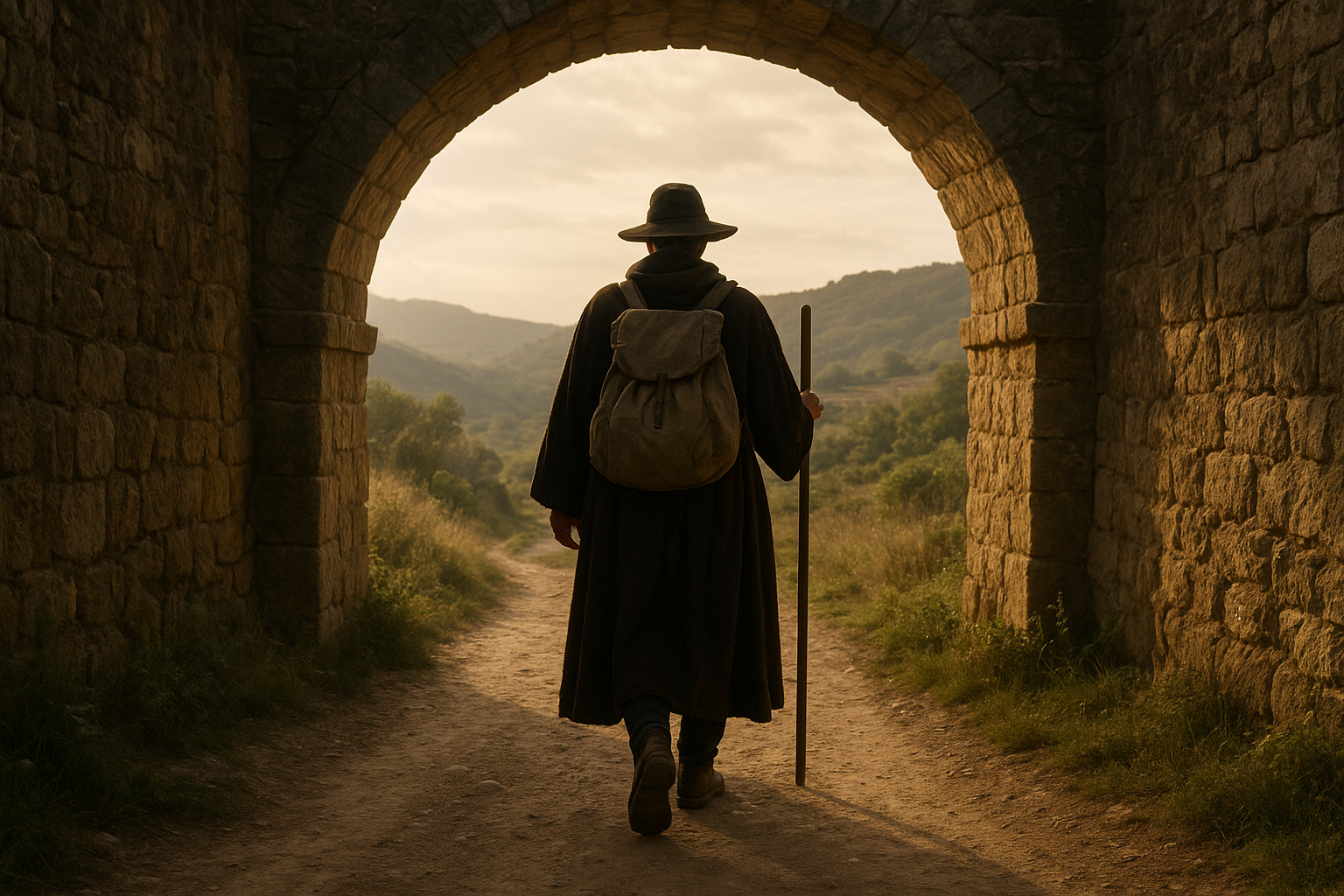
    In the vast realms of fantasy literature and myth, the concept of an invisible path has captured the imaginations of storytellers and audiences alike. This ethereal journey is often more about inner discovery and growth than the physical progression of steps. Just as much a metaphorical journey as a physical one, the invisible path represents a profound quest for truth, enlightenment, and purpose.

    “It is not in the stars to hold our destiny but in ourselves,” William Shakespeare once remarked, highlighting the intrinsic voyage of the self, a central theme to the invisible path.

    The Allure of the Invisible Path

    The idea of traversing an unseen route is appealing because it implies a venture into the unknown, promising a transformation of one’s perspective or sense of self. It offers a narrative ripe with mystery and the potential for discovering hidden truths. This concept is seen across many cultures and literary traditions, often symbolizing the transition from ignorance to enlightenment.

    • Mythological Roots: Many cultures include tales of hidden paths. In Japanese mythology, the Kami or spirits live unseen among humans, often approached through paths known only to the wise.
    • Literary Exploration: Authors like C.S. Lewis in his Chronicles of Narnia series, explore these paths to great effect. The wardrobe in The Lion, the Witch and the Wardrobe serves as an invisible portal to another world.
    • Philosophical Undertones: Such paths are frequently used as symbols for philosophical introspection and spiritual teachings, as seen in works like Hermann Hesse’s Siddhartha.

    Symbolism in the Unseen

    The invisible path is rich with symbolism, often acting as a metaphor for events or stages of life that are not immediately apparent but have a profound effect on our being. Such paths teach us that real change often occurs internally before it is manifested externally, a concept echoed in many spiritual teachings.

    “Not all those who wander are lost,” J.R.R. Tolkien famously wrote in The Lord of the Rings, implying that even paths that aren’t clearly visible lead to discovery and meaning.

    Historical Perspectives

    History is filled with stories of individuals and cultures who have embarked on journeys both physical and spiritual through invisible paths. These journeys often require them to seek knowledge beyond what is seen, to venture into realms of understanding not easily accessible.

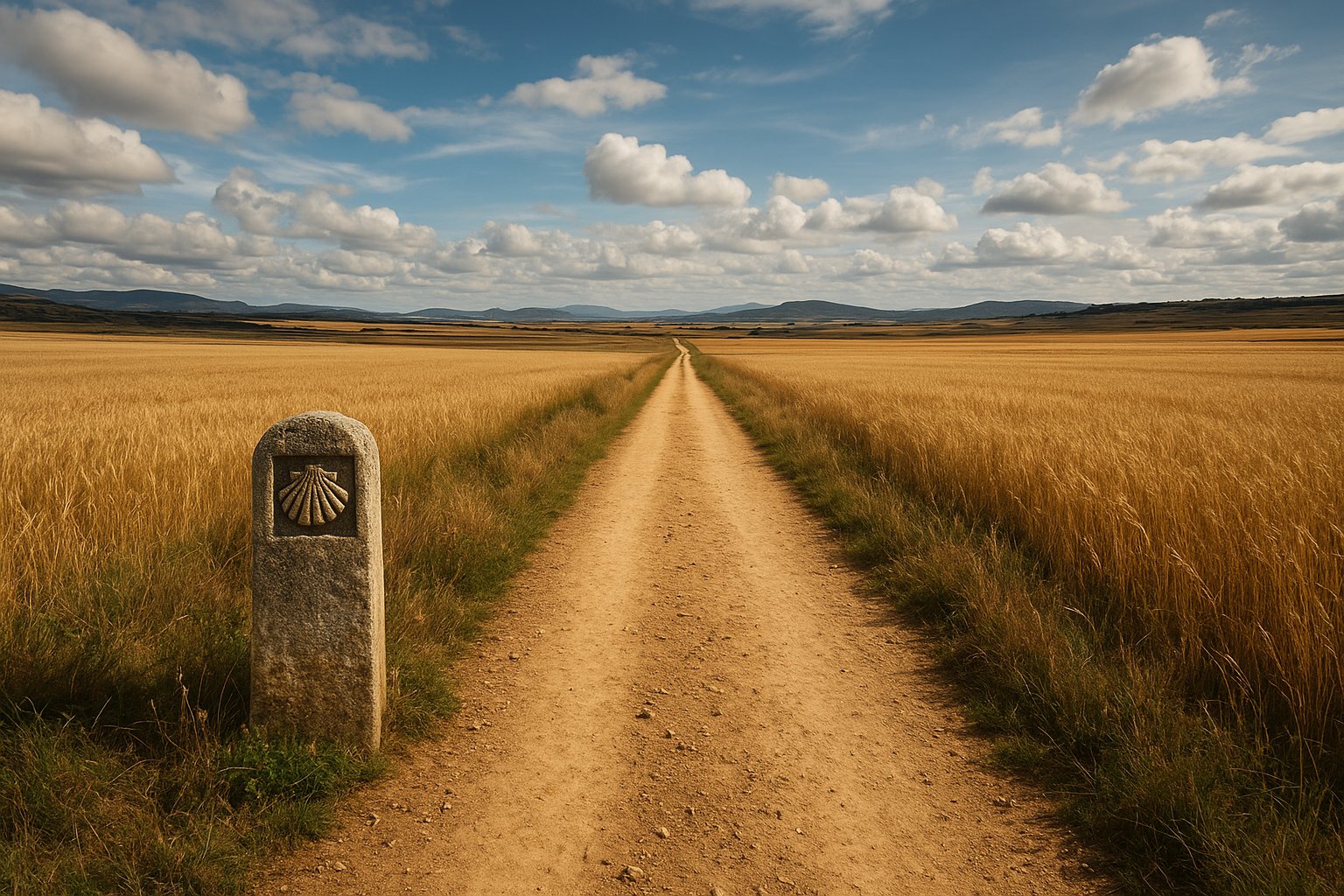
    • Spiritual Pilgrimages: Many ancient traditions have paths that are both literal journeys and moral guidelines, such as the routes to sacred sites in pilgrimages.
    • Vision Quests: Native American tribes practice vision quests, where young individuals embark on a solitary journey to seek guidance and knowledge, often traversing unseen spiritual paths.
    • The Alchemist’s Journey: In Paulo Coelho’s The Alchemist, the protagonist Santiago follows a path defined by dreams and omens, illustrating the invisible journey toward one’s ‘Personal Legend’.

    The Invisible Path in Modern Context

    In today’s world, the concept of the invisible path may seem anachronistic, but it remains relevant, especially in personal development and self-discovery. Modern life offers countless invisible paths of its own, often in the form of choices that lead to unexpected growth and opportunities.

    • Career Paths: In the professional world, individuals often find themselves on careers paths that are not linear but invisibly winding, leading to innovations and breakthroughs.
    • Personal Growth: The journey of personal growth is deeply intertwined with the invisible path, as individuals often seek growth and betterment in ways that are not immediately visible to others.
    • Spiritual Growth: Many people engage in meditation and mindfulness practices to navigate their own invisible paths toward spiritual awakening.

    Conclusion

    The allure of the invisible path lies in its universality and deep roots in human culture and consciousness. It symbolizes both the journey and the mystery of life itself. As we move through the myriad experiences that define our existence, the invisible paths we choose determine the tapestry of our lives, guiding us toward unknown possibilities and inner transformations.

    In embracing the path that cannot be seen or easily understood, we embrace the potential within ourselves to change, to grow, and ultimately to find our place in the world. The invisible path is not just a route—it’s a life’s journey, full of wonder and discovery.

  • Sacred Geographies

    Sacred Geographies

    Sacred Geographies: Mapping the Spiritual Terrain

    Throughout history, humans have imbued certain places with profound spiritual significance. These sacred geographies are often seen as bridges between the earthly and the divine, holding cultural, spiritual, and sometimes even political importance. But what defines a sacred geography, and why do these places hold such sway over human consciousness?

    Defining Sacred Geographies

    Sacred geographies are locations that communities regard as holy or spiritually significant. These can include natural formations, such as mountains, rivers, and forests, as well as man-made structures like temples, shrines, and altars. The sacredness of these sites often stems from religious beliefs, historical events, or the presence of natural beauty that inspires awe and reverence.

    • Mount Kailash: Situated in Tibet, Mount Kailash is considered sacred in Hinduism, Buddhism, Jainism, and Bon. It is believed to be the abode of Lord Shiva, and pilgrims undertake arduous journeys to circumambulate the mountain.
    • Uluru: In the heart of Australia, Uluru is a massive sandstone monolith sacred to the Anangu people. Known for its stunning natural beauty, it is a place of deep spiritual significance and is associated with numerous creation stories.
    • Vatican City: As the epicenter of the Roman Catholic Church, Vatican City is a spiritual hub for millions of Catholics worldwide. It’s home to St. Peter’s Basilica, the Sistine Chapel, and the Pope.

    The Role of Sacred Geographies

    Sacred geographies serve various roles in society, from fostering spiritual growth and community cohesion to providing a sense of identity and continuity. As Joseph Campbell once said, “Your sacred space is where you can find yourself over and over again.” [Source]

    For indigenous communities, these sacred sites are often integral to their cultural heritage and spiritual practices. They are places where ancestors are honored, and traditional knowledge is passed down through generations. In many cases, the protection of these sites is crucial for the preservation of cultural identity.

    Challenges and Conservation

    Despite their importance, sacred geographies face numerous challenges, including environmental degradation, tourism pressures, and geopolitical conflicts. Preserving these sites requires a delicate balance between accessibility and conservation. Efforts are often made to involve local communities in conservation initiatives to ensure that these sacred places remain protected for future generations.

    “The world is full of places that possess an energy and atmosphere that demands our respect and reverence.” – John O’Donohue

    In conclusion, sacred geographies are more than just physical locations; they are integral to the human experience, offering a space for reflection, connection, and transcendence. By respecting and preserving these spaces, we honor the intricate tapestry of beliefs and traditions that shape our world.

  • Nomadic Mind, Sacred Earth

    Nomadic Mind, Sacred Earth

    Nomadic Mind, Sacred Earth: A Journey Through the Spiritual and Environmental Wisdom of Nomadic Cultures

    The symbiotic relationship between nomadic cultures and the earth offers profound insights into sustainable living and spiritual harmony. As the modern world grapples with environmental challenges, the ancient wisdom of nomads serves as a beacon, guiding us towards a more balanced existence.

    The Nomadic Lifestyle: An Overview

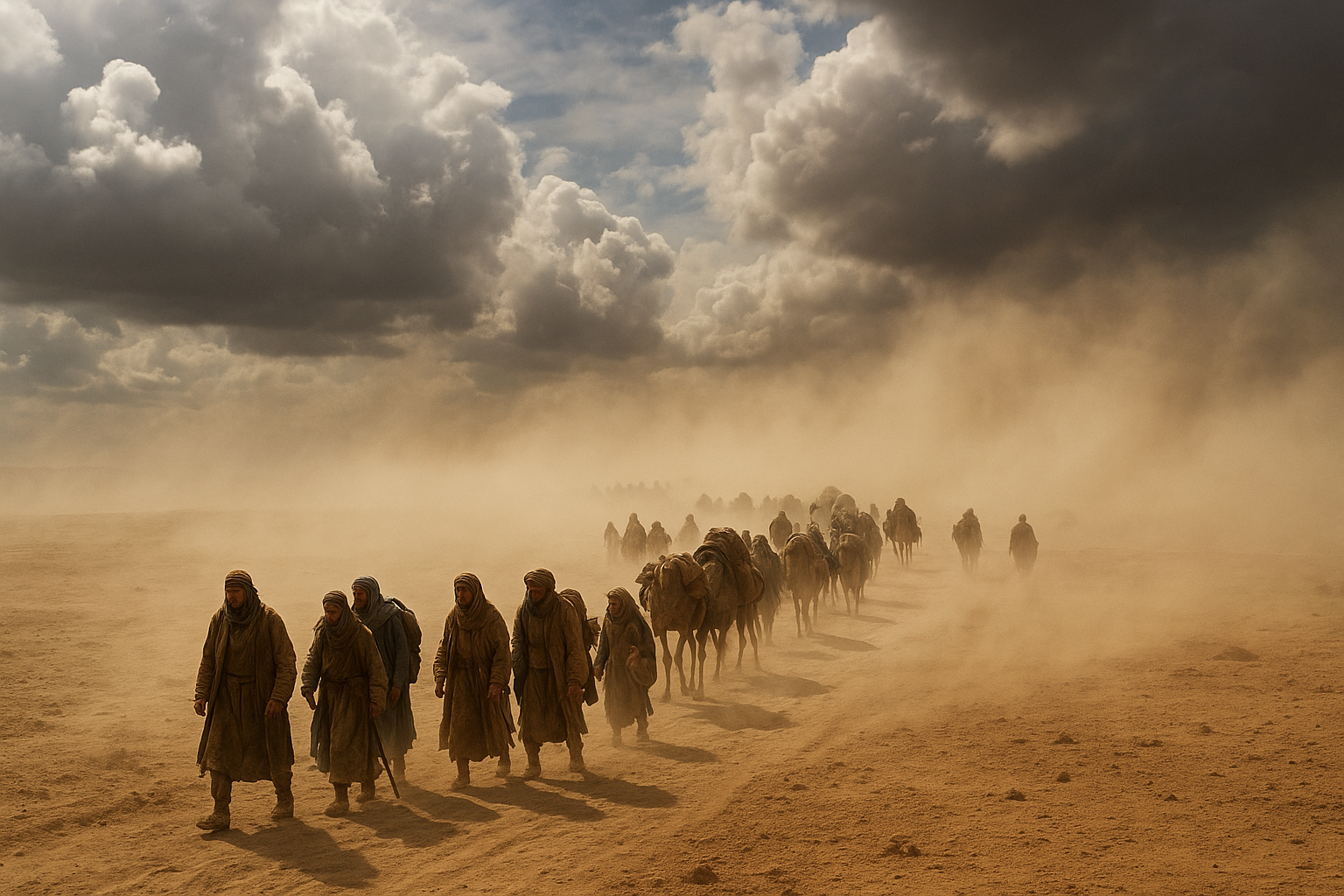
    Nomadic cultures, from the Bedouins of the Middle East to the Maasai of East Africa and the Sami of Scandinavia, have thrived for millennia by moving with the seasons and living in harmony with nature. This lifestyle is not merely a survival strategy but a deeply ingrained worldview that respects the earth as a living, sacred entity.

    • Adaptability: Nomads are masters of adaptation, constantly adjusting to the changing landscapes and climates. This flexibility is key to their survival and success.
    • Minimalism: With limited possessions, nomads embody minimalism. Their belongings are practical, portable, and essential, emphasizing quality over quantity.
    • Community: Strong communal bonds are central to nomadic life. Decisions are often made collectively, ensuring the welfare of the group over individual desires.

    Spiritual Connection to the Land

    The spiritual aspect of nomadic life is inseparable from their environmental practices. Many nomadic cultures view the earth as sacred, a belief that influences their interactions with the natural world.

    “The land is not just a resource; it is the source of life and spiritual sustenance. We belong to the earth, not the other way around.”

    Indigenous Proverb

    This perspective fosters a deep respect for the environment, prompting practices that ensure the earth remains bountiful for future generations. Rituals and traditions often revolve around natural cycles, reinforcing the connection between the spiritual and the ecological.

    Environmental Stewardship

    Nomadic peoples have long practiced environmental stewardship, a concept that is now gaining traction in global sustainability discussions. Their practices offer valuable lessons:

    • Sustainable Resource Use: Nomads only take what they need from the environment, ensuring resources are not depleted. This sustainable approach is crucial in maintaining ecological balance.
    • Preservation of Biodiversity: By moving frequently and using resources judiciously, nomadic cultures help preserve biodiversity. Their presence in various ecosystems supports a range of flora and fauna.
    • Water Conservation: In arid regions, nomads have developed sophisticated methods for conserving and utilizing water, a critical resource in their survival.

    Lessons for Modern Society

    As contemporary society faces environmental degradation and climate change, the lessons from nomadic cultures are more relevant than ever:

    • Embrace Simplicity: Adopting a minimalist lifestyle reduces waste and fosters a more sustainable relationship with the earth.
    • Respect for Nature: Viewing nature as a sacred entity rather than a commodity can lead to more respectful and sustainable practices.
    • Community-Centric Living: Prioritizing community well-being over individual gain can lead to more equitable and sustainable societies.

    Challenges and the Future

    Despite their wisdom and resilience, many nomadic cultures face significant challenges in the modern world. Climate change, political boundaries, and economic pressures threaten their traditional ways of life. However, there is hope that by integrating nomadic principles with modern technology and governance, we can forge a new path forward.

    Organizations and governments are beginning to recognize the value of traditional ecological knowledge. Collaborative efforts can help preserve these cultures while also incorporating their insights into broader environmental strategies.

    Conclusion

    The nomadic mind and the sacred earth are intertwined in a dance that has sustained life for centuries. By heeding the lessons of nomadic cultures, we can learn to live more sustainably and spiritually in tune with the world around us. As we face an uncertain future, these ancient practices offer a roadmap to a more harmonious existence with our planet.

    For further exploration of nomadic cultures and their environmental wisdom, consider reading this article from National Geographic.

  • Digital Nomads, Spiritual Roots

    Digital Nomads, Spiritual Roots

    In recent years, the term digital nomad has become synonymous with a lifestyle that blends work and travel, allowing individuals to earn a living while exploring the world. However, beyond the surface allure of exotic locations and flexible schedules lies a deeper connection to age-old spiritual practices.

    The Rise of the Digital Nomad

    The digital nomad lifestyle has been facilitated by advancements in technology and a shift towards remote work. According to a 2020 study by MBO Partners, there were approximately 10.9 million digital nomads in the United States alone, a figure that has been steadily rising.

    “The freedom to work from anywhere has given people the opportunity to reassess their work-life balance and align their lifestyles with personal values,” says Sarah Harvey, author of Kaizen: The Japanese Method for Transforming Habits, One Small Step at a Time.

    Seeking Spiritual Connection

    Many digital nomads are increasingly seeking out environments that offer more than just a picturesque landscape. They are drawn to destinations known for their spiritual significance, such as Bali, Thailand, and India, where the promise of both inner and outer exploration beckons.

    • Bali: Often referred to as the “Island of the Gods,” Bali is known for its vibrant Hindu culture and is a popular destination for yoga retreats and meditation.
    • Thailand: With its rich Buddhist heritage, Thailand offers numerous temples and meditation centers that attract those seeking spiritual growth.
    • India: As the birthplace of yoga and a land of diverse spiritual traditions, India remains a pivotal destination for those on a path of self-discovery.

    A Harmonious Lifestyle

    For digital nomads, the integration of work and spirituality can lead to a more fulfilling life. By embracing practices such as mindfulness, yoga, and meditation, they find ways to navigate the challenges of remote work while maintaining mental and emotional well-being.

    Dr. Emma Seppälä, a psychologist at Stanford University, notes in her book The Happiness Track,

    “Mindfulness and meditation can increase your focus and creativity, helping you perform better under pressure.”

    Conclusion

    As the world becomes increasingly interconnected, the digital nomad lifestyle continues to evolve, offering a unique blend of modern work flexibility and ancient spiritual practices. For those embarking on this journey, the quest is not only for professional success but also for personal enrichment and a deeper understanding of the self.

  • Nomads of the Subtle Body

    Nomads of the Subtle Body

    In a world where the tangible and the intangible intersect, the concept of the subtle body emerges as a profound aspect of human existence. This ethereal counterpart to our physical form has been a subject of fascination across various cultures and spiritual traditions. The exploration of the subtle body offers insights into the intricate relationship between mind, body, and spirit.

    Understanding the Subtle Body

    The subtle body, often referred to in spiritual and esoteric traditions, is an energetic framework that coexists with the physical body. It is believed to consist of various layers or sheaths that encompass mental, emotional, and spiritual energies. According to Yoga Journal, the subtle body is comprised of the pranamaya kosha (energy body), the manomaya kosha (mental body), and several other layers, each serving a unique purpose in the holistic functioning of an individual.

    Cultural Perspectives

    • Indian Tradition: In Hindu philosophy, the concept of the subtle body is intricately linked with the chakra system. As Hindu Website explains, chakras are energy centers that govern different aspects of the human experience, ranging from survival instincts to spiritual enlightenment.
    • Chinese Medicine: Traditional Chinese Medicine speaks of qi, or life force, which flows through the body along pathways known as meridians. The balance of qi is essential for physical and emotional health, as detailed in the works of practitioners like TCM World Foundation.
    • Tibetan Buddhism: Tibetan teachings emphasize the vajra body, a subtle form that facilitates advanced spiritual practices and transcendence. According to the Tibetan Buddhist Encyclopedia, the vajra body is key in achieving a state of ultimate liberation and enlightenment.

    Modern Interpretations

    In contemporary times, the idea of the subtle body has found resonance in various New Age practices and alternative medicine. Many practitioners of energy healing modalities, such as Reiki and acupuncture, work with the subtle body to promote well-being and address imbalances.

    “The subtle body is not a metaphor; it’s a reality that influences our physical body. Understanding it can lead to profound healing.” — Dr. Anodea Judith, author of Wheels of Life

    The Journey of the Nomads

    Individuals who explore the realms of the subtle body often describe themselves as spiritual nomads, traversing the unseen landscapes of their inner worlds. This journey involves a deep exploration of consciousness and self-awareness, often leading to transformative experiences.

    As humanity continues to seek meaning beyond the material world, the study of the subtle body offers a pathway to greater understanding and connection with the universe. Whether through ancient wisdom or modern practices, the nomads of the subtle body embark on a quest that transcends the physical, exploring the very essence of what it means to be human.