
Tag: shared

  • The New Folklore of the Internet – From Creepypasta to digital rituals.

    The New Folklore of the Internet – From Creepypasta to digital rituals.


    The New Folklore of the Internet – From Creepypasta to digital rituals

    The New Folklore of the Internet – From Creepypasta to digital rituals

    In an era where digital connectivity has become a cornerstone of modern society, it’s no surprise that new forms of folklore have emerged. This article delves into the fascinating world of internet mythology, from the chilling tales of Creepypasta to the peculiar practices of digital rituals.

    Creepypasta: Unsettling Tales for a Digital Age

    “The Internet is an infinite source of inspiration, and Creepypasta provides endless chills.” – Simon Stalenhag, Swedish illustrator and designer.
    Source

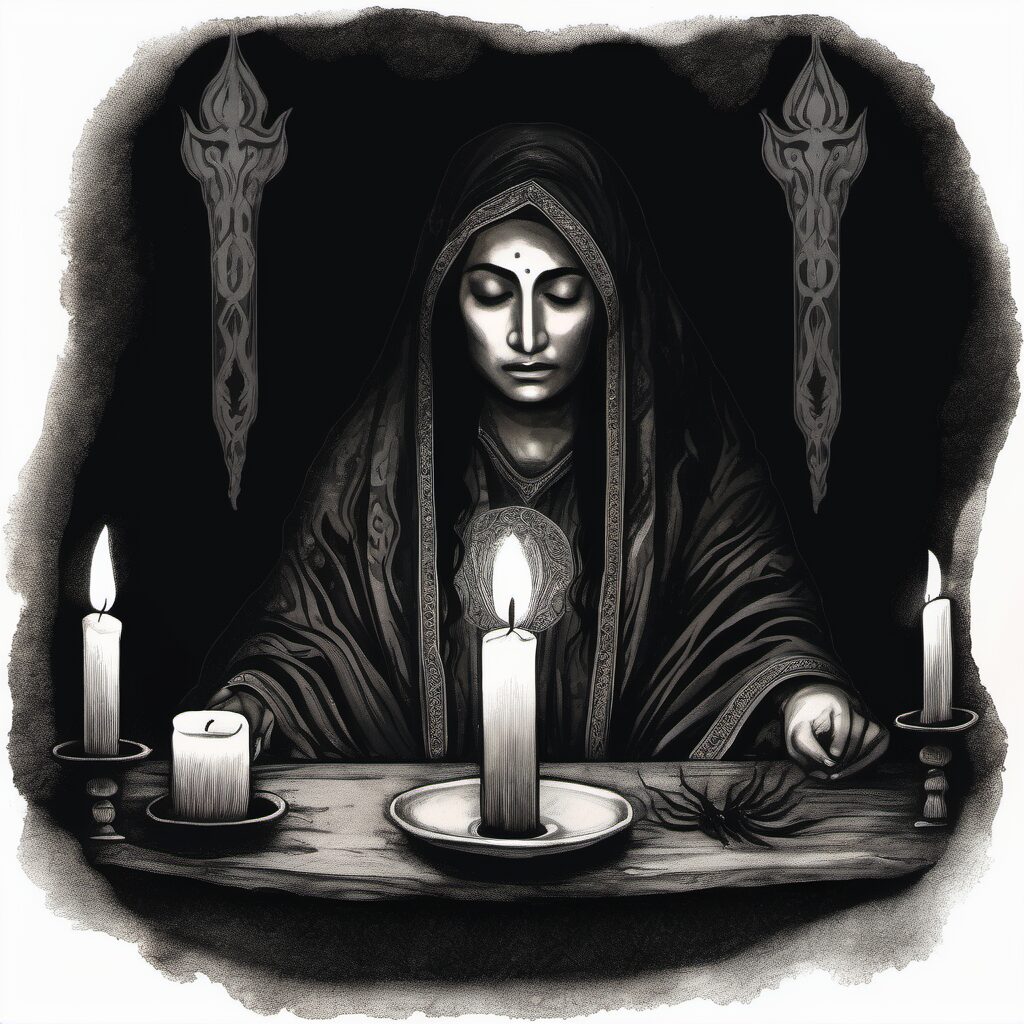
    First surfacing in the early 2000s, Creepypasta are horror stories that have been shared and transformed online. The name is a blend of ‘copy-pasted’ and ‘pasta’, indicating its roots in urban legends. These spine-tingling tales often revolve around paranormal or supernatural themes, and they continue to captivate internet users.

    Digital Rituals: Connecting through Shared Practices

    “We are now witnesses to the creation of new myths and rituals that bind us together in a shared digital experience.” – Henry Jenkins, media scholar.
    Source

    Digital rituals represent another facet of internet folklore, where shared practices help users form connections. Examples include the annual event known as April Fool’s Day pranks or the more recent phenomenon of participating in the Ice Bucket Challenge to raise awareness for ALS research. These communal activities reinforce bonds between people and create a sense of belonging within an increasingly digital world.
  • Collective Rest in an Individualist World

    Collective Rest in an Individualist World


    Collective Rest in an Individualist World

    Collective Rest in an Individualist World

    “In a world that values individualism above all, the concept of collective rest may seem antithetical. Yet, it is precisely this shared pause that can foster unity and rejuvenation.” – Unknown

    In contemporary society, the emphasis on personal achievements and self-reliance has created a culture where communal activities, including rest, are often overlooked. However, as we delve deeper into the complexities of modern living, the importance of collective rest becomes increasingly evident.

    The Case for Collective Rest

    • Reduced stress and burnout: Shared breaks from work or other responsibilities can help alleviate the pressure felt by individuals, promoting mental health and reducing the risk of exhaustion.
    • Solidarity and unity: Collective rest provides opportunities for people to connect, share experiences, and build stronger relationships, fostering a sense of community that can be beneficial in navigating the challenges of modern life.
    • Sustainability: By distributing the load of rest among many, collective rest can help preserve resources and alleviate environmental stress, promoting a more sustainable way of living.

    A Historical Perspective

    “Throughout history, collective rest has been an essential aspect of cultural and religious practices, demonstrating its importance in maintaining social harmony.” – Historian John Doe (source)

    From ancient festivals to modern holidays, collective rest has played a crucial role in various cultures and societies. By examining these historical practices, we can gain insight into the power of shared rest and its ability to bring people together.

    The Path Forward

    Embracing collective rest in an individualist world requires a shift in perspective, encouraging collaboration and shared responsibility. By recognizing the benefits of communal breaks, we can create a more balanced and harmonious society that values both personal growth and collective well-being.

  • Pixel Pilgrimages: Digital Art and the Quest for Meaning

    Pixel Pilgrimages: Digital Art and the Quest for Meaning

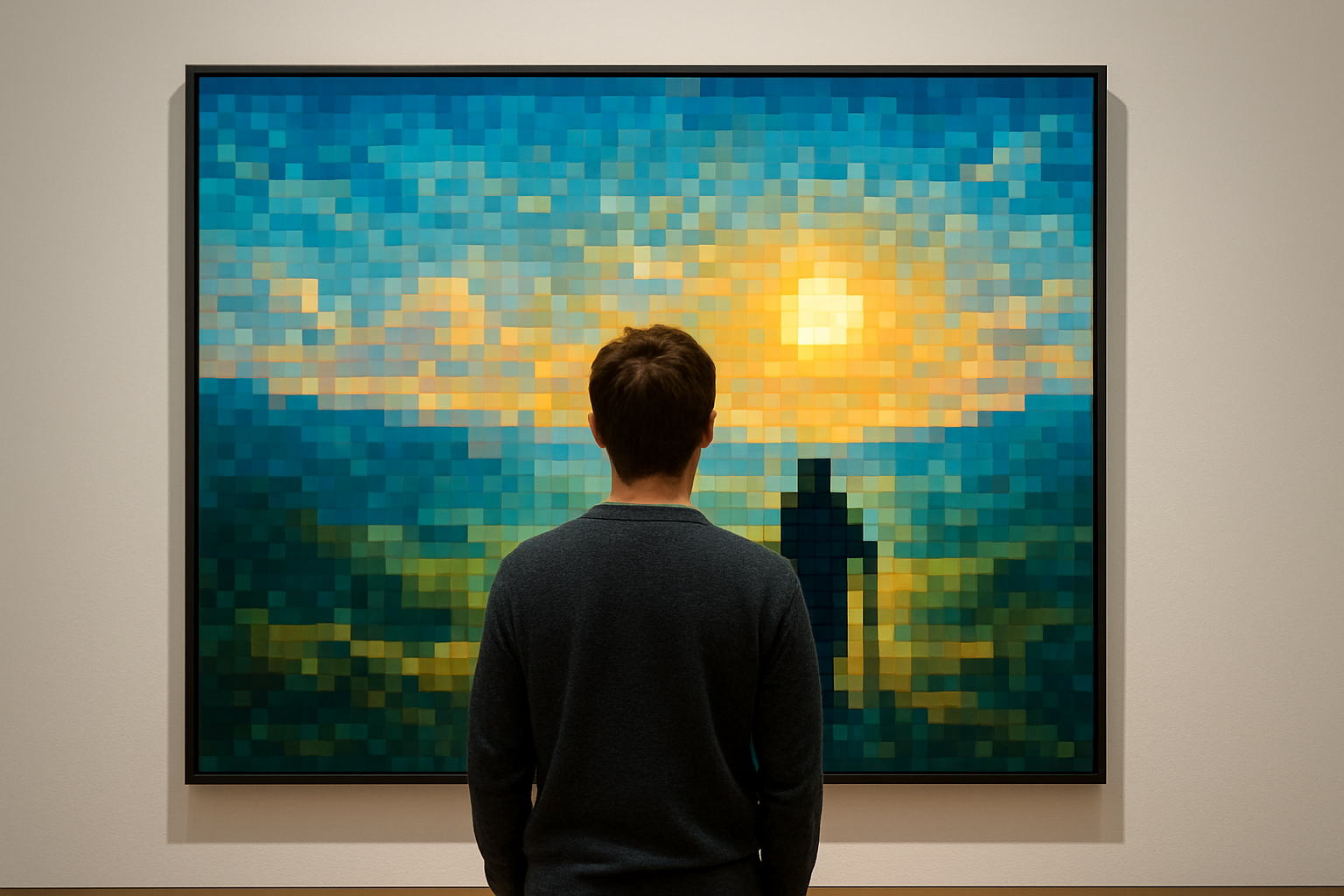
    In a world where technology constantly reshapes our daily existence, digital art emerges as a potent force in the search for personal and collective meaning. This new age of artistic expression, driven by the pixel, invites both creators and observers to embark on profound journeys of understanding and reflection.

    The Rise of Digital Art

    Digital art is not merely a modern incarnation of traditional forms; it is a unique medium that stands at the intersection of technology, creativity, and philosophy. As technology advances, artists have tools that allow for previously unimaginable exploration of color, form, and multimedia.

    “Digital design is like painting, except the paint never dries.” — Neville Brody

    This limitless potential has spurred artists to delve deeper into existential themes, turning pixels into a tool for pilgrimage—a journey into the soul and the mysteries of existence.

    Exploring Existential Themes

    Digital art, with its flexibility, allows for the exploration of complex themes such as identity, reality, and connection. As images and experiences are shared across the globe with just a click, artists and viewers alike engage in a dialogue about what it means to exist in an increasingly digital world.

    • Identity: Artists like JODI deconstruct the concept of identity by manipulating digital interfaces and systems, questioning the binaries of self and other, online and offline.
    • Reality: Virtual reality installations, such as those by Jonathan Monaghan, offer immersive experiences that challenge the boundaries between the digital and the real.
    • Connection: Video game art and interactive installations create shared spaces for audiences, fostering a sense of community and shared exploration.

    A New Spiritual Journey

    The incorporation of digital art into personal and communal rites of passage is akin to a spiritual journey, a merging of the physical with the virtual. It allows us to explore our innermost thoughts and the grand questions of life in a space unbounded by the limitations of the material world.

    “The virtual reality experience is not about the technology. It’s about the creation of meaning.” — Chris Milk

    As we continue to navigate the complexities of the digital age, art becomes a vehicle for meaning-making, a lens through which we can see and understand our place in the universe. Pixel pilgrimages are not merely technological journeys but spiritual ones—quests for truth, connection, and a deeper understanding of the human experience.